EN



Laetigen benefits come from a simple idea: Laetigen is an injectable atelocollagen that places purified type I collagen directly into the dermis, the deeper supportive layer of your skin, to help firm skin, soften fine lines and smooth texture. Instead of waiting for your body to make new collagen, the treatment delivers collagen where skin has been losing it. One session typically lasts about 4–6 months, and a 3-session course often lasts 12 months or more, though results vary from person to person.
Many of our international patients first ask whether a collagen injection is any different from collagen drinks or creams, and how long the Laetigen benefits actually last. In this guide, Dr. Lee Sung-wook, board-certified plastic surgeon and founder of MINE Clinic in Seoul, walks you through the five main Laetigen benefits, a realistic results timeline, who the treatment suits, and what shapes the cost in Korea.
What Is Laetigen and Why Direct Collagen Matters
Laetigen is a skin booster made of injectable atelocollagen. If you would like the full background first, our guide on what Laetigen is and how it works covers the basics. Here, we focus on why its approach matters for the Laetigen benefits you can expect.
Atelocollagen in Plain Terms
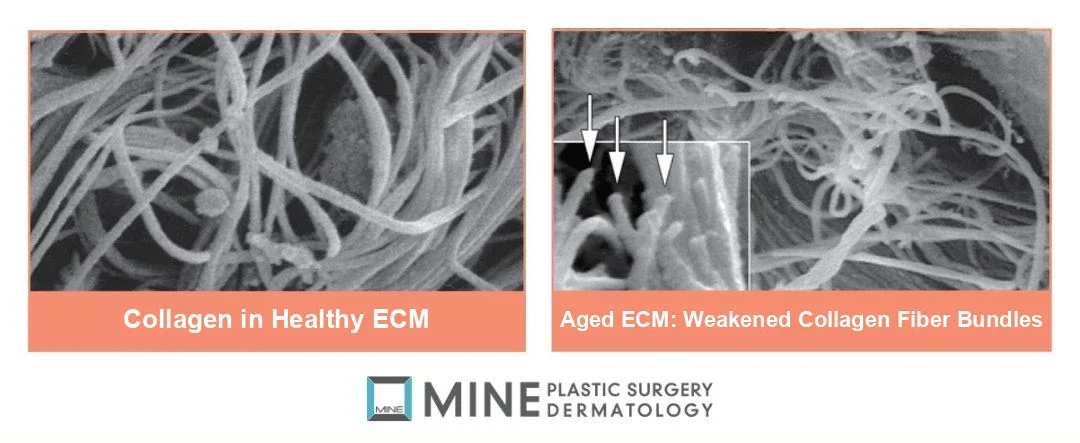
Collagen is the protein that acts like the scaffolding of your skin. Type I collagen makes up roughly 70% of the dermis, and a classic clinical study of skin thickness and collagen found that skin collagen declines by about 1% a year in adulthood (Shuster et al., British Journal of Dermatology), with the loss usually starting to show from the mid-20s. As that scaffolding thins, skin loses firmness, fine lines appear, and texture becomes less even.
Atelocollagen is type I collagen with its “telopeptides” removed. Telopeptides are the small tail ends of the collagen molecule that the immune system is most likely to react to, so trimming them away is designed to make the collagen gentler on the body. According to the manufacturer, Laetigen is a porcine (pig-derived) collagen with 99.9% purity and a neutral pH close to that of the dermis (around 7.2).
This is different from boosters based on PLLA or PDLLA, such as Juvelook, which work by gradually prompting your own skin to build collagen over several weeks. Laetigen supplies the collagen itself.
Why Purified Collagen Matters
Collagen injections are not new. Dermatology textbooks describe older animal-derived collagen fillers that called for skin allergy testing before treatment, because the body could react to parts of the collagen molecule. Removing the telopeptides is one way newer atelocollagen products aim to keep the collagen closer to what your skin already recognizes. Even so, it is important to tell us about any allergies, especially to collagen or pork-derived products, so we can decide together whether Laetigen is right for you.
Why Collagen Drinks and Creams Can’t Reach the Dermis
Collagen you drink or swallow is broken down into small pieces during digestion, much like any other protein in your diet, so it does not travel to your face as intact collagen. Collagen in creams has a different problem: the molecules are too large to pass through the skin’s surface barrier and reach the dermis. A Laetigen injection places collagen directly into the layer where it is needed, which is the main reason it can do what drinks and creams cannot.
5 Laetigen Benefits for Your Skin
The Laetigen benefits below are the changes our patients most often notice. They tend to build gradually, and each person’s skin responds a little differently.
1. Firmness and Elasticity
When collagen thins, skin can feel loose or slightly crepey, especially on the cheeks. Among all Laetigen benefits, this is often the first one patients feel: by restoring collagen in the dermis, Laetigen can help skin feel denser and spring back more easily. Many patients describe their skin as feeling “fuller” rather than tighter, which keeps the result natural.
2. Softer Fine Lines
Softening fine lines is one of the core Laetigen benefits. Fine lines usually show first where skin is thin and moves often, such as around the eyes, on the forehead and across the cheeks. Adding collagen under these areas can help soften fine lines and crinkling. Laetigen is not designed for deep folds, which usually need a different approach.
3. Refined-Looking Pores
Pores often look larger when the skin around them loses support. As the surrounding skin becomes firmer, pores can appear smaller and less noticeable. This is one of the Laetigen benefits patients mention most when they look at their skin up close.
4. Smoother Tone and Texture
Uneven texture can make skin look dull even with good skincare. With better support from below, the skin surface can look smoother and reflect light more evenly, which many people notice as a healthier glow.
5. Stronger Moisture Barrier
Collagen helps the skin hold on to water. When collagen levels improve, skin can stay hydrated more easily and feel less dry or tight. A better-hydrated surface also helps the other Laetigen benefits look their best.
In my clinical experience, patients who choose Laetigen are usually looking for “better skin” rather than a visibly changed face, and that is exactly where this treatment fits.
Who Is a Good Candidate for Laetigen?
Laetigen benefits are most noticeable when the main concern is skin quality rather than volume or sagging.
Good Fit
- Thin or crepey skin that has started to lose firmness
- Early fine lines around the eyes, forehead or cheeks
- Dull, uneven texture or enlarged-looking pores
- People who want a natural change in skin quality without adding volume
When to Consider Another Option
Laetigen improves skin quality; it is not a volumizer and not a substitute for lifting. If your main concern is hollow areas or sagging, another treatment may serve you better. Our Laetigen vs Rejuran vs Juvelook comparison can help you decide which skin booster matches your goals. If you are pregnant, have an active skin infection, or have a history of allergy to collagen or pork-derived products, please discuss this during your consultation before planning treatment.
The Laetigen Treatment Process at MINE Clinic
Step by Step
- Consultation and skin assessment: Dr. Lee reviews your skin thickness, concerns and goals.
- Numbing cream: applied for about 20–30 minutes to keep you comfortable.
- Injection: collagen is placed into the dermis using an injector device or by hand, depending on the area.
- Calming care: soothing aftercare to settle the skin.
Treatment takes about 40–50 minutes including 20–30 minutes of numbing cream.
What Your Consultation Covers
Before any injection, we look at how thin your skin is, where fine lines and texture changes show most, and what you want to improve. We also ask about allergies, medications and recent skin treatments. This helps us decide how much collagen each area needs and how deep it should go, two of the factors that shape how long Laetigen benefits last.
Recommended Course: 3 Sessions, Then Maintenance
The standard course is 3 sessions about 4 weeks apart, followed by maintenance every 6–12 months. Spacing the sessions lets the collagen, and the Laetigen benefits, build up step by step. If you are traveling to Korea, it helps to plan your trips around this 4-week rhythm, or to discuss with us how to fit the course into your schedule.
In practice, a full course spans about 8 weeks from the first to the third session: session one, session two about 4 weeks later, and session three about 4 weeks after that. Some patients complete the course over several visits to Korea; others plan a longer stay. Either way, mapping out the dates early makes it easier to get the full Laetigen benefits of the course.
Laetigen Results Timeline: When You’ll See Results and How Long They Last
| Stage | What to Expect |
|---|---|
| Right after treatment | Some plumpness and hydration, partly from injected fluid and mild swelling |
| Days 1–2 | Bruising or swelling, if any, usually settles |
| Weeks 2–4 | Firmer, smoother skin becomes easier to notice |
| After 3 sessions | Results build up and often last 12 months or more |
| Maintenance | Touch-up sessions every 6–12 months |
Right After Treatment
Your skin may look slightly plumper and more hydrated straight away. Part of this is the injected fluid and mild swelling, which settles within a few days, so it is not the final result.
Weeks 2–4
Firmer, smoother skin is usually easier to notice 2–4 weeks after treatment. With each session in the course, the Laetigen benefits tend to build further.
How Long Does Laetigen Last?
One Laetigen session typically lasts about 4–6 months; after a 3-session course, results often last 12 months or more, though this varies by individual. These figures come from clinical experience, and long-term data are still limited.
Why doesn’t injected collagen last forever? Injectable collagen is biodegradable, which means the body slowly breaks it down over time using its own enzymes (collagenase). Dermatology textbooks describe injectable collagen and HA fillers lasting about 4–9 months, and they note that how long a product lasts depends on its composition, the amount used and how deep it is placed. This is why maintenance sessions every 6–12 months help keep the Laetigen benefits going.
What Helps Laetigen Benefits Last Longer?
Textbooks on cosmetic dermatology explain that how long an injected product lasts depends on what it is made of, how much is used, how deep it is placed and what it is carried in. Translated into everyday terms, a few things tend to make the biggest difference:
- Completing the course: three sessions build up more collagen than a single session.
- Placement and amount: placing the right amount at the right depth for your skin, which is decided at your consultation.
- Maintenance: touch-ups every 6–12 months before the effect fades completely.
- Everyday skin protection: daily sunscreen and good hydration support the skin you are investing in.
The same textbooks note a reassuring side of temporary, biodegradable products: because the effect is not permanent, any unwanted reaction is also short-lived. That is one reason collagen-based treatments are often a comfortable first step for people new to injectable skin treatments.
For most people there is no real downtime. Any bruising or swelling usually settles within 1–2 days.
Laetigen Cost in Korea: What Affects the Price
Main Cost Factors
- Treated area: full face, under-eye or neck areas need different amounts
- Volume: the number of syringes used
- Number of sessions: a single session or a full course
- Package: whether you choose a 3-session course
- Maintenance: touch-ups every 6–12 months
- Combination treatments: whether Laetigen is paired with other procedures
Single Session vs 3-Session Course
A single session lets you try the Laetigen benefits for yourself, while a 3-session course is how most patients reach longer-lasting results. Because every plan depends on your skin, we provide a personal quote after consultation rather than a fixed price. If you are comparing booster budgets, you may also find our guide to Rejuran cost and results timeline useful.
Aftercare and Possible Side Effects
Aftercare for the First Week
- Avoid alcohol, saunas, hot baths and intense exercise for about one week
- Use sunscreen and a gentle moisturizer every day
- Light makeup and gentle cleansing are usually fine from the next day
- Skip scrubs and peels until your skin has settled
Temporary Reactions
Like any injection, Laetigen can cause small bumps at the injection points, swelling, bruising, mild pain or redness. These are usually temporary and ease within a few days. For a fuller explanation, see our guide on Laetigen side effects and how long they last.
Laetigen vs Other Skin Boosters at a Glance
Each skin booster works in its own way, so Laetigen benefits differ from those of other boosters. Laetigen supplies collagen directly to the dermis, Juvelook (PLLA/PDLLA) prompts your skin to build its own collagen gradually, and Rejuran (PN, or polynucleotides) supports the skin’s natural repair process. For a side-by-side look at results and duration, read our full Laetigen vs Rejuran vs Juvelook comparison, and see how Laetigen compares with Re20, another collagen booster.
Frequently Asked Questions About Laetigen
How long does Laetigen last?
One session typically lasts about 4–6 months. After a 3-session course, results often last 12 months or more, although this varies by individual. Maintenance every 6–12 months helps keep the results.
When will I see Laetigen results?
You may notice some hydration and plumpness right after treatment, partly from mild swelling. Firmer, smoother skin is usually easier to see around 2–4 weeks, and results build over the course.
How many Laetigen sessions do I need?
Most patients start with 3 sessions about 4 weeks apart, then maintenance every 6–12 months. The exact plan depends on your skin condition and goals.
How much does Laetigen cost in Korea?
The cost depends on the treated area, the volume used, the number of sessions and whether you choose a package. There is no single fixed figure, so we give a personal quote after consultation.
Why not just take collagen supplements?
Collagen you swallow is broken down into small pieces during digestion, and collagen in creams is too large to reach the dermis. Laetigen places collagen directly into the dermis, which is why it can deliver Laetigen benefits that supplements cannot.
Does Laetigen hurt?
Most patients describe only mild discomfort. Numbing cream is applied for about 20–30 minutes beforehand, and any tenderness at the injection points usually eases within a few days.
Is Laetigen a filler?
Laetigen is collagen, a material textbooks group with temporary, biodegradable injectables, but it is used as a skin booster. It is placed in small amounts within the dermis to improve skin quality, not to add visible volume or reshape the face, which is why Laetigen benefits look natural rather than “done.”
Is there downtime after Laetigen?
Most people return to daily life the same day. Bruising or swelling usually settles in 1–2 days, and it is best to avoid saunas, alcohol and hard exercise for about a week. Our guide to Laetigen side effects explains more.
Plan Your Laetigen Treatment at MINE Clinic
The Laetigen benefits you can expect depend on your skin, your goals and how the course is planned. At MINE Clinic in Seoul, Dr. Lee Sung-wook personally assesses your skin and builds a plan that fits your schedule, including for international patients who need to time the 3-session course around travel. Send us a message through the online consultation form or WhatsApp on this page to receive your personalized plan and quote.
When you get in touch, it helps to share a few clear photos of your skin in natural light, the areas that concern you most and your travel dates. That way, we can explain which Laetigen benefits are realistic for your skin and suggest a session schedule before you arrive.
Written and reviewed by Dr. Lee Sung-wook, board-certified plastic surgeon, MINE Clinic.
※ This content is for informational purposes only and does not replace professional medical advice, diagnosis, or treatment. Individual results may vary, and side effects may occur. Please consult with a board-certified plastic surgeon for personalized advice.