EN
EN


Table of contents
Understanding Salivary Gland Reduction Surgery
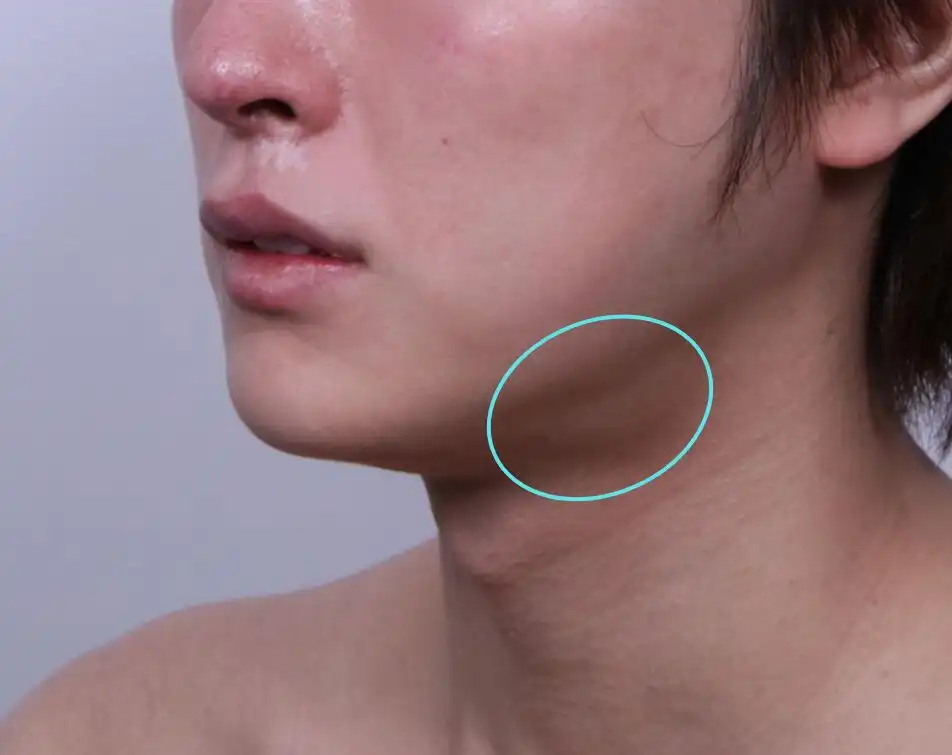
Salivary gland surgery is a specialized procedure performed to address conditions affecting the submandibular salivary glands, which are located beneath the lower jaw on both sides of the neck. These walnut-sized glands play a crucial role in producing approximately 65%-70% of your saliva when not eating, contributing significantly to oral health and the initial digestive process. Patients seeking double chin surgery may consider partially removing the salivary gland if the salivary gland is over-developed and protrudes. Over-developed salivary glands can protrude, causing a bump under the chin.
Preoperative Preparations and Examinations
Consultation with a Salivary Gland Specialist
Before undergoing salivary gland reduction surgery, a comprehensive consultation with an experienced surgeon is crucial. During this initial assessment, the specialist will:
- Review your complete medical history
- Discuss your symptoms and their progression
- Explain the benefits and risks of surgical intervention
- Address your questions and concerns about the procedure
This consultation establishes the foundation for personalized treatment planning and helps determine if surgery is indeed the most appropriate option for your specific condition.
Patient Education and Preparation Guidelines
Proper preparation significantly contributes to surgical success and recovery. Your surgeon will provide specific instructions, including:
- Medication management: Guidelines on which medications to continue, adjust, or temporarily discontinue (particularly blood thinners like aspirin, warfarin, or clopidogrel)
- Smoking cessation: Strong recommendation to stop smoking at least two weeks before surgery to improve healing
- Fasting requirements: Instructions on when to stop eating and drinking before anesthesia
- Day-of-surgery checklist: Items to bring and arrangements for transportation and postoperative care
For more detailed information about salivary gland function and conditions, visit the American Academy of Otolaryngology–Head and Neck Surgery Foundation.

What Happens During Salivary Gland Reduction Surgery?
Anesthesia Administration
Salivary gland surgery is typically performed under general anesthesia to ensure patient comfort and surgical precision. The procedure generally lasts between 1-2 hours, depending on the complexity of the case and whether additional procedures are required.
In select situations, particularly for minor procedures or when general anesthesia poses significant risks, local anesthesia with sedation may be considered as an alternative approach.
Step-by-Step Surgical Procedure
The submandibular gland excision process follows a systematic approach:
- Surgical incision: The surgeon makes a carefully placed 4-5 cm incision in a natural skin crease approximately 3-4 cm below the chin. This strategic placement helps conceal the eventual scar.
- Tissue dissection: The surgeon carefully separates the layers of tissue to expose the submandibular gland while identifying and protecting vital structures, including:
- Facial artery and vein
- Marginal mandibular nerve (controls lower lip movement)
- Lingual nerve (provides sensation to the tongue)
- Hypoglossal nerve (controls tongue movement)
- Gland removal or repair: Depending on the condition being treated, the surgeon will either:
- Completely remove the submandibular gland (total submandibulectomy)
- Remove stones from the duct while preserving the gland
- Address other pathologies as needed
- Meticulous closure: The surgeon closes the incision in layers using absorbable sutures for the deeper tissues and fine sutures or surgical adhesive for the skin. A temporary drain may be placed to prevent fluid accumulation.
Advanced Surgical Techniques
Modern submandibular gland surgery has evolved to include minimally invasive approaches for appropriate cases:
- Sialendoscopy: Using tiny endoscopes to remove stones or dilate strictures while preserving the gland
- Robot-assisted surgery: Enhancing surgical precision in complex cases
- Intraoperative nerve monitoring: Technology that helps surgeons identify and preserve critical nerves during the procedure
These advanced techniques aim to reduce recovery time, minimize scarring, and preserve gland function when possible. However, the appropriate surgical approach depends on the specific diagnosis, gland condition, and patient factors.
Recovery Process and Postoperative Care
Immediate Post-Surgery Management
The first 24-48 hours after submandibular gland surgery are crucial for managing discomfort and preventing complications. Important aspects of immediate care include:
- Pain management: Your surgeon will prescribe appropriate pain medications, typically including:
- Non-steroidal anti-inflammatory drugs (NSAIDs) like ibuprofen
- Acetaminophen for additional pain relief
- Stronger prescription medications for short-term use if needed
- Swelling reduction: Applying cold compresses intermittently (20 minutes on, 20 minutes off) for the first 48 hours helps minimize swelling and discomfort.
- Head elevation: Keeping your head elevated on 2-3 pillows while resting reduces swelling and improves comfort.
- Drain management: If a surgical drain was placed, you’ll receive instructions on emptying and recording drainage, with removal typically scheduled within 1-3 days.
Dietary and Lifestyle Recommendations
Following submandibular gland surgery, dietary adjustments promote healing and minimize discomfort:
- Hydration: Drink plenty of water to maintain adequate saliva production from remaining salivary glands
- Food consistency: Begin with cool, soft foods for the first few days, gradually returning to your normal diet as comfort allows
- Avoid irritants: Steer clear of spicy, acidic, or extremely hot foods that might irritate healing tissues
- Oral hygiene: Maintain gentle but thorough oral hygiene to prevent infection
Patients should also temporarily modify their activities:
- Avoid strenuous exercise for at least 1-2 weeks
- Take short, gentle walks to promote circulation
- Refrain from heavy lifting (over 10 pounds) for 2 weeks
- Plan for 1-2 weeks away from work, depending on job requirements
Wound Care Best Practices
Proper incision care significantly reduces infection risk and promotes optimal healing:
- Keep the incision clean and dry for the first 24-48 hours
- Follow your surgeon’s specific instructions regarding showering and wound cleaning
- Apply any prescribed topical medications as directed
- Avoid submersion in baths, pools, or hot tubs until cleared by your surgeon
Monitor the incision site for warning signs such as:
- Increasing redness or warmth
- Excessive swelling beyond what was expected
- Purulent (pus-like) drainage
- Fever above 101°F (38.3°C)
- Incision separation or opening
Contact your surgeon immediately if you notice any of these concerning symptoms.
Follow-Up Appointment Schedule
Regular post-operative visits are essential for monitoring your recovery and addressing any complications promptly:
- First follow-up: Typically scheduled 7-10 days after surgery for suture removal (if non-absorbable sutures were used) and initial healing assessment
- Subsequent visits: Scheduled based on your recovery progress and any specific concerns
- Long-term monitoring: May be recommended in cases of tumor removal or complicated recoveries
These appointments allow your surgeon to evaluate healing, assess for any complications, and provide guidance on returning to normal activities.
For additional resources on salivary gland health and recovery, explore the comprehensive information available on the mineclinic website.

How Long Does Recovery After Submandibular Surgery Take?
Recovery from submandibular gland surgery progresses through several phases, with most patients returning to normal activities within 2-3 weeks. Here’s what to expect during the recovery timeline:
Immediate Recovery (1-3 Days)
Most patients require 1-2 days of significant rest with limited activity. During this period, you’ll likely experience:
- Moderate pain and swelling at the surgical site
- Some difficulty with certain jaw movements
- Possible numbness around the incision
Most patients can return home the same day as their surgery, though overnight hospital observation may be recommended in certain cases.
Early Recovery Phase (4-10 Days)
During this period, you’ll notice progressive improvement:
- Diminishing pain and swelling
- Improving jaw mobility
- Suture removal (if non-absorbable sutures were used)
- Gradual return to normal diet
Complete Recovery (2-3 Weeks)
By 2-3 weeks post-surgery, most patients experience:
- Resolution of significant swelling
- Minimal discomfort
- Return to normal dietary habits
- Ability to resume most regular activities
Long-Term Healing (1-6 Months)
Complete scar maturation and nerve recovery may take several months:
- Surgical scar fading and flattening
- Resolution of any temporary nerve-related symptoms
- Adaptation to changes in salivary flow
Potential Risks and Complications
While submandibular gland surgery is generally safe, understanding potential complications helps patients recognize and address issues promptly if they arise.
Common Side Effects vs. Complications
Normal postoperative effects that most patients experience include:
- Temporary swelling and bruising around the incision
- Mild to moderate pain, typically manageable with prescribed medications
- Transient numbness around the incision site
- Temporary difficulty with certain jaw movements
Less common complications that require medical attention include:
- Nerve injury: Temporary or, rarely, permanent impact to:
- Marginal mandibular nerve (causing asymmetric smile or lower lip weakness)
- Lingual nerve (affecting tongue sensation or taste)
- Hypoglossal nerve (impacting tongue movement)
- Infection: Occurs in approximately 1-5% of cases, presenting as:
- Increasing pain, redness, and swelling
- Purulent drainage
- Fever
- Hematoma: Blood collection requiring drainage if large or causing significant pressure
- Salivary fistula: Abnormal connection between the surgical site and skin surface
- Ranula formation: Development of salivary cyst if minor salivary tissue remains
- Scar complications: Hypertrophic scarring or keloid formation in predisposed individuals
Risk Minimization Strategies
The risk of complications can be significantly reduced through:
- Choosing an experienced surgeon specializing in head and neck procedures
- Following preoperative instructions meticulously, especially regarding medications
- Adhering to postoperative care guidelines, including wound care and activity restrictions
- Attending all follow-up appointments to monitor healing and address emerging concerns
- Communicating promptly with your healthcare team about unexpected symptoms
Long-Term Considerations
Following submandibular gland removal, patients should be aware of potential long-term adjustments:
- Altered salivary production: The remaining salivary glands (parotid and sublingual) compensate for the removed gland, but some patients notice subtle changes in saliva consistency or quantity
- Scar management: Strategies for optimal cosmetic outcome of the neck incision
- Regular follow-up: Particularly important after tumor removal
For information on managing surgical scars and optimizing aesthetic outcomes, visit mineclinic’s plastic surgery resources.
Advances in Submandibular Gland Surgery Techniques
The field of submandibular gland surgery has evolved significantly in recent years, with technological advances offering patients new options for treatment.
Future Directions in Treatment
Emerging approaches that may further transform salivary gland surgery include:
- Lithotripsy: Using shock waves to fragment salivary stones non-invasively
- Sialoendoscopy with laser lithotripsy: Combining endoscopy with laser technology to break down stones
- Botulinum toxin injections: For treating specific salivary gland conditions
- Tissue-engineering approaches: Research into salivary gland regeneration
For patients exploring treatment options, discussing these advanced techniques with a specialist can help determine the most appropriate approach for their specific condition.
Life After Submandibular Gland Surgery
Most patients adjust well after submandibular gland surgery, with minimal long-term impact on quality of life.
Expected Outcomes and Adaptation
Following recovery, patients can generally expect:
- Resolution of preoperative symptoms: Relief from pain, swelling, and recurrent infections
- Normalized eating and speaking: Return to comfortable oral function
- Inconspicuous scarring: With proper care, the surgical scar typically fades significantly
- Adequate salivary function: The remaining salivary glands compensate for the removed gland
The body adapts remarkably well to the removal of one submandibular gland, with the remaining salivary glands (one submandibular, two parotid, and two sublingual glands) typically providing sufficient saliva for normal function.
Long-Term Follow-Up Recommendations
After submandibular gland surgery, ongoing care may include:
- Regular dental examinations: Important for monitoring oral health
- Hydration awareness: Maintaining adequate fluid intake supports remaining salivary glands
- Annual check-ups: Particularly important following tumor removal
- Scar care: Following a scar management regimen may improve cosmetic outcomes
For complex cases or those involving tumors, your surgeon will establish a personalized follow-up schedule to monitor for any recurrence or complications.
Frequently Asked Questions About Submandibular Gland Surgery
How painful is submandibular gland surgery recovery?
Most patients experience moderate pain for the first few days after surgery, which gradually improves over the first week. Pain is typically well-controlled with prescribed medications and cold compresses. By the second week, most patients require only occasional over-the-counter pain relievers, if any.
Will I have a visible scar after submandibular gland surgery?
While the procedure does create a scar, surgeons place the incision in a natural skin crease beneath the jawline, making it relatively inconspicuous once healed. The scar typically fades significantly over 6-12 months. Proper wound care and sun protection during healing help minimize scarring.
How long until I can return to work after submandibular gland surgery?
Most patients can return to desk jobs or light work within 7-10 days after surgery. Physically demanding occupations may require 2-3 weeks of recovery. Your surgeon will provide personalized guidance based on your specific procedure and job requirements.
Will removing my submandibular gland affect my ability to produce saliva?
The submandibular glands produce approximately 65% of resting saliva (saliva produced when not eating). After removing one gland, the remaining salivary glands typically compensate effectively. Some patients may notice mild dryness initially, but most adapt well with no significant long-term impact on saliva production.
For expert consultation on submandibular gland conditions and treatment options, contact mineclinic to schedule an appointment with our specialized surgical team. Our experienced surgeons utilize the latest techniques to ensure optimal outcomes for patients with salivary gland disorders. (submandibular gland surgery recovery)
Have questions about submandibular gland surgery or other head and neck procedures? Explore our comprehensive resources on the mineclinic blog or contact us directly for personalized information.