EN
EN

Table of contents
Facelift side effects are the temporary reactions and rarer complications that can follow a facelift (rhytidectomy, a surgery that lifts and tightens sagging facial and neck skin) — most commonly swelling, bruising, and numbness, with serious risks such as hematoma, infection, and facial nerve injury being uncommon. As more people choose this procedure to refresh their appearance, understanding these facelift side effects and the precautions that reduce them is the key to a safe, smooth recovery.
In my practice, I find that patients who know what to expect heal more calmly and make better decisions about their facelift side effects. This guide walks you through the common reactions, the rarer complications, and the steps that protect your result. For practical help when issues arise, see our advice on managing side effects.
Common Side Effects of Facelift Surgery

Most facelift side effects are short-lived and part of normal healing. They happen because the surgery lifts and repositions the deeper support layer of the face — the SMAS (the muscle-and-membrane layer that holds the face up) — so the tissues need time to settle. Knowing the usual timeline for common facelift side effects helps you tell ordinary recovery apart from a problem that needs attention.
The common facelift side effects below — swelling, bruising, numbness, and discomfort — are temporary and expected. They are signs that your body is healing, not warnings that something has gone wrong. The serious complications covered later are far less common. In my practice, I reassure patients that the great majority of facelift side effects fade on their own with simple care and a little patience.
Swelling and Inflammation
The most common of all side effects following a facelift is swelling, also called edema. It is simply the body’s natural response to the surgical work and can affect the whole face and neck. How much you swell and for how long varies from person to person:
- Some people notice marked swelling, especially around the eyes and cheeks
- Others have only mild puffiness, depending on how extensive the procedure was
- Initial swelling usually settles within 1-6 weeks after surgery
- Complete resolution can take 6-12 months for the final result to show
To keep swelling down, surgeons handle the tissues gently during the operation and may prescribe a short course of low-dose steroids afterward. You can help too, by following your post-operative care instructions closely and keeping your head elevated in the first days.
It is worth setting expectations on the timeline, because impatience is one of the most common sources of worry. The most visible facelift side effects peak in the first few days and then steadily improve. By two to three weeks, many patients feel comfortable being out in public, even if a faint puffiness remains. The deeper, subtle swelling that softens your final contour can take several months to fully resolve, which is why surgeons ask you to wait before judging your result. Patience here is not just reassurance — it reflects how facial tissues genuinely heal.
Bruising
Bruising is another common effect that patients should expect after a facelift. The amount and how long it lasts can vary:
- Usually fades within 1-2 weeks after surgery
- Some discoloration may linger a little longer, especially around the eyes and neck
- Can be eased with simple care, including cold compresses and arnica gel
- Makeup can cover any residual bruising once the incisions have healed
Temporary Numbness or Changes in Sensation
Many patients notice temporary changes in how their skin feels after a facelift. Because tiny sensory nerves are stretched during the lift, this is expected and almost always settles on its own. It can show up as:
- Numbness in certain areas, particularly near the incision sites
- Tingling or extra sensitivity in some spots
- Gradual improvement as the nerves heal and regenerate
- Full sensation usually returns within 3-6 months, though in rare cases it may take up to a year
Discomfort and Pain
Some discomfort is normal after a facelift, though most patients describe it as tightness or pressure rather than sharp pain. Pain management typically involves:
- Prescribed pain medication from your doctor for the first few days
- Switching to over-the-counter pain relievers as the discomfort eases
- Using cold compresses to relieve pain and reduce swelling
- Avoiding strenuous activity that could worsen pain or discomfort
Potential Complications and Risks
Beyond the everyday facelift side effects above, a smaller number of more serious complications can occur. These are uncommon, but it is worth understanding them and discussing them openly with your surgeon before you proceed. Medical literature and large surgical studies give us reasonably consistent figures, which I share below as reported ranges so you can weigh the risks realistically.
It helps to keep these serious complications in proportion. Across large facelift series, the overall complication rate is modest, and hematoma is consistently the single most frequent problem. The more dramatic facelift side effects that patients worry about — nerve injury and skin loss — are genuinely rare, especially in experienced hands. Understanding the real numbers, rather than worst-case stories, lets you make a calm, informed decision.
Hematoma
A hematoma (a collection of blood that pools under the skin) is the most common serious complication after facelift surgery. In large surgical series, it is reported in roughly 1.5% of women and about 4% of men. The higher rate in men is linked to their thicker facial skin and its richer blood supply. The risk also rises in people with:
- High blood pressure, which is why careful blood-pressure control matters
- Blood thinners or a tendency to bleed easily
- Strenuous activity or straining too soon after surgery
Hematomas usually appear within the first 24 hours after surgery. Small ones often resolve on their own, while a large one may need to be drained promptly to protect the skin and the result. Meticulous surgical technique and good blood-pressure control noticeably lower the risk.
Infection
Infection is rare after a facelift, with reported rates under about 1-2%. The face has an excellent blood supply, which helps it resist infection and heal well. When infection does occur it is often caused by common skin bacteria such as Staphylococcus aureus. Good post-operative care and following your surgeon’s instructions keep this risk low. Signs to watch for include:
- Fever
- Increasing redness, warmth, or swelling
- Pus or foul-smelling discharge from the incision sites
- Worsening pain or tenderness
If you suspect an infection, contact your surgeon right away. Prompt treatment with antibiotics usually resolves it quickly, and early action keeps this one of the least likely facelift side effects to leave any lasting mark.
Facial Nerve Injury
Weakness of a facial muscle from irritation of the facial nerve (the nerve that controls your expressions) is often described as the most feared complication — yet it is genuinely uncommon. In large surgical series, lasting facial nerve weakness is reported in about 0.1% of cases, and in those studies the weakness resolved fully within months. Temporary, milder dysfunction is more common and also tends to recover on its own within weeks to months. Permanent injury is rare, reported in roughly 0.1-1% of cases. Possible symptoms include:
- Asymmetry in facial expressions
- Difficulty moving certain facial muscles
- Numbness or tingling in specific areas of the face
Because these complications cluster in a surgeon’s earliest cases, the experience of your surgeon matters a great deal. This is one of the strongest reasons to choose a board-certified specialist with a high volume of facelift procedures — the rarest facelift side effects become rarer still in experienced, careful hands.
Skin Necrosis
In rare cases, poor wound healing can lead to a small area of skin loss, called skin necrosis. It is reported in around 2% of cases and is markedly more likely in certain people. Importantly, smoking causes lasting damage to small blood vessels that persists even after you quit, which is why stopping well ahead of surgery matters so much. Higher risk is seen in:
- Smokers
- People with conditions such as diabetes
- Anyone with a compromised blood supply to the skin
When a small patch of necrosis does occur, it is usually managed conservatively and tends to heal on its own, with any scar refined later if needed. To minimize the risk in the first place, quit smoking at least four weeks before and after surgery and follow all pre- and post-operative instructions carefully. You can read more authoritative safety guidance from the American Society of Plastic Surgeons (ASPS) — Facelift Safety.
Precautions and Tips for a Safe Facelift
Most facelift side effects can be reduced with good preparation and aftercare. In my practice, I advise patients to treat the weeks around surgery as actively as the operation itself, because how you prepare and recover has a real impact on how mild your facelift side effects turn out to be. The following steps make the biggest difference to a safe facelift:
- Choose a qualified surgeon: Select a board-certified plastic surgeon with extensive experience in facelift procedures. Research their credentials, review their before-and-after facelift photos, and read patient testimonials.
- Follow pre-operative instructions: Stop smoking at least four weeks before surgery, avoid certain medications (e.g., aspirin, NSAIDs), and optimize your health before the procedure. Tell your surgeon about all medications, supplements, and medical conditions.
- Prepare for recovery: Set up a comfortable recovery space at home with essentials within reach. Stock up on soft foods, ice packs, and any prescribed medications, and arrange for someone to help you during the first few days.
- Stay hydrated: Drink plenty of water to help reduce swelling and support recovery. Aim for at least 8-10 glasses a day, unless your surgeon advises otherwise.
- Eat a healthy diet: Focus on nutritious, low-sodium foods to support healing and limit swelling. Include plenty of fruits, vegetables, lean proteins, and whole grains.
- Use cold compresses: Apply cold compresses as directed to reduce swelling and bruising. Never put ice directly on the skin, and follow your surgeon’s guidance on timing and duration.
- Elevate your head: Sleep with your head raised at a 30-45 degree angle for the first few weeks to minimize swelling. Use several pillows or a wedge pillow to hold the position.
- Avoid strenuous activities: Follow your surgeon’s guidance on resuming normal activity and exercise. Light walking is usually encouraged soon after surgery, but more intense activity should wait several weeks.
- Attend follow-up appointments: Regular check-ups let your surgeon monitor your recovery and address any concerns early. Don’t skip them, even if you feel you are healing well.
- Be patient: Full recovery and final results can take several months. Give your body time to heal and resist judging your result too soon.
- Protect your skin: Once your incisions have healed, use sunscreen diligently to protect your skin and maintain your result. Sun exposure can darken scars and speed up aging.
- Manage stress: Practice stress-reduction techniques like meditation or deep breathing, since stress can slow healing and worsen inflammation.
When to Seek Medical Attention
While some discomfort is normal, certain symptoms warrant immediate medical attention. Most facelift side effects are mild and self-limiting, but the warning signs below are different — they can point to a complication that needs prompt care. Knowing them helps you act quickly if a problem develops:
- Severe or worsening pain that is not controlled by prescribed pain medication
- Excessive bleeding or oozing from the incision sites
- Signs of infection (fever, increasing redness, warmth, or pus-like discharge)
- Sudden or severe asymmetry in facial features, or a tense, rapidly swelling area (a possible hematoma)
- Numbness or suture-line problems that are getting worse rather than better
- Difficulty breathing or chest pain
- Severe nausea or vomiting
- Any unusual or concerning symptom that worries you
Don’t hesitate to contact your surgeon if you have any doubts during recovery. It is always better to err on the side of caution when it comes to your health and safety.
Long-Term Care and Maintenance
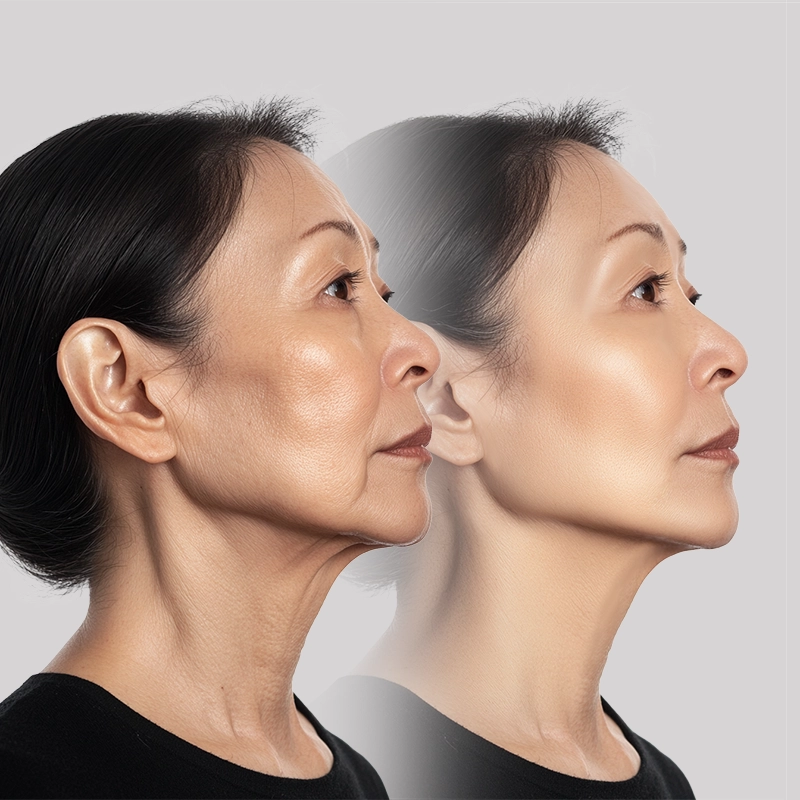
Once you have fully recovered and the early facelift side effects have settled, a few simple habits help protect and prolong the effects of a facelift:
- Skincare routine: Keep a consistent regimen of cleansing, moisturizing, and sun protection. Consider anti-aging products recommended by your surgeon or a dermatologist.
- Healthy lifestyle: Maintain a balanced diet, stay hydrated, and exercise regularly to support overall health and skin vitality.
- Sun protection: Always use a broad-spectrum sunscreen of at least SPF 30, and wear protective clothing and hats outdoors.
- Non-surgical treatments: Ask your surgeon about the benefits of non-invasive treatments like Botox or fillers to complement and maintain your result.
- Follow-up care: Continue periodic check-ups with your plastic surgeon to support long-lasting results and address any concerns over time.
Frequently Asked Questions About Facelift Side Effects
What are the most common facelift side effects?
Swelling and bruising are the most common facelift side effects. Swelling is the single most prevalent of all facelift side effects, peaking in the first days and largely settling within 1-6 weeks, with full resolution taking up to 6-12 months. Temporary numbness and mild discomfort are also typical and resolve on their own.
How long do facelift side effects last?
Most temporary side effects ease within a few weeks. Bruising typically fades in about 1-2 weeks, initial swelling in 1-6 weeks, and altered skin sensation usually within 3-6 months. The final result settles gradually over several months.
What is the most common serious complication of a facelift?
Hematoma, a collection of blood under the skin, is the most common serious complication. It is reported in roughly 1.5% of women and about 4% of men, usually within the first 24 hours after surgery. It is treatable, sometimes needing drainage, and good blood-pressure control lowers the risk.
How can I reduce my risk of facelift side effects?
Choose a board-certified surgeon, stop smoking at least four weeks before and after surgery, keep your blood pressure under control, follow all pre- and post-operative instructions, keep your head elevated, and attend every follow-up appointment.
By understanding the potential facelift side effects and taking proper precautions, you can greatly improve your chances of a safe and successful result. Most facelift side effects are temporary and respond well to good aftercare, while the rarer complications are uncommon and usually treatable when caught early. Every patient’s recovery is unique, so always follow your surgeon’s specific instructions and reach out with any concerns. For the full picture, from consultation to long-term results, see our Comprehensive Guide to Facelift Surgery: From Effects to Side Effects.
A facelift can be a rewarding procedure when it is performed by a skilled, board-certified surgeon and approached with careful preparation. If you are considering surgery and want a clear, honest discussion of the facelift side effects relevant to your own health, a thorough consultation with Dr. Lee Sung-wook can help you understand your options and decide whether a facelift is right for you.
※ This content is for informational purposes only and does not replace professional medical advice, diagnosis, or treatment. Individual results may vary, and side effects may occur. Please consult with a board-certified plastic surgeon for personalized advice.