EN
EN

Table of contents
Facelift complications are the medical problems that can follow facelift surgery, ranging from normal, self-limiting reactions such as swelling and bruising to more serious issues like a hematoma (a pocket of blood collecting under the skin) that needs prompt attention. In my practice, I tell patients that smoother outcomes come from understanding the difference early, so you know what is simply part of healing and what is a warning sign worth a phone call.
Facelift surgery is a popular cosmetic procedure that can rejuvenate your appearance and restore your confidence. Like any operation, though, it carries potential side effects. Knowing how to manage them is what turns an anxious recovery into a smooth one. In this guide, I will walk through the common facelift complications you may encounter, share practical advice on handling each one, and explain how to care for your results over the long term.
Many patients are also drawn to Korean face lift techniques, which favor minimally invasive approaches for natural-looking results. These methods can support faster recovery and help lower the risk of some of the more common facelift complications. Whichever route you choose, the priorities stay the same: recognize problems early, follow your surgeon’s instructions, and protect your well-being throughout healing.
Common Facelift Side Effects and Their Management
Most facelift complications you will meet in the first days are mild and expected. They look more dramatic than they are, and they settle on their own with simple care. Understanding this group first makes the whole recovery feel less frightening.
Swelling and Bruising
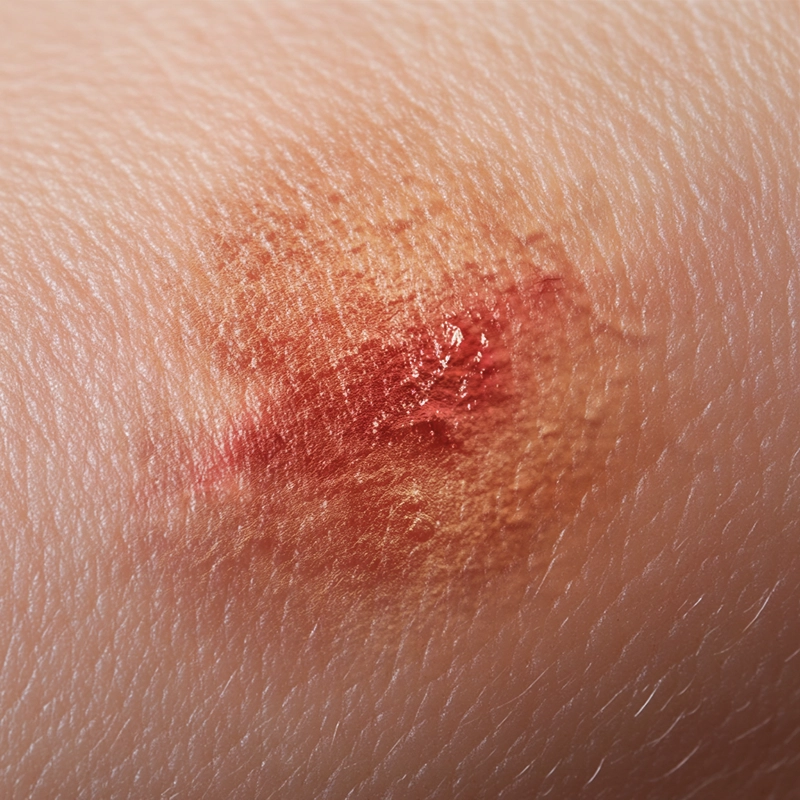
Swelling and bruising are normal after a facelift and typically peak within the first 48 to 72 hours. They can look alarming, but they are a natural part of healing rather than true facelift complications. To keep them under control:
- Apply cold compresses to the treated areas for the first 48 hours, in roughly 20-minute intervals
- Keep your head elevated at a 30 to 45 degree angle, even while sleeping, to reduce fluid buildup
- Avoid bending over or any strenuous activity that pushes more blood flow to the face
- Follow your surgeon’s guidance on medication and diet, especially avoiding blood-thinning foods and supplements
Most swelling subsides within two to three weeks, though some residual puffiness can linger for several months. Be patient with your body, because the final result may not be fully visible for 6 to 12 months. What I tell my patients is that healing is a marathon, not a sprint, and most facelift complications at this stage simply fade on their own.
Pain and Discomfort
Pain is one of the most predictable of the early facelift complications, yet it is usually far milder than people expect. Severe pain is uncommon after a facelift. Most people feel some discomfort, tightness, or a mild burning sensation instead, often described as a feeling of fullness more than sharp pain. Managing it well keeps you comfortable and helps you rest, which is when real healing happens. The goal is not to chase zero sensation but to keep you comfortable enough to move gently, sleep, and eat. To stay ahead of the discomfort:
- Take prescribed pain medication exactly as directed, usually for the first few days
- Switch to over-the-counter relievers such as acetaminophen once your surgeon approves
- Use cold compresses to calm inflammation and numb the area
- Rest and avoid unnecessary movement, particularly in the first week
- Try simple relaxation techniques like slow breathing to ease tension
Numbness and Tingling
Temporary numbness or an altered sensation across the face is common after a facelift because the small sensory nerves are gently disturbed during surgery. It can feel strange, but this is usually the most temporary of the facelift complications you will face. Good facelift recovery habits help your nerves settle. To cope with it:
- Be patient, as sensation usually returns gradually over several weeks to months
- Avoid applying heat to numb areas, since you may not feel a burn
- Gently massage the area only once your surgeon approves, which can encourage nerve recovery
- Report any numbness that worsens or comes with facial weakness right away
Dealing with More Serious Facelift Complications
Serious facelift complications are uncommon, but recognizing them early genuinely changes outcomes. Medical textbooks and surgical experience agree on one thing: the patients who recover most smoothly are the ones who know the warning signs and act on them quickly. The three below deserve your attention. None of them is common, and a careful surgeon works hard to prevent each one, but a few minutes of reading now can make you a calmer, better-prepared patient if anything does feel off during recovery.
Hematoma
A hematoma, meaning a collection of blood that gathers under the skin, is the most common of the serious facelift complications, reported in roughly 1 to 6 percent of cases. Surgical literature notes it tends to be less frequent in women, around 1.5 to 3 percent, and somewhat higher in men. The signs are usually one-sided: rapidly increasing swelling, a feeling of tightness or firmness, growing pain, or a darkening color on one side of the face.
Prevention starts before you ever reach the operating room. In my practice, and consistent with surgical texts, we reduce hematoma risk by stopping blood thinners and anti-clotting medicines about one to two weeks before surgery (only ever under your surgeon’s direction), keeping your blood pressure well controlled afterward, and managing any nausea or vomiting so the wound is not strained.
Treatment depends on size. A smaller hematoma caught early can often be handled gently at the bedside with light sedation, blood-pressure control, and careful drainage of the fluid. A larger one usually needs a return to the operating room so the surgeon can find the bleeding point and drain it properly. This is the situation where minutes matter, so do not wait it out at home.
One detail surprises many patients: a deeper hematoma is among the facelift complications that can appear later than expected. Forming below the platysma (the thin sheet of muscle in the neck), it sometimes shows up 10 to 14 days after surgery, and occasionally without any visible bruising on the surface. Because a deep neck hematoma can press on the airway, any sudden neck swelling, tightness, or trouble breathing is a true emergency. Call your surgeon or emergency services immediately.
You may notice small drains placed during surgery. These soft tubes quietly remove fluid that would otherwise collect under the skin, and they are usually taken out the morning after the operation. A gentle, supportive dressing or tape over the face and neck does similar work, encouraging the tissues to settle and helping the surgeon keep bleeding in check. None of this should feel mysterious, and your team will explain each step so you always know what is normal for your recovery.
Infection
Infection is one of the rarer facelift complications after this surgery, occurring in fewer than 1 percent of cases. The skin of the face and neck has a rich blood supply, which helps it resist infection and heal well. Still, watch for warning signs: increasing pain after the first few days, spreading redness, warmth around the incisions, or fever. If you suspect an infection:
- Contact your surgeon promptly for an evaluation
- Take any prescribed antibiotics fully, even once you feel better
- Keep the incisions clean and dry, following your wound-care instructions closely
- Check your temperature and report a fever to your surgeon
Facial Nerve Injury
Facial nerve injury is the one among facelift complications that patients worry about most, yet it is rare. The branches most often involved are the ones that move the lower lip and the forehead. When it does happen, the effect is usually temporary weakness rather than a permanent problem, and most cases recover over weeks to months as the nerve settles. If you notice asymmetry or weakness on one side:
- Tell your surgeon promptly so they can examine you carefully
- Follow their plan, which may include time, gentle therapy, or medication
- Stay patient, since most temporary nerve weakness resolves over several months
- Ask about seeing a facial nerve specialist if your surgeon recommends it
Scar Management
Scarring is not really one of the facelift complications, but how you care for incisions strongly shapes the final look. A skilled surgeon hides facelift incisions in the natural creases around the ears and within the hairline, so with good aftercare they usually fade to thin, discreet lines. To get the best result:
- Follow your wound-care instructions closely, keeping incisions clean and dry
- Protect the incisions from sun for at least 12 months, using a high-SPF sunscreen outdoors
- Consider scar management options like silicone sheets or gels once your surgeon approves
- Massage the scar lines gently, when cleared, to help soften the tissue
- Be patient, as scar maturation can take up to 18 months
A word about timing: fresh scars often look their worst somewhere between the first and third month, when they can appear pink, firm, or slightly raised. This is normal and almost always temporary. Over the following year, healthy scars soften, flatten, and fade toward your natural skin tone. Sun is the main enemy of a good scar, because ultraviolet light can darken healing skin, which is exactly why diligent sunscreen and shade matter so much during that first year.
When to Seek Immediate Medical Attention
Most of what you feel after surgery is normal, but a few symptoms call for a phone call without delay. Knowing when to call your surgeon is the single most useful skill in handling facelift complications. For a fuller list of warning signs, our guide to facelift side effects is a helpful reference. Contact your surgeon or seek emergency care if you notice:
- Severe, uncontrolled pain that prescribed medication does not ease
- Rapidly increasing swelling or firmness on one side of the face or neck
- Excessive bleeding or oozing from the incisions
- Signs of infection such as fever, spreading redness, warmth, or pus-like drainage
- Sudden facial asymmetry or an inability to move part of your face
- Difficulty breathing, neck tightness, or chest pain
- Calf pain or swelling, which can signal a blood clot
None of this should make you anxious about surgery. The point is simply that early action keeps most facelift complications small and manageable. When in doubt, call. No good surgeon will ever mind hearing from you.
Preventing Facelift Complications: Preparation Tips

The most effective way to deal with facelift complications is to lower the odds of facing them at all. Much of that happens before surgery. In my experience, well-prepared patients recover faster and worry less. To set yourself up for a smooth recovery:
- Choose a board-certified plastic surgeon with real, focused experience in facelifts
- Share your full medical history and complete every recommended pre-operative test
- Follow pre-operative instructions on medication and fasting exactly
- Stop smoking at least 4 to 6 weeks before surgery and avoid alcohol around the procedure
- Disclose all medications and supplements, since some quietly raise bleeding risk
- Prepare your recovery space ahead of time with cold packs, gauze, supportive pillows, and easy meals
Smoking deserves a special mention. Nicotine narrows the small blood vessels that feed healing skin, and that reduced blood flow is one of the clearest links to slower healing and a higher chance of certain facelift complications around the incisions. Pausing it well before and after surgery is one of the most powerful steps you can take.
Long-term Care and Maintenance
Once you are past the early healing phase and the window for most facelift complications has closed, attention shifts to protecting your result. A facelift turns back the clock, but it does not stop it, so a little ongoing care goes a long way. Think of it as maintenance for an investment you have already made in yourself. The day-to-day habits below do far more for your long-term appearance than any single procedure. To keep your result looking fresh and natural:
- Follow a steady skincare routine recommended by your surgeon or a dermatologist
- Protect your skin daily with a broad-spectrum SPF 30 or higher sunscreen
- Maintain a healthy lifestyle with good nutrition, hydration, and regular exercise
- Consider non-surgical treatments for touch-ups when your surgeon advises, such as Botox for dynamic wrinkles, dermal fillers for volume, or laser treatments for texture
- Attend all follow-up appointments so your surgeon can track your healing
Emotional and Psychological Aspects of Recovery
Recovery is not only physical. It is completely normal to feel emotional ups and downs during healing, especially in the swollen, bruised early days when you do not yet look like yourself. The emotional side can be harder than the physical facelift complications, yet it deserves the same attention. This is the quieter side of recovery no one warns you about, and it passes. To take care of your mind as well as your face:
- Set realistic expectations for your timeline and your result
- Talk openly with the people supporting you about how you feel
- Practice gentle self-care and patience as the swelling fades
- Reach out for professional help if low mood or anxiety lingers
By understanding the possible facelift complications and knowing how to respond, you can move through your recovery with real confidence. Open communication with your surgeon is the thread that ties it all together. Every patient heals a little differently, so never hesitate to ask questions or raise a concern along the way. If you are weighing a facelift and want a clear, honest assessment, I always encourage a consultation with a board-certified plastic surgeon who can review your case in person.
For more on facelift procedures and recovery, the American Society of Plastic Surgeons is a trustworthy resource, alongside a consultation with a qualified surgeon in your area.
Frequently Asked Questions
How long do facelift side effects last?
Swelling and bruising peak at 48 to 72 hours and mostly settle within two to three weeks. Most facelift complications in this early window are mild and temporary. Some residual swelling and numbness can linger for several months, and the final result usually becomes clear around 6 to 12 months after surgery.
When should I call my surgeon after a facelift?
Call right away for rapidly increasing swelling or firmness on one side (a possible hematoma), fever or spreading redness (a possible infection), sudden facial weakness or asymmetry, severe uncontrolled pain, or any trouble breathing. With facelift complications, acting early almost always leads to a simpler fix.
What is the most common complication after a facelift?
Hematoma, a collection of blood under the skin, is the most common of the serious facelift complications, reported in roughly 1 to 6 percent of cases and somewhat more often in men. Catching it early and keeping blood pressure controlled are the keys to managing it well.
How can I reduce the risk of facelift complications?
Choose a board-certified surgeon, stop blood thinners 1 to 2 weeks before surgery (only as your surgeon directs), keep your blood pressure controlled afterward, avoid smoking for 4 to 6 weeks, and follow every wound-care instruction. These steps remove much of the avoidable risk.
Written and reviewed by Dr. Lee Sung-wook, board-certified plastic surgeon, MINE Plastic Surgery.
※ This content is for informational purposes only and does not replace professional medical advice, diagnosis, or treatment. Individual results may vary, and side effects may occur. Please consult with a board-certified plastic surgeon for personalized advice.