EN
EN

Breast augmentation cost in Korea is not a fixed price but the sum of several components — the implant and its warranty, the surgical method, the surgeon, the anesthesia system, operating-room infection control and follow-up care — which is why quotes from different Seoul clinics can differ widely.
If you have been emailing clinics in Seoul and collecting quotes, you have probably noticed this already. Three clinics, three very different numbers, all for something called “breast augmentation.” It is natural to wonder whether the lower quote is missing something, or whether the higher one is simply charging more for the same operation.
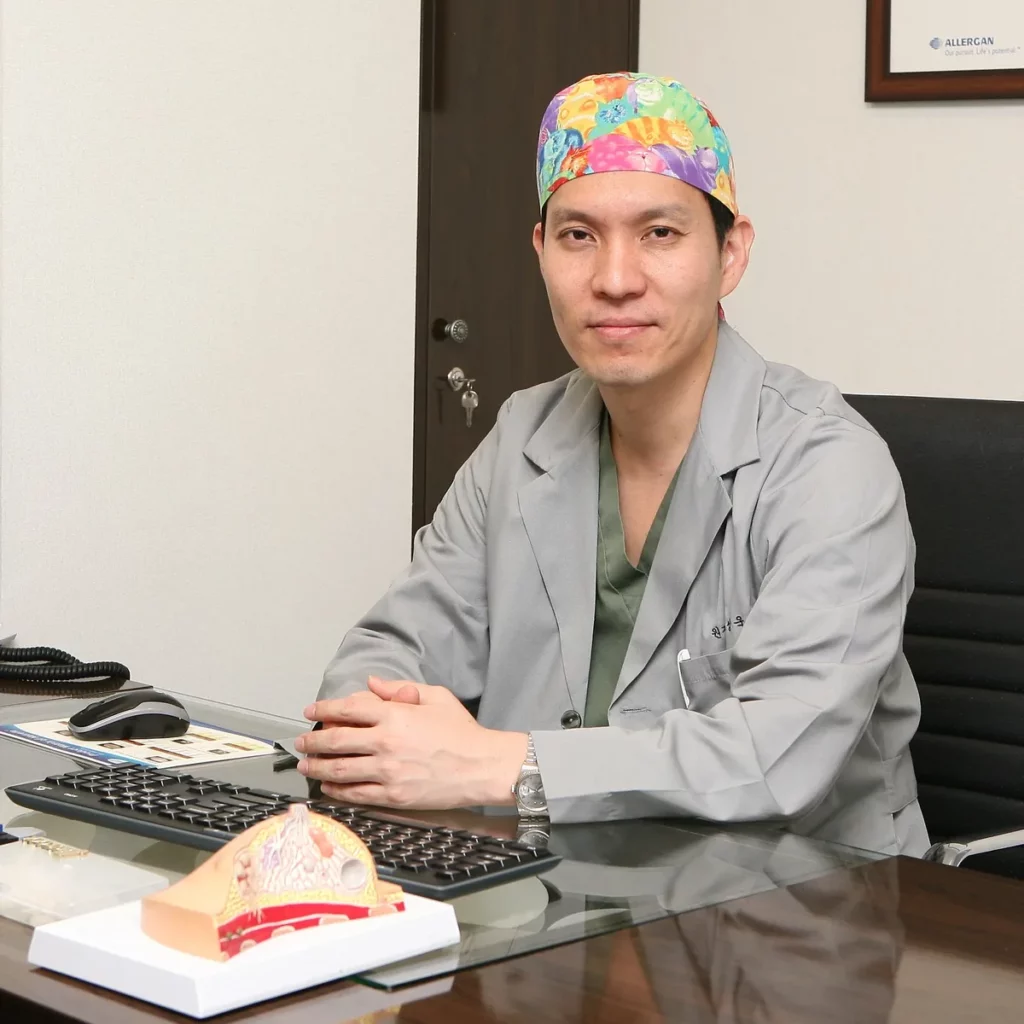
I am Dr. Lee Sung-wook, a board-certified plastic surgeon and the director of MINE Plastic Surgery in Gangnam. Cost is one of the questions I hear most often from international patients, and my answer is always the same: the difference has a structure. In this article I will not quote you a price. Instead, I will walk you through what actually sits inside a breast augmentation quote, so you can compare offers on what they include rather than on the total alone.
A note on scope: general costs of a surgery trip to Seoul are covered in our Korean plastic surgery guide, and the pros and cons of each technique are laid out in breast augmentation methods compared. You can also browse all breast surgery articles. This article only dissects the quote itself.
- What a Breast Augmentation Quote in Korea Actually Covers
- Who This Applies To: Why Your Own Anatomy Changes the Quote
- Breast Augmentation Cost in Korea: 7 Factors That Make Quotes Differ
- From Consultation to Flight Home: What Your Total Trip Cost Includes
- Recovery Timeline and How Long to Stay in Seoul
- Risks and Red Flags: When a Low Quote Leaves Something Out
- Frequently Asked Questions About Breast Augmentation Cost in Korea
- Get an Itemized Quote Based on Your Own Assessment
What a Breast Augmentation Quote in Korea Actually Covers
Breast augmentation is not a single product that every clinic sells in the same box. It is a set of decisions: which implant, which incision, which layer of tissue the implant sits in, who performs the operation, how you are put to sleep and monitored, how the operating room is run, and how long the clinic stays responsible for you afterward.
One Name, Dozens of Different Operations
Change any one of those decisions and you have, in practical terms, a different operation. A smooth implant placed over the muscle through a breast-fold incision under light sedation is a very different undertaking from a textured implant placed in a dual plane (partly under the chest muscle) under general anesthesia with an anesthesiologist at the bedside.
Both can be called breast augmentation. Both can appear on a clinic’s price list under the same heading. That is the main reason quotes that look comparable on paper often are not comparable at all.
A Quote Is a List of Components, Not a Price Tag
In my clinical experience, a meaningful number of the patients who come to us for revision surgery originally chose their clinic on price alone. Many of them did not know what their first quote had included, or what it had left out. Understanding the structure of a quote before you sign is, in the long run, usually the more economical choice.
Dr. Lee’s key point: A breast augmentation quote is an itemized list, not a price tag. Compare what is included, not only the total.
Who This Applies To: Why Your Own Anatomy Changes the Quote
Even at the same clinic, two patients asking for “the same” surgery can receive different plans. The scope of the operation depends on your own body: how thick your breast tissue and skin are, how elastic the skin is, whether the chest wall is asymmetric, and how much the breast has descended.
Primary Augmentation vs. Revision
A first-time augmentation and a revision are not the same job. Revision may involve removing a hardened scar capsule, exchanging an implant, or repairing a pocket that has stretched. Plastic surgery textbooks note that treating an established capsule is more challenging than preventing one in the first place, so revision usually demands more of the surgeon and takes longer in the operating room.
When a Lift or Fat Transfer Enters the Plan
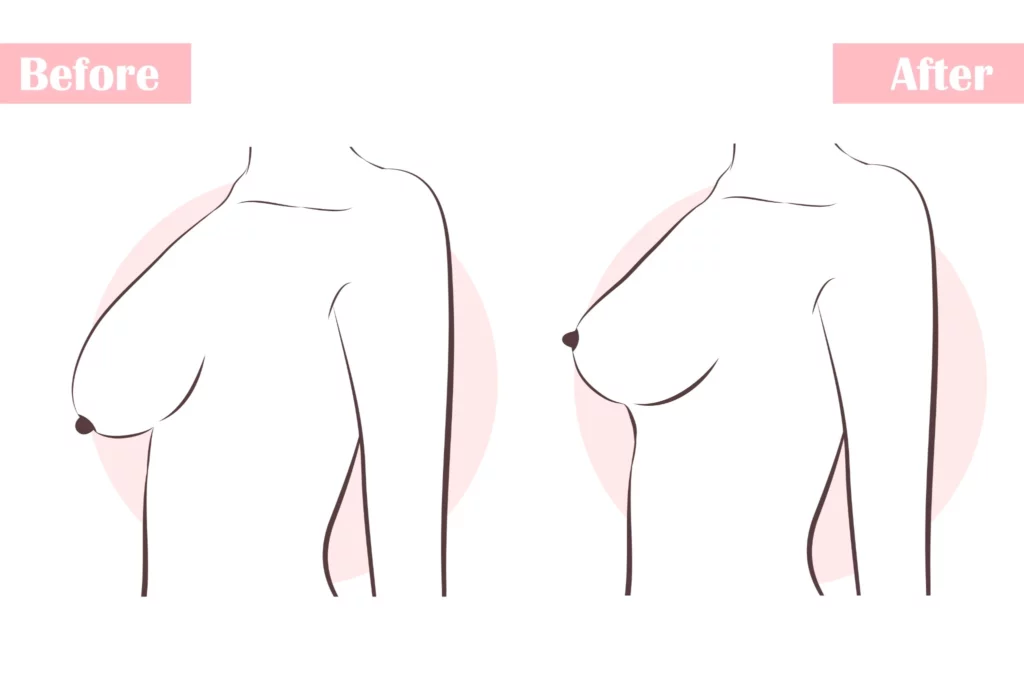
After pregnancy and breastfeeding, the breast often loses volume and also sags. Placing an implant alone in a breast that has descended can look unnatural, so a lift may need to be combined with augmentation. Some patients are better suited to fat transfer, or to a combination. Each of these changes the scope of the quote.
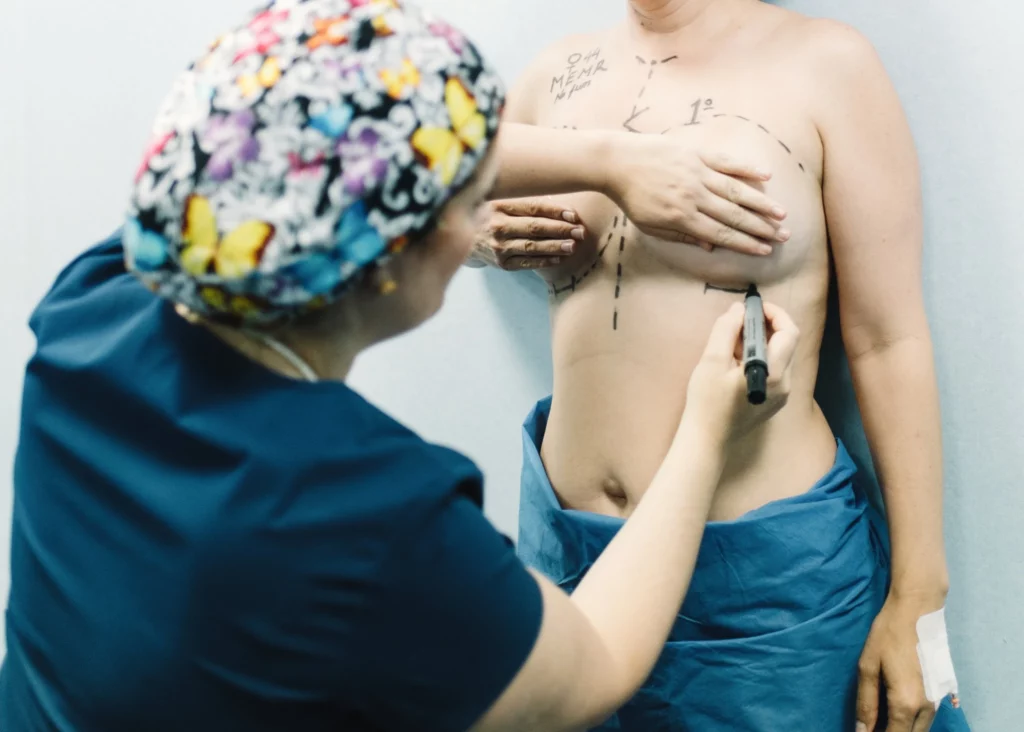
An online “average” cannot know any of these variables. Only an examination — in person, or as a first step from photos and measurements — can tell you which operation you actually need.
Breast Augmentation Cost in Korea: 7 Factors That Make Quotes Differ
When I explain breast augmentation cost in Korea to international patients, I break it into the seven factors below. If you use them as a checklist while comparing clinics, you move from comparing numbers to comparing value.
1. Implant Type, Manufacturer and Warranty (Breast Implant Cost)
The implant itself is often the single largest variable. Breast implant cost differs by shell surface (smooth or textured), the type of silicone gel inside, the manufacturer, and whether the manufacturer’s warranty covers rupture or capsular contracture. Plastic surgery textbooks describe implant selection as a balance the surgeon strikes between safety data, the patient’s measurements, cost and surgical technique — not a matter of picking the most expensive device.
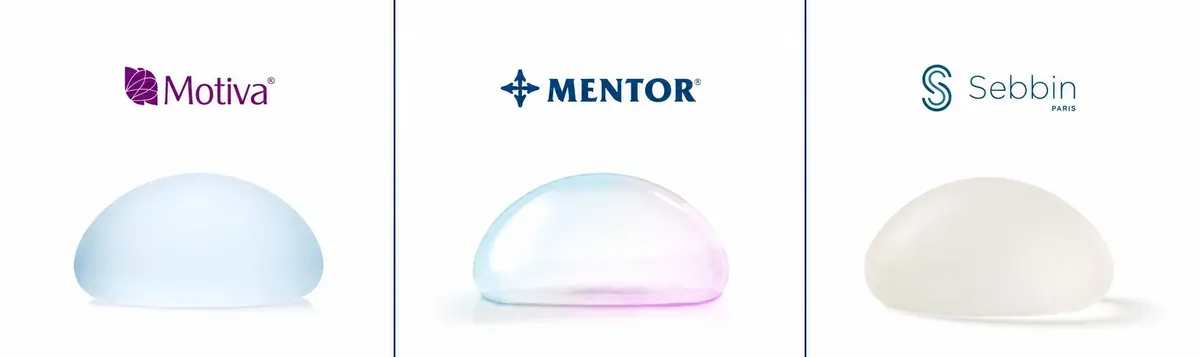
Two questions are worth asking: which specific implant is included in the quote, and will you receive the manufacturer’s warranty card in your own name? A quote that names only “silicone implant” does not tell you enough to compare.
2. Incision Site and Pocket Plane
Plastic surgery textbooks describe four classic incisions for breast augmentation: under the breast in the fold (inframammary), around the edge of the areola (periareolar), in the armpit (transaxillary) and, rarely, through the navel. The implant can then sit over the muscle, under it, or in a dual plane, where the upper part is covered by the chest muscle and the lower part sits under the breast tissue.
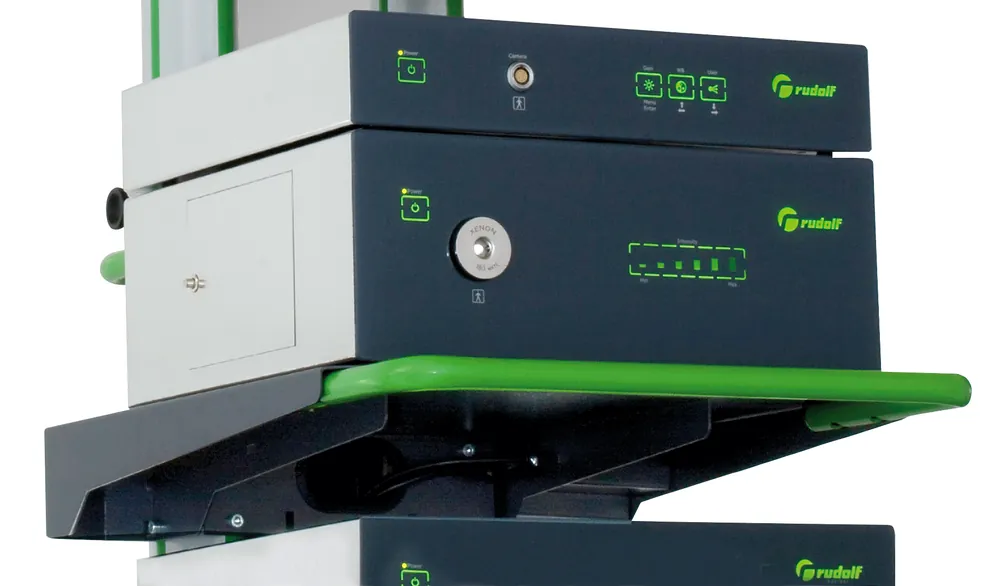
A dual-plane pocket gives a smooth upper line for many body types, but it requires precise dissection, and precision takes operating time. Correcting asymmetry adds more. For a detailed pros-and-cons comparison of each option, see breast augmentation methods compared; at MINE, the pocket can be created under direct endoscopic camera view, as described on our page about endoscopic breast augmentation at MINE.
3. Implants vs. Your Own Fat
Fat transfer is not a cheaper or pricier version of implant surgery; it is a different approach. Fat is harvested by liposuction, purified, and then injected in small amounts. Those extra steps take their own time and technique, while an implant carries the cost of the device. The right question is which method suits your body and goals, and only then what that method costs.
4. Who Actually Operates: Surgeon Experience and Ghost Surgery
Breast augmentation works around blood vessels, nerves and layers of muscle and fascia. Whether a board-certified plastic surgeon performs your operation personally, from the first incision to the last stitch, is one of the most important factors in both safety and outcome.
“Ghost surgery” is the term for a case in which the surgeon you met at consultation is not the person who actually operates. You do not need to accuse anyone to protect yourself. Simply ask: “Will the surgeon I am meeting today perform the entire operation?” A clear answer is part of what you are paying for.
5. Anesthesia Type and a Dedicated Anesthesiologist
Breast augmentation may be done under deep sedation or general anesthesia, depending on the plan. What matters just as much is who is watching you while you sleep. A dedicated anesthesiologist who stays in the room for the whole operation, monitoring heart rate, blood pressure, breathing and oxygen levels, is a real cost to the clinic.
I tell every patient the same thing: this is never the line to cut.
6. Operating Room Standards and Infection Control
With any implant, infection is the complication surgeons guard against most closely, because bacteria around an implant are hard to clear. Breast surgery textbooks link bacterial contamination and bleeding around the implant (hematoma) to a higher risk of capsular contracture — the scar capsule around the implant tightening and hardening.
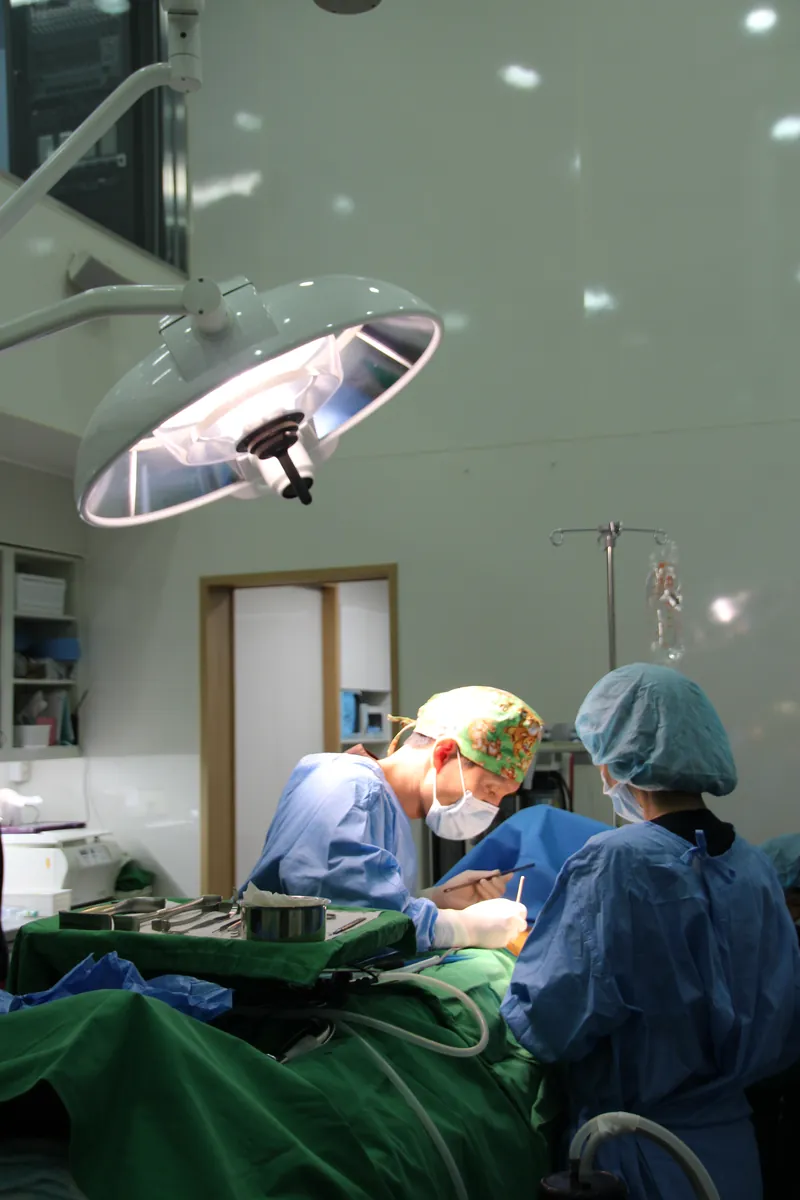
The same textbooks describe prevention as multimodal: gentle, precise and nearly bloodless pocket dissection, antibiotic irrigation of the pocket, and keeping the number of contamination points to a minimum. A 6-year prospective clinical study (Adams et al., 2006) reported that rinsing the implant pocket with a triple-antibiotic solution was associated with lower capsular contracture rates. Breast surgery textbooks now summarize these habits in a 14-point plan intended for routine use in every implant case.
None of this is free. Sterile single-use kits, clean-room-grade operating-room standards and the extra minutes that careful dissection takes are all part of the cost structure — and they are exactly the items a low quote may quietly trim.
7. The Post-Op Follow-Up System
I think of the end of surgery as the real beginning. With breast augmentation, how recovery is monitored matters almost as much as the operation itself. At MINE, the medical team sees you at scheduled check-ups after surgery to confirm that healing is on track, and international patients can keep in touch after flying home. You can read how this works in MINE’s aftercare program.
Whether a clinic runs a structured follow-up system, and for how long, is another reason quotes differ.
Dr. Lee’s key point: Of these seven factors, the implant, the surgeon, the anesthesia and infection control are non-negotiable for safety. If a low quote saves money on any of them, ask what was left out.
From Consultation to Flight Home: What Your Total Trip Cost Includes
For an international patient, breast augmentation cost in Korea is only part of the total. The easiest way to see everything is to follow the steps of your trip in order: consultation and measurements, pre-operative tests, surgery day, discharge (or an overnight stay if advised), follow-up visits, and a final check that you are fit to fly.
Many international patients are comparing a Korean quote with one from home, such as the US or the UK, and the two are rarely like for like. Average fees published by US plastic surgery societies, for example, usually cover the surgeon’s fee alone and exclude anesthesia, operating-room facilities and other related expenses, while a Korean quote may bundle some of these items or list them separately. On the other side of the ledger, flights, accommodation and the nights you need in Seoul for follow-up belong to the Korean total. A fair comparison therefore puts the two quotes side by side line by line, using the table below, rather than comparing one headline figure with another.
Line Items to Check in a Written Quote
Use the table below when you compare written quotes. For each line, the question is the same: is it included, or charged separately?
| Line item | What to ask |
|---|---|
| Surgery fee | Included or separate? Does it cover the surgeon for the entire operation? |
| Implant and warranty | Which manufacturer and model? Is the warranty card issued in your name? |
| Anesthesia and anesthesiologist | Included or separate? Is an anesthesiologist present throughout? |
| Pre-operative tests | Are bloodwork and any imaging you need included or separate? |
| Admission or overnight stay | If an overnight stay is advised, is it included or separate? |
| Compression garments and medication | Included or separate? |
| Follow-up visits and stitch check | How many visits are included, and over what period? |
| Revision policy | What happens, and who pays, if a revision is needed? |
| Length of stay in Seoul | How many nights does the follow-up schedule require? |
Costs That Sit Outside the Surgery Fee
Flights, accommodation, local transport and a companion’s travel sit outside any clinic’s quote, but they are part of your budget. For general advice on planning the travel side of a surgery trip, see our Korean plastic surgery guide.
The number of nights you need depends on the follow-up schedule your surgeon sets, which is why the recovery section below matters for your budget as well as your health. After your assessment, MINE provides an itemized written quote so you can see each of these lines for yourself.
Recovery Timeline and How Long to Stay in Seoul
Recovery affects both your well-being and your trip length, so it belongs in any honest conversation about cost. The timings below are typical, and individual variation is large.
What to Expect Week by Week
| What you may notice | Typical course | What it means |
|---|---|---|
| Bruising and swelling | About 1–2 weeks | The most common reaction; it settles gradually. |
| Pain and tightness | Days to weeks | Managed with prescribed pain relief and rest. |
| Changes in sensation | Usually temporary | Most sensation returns over time. |
Bruising and swelling usually settle over about 1–2 weeks. Most patients return to activity in stages:
- Daily activities: within a few days
- Light activity: after 1–2 weeks
- Chest exercise or heavy lifting: after about 4–6 weeks
Avoid smoking and alcohol for at least 2 weeks after surgery, as both slow healing. Take prescribed medication as directed, keep every scheduled check-up, and hold off on strenuous upper-body exercise until the medical team tells you it is safe.
Planning Your Return Flight
Your return-flight date is a medical decision, not a booking decision. It should be confirmed by your surgeon at a follow-up visit, once the incisions and early swelling have been checked. When you plan your trip, leave some flexibility rather than booking the earliest possible flight.
Risks and Red Flags: When a Low Quote Leaves Something Out
Every surgery carries risk, and explaining that risk honestly is where trust begins. Patient information from the American Society of Plastic Surgeons (ASPS) also emphasizes discussing the risks of breast augmentation in full before surgery.
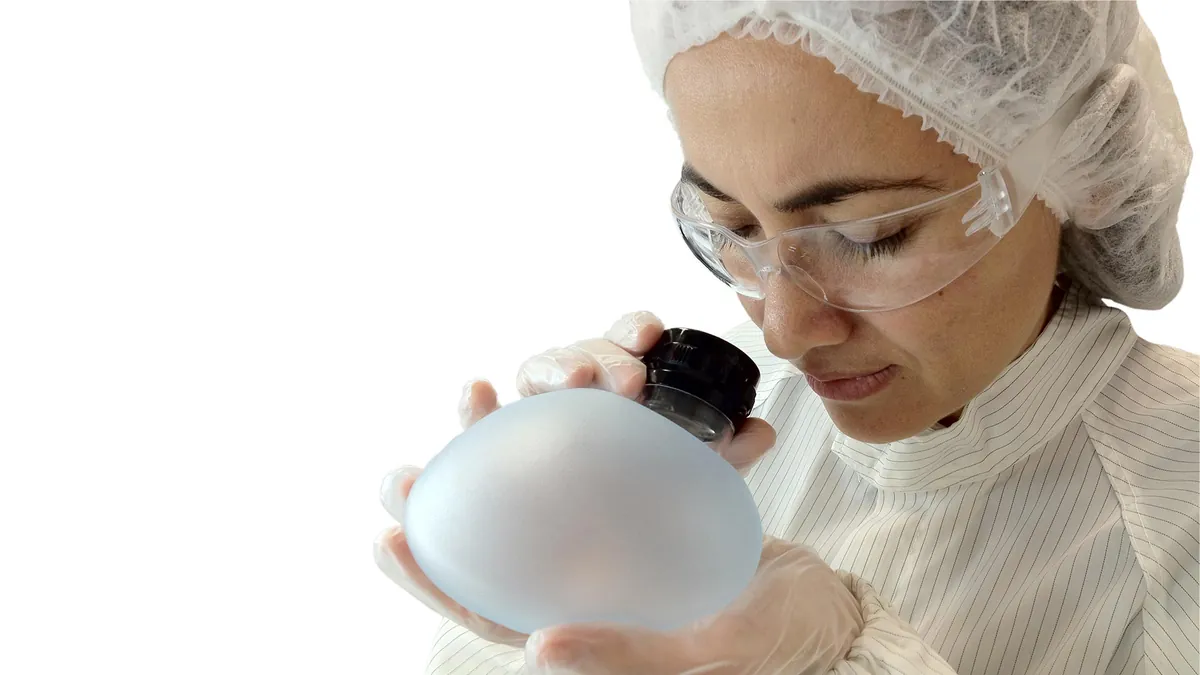
Image: Establishment Labs (Motiva)
Complications Every Patient Should Know
Uncommon but important complications include capsular contracture, infection, bleeding or hematoma, and implant malposition or asymmetry. Of these, capsular contracture is the most common after implant-based augmentation and, according to plastic surgery textbooks, the leading reason for revision surgery. That single fact explains why cutting corners on infection control is false economy: a saving at the first operation can become a second operation later. For symptoms, grading and prevention in detail, read capsular contracture symptoms and prevention.
Questions to Ask Before You Sign
Before comparing numbers, I ask patients to check four things:
- Is the surgeon a board-certified plastic surgeon, and will they perform the entire operation personally?
- Is an anesthesiologist present throughout, and what is the clinic’s emergency response system?
- Exactly what does the quote include — implant, anesthesia and aftercare?
- Will you receive the implant manufacturer’s warranty card?
One common misunderstanding is that the most expensive clinic must be the safest. It is not that simple. The real question is whether the money in your quote is being spent on your safety and your result, and a good clinic will show you where it goes.
Dr. Lee’s key point: Don’t ask “How much?” Ask “What is included for that amount?” A trustworthy clinic answers that question openly.
Frequently Asked Questions About Breast Augmentation Cost in Korea
How much is breast augmentation in Korea?
There is no single figure that applies to everyone. Breast augmentation cost in Korea depends on the implant and its warranty, the method, the anesthesia system, the aftercare included and your own anatomy. The reliable way to know is to request an itemized written quote after an assessment.
Why do breast augmentation quotes differ so much between Korean clinics?
Because each clinic combines the 7 factors differently: implant, incision and pocket, fat or implant, surgeon, anesthesia, infection control and follow-up. Two quotes with the same name can describe different operations, so compare the components rather than the totals.
Is a cheap breast augmentation in Korea safe?
A lower price is not a problem in itself. What matters is how the price was reached. If the implant, the anesthesiologist, infection control or aftercare were reduced or removed to get there, that saving comes out of your safety margin.
Does fat transfer cost more or less than implants?
The two are hard to compare directly because they are different approaches. Fat transfer adds harvesting and purification steps, while implant surgery carries the cost of the device. Decide which method suits your body and goals first; the comparison of methods is covered in the guide linked above.
How long should I stay in Korea after breast augmentation?
It depends on the follow-up schedule your surgeon sets. Most patients resume daily activities within a few days, light activity after 1–2 weeks and chest exercise after about 4–6 weeks. Your flight date should be confirmed at a follow-up visit.
Does breast revision surgery cost more than a first augmentation?
Often the operation is more demanding. The scope depends on whether a capsule has formed, whether the implant needs exchanging and the condition of the tissue. Plastic surgery textbooks note that treating an established capsule is harder than preventing one, which is why revision planning takes more care.
Get an Itemized Quote Based on Your Own Assessment
The differences in breast augmentation cost in Korea are not random. The implant, the method, the surgeon, the anesthesia, infection control and aftercare each shape the result, and together they shape the quote. That is why I always ask patients to look at what is inside a quote before they look at the total.
Everyone’s tissue, skin elasticity and goals are different, so an accurate plan — and an accurate quote — can only come from an assessment. For international patients, that can begin with a preliminary review of photos and measurements, followed by an in-person consultation in Seoul.
If you are considering breast augmentation in Korea, send us your questions through our online consultation form, or reach our international coordinators on WhatsApp or by email. You can also call us at +82-2-516-1175. We will take the time to go through your options with you and provide an itemized written quote after your assessment.
Written and medically reviewed by Dr. Lee Sung-wook, board-certified plastic surgeon (Korean Board of Plastic Surgery), MINE Plastic Surgery & Dermatology, Seoul. Published October 1, 2026. Last reviewed October 1, 2026.
※ This content is for informational purposes only and does not replace professional medical advice, diagnosis, or treatment. Individual results may vary, and side effects may occur. Please consult with a board-certified plastic surgeon for personalized advice.