EN
EN

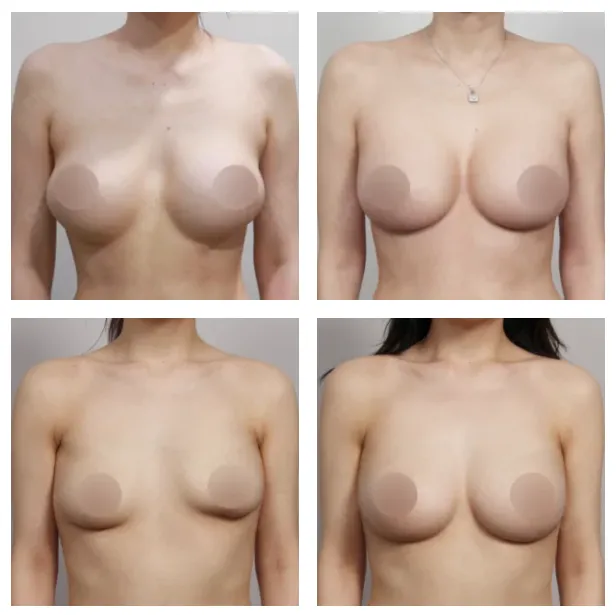
Quick answer: Capsular contracture is when the scar capsule that naturally forms around a breast implant tightens and hardens, which can make the breast feel firm, look distorted, or become uncomfortable. Surgeons grade its severity from Baker I to IV. The risk can be lowered with careful surgical technique and good aftercare, and effective treatments exist if it does develop.
Table of contents
Capsular contracture is the hardening of the scar-tissue “capsule” that your body forms around a breast implant, and it is widely recognized in plastic surgery textbooks as one of the most common complications after breast augmentation surgery and the leading reason patients return for revision. If you are noticing breast firmness, a change in implant shape, or new discomfort after your augmentation, this guide will help you understand what may be happening and what your options are.
Below you will find everything you need to know in plain language, from how the condition forms and how to recognize the early signs, to evidence-based prevention strategies and the treatments available today.
Medical disclaimer: This article is for general educational purposes only and is not a substitute for professional medical advice, diagnosis, or treatment. Outcomes, risks, and the right treatment vary from person to person. Always consult a qualified, board-certified plastic surgeon about your individual situation.
What Is Capsular Contracture?
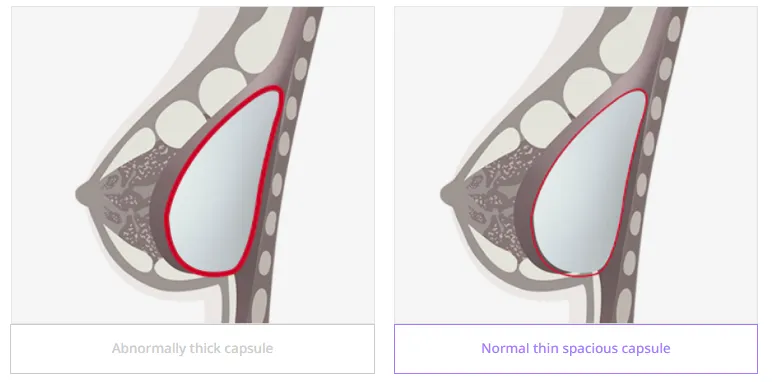
Whenever an implant is placed in the body, the body responds by building a thin layer of scar tissue around it. This layer, called a capsule, is completely normal and usually helps hold the implant gently in place. Capsular contracture happens when that capsule becomes abnormally thick and tight and begins to squeeze the implant.
Plastic surgery references describe this as an exaggerated version of the body’s natural healing response. As the capsule contracts, the breast can feel firmer than expected, and in more advanced cases it may take on a rounder or higher shape and become painful. The phenotype varies widely between patients, but breasts affected by contracture often become more spherical, and the implant can ride upward on the chest.
Timing is unpredictable. Contracture can appear within the first few months or only after several years, which is why long-term awareness matters for anyone living with implants. The severity is described using the Baker grading system, a four-point scale that ranges from a soft, natural-feeling breast (Grade I) to a hard, painful, and visibly distorted breast (Grade IV).
Why Does Capsular Contracture Occur? – Causes and Risk Factors
The exact cause is still not fully understood. Surgical references describe it as multifactorial, most likely driven by an overactive inflammatory response in the space around the implant. Several contributing factors have been identified through repeated clinical observation.
Primary Causes of Capsular Contracture
Bacterial biofilm (subclinical infection). One of the most widely supported theories is that very small numbers of bacteria settle on the implant surface and form a thin film called a biofilm. This can drive low-grade, ongoing inflammation that gradually thickens the capsule. The strength of this idea is reflected in how often surgical factors that reduce contamination are linked to lower contracture rates.
An individual inflammatory response. Some people simply mount a stronger reaction to the implant as a foreign object. This heightened response can push the capsule to thicken and tighten more than usual.
Bleeding and surgical trauma. A collection of blood around the implant (a hematoma) after surgery is thought to feed inflammation and may raise the risk, which is one reason surgeons work carefully to control bleeding during the procedure.
Key Risk Factors
Several factors can raise your likelihood of developing the condition:
Implant-related factors:
- Implant placement: positioning the implant beneath the chest muscle (submuscular) is generally associated with a lower risk than placing it above the muscle (subglandular)
- Implant surface and type: surface texture and fill type can influence how firm a breast feels and may affect contracture rates; your surgeon can explain the current evidence for your specific options
- Bacterial exposure during placement: anything that increases contamination of the implant pocket can raise risk
Patient-related factors:
- Smoking: impairs blood flow and tissue healing
- Previous radiation therapy: radiation to the breast is well documented to increase capsule firmness, particularly after reconstruction
- A prior history of contracture: a previous episode raises the chance of it happening again
- Post-surgical infection: any infection around the implant can sharply increase the risk
Other implant problems can show up alongside or be mistaken for a tightening capsule. If you are researching your symptoms, it can help to also read about breast implant rupture and implant malposition, since these can cause overlapping changes in shape or comfort.
How Do You Recognize Capsular Contracture? Understanding Symptoms and Baker Grades
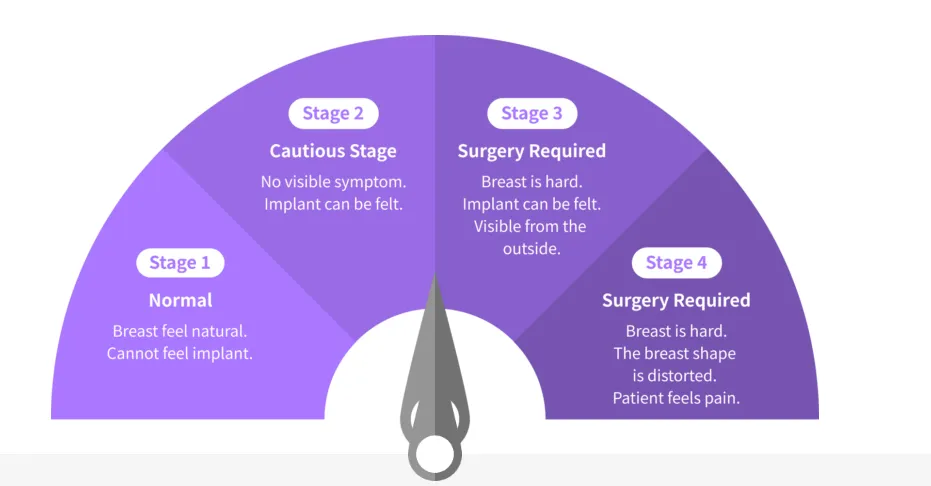
Recognizing the condition early gives you the most treatment options. Surgeons describe severity using the Baker classification, a standard four-grade scale first defined in 1977 and later refined for reconstruction cases. It gives both you and your surgeon a shared language for how firm and how distorted the breast has become.
The Baker Grading System Explained
Baker Grade I – Normal
- The breast feels soft and natural
- No visible distortion or asymmetry
- The implant is not noticeable by touch
- This is the ideal result after augmentation
Baker Grade II – Minimal Contracture
- The breast feels slightly firm but looks normal, with no visible distortion
- The implant may be slightly palpable but is not visible
- Most patients feel no real discomfort
- Generally considered an acceptable result
Baker Grade III – Moderate Contracture
- The breast is firm to the touch and starts to look abnormal, with visible shape changes
- It may appear overly round, elevated, or asymmetric
- The implant is easily felt through the skin
- Surgical treatment is usually considered at this stage
Baker Grade IV – Severe Contracture
- The breast is hard, painful, and clearly distorted
- Discomfort or pain is present with daily activities
- There is marked asymmetry and an unnatural appearance
- Medical evaluation and treatment are recommended
Early Warning Signs to Watch For
Watch for these changes, which may signal that a capsule is tightening:
Physical changes:
- Progressive breast firmness or hardening
- Changes in breast shape or position
- New asymmetry between the breasts
- Visible rippling or wrinkling of the skin
- The implant appearing to sit too high on the chest
Sensory symptoms:
- Persistent tightness, pulling, or pain
- Increased sensitivity or numbness
- Discomfort when lying on your stomach
- A reduced range of motion on the affected side
When to seek medical attention. Contact your plastic surgeon if you notice any unexpected change in your breasts, especially if it comes on suddenly or with pain. Early evaluation can prevent progression to more severe grades and may allow more conservative treatment.
How Can You Prevent Capsular Contracture?
No method guarantees complete prevention, but the medical literature points to three consistent goals: reducing bacterial contamination, minimizing tissue trauma, and controlling bleeding during surgery. The strategies below all support those goals.
Pre-Surgical Prevention Strategies
Choosing the right surgeon. Selecting a board-certified plastic surgeon with substantial breast augmentation experience is your single most important safeguard. Experienced surgeons use meticulous sterile technique and proven protocols that help keep complication rates low.
Thoughtful implant selection and placement.
- Placement under the muscle: submuscular positioning is generally linked to a lower lifetime risk than over-muscle placement
- Implant choice: discuss the surface and fill options with your surgeon, since these can affect how firm the breast feels
- Appropriate sizing: matching the implant to your own tissue avoids unnecessary stress on the surrounding breast
Pre-operative preparation.
- Stop smoking: ideally for several weeks before and after surgery
- Optimize your general health: address any underlying medical conditions first
- Understand your personal risk: review your individual risk factors with your surgeon
Post-Surgical Prevention Techniques
Sterile surgical protocols. Prevention begins in the operating room. Techniques aimed at limiting bacterial contact with the implant, such as no-touch insertion methods and careful pocket preparation, are central to lowering risk.

Proper post-operative care.
- Support garments: wear the prescribed surgical bra for the recommended time
- Finish your antibiotics: complete the full course exactly as prescribed
- Respect activity limits: follow your surgeon’s guidance on physical activity
- Care for your incisions: proper wound care helps prevent infection
Breast Implant Massage Techniques
Gentle massage during healing may help keep the capsule supple for some patients, though it should only be done with your surgeon’s approval and guidance, and is typically started a few weeks after surgery. Whether massage is appropriate depends on your implant type and technique, so never begin on your own.
Basic guidelines (only if your surgeon approves):
- Timing: begin only when your surgeon clears you
- Technique: use the gentle motions your surgeon demonstrates, never force
- Consistency: continue for as long as your surgeon directs
Important precautions:
- Never massage without surgeon approval
- Stop immediately if you feel severe pain
- Use clean hands and gentle pressure only
- Report any unusual changes to your surgeon
Lifestyle Factors for Prevention
Support your overall health.
- Eat well: a balanced diet supports healing
- Stay hydrated: good hydration helps tissue recovery
- Avoid smoking and excess alcohol: both impair healing and raise complication risk
- Move gently: light activity once cleared promotes healthy circulation
Long-term monitoring.
- Keep your follow-up appointments: stick to your surgeon’s recommended schedule
- Check yourself regularly: monthly self-exams help you catch changes early
- Consider periodic professional exams: especially as the years pass
What If Capsular Contracture Develops? Treatment and Management Options
If the condition does develop, the right approach depends on its grade and your individual situation. Options range from watchful, conservative care for mild cases to surgery for moderate and severe ones.
Non-Surgical Treatment Options
Conservative management for early stages (Baker Grades I-II). Mild firmness is often monitored rather than operated on. Your surgeon may recommend close follow-up and, in some cases, guided massage.
Medications. Some drugs have been studied as ways to soften or slow early contracture, but the evidence is mixed and none is universally effective. These are used only under medical supervision and may include:
- Leukotriene inhibitors (such as zafirlukast): originally asthma medications that some studies have explored for contracture, with inconsistent results
- Anti-inflammatory medications: may help reduce inflammation in some cases
- Antibiotics: may be considered if a biofilm-related infection is suspected
Important note: any medication for this purpose should only be used under a doctor’s supervision, and results cannot be guaranteed.
Surgical Treatment Options
For moderate to severe contracture (Baker Grades III-IV). Surgery is the established treatment when firmness becomes visible or painful, and contracture is in fact the leading reason patients return for breast revision.
Capsulectomy. The surgeon removes the thickened scar capsule, usually along with the existing implant, and places a new device in a freshly prepared pocket. For contracture that appears early, references describe an aggressive approach similar to treating a low-grade infection, combining capsule removal, antibiotics, a clean new pocket, and a new implant. This is the more involved option but is generally considered the most reliable.
Capsulotomy. The surgeon makes releasing cuts in the capsule to relieve tension without removing it entirely. This is less invasive but tends to carry a higher chance of the problem returning.
Implant exchange and repositioning. As part of revision, the surgeon may:
- Change the implant: switch to a different surface or type
- Alter the placement: move the implant from above to below the muscle
- Adjust the size: if that is appropriate for your goals and tissue
Tissue support. To reduce the chance of recurrence, surgeons sometimes add an acellular dermal matrix (a biological mesh) to reinforce the pocket. Plastic surgery references note that this approach has shown promise in helping prevent contracture from returning, though no technique eliminates the risk entirely.
Recovery and Recurrence Prevention
Post-treatment care.
- Follow every post-operative instruction: this is critical for preventing recurrence
- Resume massage only if advised: typically restarted a few weeks after revision
- Attend closer follow-ups: more frequent monitoring is often recommended
- Maintain healthy habits: support your recovery with the lifestyle steps above
What to expect. Modern revision techniques help many patients return to a soft, natural-feeling result, but recurrence is possible. That is why prevention and ongoing monitoring stay important even after successful treatment.
Frequently Asked Questions About Capsular Contracture
How common is capsular contracture after breast augmentation?
It is one of the most common complications after breast augmentation and the leading reason patients return for revision surgery. Many cases, however, are mild and never need treatment. The reported frequency varies widely depending on surgical technique, implant choice, and individual factors.
How long after breast augmentation can capsular contracture develop?
It can appear within the first months after surgery or only after several years. Because the timing is unpredictable, long-term self-awareness and follow-up matter throughout the life of your implants.
Is capsular contracture dangerous to my health?
The condition itself is not life-threatening, but it can cause real physical discomfort and emotional distress. Severe cases can interfere with daily life and may need surgery. It mainly affects quality of life rather than posing a serious health danger, but any new or sudden change should always be evaluated by your surgeon.
Can I still breastfeed if I have capsular contracture?
Mild cases (Grades I-II) usually do not interfere with breastfeeding. More severe contracture may cause pain that makes it harder. If you plan to breastfeed, discuss your situation with both your plastic surgeon and your obstetrician.
Will capsular contracture affect mammography screening?
A firm capsule can make mammography more challenging, and the scarring may be visible on the images. Special techniques can accommodate implants, so tell your radiologist about your implants and any contracture history. You may need additional views or alternative imaging such as MRI or ultrasound.
Can exercise prevent or worsen capsular contracture?
Gentle, regular exercise supports healthy circulation and may be helpful overall. You should avoid strenuous chest workouts for several weeks after surgery, and only return to them once your surgeon clears you. Gradual progress is usually best.
Are there any new treatments for capsular contracture?
Researchers continue to study less invasive options, including energy-based and ultrasound-guided approaches aimed at softening the capsule. Surgical methods that reinforce the pocket with biological mesh have also shown promise for reducing recurrence. Evidence is still evolving, so ask your surgeon what is appropriate and proven for your case.
How much does capsular contracture treatment cost?
Costs vary with the severity, the chosen treatment, and your location. Revision surgery may be partly covered by insurance when contracture causes pain or functional problems, and some implant manufacturers offer warranties that help with costs if contracture occurs within a set timeframe. Your clinic can give you a personalized estimate.
Take Control of Your Breast Implant Health
Understanding capsular contracture helps you make confident, informed decisions about your implants. The most reliable path to a good outcome combines choosing an experienced surgeon, following proper pre- and post-operative care, and staying monitored over the life of your implants.
If you are noticing breast hardening, shape changes, or discomfort after augmentation, do not wait to seek a professional evaluation. Early detection gives you the best outcomes and may prevent progression to more severe stages that need more extensive treatment.
At Mineclinic, our experienced plastic surgeons focus on both preventing and treating capsular contracture using current, evidence-based techniques. Whether you are considering augmentation or dealing with an implant complication, our team provides care tailored to your individual needs.
Ready to learn more about keeping your breast implants healthy? Contact Mineclinic today to schedule a consultation with our plastic surgery team.
For more general information about breast implant complications and plastic surgery safety, you can visit the American Society of Plastic Surgeons website.
※ This content is for informational purposes only and does not replace professional medical advice, diagnosis, or treatment. Individual results may vary, and side effects may occur. Please consult with a board-certified plastic surgeon for personalized advice.