EN
EN

Korean plastic surgery is aesthetic and reconstructive surgery performed in South Korea by board-certified plastic surgeons, and it is defined less by any single operation than by a house style: high procedure volume, millimeter-level planning, and a strong preference for results that read as natural rather than obviously surgical.
This guide covers what the most common Korean plastic surgery procedures actually involve, how long recovery really takes, what drives the price, and — most importantly for anyone flying in — how to check that a clinic in Seoul is as safe as its website claims.
One point of vocabulary first. “Plastic surgery” is the medical specialty, and it includes reconstructive work after trauma, cancer or congenital difference. “Korean cosmetic surgery” usually refers to the purely aesthetic subset of that specialty. In Korea the two are performed by the same board-certified specialists, which is why the terms are used almost interchangeably online.
Table of Contents
- The Rise of Korean Plastic Surgery
- The Most Common Korean Plastic Surgery Procedures
- Understanding Breast Lift Options
- Benefits of Breast Reduction Surgery
- Korean Facial Surgery: Contouring and Lifting
- Facelift and Mini Facelift Differences
- Exploring the Neck Lift
- Thread Lift: A Non-Surgical Option
- Achieving a Firmer Tummy with a Tummy Tuck
- What Results Are Realistic — and When You Will See Them
- The Role of Korean Skin Care in Recovery
- Why Choose Korean Plastic Surgeons?
- How to Evaluate a Korean Plastic Surgery Clinic
- Cost Considerations for Korean Plastic Surgery
- Safety and Regulations in Korea
- Current Trends in Korean Plastic Surgery
- Frequently Asked Questions About Korean Plastic Surgery
The Rise of Korean Plastic Surgery
Korean plastic surgery grew out of reconstructive practice and matured into one of the most technically specialized aesthetic markets in the world. Seoul’s Gangnam district alone packs hundreds of clinics into a few square kilometers, and that density pushes surgeons to sub-specialize rather than offer everything.
Patients now travel from across Asia, North America, the Middle East and Europe for procedures such as jawline remodeling, double chin refinement and breast surgery. Options like thread lifts and mini facelifts have widened the field further, giving people who are not ready for a full operation a smaller step that wears off instead of committing them.
Collaboration among board-certified experts emphasizes personalized planning, from breast augmentation and fat transfer breast augmentation to the precision of a neck lift. What separates a good outcome from a disappointing one is rarely the technology — it is the accuracy of the assessment before anyone picks up a scalpel.
The Most Common Korean Plastic Surgery Procedures
If you are asking which operation is most common in Korea overall, the answer is eyelid surgery. International surveys such as the ISAPS Global Survey have consistently placed eyelid surgery and rhinoplasty among the most frequently performed cosmetic operations in South Korea, and both are strongly associated with the country abroad.
The picture looks different for patients who fly in specifically for body, breast and facial rejuvenation work. The table below lists twelve procedures: the two operations Korea is best known for at the top, followed by the ten body, breast and facial procedures this guide goes into in depth.
| Procedure | What it addresses | Usual anesthesia | Typical time before desk work |
|---|---|---|---|
| Eyelid surgery (blepharoplasty) | Eyelid crease, heavy or hooded upper lids, under-eye fat and skin | Local, sometimes with sedation | 5–10 days |
| Rhinoplasty (nose surgery) | Bridge height, tip shape, deviation and related breathing problems | Sedation or general | 1–2 weeks |
| Breast augmentation (implants) | Volume, upper-pole fullness | General | 1–2 weeks |
| Fat transfer breast augmentation | Modest volume plus body contouring at the donor site | General or sedation | 1–2 weeks |
| Breast lift (mastopexy) | Sagging, nipple position | General | 1–2 weeks |
| Breast reduction | Neck, back and shoulder strain from breast weight | General | 2–3 weeks |
| Tummy tuck (abdominoplasty) | Loose skin and separated abdominal muscles | General | 2–4 weeks |
| Facelift | Mid-face and jawline laxity, deeper folds | General | 2–3 weeks |
| Mini facelift | Early lower-face sagging | Sedation or general | 1–2 weeks |
| Neck lift | Loose neck skin, blurred jaw–neck angle | General | 1–2 weeks |
| Thread lift | Mild sagging, no incision | Local | 2–5 days |
| Jawline contouring and double chin liposuction | Submental fat, heavy lower-face outline | Local, sedation or general | 1–2 weeks |
Breast Augmentation Techniques
Korean plastic surgery offers several breast augmentation routes. Endoscopic technique lets the surgeon see the pocket directly while creating it, which helps with precise implant positioning and bleeding control. Implant choice, pocket plane and incision site are decided from your measurements, tissue thickness and skin quality — not from a catalog.
Fat transfer breast augmentation uses the patient’s own fat, so there is no implant and no implant-related maintenance. The trade-off is real and worth stating plainly: part of the transferred fat is reabsorbed over the first months, the achievable volume gain per session is modest, and more than one session is often planned. It also requires enough donor fat to harvest.
Fat Transfer vs. Implants
The decision hinges on how much volume you want and how you feel about a device. Fat transfer uses your own adipose tissue and gives a softer, more natural feel, with the bonus that the abdomen or thighs are slimmed as the fat is harvested. Implants remain the more predictable route to a clear size increase in a single stage.
Neither option is permanent-and-forgotten. Implants may eventually need revision or exchange; fat grafts settle at a lower volume than the amount injected. A surgeon who explains both sets of limitations before recommending one is telling you something useful about how they practice.
Understanding Breast Lift Options
In Korean plastic surgery, a breast lift — known technically as mastopexy — raises and reshapes breasts that have descended after pregnancy, weight change or simple time. It can be done alone or combined with an implant or fat grafting when volume as well as position has been lost.
The main planning decision is the incision pattern. Limited descent can be handled with a shorter scar around the areola; greater descent needs a vertical or an inverted-T pattern to remove enough skin. There is a direct trade: more lift means more scar. Any surgeon promising a major lift through a minimal incision is describing a compromise they have not explained.
Standard plastic surgery texts report that a mastopexy scar takes roughly 12 months to mature and fade to a pale line. It fades, but it does not disappear. Ask to see the surgeon’s own scar photographs at twelve months, in the same incision pattern that is being proposed for you.
Benefits of Breast Reduction Surgery
Breast reduction is one of the few Korean plastic surgery operations that are routinely functional as well as aesthetic. Reducing breast weight relieves chronic neck, back and shoulder strain, bra-strap grooving, skin irritation under the breast fold, and posture problems.
Patients often report that exercise becomes comfortable again, which brings its own health benefits. Breast reduction surgery also reshapes and lifts at the same time, since skin and tissue are removed and the nipple is repositioned.
The counseling points matter. Sensation in the nipple can change, breastfeeding capacity may be reduced depending on technique, and healing at the junction of the incisions needs watching. These are standard, well-documented aspects of the operation rather than rare surprises, and they should be discussed before you consent.
Korean Facial Surgery: Contouring and Lifting
Within Korean plastic surgery, facial work splits into two families. Contouring changes the underlying framework and fat distribution — jaw reduction, chin work, submental liposuction. Lifting repositions soft tissue that has descended — thread lift, mini facelift, thread lift variants, full facelift and neck lift.
Getting the family right matters more than getting the brand right. Lifting a face whose heaviness is actually fat, or contouring a face whose problem is laxity, produces a technically clean operation and a disappointed patient.
Contouring the Jawline
Within Korean plastic surgery, jawline work is a defining category. Whether the route is surgical or non-surgical depends on what is creating the outline: bone width, masseter muscle bulk, fat, or sagging skin. Each requires a different answer, and they frequently coexist.
Jaw reduction, chin augmentation and mandible contouring address the skeletal component. Fat-based heaviness responds to liposuction, and muscle bulk to targeted injection. A mini neck lift addresses the skin-and-band component that no amount of fat removal will fix.
Bone procedures carry the highest stakes of anything in this article: the mandible sits alongside the inferior alveolar nerve, and recovery involves weeks of swelling and a soft diet. They should only be performed by a board-certified specialist working in a facility equipped for general anesthesia.
Addressing Double Chin Concerns
A double chin is not always fat. Submental fullness can come from fat above or below the platysma muscle, from lax platysma bands, from a low-set hyoid bone, or from a recessed chin — and each of those has a different fix.
Precision liposuction removes the fat component. Where the muscle has separated or the skin will not retract, liposuction alone leaves a hollow that still looks slack, and a neck lift or platysma tightening is the honest recommendation. This is one of the most common reasons a double chin procedure disappoints, and it is entirely predictable at the assessment stage.
Facelift and Mini Facelift Differences
These are the two Korean plastic surgery procedures most often confused with each other. A mini facelift targets the lower face through shorter incisions, with correspondingly shorter downtime. It suits early jowling and mild jawline blurring in someone whose skin still has reasonable elasticity.
A full facelift addresses the mid-face, jawline and neck together and works on the deeper support layer rather than skin alone. It is the appropriate choice where laxity is significant, and it buys more years than a mini version.
The mistake to avoid is choosing the smaller operation purely for the shorter recovery. An under-powered lift on a face that needed a full one is the most common reason people end up having a second procedure sooner than they expected.
Exploring the Neck Lift
A neck lift addresses the area beneath the chin — loose skin, vertical platysma bands, and the loss of a clean angle between jaw and neck.
In Korean plastic surgery it is frequently combined with a facelift, because treating the face while leaving an untreated neck produces a visible mismatch. Combining them also means one anesthetic and one recovery instead of two.
Expect firmness and altered sensation along the treated area for several weeks. Sutures and any drain come out within the first week, but the neck contour continues to refine for months as swelling resolves.
Thread Lift: A Non-Surgical Option
The thread lift uses absorbable barbed sutures placed through needle punctures to reposition sagging soft tissue, with no incision and usually only local anesthesia. It is the entry point into Korean plastic surgery for many patients, and it is sometimes called a “lunchtime lift” because most people return to normal activity within a few days.
Two things need saying clearly. First, the lift is real but modest — threads reposition tissue, they do not remove skin. Second, the effect is temporary: the threads dissolve, and while the collagen response they trigger adds some longer-lasting firmness, the result is measured in months to a couple of years, not the years a surgical lift provides.
For mild early sagging, or for someone who cannot take surgical downtime, that trade is often worth making. For advanced laxity it is not, and repeated thread sessions can end up costing more than the operation they were avoiding.
Achieving a Firmer Tummy with a Tummy Tuck
A tummy tuck, or abdominoplasty, removes excess skin and fat from the abdomen and repairs abdominal muscles that have separated — typically after pregnancy or major weight loss. Liposuction alone cannot do this, because neither loose skin nor separated muscle responds to fat removal.
It is the largest Korean plastic surgery operation covered in this guide, and the standard plastic surgery texts flag it as carrying a higher complication risk than smaller body procedures: longer operating time, a larger wound, and an elevated risk of blood clots. Prophylaxis against deep vein thrombosis and pulmonary embolism is a routine part of planning, and it matters especially for patients on hormonal contraception or hormone replacement therapy.
Anyone considering a tummy tuck as part of a Korea trip should build in a longer stay than for facial work, and should not fly home in the first week or two without clearing it with the operating surgeon.
What Results Are Realistic — and When You Will See Them
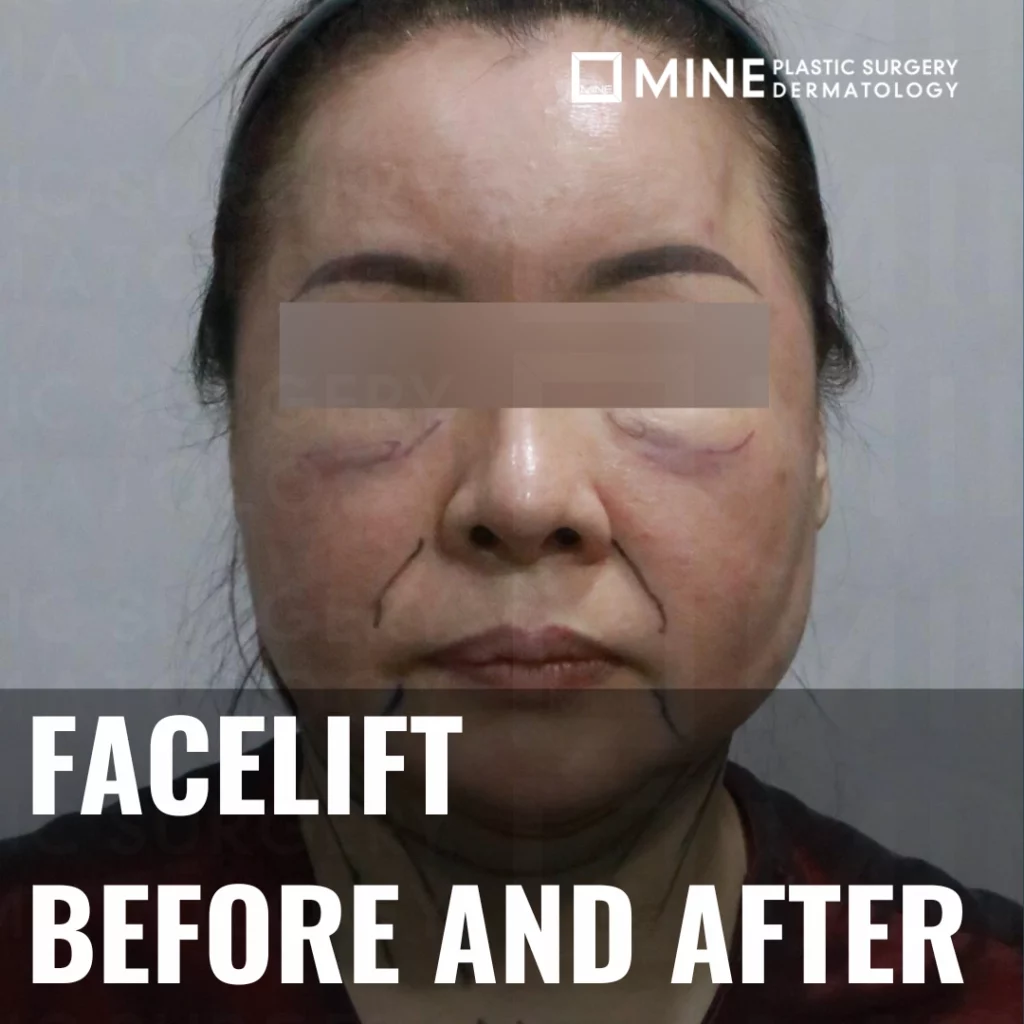
Before-and-after photographs compress months into two frames, which is exactly why they mislead. A realistic Korean plastic surgery timeline looks roughly like this, and every stage of it is normal.
- Days 1–7: peak swelling and bruising. Sutures and drains are usually removed in this window. You will not look like the “after” photo, and you are not supposed to.
- Weeks 2–4: most visible bruising resolves. Desk work and light social activity are realistic for the majority of the procedures in the table above.
- Months 2–3: the bulk of the swelling settles and the shape people recognize as “the result” appears.
- Months 6–12: final settling. Implants soften into position, fat grafts stabilize at their retained volume, and scars fade from red to pale.
Two honest caveats belong with every before-and-after gallery. Lighting, posture and camera distance change apparent results substantially, and the photographs you are shown are, by definition, the outcomes a clinic is happiest with. Ask instead to see a consecutive series, including the revisions.
The Role of Korean Skin Care in Recovery
Korean skincare is a genuine adjunct to Korean plastic surgery recovery rather than a marketing add-on, but its role is narrower than the hype suggests. Gentle cleansing, consistent moisturizing and disciplined sun protection support the skin barrier while incisions mature, and sun avoidance in particular has a measurable effect on how a scar ends up looking.
What skincare cannot do is change the result of Korean plastic surgery. Active ingredients such as retinoids and acids are usually paused around surgery, and nothing should go onto or near an incision without the operating surgeon’s approval. Follow the clinic’s post-operative protocol first, and layer your usual routine back in afterwards.
Why Choose Korean Plastic Surgeons?
Korean plastic surgeons operate in an unusually high-volume, highly competitive environment, and volume in a narrow field builds pattern recognition that is difficult to acquire elsewhere. Sub-specialization within Korean plastic surgery is the norm rather than the exception.
That is the genuine advantage, and it is worth separating from the marketing around it. A high national reputation says nothing about the individual surgeon standing in front of you. The reputation of Korean plastic surgery is a reason to look here — it is not a substitute for checking the specific clinic, which is what the next section is for.
How to Evaluate a Korean Plastic Surgery Clinic
Most comparisons between Korean plastic surgery clinics are made on photographs and price, which are the two least reliable signals available. The checks below are verifiable before you pay a deposit, and every one of them can be asked by email.
- Confirm board certification, not just a medical license. In Korea any licensed physician may legally perform cosmetic procedures. A plastic surgery specialist has completed the residency and board examination of the Korean Society of Plastic and Reconstructive Surgeons. Ask for the specialist number and the surgeon’s full name in Korean.
- Ask who operates, from incision to closure. Get the answer in writing, naming the surgeon. Since 25 September 2023, Korea’s Medical Service Act — administered by the Ministry of Health and Welfare — has required clinics to install CCTV in operating rooms used for surgery under general anesthesia, and to record the operation when the patient or their guardian asks for it. Recording is not automatic, and the law allows a clinic to decline in defined situations such as emergency or high-risk surgery, so ask in advance how a recording request would be handled.
- Check who provides anesthesia. For general anesthesia or deep sedation, ask whether a separate anesthesiologist is present for the whole case, and what monitoring is used.
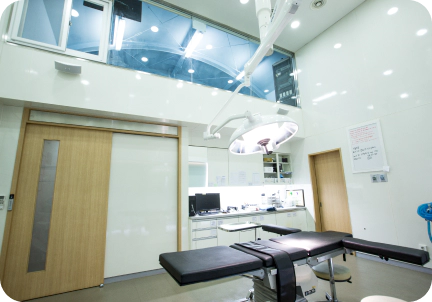
- Ask about emergency preparedness. Whether resuscitation equipment is kept on site, and whether the clinic has a transfer agreement with a nearby general hospital, are the two questions that matter. A clinic that answers them precisely has thought about them.
- Request cases that match your anatomy. Not the clinic’s best gallery — a consecutive series of patients with your starting point, at twelve months, with the same incision pattern proposed for you.
- Get the revision policy in writing. What counts as a revision, who pays for the operating room and anesthesia, and for how long the policy stands.
- Insist on speaking with the operating surgeon before you fly. A video consultation with the surgeon — not just a coordinator or a messaging account — is the single most informative screening step available to an international patient.
A clinic that answers all seven plainly may still not be the right one for you. A clinic that deflects any of them has already given you your answer.
Cost Considerations for Korean Plastic Surgery
Korean plastic surgery is generally more affordable than equivalent work in the United States and Western Europe, and the high procedure volume of these clinics is a large part of why. That gap is real, but it is not the whole calculation.
Quoted prices vary with the surgeon’s experience, the complexity of your case, the anesthesia required, and whether a facility fee, post-operative care and follow-up visits are included. Ask for an itemized quote rather than a single figure, and ask specifically what a revision would cost.
Then add the costs that never appear on a clinic quotation: flights, accommodation for the full recovery period rather than the minimum, a companion if the procedure requires general anesthesia, and a contingency for a longer stay if healing is slower than planned. The gap between a Korean quote and a Western one often narrows considerably once those costs are included — and a quote far below the local market average is a warning, not a bargain.
Safety and Regulations in Korea
Korean plastic surgery operates under the Medical Service Act, administered by the Ministry of Health and Welfare. Clinics performing surgery must be registered and inspected, medical advertising is regulated and pre-reviewed, and physicians must complete continuing education to maintain their license.
Two mechanisms are worth knowing about as a patient. According to Korea’s Medical Service Act, clinics performing surgery under general anesthesia have had to install operating-room CCTV since 25 September 2023. Recording is not automatic: the clinic must record when the patient or guardian asks, and the law allows it to decline in defined situations. Separately, the Korea Medical Dispute Mediation and Arbitration Agency provides a formal route for resolving disputes between patients and providers without going straight to court, and it is open to foreign patients.
One safeguard is specific to people traveling for Korean plastic surgery. Clinics must register with the government in order to treat international patients, and holding medical liability insurance or equivalent mutual-aid cover is a condition of that registration. Registered facilities are searchable on the government’s Medical Korea portal, so confirming the registration is a five-minute check worth doing before you pay a deposit.
Regulation sets a floor, not a ceiling. Every surgical procedure carries risk of bleeding, infection, poor scarring, asymmetry, altered sensation and, for operations under general anesthesia, anesthetic complications. A consultation that discusses those risks in detail is a better safety signal than any certificate on a waiting-room wall.

Current Trends in Korean Plastic Surgery
Four shifts define current Korean plastic surgery trends, and all four point the same way — toward smaller, better-targeted interventions.
- Away from the obvious. Demand has moved from dramatic change toward proportion and restoration, which is why deeper-plane lifting and volume restoration have displaced skin-only tightening.
- Combination over single procedures. Facelift with neck lift, or lifting with a volume procedure, in one anesthetic and one recovery.
- Energy devices as maintenance, not replacement. Ultrasound and radiofrequency tightening are increasingly framed as what you do between — or instead of — surgery when laxity is mild, rather than as an equivalent to it.
- More scrutiny of who operates. Patients now routinely ask about specialist certification, anesthesia staffing and revision policy — questions that were rare a decade ago.
Frequently Asked Questions About Korean Plastic Surgery
What is the most common plastic surgery in Korea?
Eyelid surgery is the procedure most consistently reported as the most common cosmetic operation in South Korea, with rhinoplasty close behind. Among international patients traveling to Seoul, breast surgery, facial lifting and body contouring make up a much larger share than they do domestically.
How long do I need to stay in Korea after surgery?
For most facial and breast procedures, plan on 7 to 14 days so that sutures can be removed and the first follow-up completed before you fly. Larger operations such as abdominoplasty usually need longer. Confirm your flight date with the operating surgeon rather than assuming a standard figure.
Is Korean plastic surgery cheaper than surgery in the US?
Usually yes for the surgical fee itself. Once flights, two weeks of accommodation, a companion and a contingency for extended recovery are added, the gap narrows. Compare total cost of the trip against a total local quote, and treat unusually low prices as a reason to ask more questions.
How do I verify that a Korean plastic surgeon is board-certified?
Ask for the surgeon’s full name in Korean and their plastic surgery specialist credential, then confirm it against the Korean Society of Plastic and Reconstructive Surgeons. A general medical license is not the same qualification, and in Korea it does not restrict who may perform cosmetic procedures — which is why this check matters more in Korean plastic surgery than the marketing usually admits.
Are before-and-after photos a reliable way to choose a clinic?
On their own, no. Korean plastic surgery galleries show selected outcomes, and lighting, posture and camera distance change the apparent result. Ask for a consecutive series of patients with anatomy similar to yours, photographed at twelve months under matched conditions, and ask what proportion of cases required revision.
Can I combine several procedures in one trip?
Combining Korean plastic surgery procedures in one trip is often possible, and it can mean one anesthetic and one recovery. The limits are total operating time, blood loss and how much swelling one recovery can absorb. Combining a facelift with a neck lift is routine; combining a tummy tuck with extensive facial work in a single session usually is not.
MINE Plastic Surgery & Dermatology is a board-certified plastic surgery clinic in Gangnam, Seoul, led by Dr. Lee Sung-wook. If you are considering Korean plastic surgery from abroad, a video consultation with the operating surgeon is the sensible first step.
Written and medically reviewed by Dr. Lee Sung-wook, a board-certified plastic surgeon at MINE Plastic Surgery & Dermatology in Seoul, Korea.
※ This content is for informational purposes only and does not replace professional medical advice, diagnosis, or treatment. Individual results may vary, and side effects may occur. Please consult with a board-certified plastic surgeon for personalized advice.