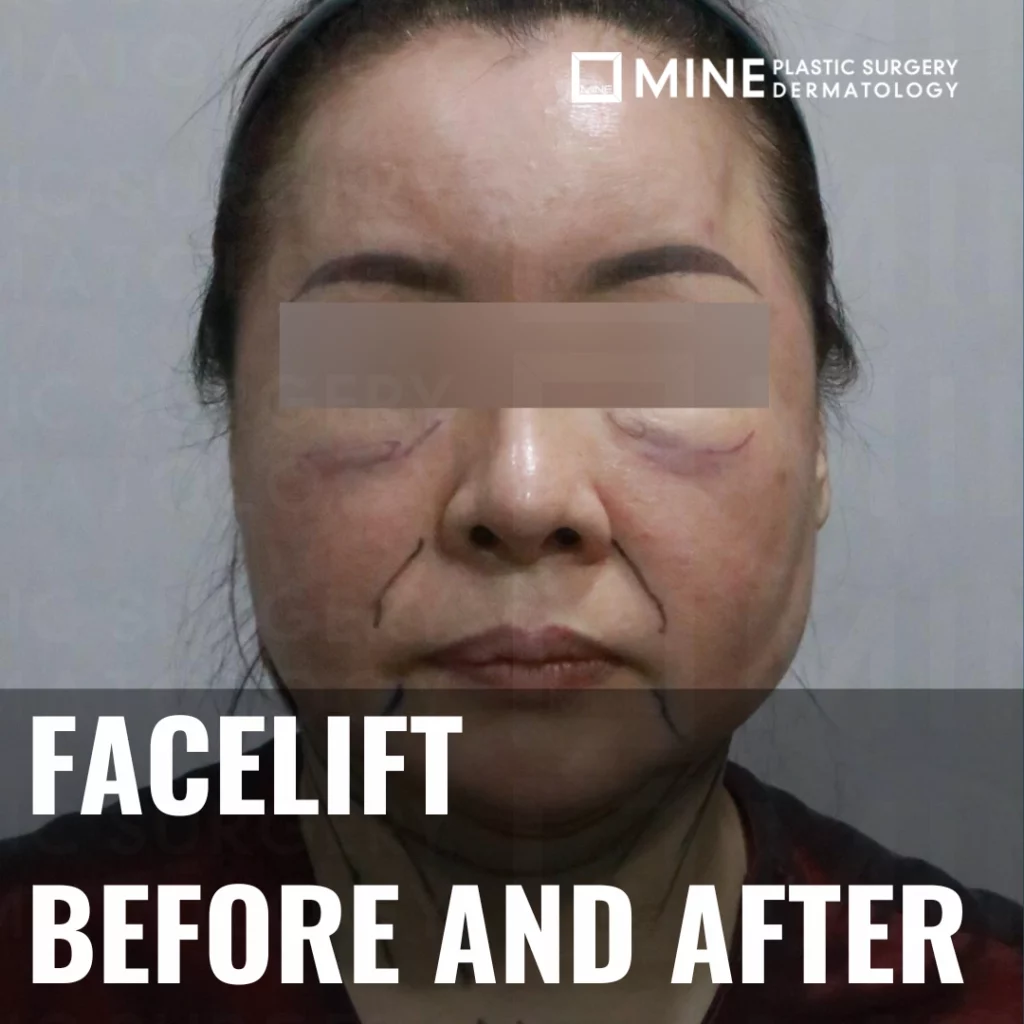
EN
EN

Table of contents
Facelift scars are the thin lines left where the surgeon makes and closes the incisions during a facelift, and with the right care they can fade until they are very hard to notice. A facelift can deliver remarkable rejuvenation, but the quality of your healing depends just as much on how you manage these scars in the weeks and months afterward. This guide walks through the proven, evidence-based steps that help minimize facelift scars, from silicone gel and laser treatment to smart wound care and follow-up. With patience and a consistent routine, most patients reach a smooth, natural-looking result that complements their refreshed appearance.
Below, we explain what actually works according to medical scar-management research, why each method works in plain language, and how to build a daily routine you can realistically stick to. Wherever possible, we point you toward a board-certified plastic surgeon, because facelift scars heal best when your care is personalized to your skin type and your specific incision pattern.
Understanding Facelift Scars
Facelift scars are an unavoidable part of any surgical lift, but with proper care and management they can be significantly minimized. The location and extent of your scars depend on the specific facelift technique used, yet they are deliberately placed where the eye is least likely to find them — inside the hairline and along the natural creases of the face and ear. Understanding how these scars form is the first step toward keeping them faint.
A scar is simply the body’s repair patch. When skin is cut, fibroblasts (the cells that build connective tissue) lay down new collagen to close the gap. In a well-healed scar, that collagen settles into a flat, pale line. When the process overshoots and too much collagen is produced, the result can be a raised, firm scar — which is exactly what good scar management is designed to prevent.
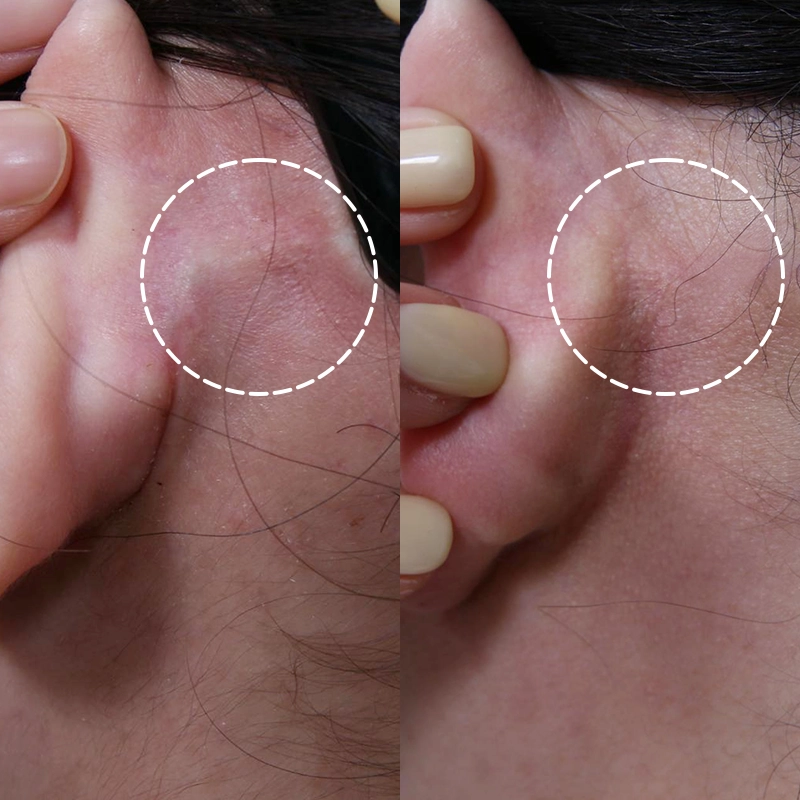
Types of Facelift Scars
- Temporal scars: located in the hairline above the ear, where hair growth hides the line
- Preauricular scars: in front of the ear, tucked into the natural skin folds
- Postauricular scars: behind the ear, usually concealed by the ear itself
- Submental scars: under the chin, present only when a neck lift is included
Knowing the type and location of your scars is essential for targeted care, because different areas heal at slightly different rates. Scars near the jaw and neck, where the skin moves constantly, may need a little more attention than those hidden high in the hairline. If you want a fuller picture of what to expect after surgery, our overview of facelift side effects and precautions is a helpful companion read.
Immediate Post-Operative Care
The first two to three weeks set the tone for how your facelift scars will mature. This is when the wound is still sealing and the new skin barrier is fragile, so gentle, consistent care now pays off for months to come.
Wound Care
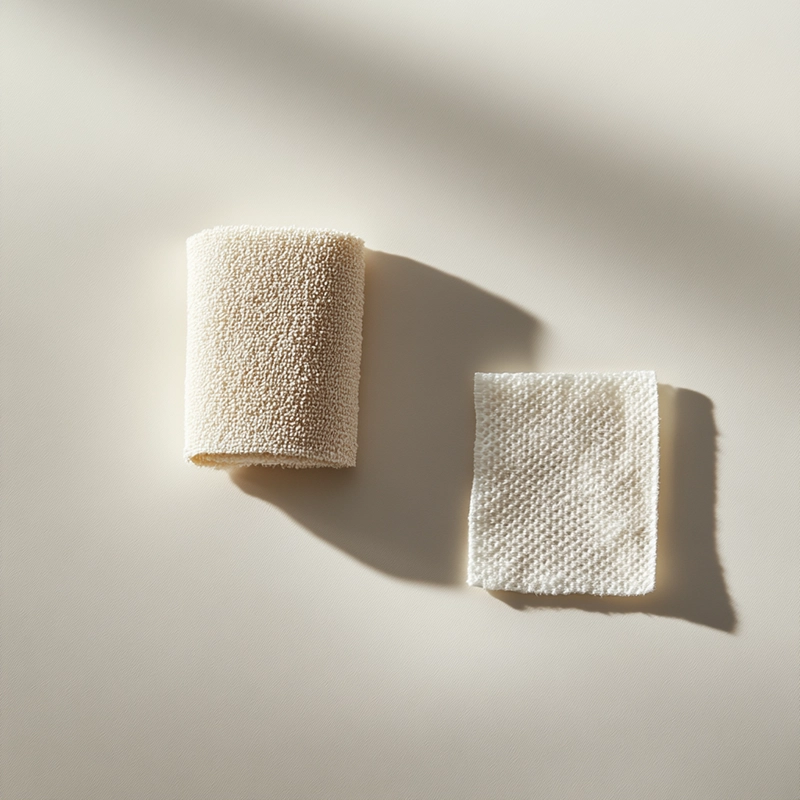
Proper wound care is essential in the early stages of recovery. Keep the incision sites clean and dry, and follow your surgeon’s instructions to the letter. Avoid touching or scratching the area, since picking at a healing incision invites infection and can widen a scar that would otherwise have stayed thin. A wound that takes longer than three weeks to close is more likely to leave a raised scar, so anything that speeds clean healing — rest, no smoking, good nutrition — directly protects the final look of your scar.
Cleaning Protocol
- Gently cleanse the area with the antiseptic solution your surgeon prescribes
- Pat dry with a clean, soft towel — never rub
- Apply any recommended ointment or dressing exactly as directed
Pressure Management
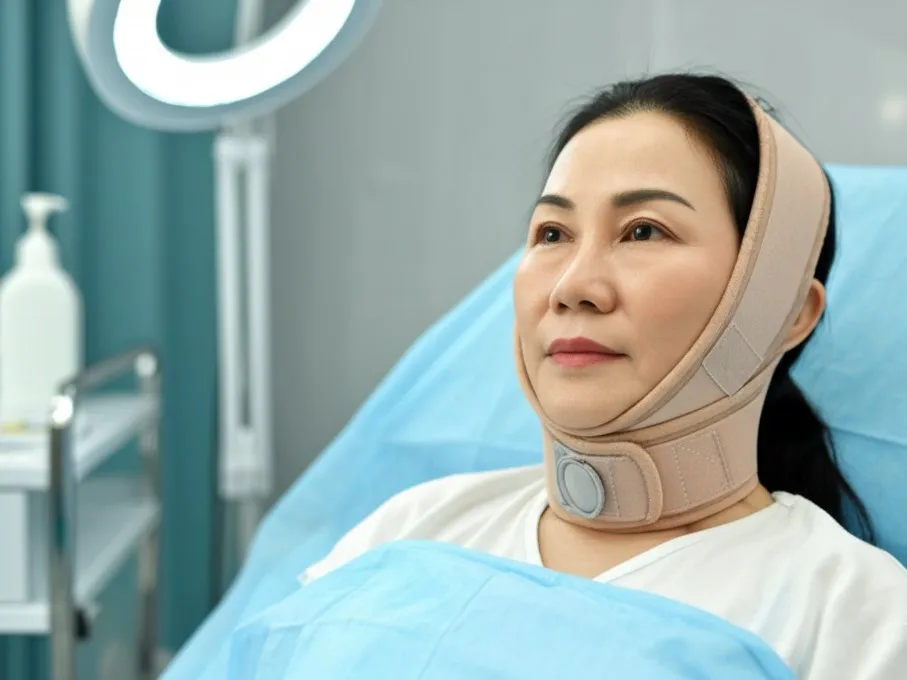
Maintaining gentle, even pressure on the surgical sites helps reduce swelling and supports proper healing. Your surgeon may ask you to wear a facial compression garment for a set period. Steady compression also calms the early scar, which is one of the simplest ways to discourage a raised result.
Benefits of Compression
- Reduces swelling and bruising
- Improves blood circulation to the healing tissue
- Supports newly repositioned tissues so they settle smoothly
Advanced Scar Management Techniques
Once the incisions have closed, a set of well-studied techniques can take faint scars and make them fainter still. Medical scar research is consistent about which methods belong at the top of the list, so we start with the single most evidence-backed option.
Silicone Gel and Sheeting: The First-Line Treatment
If you do only one thing for your facelift scars, make it silicone. Across medical scar guidelines and multiple controlled trials, silicone gel and silicone sheeting are recommended as the first-line, go-to treatment for preventing thick or raised scars. They are simple, painless, and available without a prescription — yet their track record is stronger than most of the products marketed for scars.
Here is why silicone works, in plain terms. A thin layer of silicone seals the scar and keeps the surface skin properly hydrated (it stops the scar from drying out). That steady hydration sends a signal to the fibroblasts — the collagen-building cells — to ease off and stop overproducing collagen. Less excess collagen means a flatter, softer, paler scar. In practice, silicone hydrates the scar, lowers the height of raised scars, and makes the tissue more pliable over time.
Timing and consistency matter most. Silicone is intended for an immature scar — a young, still-pink scar, and especially any wound that took longer than three weeks to heal. Begin once the incision is fully closed and your surgeon gives the go-ahead, then use it daily. Scar studies in patients with Asian skin found that applying a silicone gel sheet every day for about three months after surgery reduced both the pigmentation (darkening) and the redness of the scar. Three consistent months beats three scattered weeks, so build it into your morning and evening routine.
Laser Treatment
Laser therapy is a powerful partner to silicone for refining a healing scar. The timing is what makes it effective: stepping in early, during the first weeks after the stitches come out while the scar is still actively remodeling, ultimately reduces the amount of scar tissue that forms. Rather than waiting for a stubborn scar to set, early laser work helps steer the healing in the right direction from the start.
Types of Laser Treatments
- Pulsed dye laser (PDL): targets the redness and tiny blood vessels in a young scar, calming the color of fresh facelift scars
- Fractional CO2 laser: stimulates controlled collagen remodeling to smooth texture in more mature scars
- Nd:YAG laser: reaches deeper tissue and can be useful for thicker scars
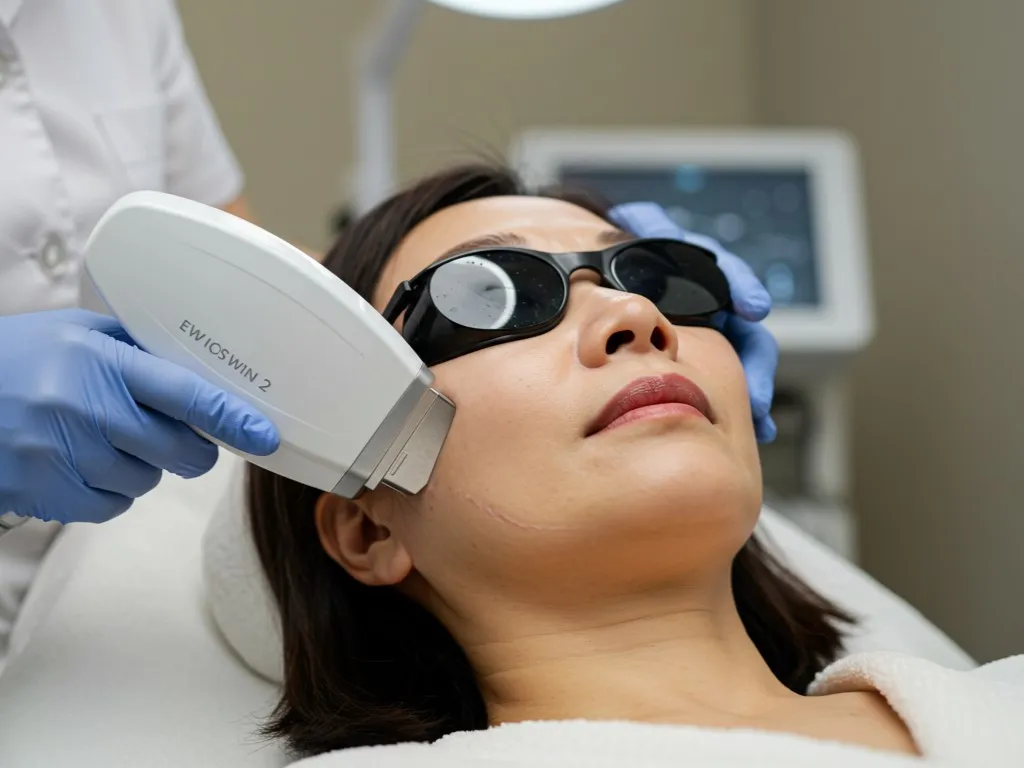
Your surgeon may combine a pulsed dye laser with an early scar injection for raised facelift scars, a pairing that scar research supports because it addresses redness and excess collagen at the same time. Because lasers are matched to scar age and skin tone, they should always be performed by an experienced specialist.
Other Topical Treatments
Beyond silicone, a few other topicals can play a supporting role in scar management:
- Silicone-based gels or sheets: the proven first choice — create a protective barrier and lock in hydration
- Specialized scar gels: products containing ingredients such as allantoin or onion extract may soften the scar surface
- Vitamin E creams: popular for general moisturizing, though the evidence for vitamin E is weak compared with silicone — treat it as an extra, not a substitute
The honest takeaway is that silicone remains the anchor of topical scar care. Other creams can keep skin comfortable, but none has matched silicone in the research, so they should complement it rather than replace it.
Microneedling
Microneedling is a minimally invasive option that can refine the texture of older, settled scars. It uses very fine needles to create tiny controlled punctures, which nudges the body’s natural repair response to remodel the scar. It is best reserved for mature scars and performed by a professional — never on a fresh, unhealed incision.
- Stimulates collagen and elastin production for smoother texture
- Improves skin tone in the scar area
- Can be combined with topical treatments for enhanced results
Lifestyle Factors for Optimal Scar Healing
No clinic treatment can fully outrun poor daily habits. The everyday choices below quietly shape how your scars settle, and they cost almost nothing.
Sun Protection
Protecting your scars from the sun is one of the highest-impact habits in all of scar management. Ultraviolet light darkens young scars and can make them permanently more noticeable, so a fresh facelift scar should be shielded from direct sun for many months. Use a broad-spectrum sunscreen and add physical cover when you can.
- Apply broad-spectrum SPF 50+ sunscreen to the area daily
- Reapply every two hours when you are outdoors
- Wear a wide-brimmed hat for extra shade over facelift scars
Nutrition
A balanced diet rich in vitamins and minerals gives your body the raw materials it needs to rebuild skin. Vitamin C, zinc, and protein are especially important for collagen production and steady wound repair, which in turn supports flatter, healthier scars.
- Citrus fruits and berries for vitamin C
- Lean meats and fish for protein
- Nuts and seeds for zinc
- Leafy greens for antioxidants
Hydration
Staying well-hydrated keeps your skin supple and supports the healing of your scars from the inside. Drink water steadily through the day, eat water-rich foods, and ease off caffeine and alcohol while you recover, since both can leave skin drier than it should be.
Medical Interventions
Most facelift scars never need anything beyond the steps above. But when a scar turns thick, raised, or stubborn, targeted in-office treatments can bring it back into line. These are decisions to make with your surgeon, not to attempt on your own.
Steroid Injections
For raised (hypertrophic) or keloid scars, an injection of corticosteroid placed directly into the scar can flatten and soften it. The steroid quiets the inflammation driving the overgrowth and signals the fibroblasts to stop laying down so much collagen, which gradually brings a bulky scar down. For small, early keloids, scar guidelines describe a clear first-line plan: corticosteroid injections, silicone sheeting, and compression used together. Larger, treatment-resistant keloids are best managed at a center that specializes in them, where surgery, steroids, or other options can be combined.
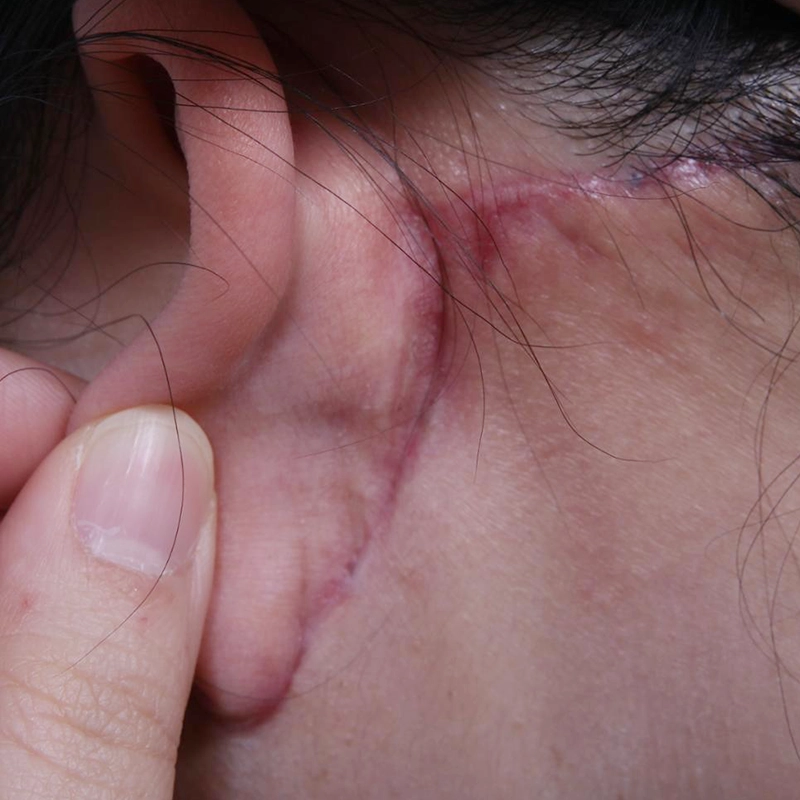
- Reduces inflammation in the scar
- Lowers excess collagen production
- Improves the height, texture, and appearance of raised scars
Scar Revision Surgery
In the rare case where a scar stays prominent or problematic, scar revision surgery may be considered. It is only undertaken after the area has fully healed from the original facelift, typically several months later, so that the surgeon is working with a settled, mature scar.
- Excision and careful re-closure of the scar line
- Z-plasty to reposition and break up the scar’s direction
- Other reconstructive techniques for larger areas
Incision Placement: How Surgeons Hide Facelift Scars
The single biggest factor in how visible your facelift scars end up is something decided before you ever start aftercare: where the surgeon places the incision. A skilled surgeon designs the incision to follow the body’s natural hiding spots, so the eventual scar disappears into the landscape of the face.
The classic facelift incision is routed through the temporal hairline, then down into the crease just in front of the ear, around the earlobe, and into the fold behind the ear. When a neck lift is added, a small incision may also be tucked under the chin. Each of these locations is chosen because hair or a natural skin crease will conceal the line as it matures. This is why two patients can have very different scars from the same operation — the placement and the closure technique matter enormously.
It also explains why choosing your surgeon is a scar-management decision in its own right. Meticulous, tension-free closure and thoughtfully hidden incisions do more to keep facelift scars invisible than any cream applied afterward. To understand how modern techniques aim for natural results, see our guide to the latest facelift lifting techniques, and our overview of surgical and non-surgical face lift options at MINE.
Importance of Follow-Up Care
Long-term follow-up is one of the most underrated parts of scar management. Regular check-ins let your surgeon catch a scar that is starting to thicken and step in early, when treatment is easiest. Self-management between visits matters just as much: simple habits like wearing a silicone or steroid tape over the scar during the early healing window can meaningfully improve how it looks. This is especially important for anyone prone to thick or keloid scars, because in those patients even minor irritation can set off regrowth — so steady, gentle care and prompt attention are key.
Follow-Up Schedule
- 1 week after surgery — stitch removal and first wound check
- 1 month after surgery — major swelling begins to ease
- 3 months after surgery — firm internal scar tissue starts to soften
- 6 months after surgery — most internal healing is complete
- 1 year after surgery — final scar appearance
Psychological Aspects of Scar Management
It is worth acknowledging the emotional side of healing. While scars fade, the waiting can stir anxiety or self-consciousness, particularly in the early weeks when a scar is at its most visible. These feelings are normal, and addressing them is a legitimate part of recovery, not a sign of vanity.
- Connect with other facelift patients who understand the process
- Give yourself realistic timelines — scars improve over many months
- Consider professional counseling if the worry feels heavy
Emerging Technologies in Scar Management
Scar science keeps moving forward, and several new technologies are being studied to improve outcomes. These are promising but still emerging, so think of them as the future direction of care rather than today’s proven standard — which remains silicone, laser, and steroid where needed.
- Growth factor therapies: using the body’s own signaling proteins to guide healthier healing
- Molecular scar modulation: research into calming the specific signals (such as TGF-beta) that drive excess scarring
- Targeted drug delivery: delivering scar medication more precisely to the tissue that needs it
Frequently Asked Questions
Common questions patients ask about facelift scars and how to keep them faint.
How long do facelift scars take to fade?
Facelift scars fade gradually over about a year. They are often pink and firm in the first few months, soften noticeably by three to six months, and reach their final, paler appearance around the one-year mark. Consistent care throughout this window makes a real difference in the result.
What is the best treatment for facelift scars?
Silicone gel or sheeting is the best-supported first-line treatment for facelift scars. Used daily once the incision has closed, it hydrates the scar and signals the skin to produce less excess collagen, keeping the line flat and soft. Laser and, when needed, steroid injection are valuable additions for redness or raised scars.
Can facelift scars be completely removed?
No surgery leaves zero trace, so facelift scars cannot be erased entirely. The realistic goal is to make them so faint and well-hidden that they are very hard to notice. Good incision placement plus diligent aftercare gets most patients to that point.
When can I start using sunscreen and silicone on my scars?
Begin only after the incision has fully closed and your surgeon clears you, usually a couple of weeks after surgery. Once you are cleared, apply silicone daily and protect the scar from sun with SPF 50+. If you notice a scar thickening or reddening, contact your surgeon, who can guide you to the right next steps.
Conclusion
Effective management of facelift scars comes down to a few proven habits working together: careful wound care, daily silicone as your first-line treatment, sun protection, smart nutrition, and timely laser or steroid help when a scar needs it. None of these is complicated, but they reward consistency. Working closely with your surgeon, you can minimize their visibility and enjoy the full benefit of your facelift surgery.
Patience is the quiet ingredient in all of it. Some methods bring quick improvement, but the most natural-looking results take months to fully appear. With a steady routine and the right professional guidance, you can soften facelift scars dramatically and wear your refreshed appearance with confidence. For broader recovery tips, our guide on the foods and activities to favor during facelift recovery pairs well with everything above. (facelift scars behind the ears)
For authoritative, plain-language background on what facelift surgery involves, the American Society of Plastic Surgeons offers a helpful overview of facelift procedures. Always consult a board-certified plastic surgeon before trying any new scar-management technique, since the right plan depends on your skin type and your individual healing.
※ This content is for informational purposes only and does not replace professional medical advice, diagnosis, or treatment. Individual results may vary, and side effects may occur. Please consult with a board-certified plastic surgeon for personalized advice.