EN
EN

Table of contents
A facelift specialist is a board-certified plastic surgeon who concentrates on facial rejuvenation and has the anatomical training to lift deeper tissue layers safely. Choosing the right facelift specialist is one of the most important decisions you will make, because the surgeon’s experience, judgment, and focus shape your result far more than any single technique or marketing claim. This guide walks you through the essential factors to weigh when selecting a facelift specialist and clinic, so you can make an informed, confident choice.
Throughout this guide we lean on what facial surgery textbooks and clinical literature actually say about why surgeon experience matters. The goal is simple: help you tell a genuine facelift specialist apart from someone who merely advertises the procedure. For broader context, our comprehensive guide to facelift surgery, from effects to side effects, covers the procedure itself in detail.
Qualifications and Expertise

When searching for a facelift specialist, prioritize qualifications and expertise above everything else. This foundation of training and skill is what protects your safety and drives a natural-looking, durable result.
Board Certification: Look for board-certified plastic surgeons with specific training and experience in facial plastic surgery. Board certification means the surgeon has completed rigorous, supervised training and is held to high standards of practice. In the United States, certification by the American Board of Plastic Surgery (ABPS) or the American Board of Facial Plastic and Reconstructive Surgery (ABFPRS) is widely respected. A true facelift specialist will be transparent about exactly which boards certify them.
Specialization in Facial Procedures: Seek out a facelift specialist who focuses on facial procedures rather than someone who performs them only occasionally. Surgeons who concentrate on the face develop a deep, working knowledge of facial anatomy, which is essential for achieving natural-looking results. A surgeon devoted to facial rejuvenation tends to be more attuned to subtle aesthetic balance and to the techniques that age well over time.
Why anatomy expertise is non-negotiable: Facial surgery references make clear that a modern facelift is not a simple skin tuck. The lift is performed in a deeper layer called the SMAS (a sheet of muscle and fibrous tissue that supports the face). Working in this layer means the surgeon must operate carefully around the branches of the facial nerve — including the temporal branch near the brow and the marginal mandibular branch near the jaw — that control your expression. A skilled facelift specialist also releases the small anchoring ligaments (the natural “tethers,” such as the zygomatic ligaments near the cheekbone) that hold sagging tissue down. Because this work is anatomically demanding, board certification, facial specialization, and real case volume are legitimate screening criteria, not just marketing.
Years of Experience: Consider how long the surgeon has been performing facelifts. An experienced surgeon is more likely to have encountered and successfully managed the variations and challenges that arise during surgery. Ask how many facelifts they perform each year and how often they do this specific operation. Surgical textbooks emphasize that a two-layer SMAS-type facelift takes real commitment from the surgeon — both to understand facial soft-tissue anatomy and to execute the procedure consistently — which is exactly why volume and repetition matter so much. To understand whether timing is right for you, see our guide on how much younger a facelift can really make you look.
Continuing Education: Facial surgery keeps evolving, with refined techniques and improved technology appearing regularly. Ask whether your facelift specialist invests in continuing education and stays current with advances. According to the American Society of Plastic Surgeons (ASPS), verifying training and credentials is a core part of choosing any cosmetic surgeon — a step a reputable specialist will welcome, never resist.
Patient Reviews and Before-and-After Photos
One of the most effective ways to gauge a surgeon’s skill is to study their portfolio of work and read genuine patient reviews. This real-world evidence offers a window into the surgeon’s abilities and the kind of outcome you might reasonably expect.
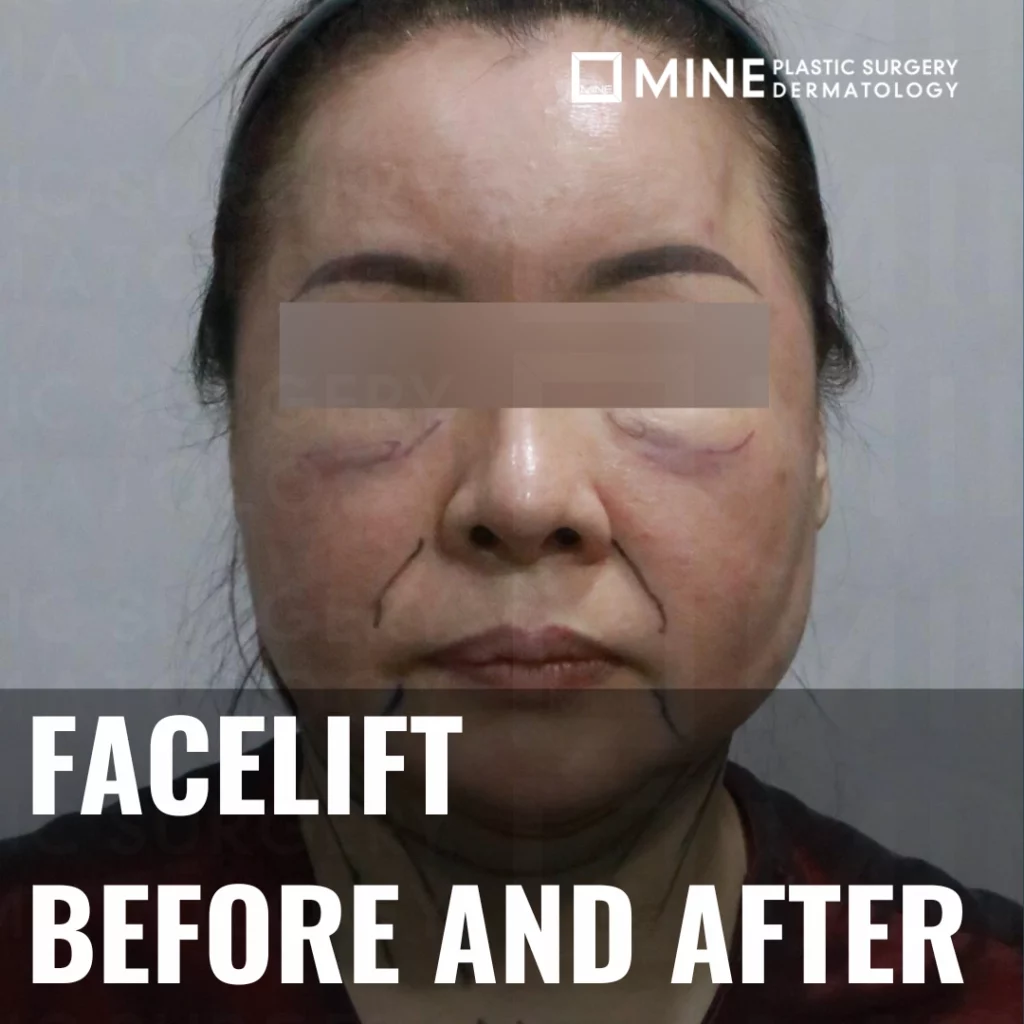
Before-and-After Photos: Ask to see a comprehensive set of before-and-after photos from the surgeon’s previous facelift patients. These reveal the surgeon’s aesthetic style and the quality of their work. Focus on patients whose facial features or concerns resemble yours, and look for consistency across many different patients — not just one or two flattering cases. Consistency is the single clearest signal that a result is repeatable rather than lucky.

Patient Testimonials: Read reviews and testimonials from former patients. Look for comments on the surgeon’s bedside manner, the overall experience, and long-term satisfaction. Every surgeon collects a few negative reviews, so pay attention to patterns rather than isolated complaints — and notice how the surgeon responds to criticism. Professionalism under scrutiny tells you a lot.
Revision Rate: Ask the surgeon about their revision rate. A low revision rate can indicate consistently satisfactory results and thoughtful patient selection — meaning the surgeon declines cases that are unlikely to succeed rather than operating on everyone who asks.
Consultation Process
A thorough consultation is crucial for deciding whether a facelift specialist is the right fit for you. This first meeting sets the tone for your entire experience and lets you assess the surgeon’s approach and communication style. In facial surgery references, the consultation is treated as a genuine clinical step — the specialist evaluates three things together: your overall health, your individual facial anatomy, and your personal expectations. If a consultation skips any of these, treat it as a warning sign.
Personalized Approach: A good surgeon takes time to understand your specific goals and concerns. They should explain the procedure clearly and discuss realistic expectations. Be cautious with any surgeon who promises dramatic, certain outcomes or pushes additional procedures you never asked about.
Communication Style: Choose a facelift specialist who communicates clearly and makes you comfortable asking questions. They should address every concern and give honest, straightforward answers, including a frank discussion of risks and potential complications. For balance, review our guide to the side effects and precautions of a facelift so you know which risks a careful specialist should raise on their own.
Treatment Plan: Your surgeon should provide a customized plan tailored to your unique facial structure and aesthetic goals. They may suggest complementary procedures or alternatives where appropriate. This plan should describe the surgical technique they recommend, the expected recovery process, and any preparations you will need to make beforehand.
Consultation Red Flags: A few patterns should make you pause before committing to any facelift specialist. Be wary of a surgeon who guarantees a flawless outcome, rushes the consultation, cannot clearly explain which technique suits your anatomy, discourages you from seeking a second opinion, or seems more interested in booking a date than understanding your face. A confident, ethical specialist welcomes questions and second opinions rather than discouraging them.
Computer Imaging: Some surgeons use computer imaging to give a visual sense of possible results. These images are not guarantees, but they can help align your expectations with realistic outcomes and open an honest conversation about what is and isn’t achievable.
Facility Accreditation and Safety Measures
Make sure the clinic or surgical facility where your facelift will be performed is accredited and follows strict safety protocols. The safety of your procedure reaches beyond the surgeon’s hands to the entire surgical environment — even the most capable facelift specialist depends on a well-run, well-equipped operating room.
Accreditation: Look for facilities accredited by recognized organizations such as the American Association for Accreditation of Ambulatory Surgery Facilities (AAAASF), the Accreditation Association for Ambulatory Health Care (AAAHC), or the Joint Commission. These accreditations signal that the facility meets high standards for patient safety and quality of care.
Safety Protocols: Ask about the facility’s safety measures, including emergency procedures and sterilization practices. Confirm the qualifications of the support team — the anesthesiologists and nurses who will be involved in your care. Because a deeper-plane facelift works close to the facial nerve, an experienced anesthesia and nursing team is part of what makes a true facelift specialist’s setting safe.
Equipment and Resources: A well-equipped facility should have everything needed to manage potential complications, including emergency equipment and medications and a clear protocol for transferring a patient to a hospital if necessary.
Technology and Techniques
Stay informed about current facelift techniques and technology. Traditional methods still deliver excellent results, while newer approaches may offer advantages in recovery time or a more natural look. A knowledgeable facelift specialist should be able to explain, in plain language, why a particular technique suits your face rather than offering a one-size-fits-all operation.
Understanding the spectrum of techniques: There is no single “best” facelift — surgical references describe a whole range. At one end are skin-only and lighter approaches (such as SMAS plication or the MACS lift, which tighten the support layer with sutures). At the other end are deeper operations such as the dual-plane and deep plane facelift, where the supporting tissue is repositioned more fully. Skin-only lifts are quicker and tend to recover faster, but the literature is clear that operations addressing the deeper SMAS layer generally produce longer-lasting results than tightening skin alone. The point is not that one method is universally superior — it is that a genuine facelift specialist can explain these trade-offs and justify the choice for your anatomy.
Advanced Techniques: Ask which facelift techniques the surgeon uses. Some specialists offer approaches like the deep plane facelift or refined SMAS techniques, which can produce natural-looking, durable results by repositioning deeper tissue rather than over-tightening skin. Understanding the pros and cons of each helps you make an informed decision — and a facelift specialist who can teach you the difference is usually one worth trusting.
State-of-the-Art Equipment: A clinic with modern technology can support better outcomes and a smoother recovery. This might include advanced monitoring during surgery, specialized instruments for finer dissection, or 3D imaging for surgical planning.
Non-Surgical Options: Even if your focus is a surgical facelift, it is worth discussing non-surgical alternatives or complementary treatments your surgeon might offer, such as injectables or energy-based skin treatments. These can refine a surgical result or serve as a temporary option for patients who are not yet ready for surgery.
Cost and Financing Options
While cost should not be the primary factor in choosing a facelift specialist, it matters to most patients. Understanding the full financial picture helps you plan and avoid surprises. Be especially cautious when an unusually low quote seems to undercut everyone else — surgical expertise and a properly accredited facility have real value, and the cheapest option is rarely the safest.
Transparent Pricing: The clinic should give a clear breakdown of everything included, along with pre- and post-operative care. Ask about potential extras such as facility fees, anesthesia fees, or charges for garments and medications, so the total is clear before you commit.
Financing Options: Ask whether financing or payment plans are available if you need them. Some clinics offer flexible arrangements. Read the terms carefully, including interest and repayment periods, and make sure any plan fits comfortably within your budget rather than stretching it.
Gender-Specific Considerations
Facelift techniques can differ slightly between male and female patients because of differences in facial anatomy and aesthetic goals. A skilled surgeon tailors their approach so the result looks natural and appropriate for each individual.
Male-Specific Techniques: If you are a male patient, look for a facelift specialist experienced in male facial rejuvenation. Male facelifts call for specific considerations — preserving a strong jawline, avoiding an over-lifted look, and managing factors such as thicker skin, richer blood supply, and beard-bearing skin near the incisions.
Female-Specific Approaches: For female patients, the emphasis is often on a softer, refreshed appearance while preserving natural facial contours. Ask your surgeon how they approach female facelifts and what techniques they use to avoid an overly tight or “wind-swept” look. The best answer describes restoring your own youthful proportions rather than imposing a generic template.
Post-Operative Care and Follow-Up
A reputable specialist provides comprehensive post-operative care and follow-up. This ongoing support is essential for optimal healing and long-term satisfaction — surgery is the midpoint of the journey, not the finish line.
Recovery Support: The clinic should provide detailed post-operative instructions and be readily reachable for any concerns during recovery. This includes guidance on wound care, managing swelling and discomfort, and returning gradually to normal activities. Clear, written instructions from your surgeon are a sign of an organized, patient-centered practice.
Long-Term Follow-Up: Choose a surgeon who offers long-term follow-up to monitor your results and address anything that arises over time. A committed surgeon will want to see you for several appointments in the months — and even years — after your procedure to confirm lasting satisfaction.
Revision Policy: Although revisions are hopefully unnecessary, it helps to understand your surgeon’s policy in advance. Some surgeons offer reduced-cost revisions within a defined window if results do not meet the expectations you agreed on together.
By weighing these factors carefully, you can choose a facelift specialist and clinic with confidence. The right specialist combines the technical skill to perform the procedure with a genuine commitment to your safety, comfort, and satisfaction at every step. Take your time researching and meeting potential surgeons, and never hesitate to seek a second opinion when you feel unsure. Your face deserves careful attention, and selecting the right facelift specialist is the most important step toward the refreshed, natural appearance you are hoping for.
It can help to turn these factors into a short checklist you carry into every consultation. Confirm the surgeon’s certifying boards. Note how many facelifts they perform in a typical year. Ask which surgical layer they operate in and why that choice fits your face. Review a generous set of before-and-after cases, looking for results that age naturally rather than tightening only the skin. Check that the facility is accredited and the anesthesia team is qualified. Finally, gauge how the surgeon handles your questions and whether they encourage a second opinion. When most of these boxes are checked, you are far less likely to be swayed by advertising alone — and far more likely to choose a surgeon whose judgment you can genuinely trust with your face.
How do I verify that someone is a real facelift specialist?
Confirm board certification (for example, ABPS or ABFPRS in the United States), ask how many facelifts the surgeon performs each year, and review a large set of before-and-after photos for consistency. A genuine facelift specialist will share credentials openly and welcome a second opinion.
What red flags should I watch for in a facelift consultation?
Be cautious of a surgeon who guarantees a flawless result, rushes the consultation, cannot explain which technique fits your anatomy, pressures you to book immediately, or discourages a second opinion. An ethical facelift specialist evaluates your health, your facial anatomy, and your expectations before recommending anything.
Does the surgical technique a facelift specialist uses really matter?
Yes. Techniques range from skin-only lifts to deeper SMAS and deep plane approaches. Deeper-plane methods that reposition the support layer generally last longer than tightening skin alone, but the right choice depends on your anatomy. A skilled facelift specialist should be able to explain the trade-offs in plain language.
Ready to talk with a board-certified facelift specialist about your goals? The team at MINE Plastic Surgery & Dermatology offers personalized consultations to assess your facial anatomy and recommend an approach suited to you. Reach out through our website or LINE to schedule a consultation.
※ This content is for informational purposes only and does not replace professional medical advice, diagnosis, or treatment. Individual results may vary, and side effects may occur. Please consult with a board-certified plastic surgeon for personalized advice.