EN
EN

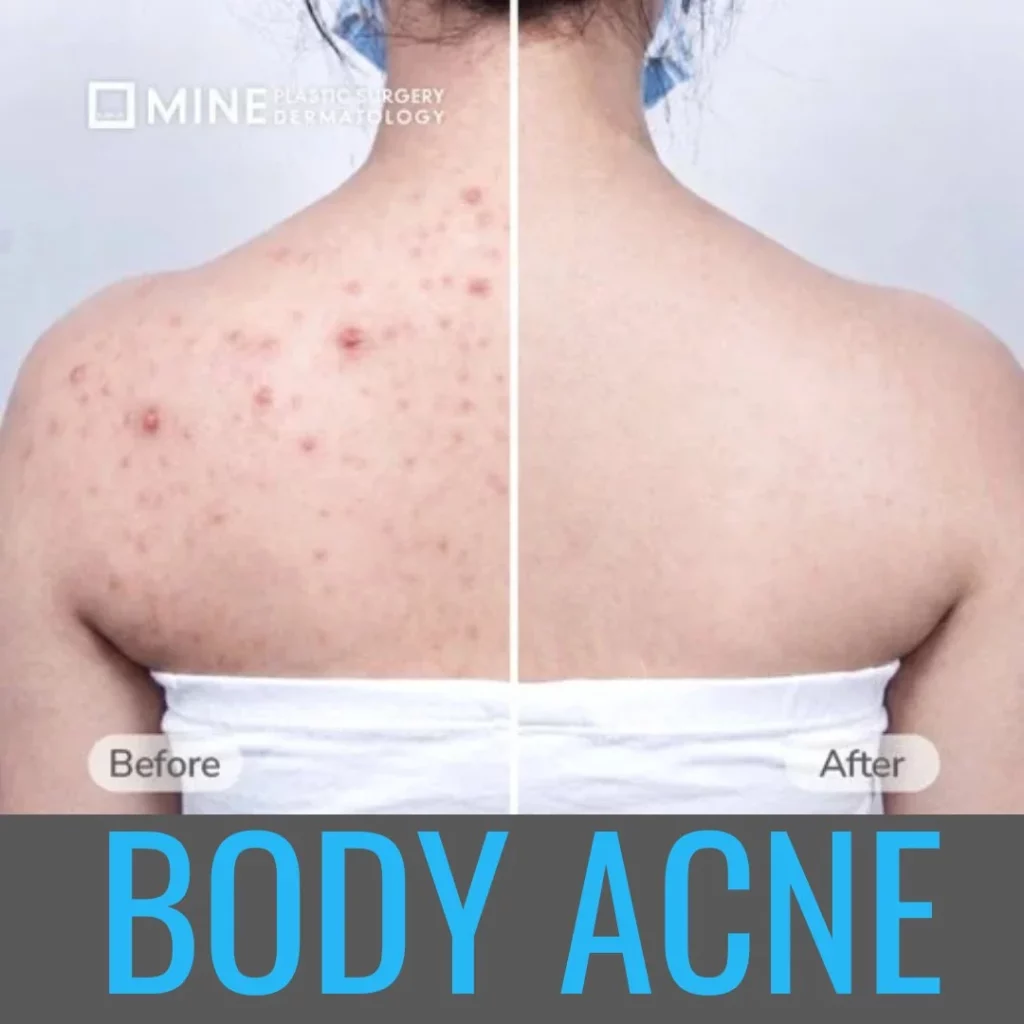
Table of Contents
What Is Body Acne?
Body acne — often called “bacne” when it appears on the back, or “truncal acne” in clinical settings — is one of the most common yet under-discussed skin conditions affecting people worldwide. While most conversations about acne focus on the face, body acne can be equally persistent, emotionally distressing, and medically significant.
Body acne occurs when hair follicles and pores on the skin become clogged with excess sebum (oil), dead skin cells, and bacteria. It can manifest as whiteheads, blackheads, papules, pustules, nodules, or cysts — and it can appear virtually anywhere on the body where sebaceous (oil-producing) glands are present. The most commonly affected areas include the back, chest, shoulders, upper arms, and buttocks.
For many international patients visiting Korea, body acne has been a long-standing concern that hasn’t responded adequately to over-the-counter products or general skincare. Whether you’re dealing with hormonal breakouts, post-workout flare-ups, or stubborn scarring from past acne, understanding the root cause is the first step toward lasting results.
According to the American Academy of Dermatology (AAD), acne is the most common skin condition in the United States alone, affecting up to 50 million Americans annually — and body acne accounts for a significant portion of those cases.
What Causes Body Acne?
Understanding why body acne develops is crucial to choosing the right treatment. The causes are often multi-factorial, meaning several triggers can overlap and worsen each other. Here are the most well-established causes:
1. Excess Sebum Production
The sebaceous glands in the skin produce oil to keep it moisturized. When these glands overproduce sebum — often driven by hormonal changes — the excess oil mixes with dead skin cells and clogs pores. The back and chest have a particularly high density of oil glands, making them prime zones for breakouts.

2. Hormonal Fluctuations
Hormones — specifically androgens like testosterone — directly stimulate sebum production. Body acne commonly flares during:
- Puberty
- Menstrual cycles
- Pregnancy and postpartum periods
- Polycystic ovary syndrome (PCOS)
- Stress-induced cortisol spikes
This is why body acne is not a condition limited to teenagers. Many adults in their 20s, 30s, and even 40s experience persistent breakouts driven by hormonal imbalance.
3. Sweat and Friction (“Acne Mechanica”)
Tight clothing, sports gear, backpack straps, and prolonged physical activity can create friction and trap sweat against the skin. This specific type of body acne — known as acne mechanica — is common among athletes and active individuals. The combination of heat, pressure, and moisture creates an ideal environment for bacteria to thrive.
4. Bacterial Overgrowth
Cutibacterium acnes (formerly known as Propionibacterium acnes) is the bacteria most closely associated with inflammatory acne. When this bacteria proliferates within clogged pores, the immune system triggers an inflammatory response, resulting in the red, swollen bumps and pustules characteristic of moderate-to-severe acne.

5. Poor Skincare Habits and Comedogenic Products
Using heavy, pore-clogging (comedogenic) body lotions, sunscreens, or hair products that drip down the back and chest during rinsing can contribute significantly to body acne. Inconsistent exfoliation also allows dead skin cells to accumulate, increasing the likelihood of clogged pores.
6. Diet and Gut Health
Emerging dermatological research increasingly links diet to acne severity. High-glycemic foods (sugary snacks, white bread, processed carbohydrates) and dairy products — particularly skim milk — have been associated with acne flare-ups. An imbalanced gut microbiome may also amplify systemic inflammation, worsening skin conditions.
7. Stress and Sleep Deprivation
Chronic stress elevates cortisol levels, which in turn stimulates androgen production and increases skin oil output. Inadequate sleep further impairs the skin’s ability to repair itself overnight, prolonging the acne cycle.
8. Genetic Predisposition
If one or both parents struggled with acne, the likelihood of developing it — including body acne — is significantly higher. Genetics influence sebum production rates, inflammatory responses, and the skin’s follicular structure.
Key Takeaway: Body acne is rarely caused by a single factor. Most cases involve a combination of hormonal, environmental, bacterial, and lifestyle triggers. Effective treatment requires addressing all relevant root causes — something a specialized dermatology team at a clinic like Mine Clinic in Seoul is well-equipped to do.
How to Take Care of Body Acne
For milder cases of body acne, a consistent at-home routine combined with lifestyle adjustments can produce meaningful improvements. Here is a practical, evidence-informed approach:
Daily Skincare Routine for Body Acne
Step 1 — Cleanse with Acne-Specific Body Wash Use a gentle, non-comedogenic body wash containing active ingredients such as:
- Salicylic acid (BHA): Penetrates oil-filled pores to dissolve debris
- Benzoyl peroxide: Kills acne-causing bacteria directly
- Tea tree oil (for sensitive skin): A milder natural antibacterial alternative
Wash affected areas twice daily, but avoid aggressive scrubbing — this can worsen inflammation.
Step 2 — Exfoliate 2–3 Times Per Week Use a chemical exfoliant (AHA/BHA pads or lotion) rather than a physical scrub to remove dead skin cells without micro-tears. This is particularly effective for preventing new comedones from forming.
Step 3 — Apply a Targeted Spot Treatment After cleansing, apply a thin layer of benzoyl peroxide gel or adapalene (a topical retinoid) to affected areas. These are available over-the-counter in many countries and have strong clinical evidence behind them.
Step 4 — Moisturize (Yes, Even Acne-Prone Skin) Skipping moisturizer can cause the skin to overproduce oil as a compensatory response. Choose an oil-free, non-comedogenic body lotion with soothing ingredients like niacinamide or ceramides.
Step 5 — Apply SPF Daily UV exposure can worsen acne scarring and post-inflammatory hyperpigmentation. Use a lightweight, non-comedogenic SPF 30+ on exposed areas.
Lifestyle Adjustments That Make a Real Difference
- Shower promptly after exercise to wash away sweat and bacteria before pores become clogged.
- Wear breathable, loose-fitting clothing (especially cotton) during workouts and in humid weather.
- Switch to fragrance-free laundry detergent — fragrances and fabric softeners can irritate acne-prone skin.
- Change bedsheets and pillowcases weekly — or more often if you’re prone to sweating.
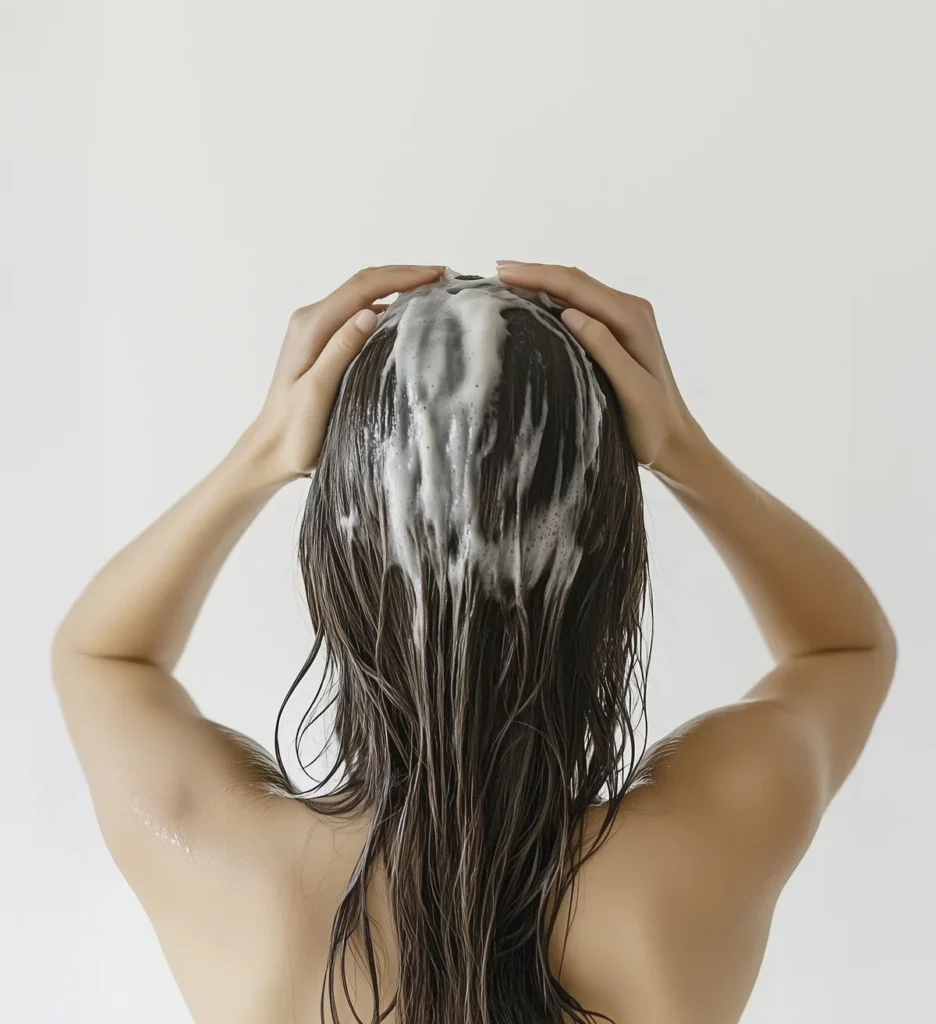
- Review your hair care products — rinse hair thoroughly so shampoo and conditioner don’t drip onto the back and chest.
- Reduce high-glycemic foods and dairy from your diet and observe whether acne severity changes over 4–6 weeks.
- Manage stress through regular physical activity, meditation, or adequate sleep (7–9 hours per night).
Advanced Body Acne Treatments at Mine Clinic Seoul
When at-home care and over-the-counter products are not enough — or when acne has left behind scarring, persistent dark spots, or deep cystic lesions — professional dermatological intervention becomes essential. At Mine Clinic in Seoul, our dermatology team offers a comprehensive range of science-backed treatments tailored to each patient’s skin type, acne severity, and aesthetic goals.
Medical-Grade Acne Therapy
Our approach begins with a thorough skin consultation to identify the specific type and grade of body acne. From there, a personalized treatment plan may include:
- Prescription topical retinoids and antibiotics to normalize cell turnover and reduce bacterial load
- Oral medications (including isotretinoin for severe cases) under close medical supervision
Light and Laser Treatments
Mine Clinic employs advanced phototherapy and laser technology to target acne at multiple levels:
- Fractional Laser Resurfacing: Targets post-acne scarring and uneven texture by stimulating collagen remodeling beneath the skin’s surface.
- IPL (Intense Pulsed Light): Reduces redness, post-inflammatory pigmentation, and active breakouts simultaneously.
Specialized Peels for Back & Chest Acne: Aladdin Peel & Black Peel
One of the most distinctive aspects of Mine Clinic’s approach to body acne is our use of two specialized medical-grade peels specifically suited for treating back acne and chest acne — two areas that are notoriously difficult to treat with standard skincare alone.

✦ Aladdin Peel
The Aladdin Peel is a multi-acid complexion peel formulated to deeply penetrate the thicker skin of the back and chest. It combines AHA (glycolic/lactic acid) and BHA (salicylic acid) in a clinical concentration that is far more effective than over-the-counter alternatives. It works by:
- Dissolving the keratin “plugs” that block follicles and create whiteheads and blackheads
- Exfoliating accumulated dead skin cells that trap sebum deep within pores
- Reducing post-inflammatory hyperpigmentation (the dark spots left behind after breakouts)
- Calming active inflammation to reduce the severity of new breakouts
The Aladdin Peel is particularly well-suited to patients with moderate body acne who have a mix of comedonal (non-inflamed) and inflammatory lesions across the back and chest.
✦ Black Peel
The Black Peel is a more intensive, carbon-based peeling treatment designed for deeper congestion and more persistent body acne. It is an excellent choice for patients dealing with stubborn cystic or nodular acne on the back, or those who have not responded adequately to milder peels. Key benefits include:
- Stronger sebum-regulating effect — helping to normalize oil production in the back and chest over time
- Deep pore purification through activated charcoal-based ingredients that draw out impurities
- Visible improvement in skin texture and reduction of enlarged pores once the peeling process is complete
- Effective for darker skin tones when performed by experienced dermatologists who calibrate the peel depth carefully
Mine Clinic’s Body Acne Program
Mine Clinic offers a dedicated treatment program specifically designed for back and chest acne, combining the Aladdin Peel and Black Peel with complementary modalities such as light therapy and skin-barrier restoration treatments. This isn’t a generic facial acne protocol adapted for the body — it is a purpose-built program that accounts for the unique characteristics of truncal skin: its thickness, higher oil gland density, and greater exposure to friction and sweat.

How Many Sessions Do I Need? This is one of the most common questions we receive from international patients, and it’s an important one to answer honestly.
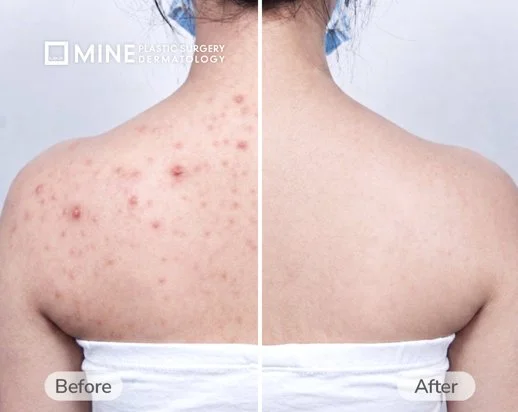
A single session of the Aladdin Peel or Black Peel will produce visible improvement — reduced congestion, smoother texture, and calmer redness — but one session alone is unlikely to achieve full, lasting clearance of back or chest acne. Body acne involves deeply embedded comedones and sebaceous gland activity that requires repeated treatment cycles to bring under control.
Mine Clinic recommends a minimum of 3 sessions spaced 3–4 weeks apart for most patients. This multi-session approach allows each peel to build on the results of the previous one, progressively clearing the pores, reducing active lesions, and preventing new breakouts from forming. Patients with more severe or long-standing body acne may benefit from additional sessions as part of a longer-term maintenance program.
For international patients who cannot stay in Seoul for all three sessions, we offer flexible scheduling options — including a first session during your visit, with subsequent sessions during a return trip or with a follow-up protocol you can maintain at home between visits.
Chemical Peels for Body Acne (General)
Beyond the Aladdin and Black Peel, Mine Clinic also offers a range of additional medical-grade chemical peel formulations using AHA, BHA, and TCA solutions that can be tailored to specific acne presentations. These are significantly more potent than at-home formulas and produce faster, more predictable results under clinical supervision.
Important: Risks, Side Effects & Safety
At Mine Clinic, we believe that informed patients make the best decisions. Below is an honest overview of what to expect with professional acne treatments:
Common and Expected Side Effects
Depending on the treatment chosen, patients may experience:
- Temporary redness and warmth (common after laser and light therapies, typically resolving within 72 hours)
- Mild peeling or flaking (expected after chemical peels; part of the skin renewal process)
- Increased sun sensitivity (essential to use SPF diligently during and after treatment)
- Initial purging (some topical retinoids and medical-grade treatments may cause a temporary increase in breakouts before improvement; this is a normal skin adjustment response)
- Dryness and tightness (particularly with oral isotretinoin or aggressive topical regimens)
Rare but Important Risks to Be Aware Of
- Post-inflammatory hyperpigmentation (PIH) — particularly relevant for patients with medium to deep skin tones (Fitzpatrick Types III–VI)
- Scarring in very rare cases where the skin barrier is compromised during aggressive treatment
Aftercare Instructions for Body Acne Treatments
- Day 1–3: Avoid direct sun exposure, heat, and sweating. Use only gentle, prescribed cleansers.
- Day 3–7: Begin introducing prescribed moisturizers and healing serums. Continue SPF application daily.
- Day 7+: Skin begins to look noticeably clearer. Some residual peeling may continue.
Support While You’re in Seoul
Mine Clinic’s international patient services include:
- English-speaking coordinators available via WhatsApp
- Assistance with accommodation recommendations near the clinic in Gangnam
- Step-by-step guidance for getting to our clinic via our directions page
- Follow-up consultations via video call after you return home
For patients combining dermatology with other cosmetic procedures, Mine Clinic offers integrated treatment planning to maximize your time in Seoul. Explore related services such as Brightening Treatments or our Acne Dermatology Page for more details.
Frequently Asked Questions
1. Is body acne treated differently from facial acne?
Yes — while the underlying biology is similar, body acne is often treated with higher concentrations of active ingredients because the skin on the back, chest, and shoulders is thicker and less sensitive than facial skin. Additionally, body acne is more prone to acne mechanica (friction-induced) triggers, which require specific lifestyle modifications. At Mine Clinic, our dermatologists perform a full-body skin assessment to develop a treatment plan suited specifically to the affected body areas.
2. Can I combine body acne treatment with other procedures during my trip to Seoul?
Absolutely. Many international patients combine their dermatology appointments with cosmetic procedures or other skin treatments during a single trip. Our team will help you structure a safe and efficient treatment schedule. Popular combinations include body acne treatment alongside skin-brightening therapies or injectable skin boosters like Rejuran and Exosome Therapy. We’ll ensure your treatments are scheduled in the correct order to optimize healing and results.
3. How many sessions will I need to see results for body acne?
This varies based on acne severity, skin type, and the treatment protocol selected. For mild-to-moderate body acne, patients often see meaningful improvement within 4–6 weeks of beginning a medical skincare regimen. Advanced treatments like PDT or laser therapy may require 3–5 sessions spaced several weeks apart for optimal outcomes. During your online consultation, our dermatologists will give you a realistic timeline tailored to your case.
4. Will body acne come back after treatment?
Because body acne is often driven by ongoing factors like hormones, lifestyle, and genetics, maintenance is an important part of any long-term management strategy. Our dermatologists will provide you with a comprehensive maintenance plan — including prescription skincare and periodic clinic visits or remote consultations — to help sustain your results after returning home. Mine Clinic also offers ongoing support through virtual consultations for patients who cannot return to Seoul in person.
5. Is it safe to get dermatology treatments in Korea as an international patient?
Yes. South Korea’s medical system is internationally recognized for its safety standards, technological advancement, and medical professionalism. Mine Clinic holds rigorous internal safety protocols aligned with global medical standards. Our care and safety page outlines how we protect every patient — regardless of nationality — throughout their treatment journey. Thousands of international patients visit our clinic in Seoul each year with confidence.
Start Your Clear Skin Journey at Mine Clinic Seoul
Interested in professional body acne treatment in Korea? Contact Mine Clinic today for a personalized online consultation. We are ready to assist you on WhatsApp and guide you through your K-Beauty journey in Seoul.
👉 Book Your Online Consultation 👉 Make an Online Reservation 👉 Explore Our Dermatology Services
Reviewed by Dr. Lee Sung-wook, Board Certified Plastic Surgeon at Mine Clinic.
Medical Disclaimer: This content is for informational purposes only and does not substitute professional medical advice. Always consult a qualified healthcare provider before beginning any medical treatment or skincare regimen.
※ This content is for informational purposes only and does not replace professional medical advice, diagnosis, or treatment. Individual results may vary, and side effects may occur. Please consult with a board-certified plastic surgeon for personalized advice.