EN
EN

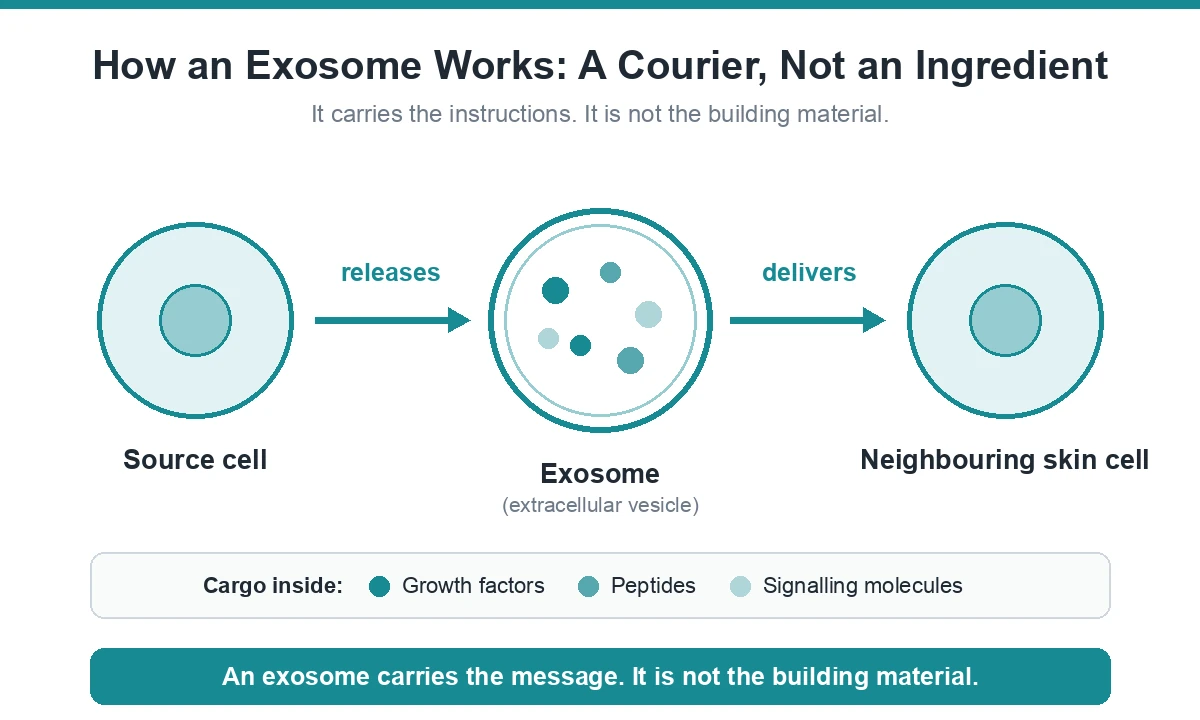
Exosome treatment in Korea is a skin procedure built around exosomes — nanoscale vesicles that cells release to carry growth factors, peptides and other instructions to neighboring cells. In other words, an exosome is not a filler and not a collagen-building polymer. It is a courier: it does not add volume itself, it delivers the signals that tell your skin what to repair.
That distinction matters more than it first sounds, because most patients meet exosomes while comparing them with two injectables they already know. Juvelook and Rejuran both place a substance into the skin with a needle. At MINE, exosomes are generally not handled as a standalone injection at all — they are paired with a laser or microneedling channel so the cargo can be absorbed through the surface.
So the honest question is not which of the three is stronger. It is which one addresses the concern you actually have. This guide explains what an exosome is, what is inside the vials used at our clinic, how the three approaches differ in category rather than in ranking, and what the regulatory picture genuinely looks like in 2026.
Table of Contents
- What Exosome Treatment in Korea Actually Is: A Courier, Not an Ingredient
- Inside the Vial: What MINE’s Two-Part Exosome System Delivers
- Exosomes vs Juvelook (PLLA) vs Rejuran (PDRN): Three Different Jobs
- Why the Delivery Route Changes Everything: Laser-Assisted vs Injected
- Which Skin Concerns Belong to the Exosome Lane (and Which Do Not)
- Safety, Side Effects and Regulation: What to Check Before You Book
- Planning Exosome Treatment in Korea: Sessions, Timeline and Next Steps
- Frequently Asked Questions
What Exosome Treatment in Korea Actually Is: A Courier, Not an Ingredient
Almost every explanation you will read online treats exosomes as a substance that gets added to your face, the way hyaluronic acid or collagen might be. That framing is the source of most of the confusion, and it is the reason people end up asking which product is better when the products are not really competing for the same job.
Extracellular Vesicles, Explained Without the Jargon
An exosome is an extracellular vesicle — a tiny bubble that a cell packages up and sends out. Think of it as a sealed envelope. The envelope itself is not the point; what is written inside is. Each vesicle carries a mix of growth factors, peptides and signaling molecules, and when a neighboring cell takes it in, it reads those contents as instructions about what to do next.
Dermatology literature has been describing exosomes in exactly these terms. In a 2025 review in the Journal of Clinical and Aesthetic Dermatology, exosomes are characterized as carriers of bioactive cargo between cells, with encouraging preclinical work in wound healing and skin regeneration — alongside a frank note that standardization across products is still limited.
Why does carrying signals matter for skin at all? Wound-healing textbooks answer that in fairly mechanical language. After skin is injured, cells release messenger proteins — epidermal growth factor, platelet-derived growth factor, insulin-like growth factor I and transforming growth factor beta. Those messengers switch on fibroblasts and keratinocytes, the two cell types that rebuild skin, and move the tissue into its repair phase.
Once repair mode is switched on, the skin builds a temporary scaffold out of young type III collagen, elastin, proteoglycans and hyaluronic acid. That scaffold is the framework new surface tissue is assembled on. Read that sequence again and notice what is doing the work: the growth factors never become the new skin. They are the instructions that tell resident cells to start making it. Exosomes are simply nature’s delivery envelope for that kind of instruction.
One piece of precision is owed to you here. That cascade is textbook wound-healing biology and it explains why the cargo exosomes carry is biologically meaningful. It is not, on its own, evidence that any specific exosome product delivers a measured cosmetic outcome. Those are two different claims, and this article keeps them separate.
Stem Cell Derived Exosomes Are Not Stem Cell Therapy
The product used at MINE is labeled STEM CELL DERIVED EXOSOME®, and that name understandably makes people assume living stem cells are being injected. They are not. What is used is a component derived from the stem cell culture process — the exosomes those cells released — not the cells themselves. “Derived from” and “made of” are not the same thing, and conflating them leads patients to expect something the procedure was never designed to do.
Inside the Vial: What MINE’s Two-Part Exosome System Delivers
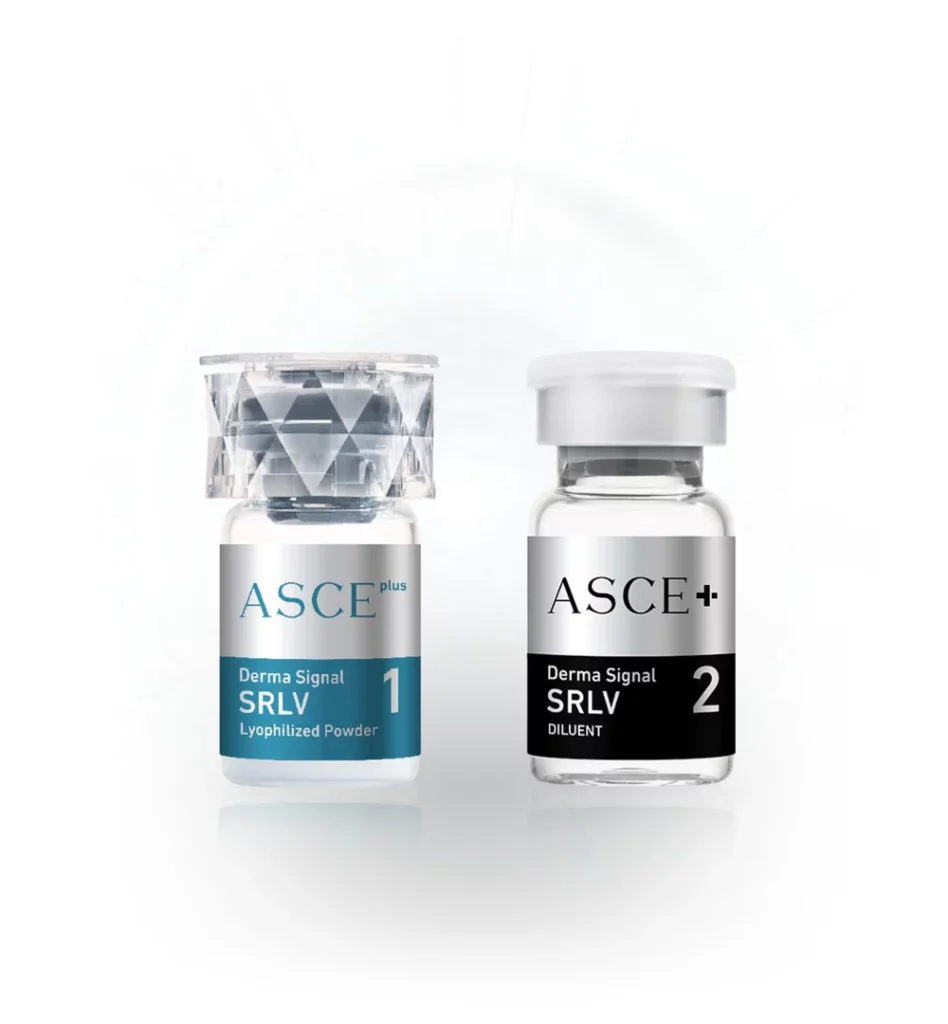
The formulation behind exosome treatment in Korea at our clinic arrives as two vials — one freeze-dried powder and one activating solution — mixed together immediately before use. That two-part design is not packaging theater. Biologically active ingredients are unstable in liquid, so keeping them freeze-dried until the moment of use is what preserves them, and mixing them fresh also increases how much of the active content the skin can absorb.
Vial 1 — The Freeze-Dried Powder
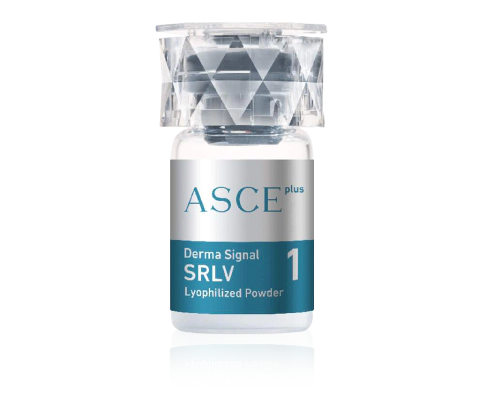
The first vial is a lyophilized (freeze-dried) SRLV powder that holds the key stem-cell-derived components, along with a range of active ingredients intended to support skin regeneration and nourish the tissue. In this state it is a dry solid, which is precisely the point — nothing is degrading while it sits on the shelf waiting to be used.
Vial 2 — The Activating Solution
The second vial is the activating solution, an SRLV diluent carrying high-concentration, high-molecular-weight hyaluronic acid plus 4 growth factors. Combining it with the exosome powder reconstitutes the formulation into its usable form. The full combined composition, as listed for the product used at our clinic, is:
- 5 growth factors — stimulate cellular activity in the skin; this is the anti-aging element of the formulation
- 6 peptides — support production of the skin’s essential structural components and its elasticity
- 19 amino acids — assist protein synthesis and help strengthen the skin barrier
- 4 coenzymes — antioxidant action that helps counter the aging process
- Vitamins and minerals — help remove reactive oxygen species and keep skin looking clear
- Glutathione — included as part of the antioxidant complement
- Hyaluronic acid — the skin’s natural moisturizing factor, for hydration
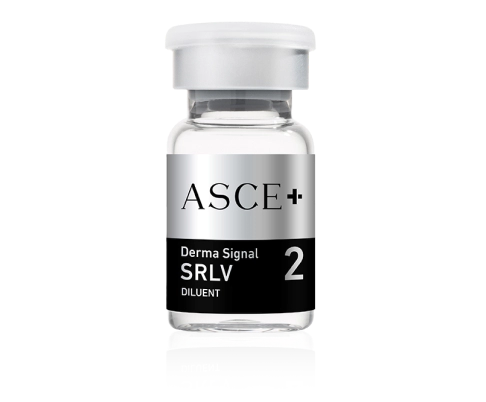
One clinic policy is worth stating plainly, because it runs against how these treatments are often marketed. Our policy on injectables, set by Dr. Lee Sung-wook, a board-certified plastic surgeon in Korea and MINE’s director, is simple: genuine product, and the full dose actually delivered. That comes with an unglamorous corollary — more injections do not mean a better result. A course is planned around your skin’s condition, not around volume, and a board-certified specialist should be willing to tell you when additional sessions would add nothing.
Exosomes vs Juvelook (PLLA) vs Rejuran (PDRN): Three Different Jobs
Here is where the comparison usually goes wrong. Patients line up three names and ask which wins, but the three sit in different categories. One rebuilds structure, one supplies repair material, and one carries instructions. Judging them against each other is a little like asking whether a bricklayer beats a delivery driver.
Juvelook: A Polymer That Asks Your Skin to Build Its Own Collagen
Juvelook is built on PLLA — poly-L-lactic acid, in its PDLLA form — a biodegradable polymer that is injected into the skin. It does not fill anything the way a hyaluronic acid filler does. Instead it acts as a biostimulator: the polymer prompts a controlled response from the tissue, and over the following weeks the body gradually produces its own new collagen around it.
The consequence is a slower, more structural change, which is why this axis is usually discussed in terms of volume, firmness and the depth of established lines. It also means the timeline is different — you are waiting on your own collagen production rather than on a substance already placed. If you are weighing the two formulations against each other, our Juvelook and Juvelook Volume comparison covers that ground in detail.
Rejuran: Salmon-DNA Signals Injected Directly Into the Skin
Rejuran is built on polynucleotides (PN/PDRN), long chains extracted and purified from salmon DNA. Their structure is close enough to the material our own cells work with that the skin accepts them as usable repair signals. They are injected, and they supply regeneration cues directly rather than provoking the skin into building a new structure. In practice, this is the axis associated with regeneration, hydration and sensitive or compromised skin.
| Exosome | Juvelook (PLLA) | Rejuran (PDRN) | |
|---|---|---|---|
| What it is | Nanoscale vesicles released by cells | Biodegradable poly-L-lactic acid polymer | Polynucleotides purified from salmon DNA |
| What gets delivered | Growth factors, peptides and signaling cargo | A polymer scaffold the body responds to | Repair-signal material the skin can use |
| How it is delivered | At MINE, through laser or MTS micro-channels | Injected into the skin | Injected into the skin |
| Main target | Texture, barrier, redness, pores | Volume, firmness, depth of lines | Regeneration, hydration, sensitive skin |
| Category | Delivery system | Collagen biostimulator | Regenerative injectable |
Readers who want the ingredient chemistry taken further — PDLLA against polynucleotides, side by side at the molecular level — will find the ingredient-level breakdown of PDLLA versus polynucleotides more useful than repeating it here. This article stays on the three-way distinction, with the exosome as the reference point.
Juvelook vs Exosome: The Question People Actually Ask
Patients ask this both ways round — Juvelook vs exosome, exosome vs Juvelook — and both phrasings are really asking the same practical thing: which one should I book? The answer is not a ranking, because the two are not interchangeable. Juvelook asks your skin to manufacture new structural material. An exosome preparation supplies signals and supporting ingredients through the surface without adding structure.
If your reflection bothers you because your face has lost firmness or contour, the collagen-building axis is the relevant conversation. If it bothers you because the surface looks rough, dull, reactive or open-pored while the shape is fine, that is the exosome lane. Patients frequently need one, sometimes both in sequence — but almost never for the same reason.
Why the Delivery Route Changes Everything: Laser-Assisted vs Injected
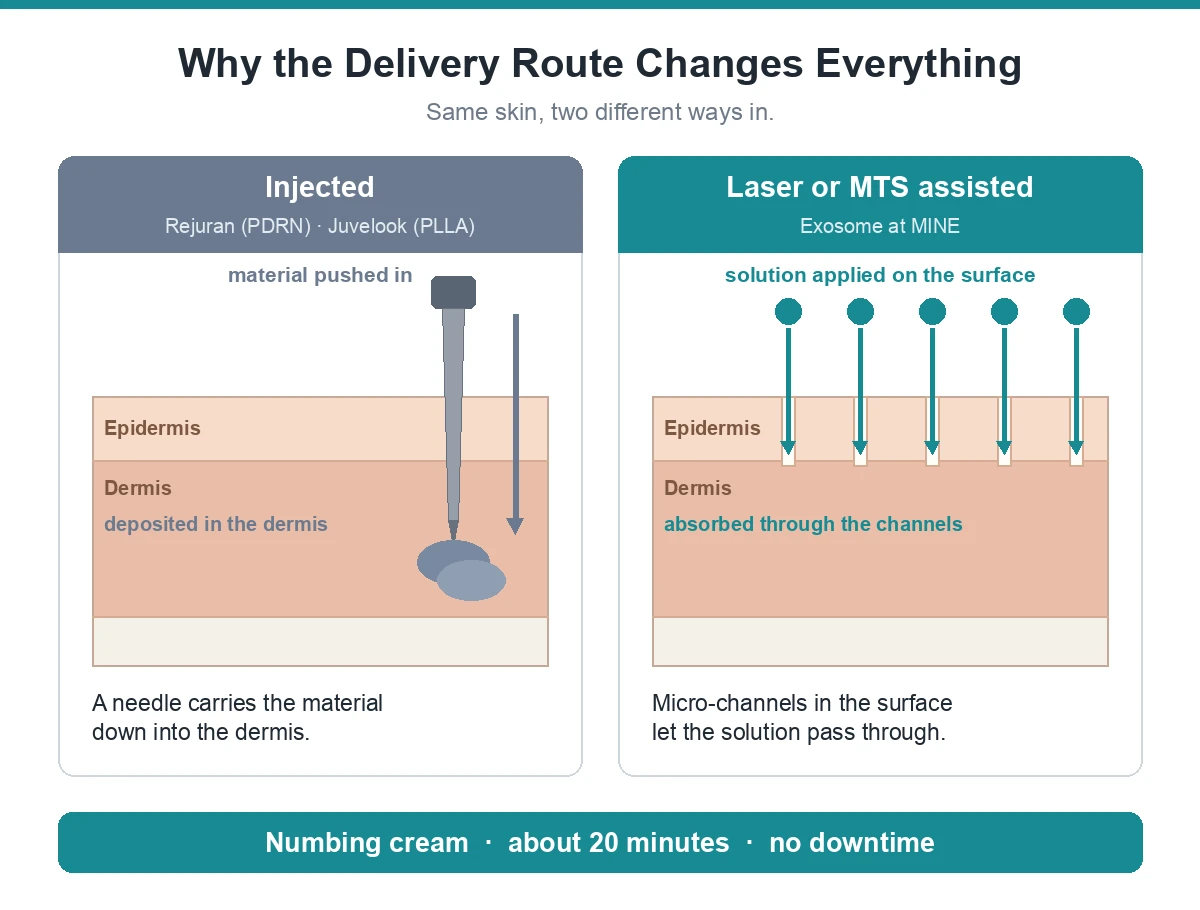
Most comparisons stop at ingredients, which is where they lose the plot. Rejuran and Juvelook are needle procedures — the material is placed into the dermis directly. Our exosome protocol is not run that way. The formulation is paired with a laser or MTS channel so it can pass through the outer layer, which makes how it goes in as decisive as what goes in.
How Exosome Treatment in Korea Is Performed at MINE
In practice, the surface is prepared so that micro-channels open a temporary pathway, and the reconstituted exosome solution is applied through them. The channel-making step itself has its own technique and its own comfort considerations, which we cover separately in our explanation of MTS microneedling delivery rather than duplicating it here.
The laser pairing works on the same principle, and it is why the treatment is frequently scheduled alongside a pore-targeting laser in a single appointment. If you want to see how that combination is actually sequenced during a visit, we describe how exosome therapy is combined with laser in a single visit in a dedicated article. Scheduling and combination planning belong there; the mechanism belongs here.
What One Session Looks Like: 20 Minutes, Numbing Cream, No Downtime
A single exosome session at MINE takes about 20 minutes and is performed under numbing cream only — no injectable anesthetic is involved. Downtime is zero: patients resume normal daily activity the same day, and there is no bandaging or recovery window to plan around.
Those specifications are not marketing softeners; they are a direct consequence of the delivery route. A procedure that opens micro-channels and applies a solution through them does not require the depth, the anesthesia or the recovery that a deeper injectable does. When a clinic quotes a topical-only, no-downtime protocol, the delivery method is what makes that possible — and that is exactly why the route deserves as much of your attention as the ingredient list.
Which Skin Concerns Belong to the Exosome Lane (and Which Do Not)
Once you stop ranking the three and start matching them to problems, the decision gets much simpler. Each axis has a lane it does well, and a lane where it is simply the wrong tool.

Texture, Barrier, Redness and Pores — the Exosome Lane
The concerns our exosome protocol is oriented around are surface-level and barrier-level rather than structural. The profile it suits, as described for the treatment itself, includes:
- Dry, dull skin with a rough or uneven texture
- Skin that has lost its glow and vitality
- Skin weakened by a harsh environment or by over-treatment
- Frequent breakouts and recurring inflammation
- Enlarged pores and the marks left behind by acne
- Sensitivity where the barrier no longer feels resilient
A careful word on that last group. Sensitive skin, eczema and acne are conditions a doctor diagnoses and manages, and this treatment is described as something that may help improve the look and comfort of such skin — not as a treatment for the disease itself. If you have an active skin condition, whether any booster is appropriate for you is a clinical decision made at consultation, not something an article can settle.
When a Combination Makes More Sense Than a Single Treatment
Because the three axes solve different problems, they are not mutually exclusive, and combining them is routine rather than exotic. In our own practice a Rejewel skin-repair injection and an exosome-plus-pore-laser session are sometimes carried out in the same appointment for patients whose concerns span both lanes.
What this article deliberately will not do is prescribe a combination for you. Which treatments pair well, in what order, and with how long between them depends on your skin’s current state, your history and what you are trying to change. That belongs in a consultation with a board-certified specialist who can examine the skin in person.
Safety, Side Effects and Regulation: What to Check Before You Book
Before booking exosome treatment in Korea, read the part most clinic pages skip — because it is the part that should decide where you go. Exosomes are a young field, and being straightforward about what is and is not established is part of practicing responsibly.
Are Exosomes FDA Approved? The Honest Answer
No. As of 2026, there are currently no FDA-approved exosome products — for cosmetic use or otherwise. According to the U.S. FDA’s public safety notification on exosome products, exosomes intended to treat conditions in people are regulated as drugs and biological products, and the agency has publicly warned about unapproved products marketed to patients.
It is worth unpacking what that does and does not mean. “Not approved” is a regulatory statement about a specific review process in a specific country. It is not a synonym for illegal, and it is not a verdict of danger. It means no exosome product has cleared U.S. pre-market drug review, and regulatory frameworks differ between countries — so a marketing claim of FDA approval attached to any exosome treatment, anywhere, should be treated as a reason to ask harder questions.
The evidence picture deserves the same honesty. A 2025 analysis in the International Journal of Molecular Sciences asked directly whether extracellular-vesicle research on skin aging has yet produced enough clinical-trial evidence, and concluded that the clinical base remains thin. Promising mechanism, immature evidence. Any clinic telling you otherwise is telling you something the literature does not currently support.
Possible Side Effects and Who Should Postpone Treatment
No procedure that breaks the skin surface is without risk, and a no-downtime protocol is not the same as a no-risk one. Reactions that can occur include:
- Temporary redness, swelling or a stinging sensation at the treated area
- Mild sensitivity or flaking in the days immediately afterward
- Uncommonly, inflammation or infection where the barrier was opened
- Uncommonly, pigment changes, particularly in skin that marks easily
- Hypersensitivity in patients with a history of reaction to related ingredients
Treatment should be deferred and discussed with a doctor first if you are pregnant or breastfeeding, if there is an active infection or an inflamed skin condition in the treatment area, or if you have previously reacted to related ingredients. Results vary between individuals, and no honest clinic will describe an outcome as assured.
Questions Worth Asking Any Clinic in Korea
- Which specific product is being used, and can I see the packaging?
- How is it delivered here — injected, or through a laser or microneedling channel?
- Who performs the procedure, and are they a board-certified specialist?
- What are the realistic limits for my particular concern?
- What is the plan if my skin reacts more than expected?
Planning Exosome Treatment in Korea: Sessions, Timeline and Next Steps
If the exosome lane matches your concern, the practical question becomes how a course is structured. MINE’s protocol recommends 3 sessions spaced 2 to 3 weeks apart, with each appointment running about 20 minutes.
A Realistic Three-Session Schedule
| Session | Timing | What this stage is for |
|---|---|---|
| Session 1 | Day 0 | Baseline assessment and first delivery; skin comfort and hydration are usually what patients notice first |
| Session 2 | 2–3 weeks later | Builds on the first while the skin’s own repair cycle is still active; parameters adjusted to how you responded |
| Session 3 | A further 2–3 weeks later | Completes the recommended course; your specialist reviews whether maintenance is warranted at all |
Two caveats belong beside that table. Results differ from person to person, and the number of sessions is not a dial that scales with outcome — our clinic’s position that more injections do not mean a better result applies here as much as anywhere. A course that is right for your skin may be shorter than three sessions, or may not be the right starting point at all.
What to Bring Up in Your Consultation
Come with your actual complaint rather than a product name. “My skin looks rough and reacts to everything” leads to a better assessment than “I want exosomes,” because it lets the doctor work out which axis your concern sits on. Bring your history of previous treatments, any active skin conditions, and the medications and actives you currently use.
Whether exosome treatment in Korea is the right starting point for you, or whether a different axis fits your concern better, is a clinical judgment that requires seeing the skin. If you would like that assessment, you can start with MINE’s exosome treatment page and arrange a consultation with Dr. Lee Sung-wook or another board-certified specialist at MINE — including a photo-based pre-assessment if you are planning a trip from overseas.
Frequently Asked Questions
Are exosomes FDA approved?
No. There are currently no FDA-approved exosome products — for cosmetic use or otherwise — and in the United States exosomes intended to treat conditions in people are regulated as drugs and biological products. The FDA has issued a public safety notification about unapproved exosome products. At MINE, exosome preparations are not used as a standalone injectable — they are delivered through a laser or microneedling channel.
Juvelook vs exosome: what is the difference, and which should I book?
They belong to different categories. Juvelook injects PLLA, a biodegradable polymer that acts as a biostimulator, prompting your body to produce its own new collagen over the following weeks — the volume and firmness axis. An exosome preparation does not build structure; it carries growth factors and peptides as signals. So the choice is not which is better, but whether your concern is structural or surface-level.
How many exosome sessions do I need in Korea?
MINE’s protocol recommends 3 sessions at 2 to 3 week intervals, with each session taking about 20 minutes under numbing cream and no downtime afterward. That said, the course is tailored to your skin’s condition, and the number of sessions does not scale with the result — more injections do not mean a better result.
Is exosome treatment the same as stem cell therapy?
No. The product name STEM CELL DERIVED EXOSOME® causes this misunderstanding often. Living stem cells are not injected. What is used is a component derived from the stem cell culture process — the exosomes released by those cells. This article makes no claims about stem cell therapy itself, which is a separate field with its own regulatory and clinical considerations.
Can exosome treatment be combined with Rejuran or Juvelook?
Yes, and combinations are common precisely because the three work on different axes. Our clinic runs combined sessions — for example a Rejewel skin-repair injection alongside an exosome-plus-pore-laser treatment. Which combination suits you, and in what order, is decided at consultation. For how combined visits are sequenced in practice, see our guide to planning dermatology treatments in Seoul.
How long does recovery take after exosome treatment?
There is no downtime — patients return to normal daily activity the same day. Temporary redness or a mild stinging sensation can occur for a short period afterward, and how noticeable this is varies between individuals. Your clinician will advise on sun protection and on which active skincare ingredients to pause in the days following a session.
※ This content is for informational purposes only and does not replace professional medical advice, diagnosis, or treatment. Individual results may vary, and side effects may occur. Please consult with a board-certified plastic surgeon for personalized advice.