EN


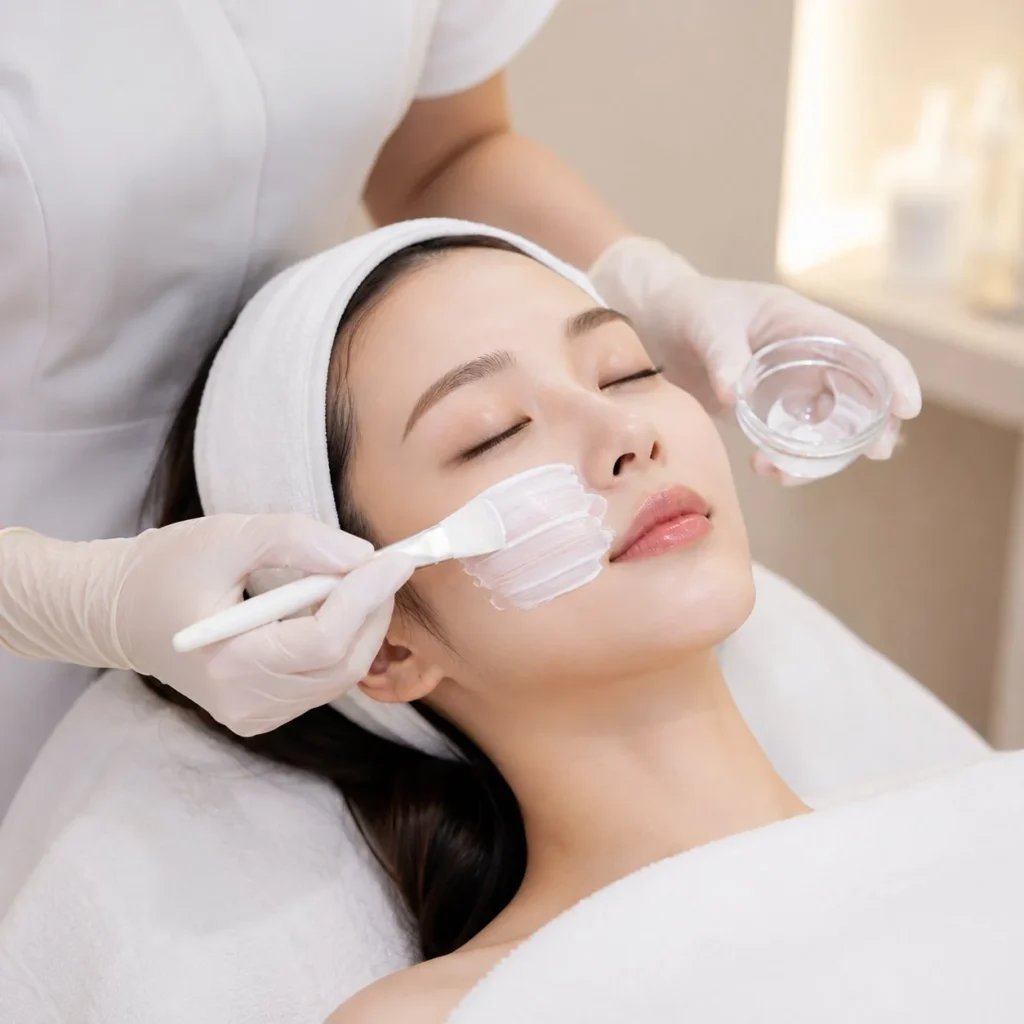
Rejuran pain is the stinging, pressure-like discomfort you feel when a PN (polynucleotide) skin booster such as Rejuran or MINE Re-Jewel is placed into the dermis through many tiny, shallow injections. With numbing cream, cooling and slow injection, it is usually very manageable.
“I’m nervous the injections will hurt too much.” It is one of the first things patients say to me when they ask about skin regeneration treatments. Rejuran has a good reputation for improving skin quality, so it is natural that the next thought is about the needle.
In this guide I focus only on Rejuran pain: why it happens, which areas and skin types feel it more, the five things we do at MINE in Seoul to make it easier, how long any soreness lasts, and what you can do before and after your session to keep pain and bruising down.
Does Rejuran Hurt? Why Rejuran Pain Happens
Rejuran is a skin booster made from PN and PDRN, purified DNA fragments that help the skin repair itself. At our clinic we use the MINE Re-Jewel skin booster, our signature treatment built on Rejuran. If you are curious about how Re-Jewel combines Rejuran with other ingredients, that article explains the formula in detail.
Whichever product is used, the target is the same: the dermis, the deeper layer of skin under the surface where collagen is made. A cream cannot reach that far, so the ingredient has to be placed there with a fine needle. That is where the sensation comes from. Rejuran pain is less a problem with the injection itself and more a natural result of how the treatment works.

Many shallow injections: pain that adds up
To spread the product evenly across an area, it is placed through many small, shallow injections rather than one deep one. No single prick is very painful. What patients notice is that the sensation repeats and builds up over the session.
This is why people who have had a single filler injection sometimes find a skin booster more bothersome overall, even though the needle is smaller. Cumulative discomfort is best managed by planning the whole session, not just the first prick.
Dermal pressure: the sting comes from the product spreading, not the needle
When the product goes into the dermis instead of the outer skin, it briefly stretches that tight layer. You feel this as pressure and a sharp, stinging sensation. In my clinical experience, most of the pain patients describe comes not from the moment the needle goes in, but from the feeling of the product spreading through the dermis.
That is good news, because it means injection speed matters a lot. Plastic surgery textbooks note that even sharp-needle injections can be made almost painless when the product is injected slowly and steadily. Proper numbing plus a controlled pace changes how much you feel.
Product thickness and the “heavy, full” feeling
PN-based boosters are thicker than plain water-based solutions. As the product settles into the tissue, some patients describe a dull, heavy or “full” feeling rather than a sharp sting. It is temporary and fades as the product spreads out.
Dr. Lee’s Key Point: Rejuran pain comes from many shallow injections and pressure in the dermis. How much you feel depends a great deal on the treatment area, the numbing method and the injection speed.
Who Feels It More? Sensitive Areas and Skin Types
The same treatment can feel quite different from one person to the next, and even from one part of the face to another. Skin thickness, the number of nerve endings and each person’s pain threshold all vary, so the treatment plan has to vary too.
Eye area, mouth and forehead: thin skin, dense nerves
Areas where the skin is thin and nerves are closely packed tend to be more sensitive. Around the eyes, around the mouth and on the forehead, patients usually feel more than on the cheeks, where the skin is thicker and has more cushioning underneath.
If these are your main treatment areas, it is worth mentioning any worries about pain at your consultation. We adjust technique for these zones, as explained in the next section.
Bruise-prone skin and blood-thinning medication
Some people bruise easily, and certain medications or supplements can make bleeding under the skin more likely. A bruise is not only a cosmetic issue: a tender bruise can make the area sore for longer.
Bruise-prone patients can still have Rejuran. The important thing is to tell your doctor beforehand, especially if you take anything that thins the blood. We can then plan the timing and technique to reduce bruising.
Pain sensitivity varies by person (cycle timing, anxiety)
Your body is more sensitive to pain at some times than others. Many women feel more sensitive around their menstrual period, so booking outside that time can help.
Anxiety plays a role as well. Cosmetic dermatology textbooks describe how a calm, reassuring approach, without the patient watching the needles, lowers anxiety and with it the pain a patient feels. If you are very nervous, say so. A few extra minutes to explain each step often makes a real difference.
For patients who are very sensitive to needles, a needle-free option is also available. You can read about our needle-free MTS skin booster method and discuss whether it suits your goals.
Dr. Lee’s Key Point: Thin, nerve-rich areas like the eyes, mouth and forehead feel more. Tell us if you bruise easily, take blood thinners or feel very anxious, so we can plan around it.
5 Ways We Reduce Rejuran Pain at MINE
Can Rejuran pain be reduced? Yes. At MINE we treat pain as something to manage, not something you simply have to put up with. The approach rests on three ideas: enough numbing, precise injection technique and a pace matched to the patient. In practice, that becomes five steps.
| Step | How it is done | What it helps |
|---|---|---|
| 1. Topical numbing | Numbing cream applied, then a full waiting time | Eases the surface sting where the needle enters |
| 2. Cooling | The treatment area is cooled | Reduces stinging and heat |
| 3. Fine-gauge needles | Very thin needles are used | Minimizes the prick at each entry point |
| 4. Technique for sensitive zones | A cannula can be used in sensitive areas when needed | Lowers the risk of bruising and soreness |
| 5. Slow, even injection | The product is injected slowly and evenly | Reduces the pressure and “full” feeling |
Numbing cream: why we never rush the ~30-minute wait
Rejuran numbing cream is the foundation of a comfortable session. The cream needs time to soak into the skin before it works. Medical textbooks recommend allowing 30 to 60 minutes for numbing cream to take effect before injections, so at MINE we leave it on for about 30 minutes or more and never shorten the wait.
Some patients ask about Rejuran products that already contain an anesthetic. There is a version, Rejuran HB, which contains lidocaine, a common local anesthetic. Whether it is right for you depends on your skin and treatment goal, which we can discuss at your consultation.
Cooling, fine needles and cannula for sensitive zones
Cooling the skin calms the stinging and warmth during and after injections. Dermatology textbooks note that ice packs can provide a numbing effect similar to that of topical anesthetic cream, which is why cooling is a useful addition.
Needle size matters too. According to cosmetic dermatology textbooks, 30-gauge needles are about the same size as acupuncture needles and cause minimal pain in a calm patient. For sensitive areas we may use a cannula, a thin needle with a blunt, rounded tip that pushes tissue aside rather than cutting through it. Plastic surgery textbooks report that blunt cannulas cause far less bruising than sharp needles.
Slow, even injection speed
Because most Rejuran pain comes from the product stretching the dermis, a slow, steady pace makes a clear difference. Injecting gently gives the tissue time to accept the product, which reduces the pressure and that heavy, full feeling.
Patients often believe that “the more it hurts, the better it works.” In my clinical experience, that is not true. How much a treatment hurts has nothing to do with how well it works, and forceful injection can actually increase bruising and swelling. Precise, gentle injection is better for both your result and your recovery.
Dr. Lee’s Key Point: Numbing cream (about 30 minutes or more), cooling, fine needles and slow injection, used together, bring Rejuran pain down to a level most patients find very tolerable.
How Long Does Rejuran Pain Last? Soreness and Recovery
Any treatment that places a product into the skin with a needle can cause some temporary changes besides pain. I believe being open about these is the basis of trust between doctor and patient.
Redness and stinging: 2-3 days
Mild redness and a light stinging feeling at the injection points usually last 2-3 days and then settle. Most patients return to daily life the same day or the next day, which helps if you are visiting Seoul on a short trip.
Small raised marks at the injection points are also common right after treatment. They usually flatten within a few days as the product is absorbed. For more detail, see our guide to Rejuran bumps and when they flatten.
Bruising and swelling: up to 1-2 weeks
If a small blood vessel is touched, a bruise can form. Redness and stinging usually settle within 2-3 days, while bruising or swelling can take 1-2 weeks to fade, depending on the person. If you do bruise, plan for up to two weeks before it disappears completely.
Less common reactions include infection, inflammation, pigment changes and allergic reactions. These are rare, but if any unusual symptom lasts or gets worse, please come back to the clinic instead of waiting it out.
The Korean Dermatological Association advises that skin injection treatments be carried out by qualified medical professionals in a hygienic setting, and provides information on treatment safety and side effects.
Easing tenderness at home: icing and acetaminophen
For mild tenderness in the days after treatment, gentle icing from time to time can help. Dermatology textbooks note that acetaminophen (paracetamol) is preferred over NSAIDs such as ibuprofen for post-injection tenderness, because NSAIDs can make bruising worse. Always follow your own doctor’s advice on which pain reliever is right for you.
Dr. Lee’s Key Point: Redness settles in about 2-3 days and bruising or swelling within 1-2 weeks. If anything unusual lasts longer, see your doctor rather than judging it yourself.
Before and After Your Session: Tips for Less Pain and Bruising
The same treatment can feel very different depending on how you prepare and look after your skin. These are the points I stress to every patient.
Before: blood thinners, supplements and alcohol
- Blood-thinning medication or supplements should be reviewed with your doctor 1-2 weeks before treatment. Never stop a prescribed medicine on your own.
- Avoid heavy drinking the day before. Alcohol can increase bruising and swelling.
- If you can, avoid booking during your menstrual period or other times you know you feel more sensitive to pain.
- Arrive with enough time so the numbing cream can work fully without rushing.
After: what to avoid for a few days
- On the day of treatment, keep face washing and makeup to a minimum and avoid touching the injected areas.
- Avoid saunas, hot packs, intense exercise and alcohol for a few days to limit irritation and swelling.
- If you have bruising or swelling, do not press or massage it yourself. Follow your medical team’s advice.
- Use sunscreen carefully to lower the risk of pigment changes.
Our aftercare team at MINE can also guide you through recovery after your treatment, which is especially useful if you are flying home soon after your session.
Dr. Lee’s Key Point: Managing alcohol and medication beforehand, then avoiding heat, rubbing and sun afterward, noticeably reduces pain, bruising and recovery time.
Rejuran Pain FAQ
Can I get Rejuran without numbing cream?
It is possible, but we recommend topical numbing to reduce discomfort. Numbing cream usually takes effect after about 30 minutes, and for sensitive patients we add cooling and other calming measures.
How painful is Rejuran compared with a filler injection?
Each prick with Rejuran is smaller, but because there are many shallow injections, the sensation adds up and can feel more bothersome overall. Numbing cream and a slow injection pace keep it very manageable for most patients.
Does more pain mean Rejuran works better?
No. Pain does not reflect how well the treatment works. Gentle, precise injection actually reduces bruising and swelling, which is better for both your result and your recovery.
I bruise easily. Can I still have Rejuran?
Yes, but talk to your doctor first, especially if you take blood-thinning medication or supplements. We can adjust the timing and technique, for example using a cannula in sensitive areas, to lower the chance of bruising.
How long does the soreness last after Rejuran?
Stinging and redness usually settle within 2-3 days, and bruising, if it appears, can take 1-2 weeks to fade. Most people return to daily life the same day or the next day.
Talk to Dr. Lee Before Your First Session

Rejuran pain is very manageable. What matters more than “how much does it hurt” is how precisely and safely the treatment is done. Skin thickness, nerve density, pain sensitivity and how easily you bruise all differ from person to person, so the right plan depends on an individual assessment.
For an accurate diagnosis and a treatment plan designed for your skin, I recommend an in-person consultation at MINE Plastic Surgery & Dermatology in Gangnam, Seoul. Cost depends on the treatment area and your skin condition, so we confirm it during your consultation. You can learn more about our MINE Re-Jewel skin booster treatment before you visit.
To arrange an online consultation, call +82-2-516-1175 or message us on WhatsApp or KakaoTalk.
Written and reviewed by Dr. Lee Sung-wook, Board-Certified Plastic Surgeon, MINE Plastic Surgery
※ This content is for informational purposes only and does not replace professional medical advice, diagnosis, or treatment. Individual results may vary, and side effects may occur. Please consult with a board-certified plastic surgeon for personalized advice.