EN
EN

Breast fat transfer (also known as breast fat grafting) is a procedure where fat is harvested from your own body and injected into the breasts, creating natural volume without artificial implants—making it a popular choice for many women. However, like all medical procedures, breast fat transfer comes with potential side effects and risks. For safe treatment, it’s essential to understand these complications and appropriate precautions.
This article provides a comprehensive overview of breast fat transfer—from common side effects to serious complications—and the precautions you should take from a professional perspective. If you’re considering this procedure, this information will help you make an informed decision.
Table of contents
Understanding Breast Fat Transfer and Its Popularity
Breast fat transfer is a procedure that involves extracting fat (autologous fat) from your own body and injecting it into your breasts to improve size and shape. Typically, fat is harvested from areas with abundant fat deposits such as the abdomen, thighs, or buttocks, then processed and injected into the breasts.
The main reasons for this procedure’s growing popularity include:
- Natural results: Using your own fat rather than artificial implants creates a more natural feel and appearance.
- Dual benefits: The procedure offers two advantages—slimming the harvest sites while increasing breast volume.
- No foreign body rejection: Using your own tissue eliminates the risk of rejection or capsular contracture associated with artificial implants.
- Long-term safety: Successfully grafted fat can last for many years.
Despite these advantages, breast fat transfer carries various side effects and risks. Understanding these potential complications is crucial before deciding on the procedure.
Types and Frequency of Breast Fat Transfer Side Effects
Breast fat transfer complications range from mild to severe. Let’s explore these side effects and their occurrence rates.
Common Side Effects and Their Probability
- Swelling and bruising: Appears in most patients and gradually decreases within 2-3 weeks. (Occurrence rate: approximately 95%)
- Temporary pain and discomfort: Can occur in both the harvesting and injection sites and is managed with pain medication. (Occurrence rate: approximately 80%)
- Temporary sensation changes: Numbness or hypersensitivity may temporarily occur in the harvesting area or breast region. (Occurrence rate: approximately 50%)
- Irregular contours: The surface may become bumpy if the fat doesn’t graft evenly. (Occurrence rate: approximately 20-30%)
Fat Necrosis and Calcification
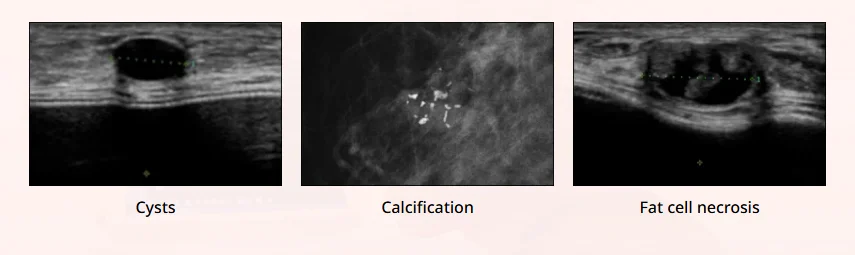
Fat necrosis occurs when injected fat cells fail to receive adequate blood supply and die. This can lead to the following complications:
- Fat necrosis: Formation of dead tissue when portions of injected fat fail to survive. (Occurrence rate: approximately 10-15%)
- Fat calcification: Necrotic fat may calcify over time, forming hard lumps. (Occurrence rate: approximately 5-10%)
- Cyst formation: Cysts may form around necrotic fat. (Occurrence rate: approximately 5%)
These issues may require treatment such as ultrasound-guided aspiration, injection therapy, or surgical removal.
Asymmetry and Uneven Results
Breast fat transfer may result in asymmetry or uneven surface due to:
- Uneven fat survival: Injected fat may survive differently in various areas, causing asymmetry.
- Excessive fat injection: Injecting too much fat at once can lower survival rates and create irregular contours.
- Fat migration: Injected fat may shift or redistribute over time.
These issues may resolve naturally over time, but severe cases might require additional procedures.
Infection and Inflammation-Related Complications
Infection and inflammation after breast fat transfer are rare but serious complications:
- Infection: Procedure sites may become infected. (Occurrence rate: less than 1%)
- Persistent inflammation: Chronic inflammation may occur due to immune response.
- Granulomas: Hypersensitivity reactions to injected fat may form granulomas. (Occurrence rate: very rare)
These complications may require antibiotic treatment or sometimes surgical intervention.
Liposuction Site Complications
Several side effects can also occur at the fat harvesting sites:
- Uneven contours: Liposuction may result in bumpy surfaces if not performed evenly.
- Skin sagging: If skin elasticity is poor, skin may sag after fat removal.
- Pigmentation: Hyperpigmentation or skin discoloration may appear at liposuction sites.
- Scarring: Although performed through small incisions, scarring may still occur.
How Serious Can Breast Fat Transfer Complications Be?
Complications from breast fat transfer range from mild to potentially life-threatening. Most complications are temporary and can be resolved with proper management, but some may have long-term effects.
Mild complications cause temporary discomfort but resolve naturally over time:
- Swelling, bruising, temporary pain
- Minor asymmetry or bumpiness
- Temporary sensation changes
- Minor irregularities at the harvesting site
Moderate complications may require additional medical intervention:
- Fat necrosis and calcification
- Persistent asymmetry or contour irregularities
- Chronic pain
- Severe irregularities or skin sagging at the harvesting site
Severe complications are rare but require urgent medical treatment:
- Severe infection
- Massive fat necrosis
- Fat embolism (extremely rare)
- Antibiotic-resistant infection
Fat embolism is one of the most serious complications, occurring when injected fat enters the bloodstream and travels to the lungs or other organs, causing an embolism. This is extremely rare but potentially life-threatening. According to the American Society of Plastic Surgeons, the occurrence rate of fat embolism in breast fat transfer is less than 0.01%, but special caution is necessary due to its potential fatality when it occurs.
The severity of complications depends on several factors:
- The surgeon’s experience and skill
- Technique used
- The patient’s overall health
- Quality of post-operative care
- Prompt treatment of complications
Main Causes of Breast Fat Transfer Failure and Risk Factors
Various factors contribute to breast fat transfer failure or complications. Understanding these causes can help minimize risks before the procedure.
Patient-Related Factors
The patient’s physical condition and lifestyle significantly affect fat graft survival:
- Smoking: Smoking reduces blood flow, significantly lowering fat survival rates. Abstaining from smoking for at least 3 weeks before and after the procedure is recommended.
- Underlying conditions: Diabetes, autoimmune diseases, or circulatory disorders can negatively impact fat survival and recovery.
- Medication use: Anticoagulants, aspirin, and some non-steroidal anti-inflammatory drugs can increase bleeding risk.
- Weight changes: Dramatic weight changes after the procedure can affect results. Weight loss may reduce the volume of transferred fat.
- Breast tissue characteristics: Firm breast tissue or previous breast surgery history may lower fat survival rates.
Medical Professional-Related Factors
The surgeon’s skill and experience are crucial for successful fat transfer:
- Improper fat harvesting technique: Fat cells must be harvested with appropriate pressure and technique to avoid damage.
- Problems with fat processing: Effective processing is essential for selecting only viable fat cells.
- Excessive fat injection: Injecting too much fat at once makes adequate blood supply difficult, lowering survival rates.
- Improper injection technique: Fat should be distributed evenly in small amounts across multiple layers.
- Lack of experience: Breast fat transfer requires high technical skill; inexperienced surgeons may achieve suboptimal results.
Post-Procedure Care Factors
Care during the recovery period significantly impacts results:
- Inappropriate compression: Excessive compression can restrict blood flow to newly transferred fat cells.
- Resuming exercise too quickly: Excessive movement and exercise can interfere with fat graft survival.
- Excessive massage: Overly aggressive massage of the treated area can damage transferred fat.
- Exposure to extreme temperature changes: Saunas, steam rooms, or ice packs can negatively affect fat survival.
Recognizing and managing these factors can increase the success rate of breast fat transfer and minimize complication risks.
When Should You Seek Medical Attention After Breast Fat Transfer?
During the recovery process after breast fat transfer, it’s important to distinguish between normal symptoms and serious conditions requiring medical attention. Here are symptoms that indicate you should see a doctor.
Symptoms Requiring Immediate Medical Attention
Contact your medical professional immediately or visit the emergency room if you experience:
- Sudden intense pain: Pain that progressively worsens or cannot be controlled with prescribed pain medication
- High fever (above 38°C/100.4°F): May indicate infection
- Shortness of breath or chest pain: Potential signs of fat embolism
- Abnormal bleeding: Persistent or excessive bleeding from the procedure sites
- Increasing redness, warmth, or swelling: May indicate infection
- Skin discoloration (blue or black): May indicate tissue necrosis
Symptoms Requiring Monitoring
The following symptoms aren’t immediate emergencies but should be reported to your doctor at your next regular check-up:
- Swelling persisting beyond two weeks: Some swelling is normal but should be checked if it persists or worsens
- Gradually growing hard lumps: May indicate fat necrosis or calcification
- Increasing asymmetry: One side becoming more swollen or size differences becoming more pronounced
- Persistent sensation abnormalities: Numbness or hypersensitivity lasting more than 2 months
- Discharge or delayed wound healing: Small incision sites normally heal within 1-2 weeks
Normal Recovery Symptoms
The following symptoms are normal during the recovery process:
- Mild swelling and bruising: Gradually decreases over 2-3 weeks
- Temporary sensation changes: Numbness or tingling around the procedure sites improves as nerves recover
- Mild pain and discomfort: Manageable with prescribed pain medication
- Slight unevenness at the harvesting and injection sites: Gradually improves over time
Regular follow-up appointments are essential for monitoring the recovery process and detecting potential problems early. If you experience unusual symptoms, professional diagnosis is safer than self-diagnosis.
Checklist for Preventing Breast Fat Transfer Complications
To minimize the risk of complications from breast fat transfer, there are important considerations before, during, and after the procedure. The following checklist can help ensure a safe procedure and recovery.
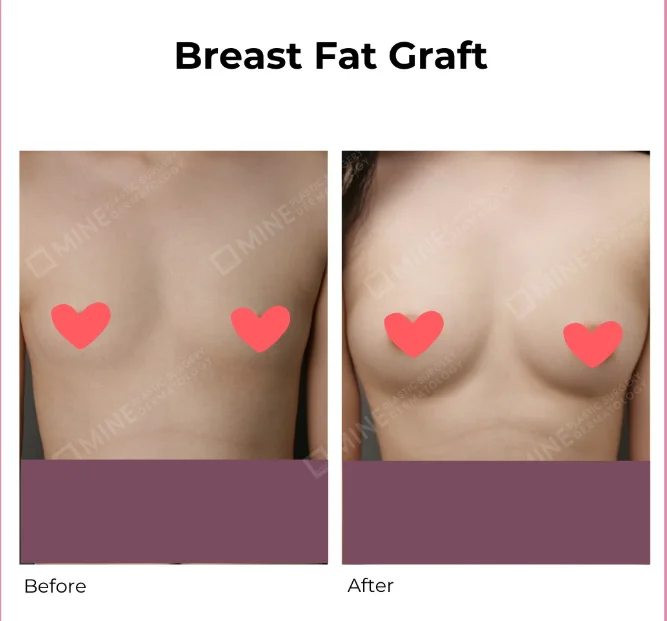
Pre-Procedure Preparation and Tests
Medical Evaluation and Tests:
- [ ] Comprehensive health examination and medical history review
- [ ] Blood tests (blood cell count, coagulation factors, infection markers)
- [ ] Breast examination (mammography, ultrasound as needed)
- [ ] Allergy and medication reaction check
Lifestyle Adjustments:
- [ ] Stop smoking at least 2 weeks before the procedure
- [ ] Avoid alcohol one week before the procedure
- [ ] Discontinue medications that increase bleeding risk (aspirin, anti-inflammatory drugs) after consulting with your doctor
- [ ] Maintain a healthy diet and adequate hydration
Psychological Preparation:
- [ ] Set realistic expectations (100% fat survival is impossible)
- [ ] Understand the recovery period and process
- [ ] Be fully informed about potential side effects and risks
Considerations When Choosing a Surgeon
Selecting an experienced and trustworthy surgeon is crucial for successful breast fat transfer:
- [ ] Verify professional qualifications: Plastic surgery certification and relevant society memberships
- [ ] Experience and expertise: Confirm extensive experience with breast fat transfer procedures
- [ ] Review portfolio: Examine previous cases and before/after photos
- [ ] Evaluate facilities: Check operating room environment, equipment, and hygiene
- [ ] Thorough consultation: Detailed explanation of personalized approach and expected results
- [ ] Complication management plan: Confirm protocols for handling potential complications
- [ ] Reviews and reputation: Research previous patients’ experiences and satisfaction
A trustworthy surgeon will transparently disclose potential side effects and limitations and suggest the most suitable options for the patient.
Post-Procedure Precautions and Management
Early Recovery Stage (1-2 weeks):
- [ ] Wear compression garments on liposuction area as recommended by your surgeon
- [ ] Take prescribed medications (antibiotics, pain relievers) exactly as directed
- [ ] Limit excessive physical activity and exercise
- [ ] Avoid smoking and alcohol
- [ ] Avoid direct pressure on the treated areas
- [ ] Monitor for infection signs (fever, redness, increasing pain)
Mid-Recovery Stage (2-6 weeks):
- [ ] Gradually return to light activities (after consulting with your doctor)
- [ ] Continue to avoid direct breast compression
- [ ] Limit sun exposure and manage scars
- [ ] Attend regular follow-up appointments
- [ ] Maintain a healthy diet and adequate hydration
- [ ] Avoid dramatic weight changes
Long-Term Management (6+ weeks):
- [ ] Maintain regular breast examinations
- [ ] Continue follow-up appointments to monitor long-term results
- [ ] Maintain stable weight
- [ ] Continue healthy lifestyle habits
- [ ] Consult about additional procedures if needed
Following this checklist helps increase the success rate of breast fat transfer and minimize complication risks. However, all recommendations should be adjusted according to individual health conditions and specific situations, so your doctor’s instructions should take priority.
Breast Fat Transfer vs. Implants: Comparison from a Complication Perspective
When considering breast enhancement, many wonder whether fat transfer or implants are safer. Let’s objectively compare the complications and safety aspects of both procedures.
Procedural Differences
Breast Fat Transfer:
- Uses your own fat harvested and injected into breasts
- No foreign body sensation
- Relatively small incisions
Breast Implants:
- Silicone or saline implants inserted
- Clear size and shape selection possible
- Requires relatively larger incisions and pocket formation
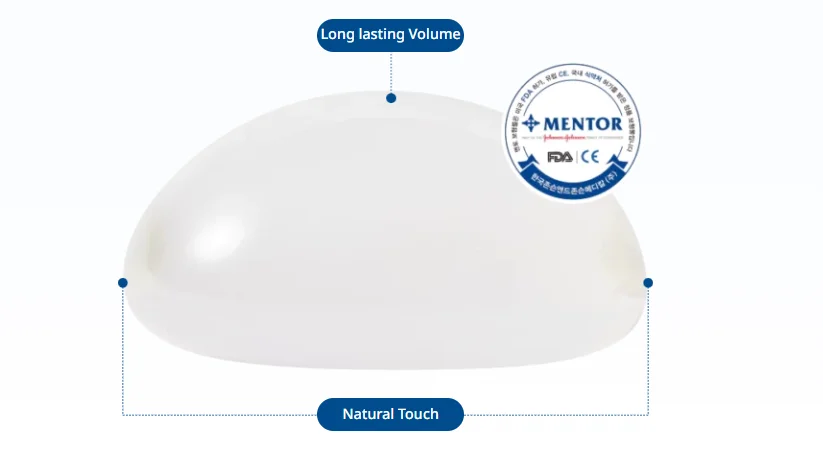
Comparison of Complication Types and Frequencies
| Complication Type | Breast Fat Transfer | Breast Implants |
|---|---|---|
| Overall Complication Risk | Moderate | Moderate |
| Infection Risk | Low (less than 1%) | Low (1-2%) |
| Asymmetry Occurrence | Moderate (20-30%) | Low-Moderate (10-20%) |
| Need for Revision Surgery | Moderate (due to survival rate issues) | Moderate-High (replacement needed) |
| Unnatural Feel | Low (natural tissue) | Moderate (foreign body sensation possible) |
| Long-term Complications | Calcification, cysts | Capsular contracture, rupture |
| Interference with Breast Screening | Minimal (some calcification) | Moderate (implants partially obstruct view) |
| Foreign Body Reaction | None | Present (capsular contracture, etc.) |
Advantages and Disadvantages Comparison
Breast Fat Transfer Advantages:
- Natural feel and appearance
- No foreign body reaction
- Small scars
- Liposuction benefit in donor areas
Breast Fat Transfer Disadvantages:
- Unpredictable survival rate (50-70%)
- Difficulty achieving large volume enhancement
- Requires sufficient donor fat sites
- Possibility of calcification and fat necrosis
Breast Implant Advantages:
- Consistent, predictable results
- Significant size change possible
- Available regardless of body type
- Long-term shape maintenance
Breast Implant Disadvantages:
- Potential artificial feel
- Capsular contracture risk (7-15%)
- Possible need for replacement surgery (10-15 year intervals)
- Relatively larger scars
Recommendations Based on Individual Situations
Which procedure is more suitable depends on individual circumstances, preferences, and health conditions:
- Fat transfer may be more suitable for:
- Those preferring natural results
- Those wanting small to moderate volume increase
- Those with sufficient donor fat areas
- Those concerned about foreign materials
- Implants may be more suitable for:
- Those wanting significant size increase
- Those with lean body types (insufficient fat)
- Those preferring predictable results
- Those needing breast ptosis correction
For a safe choice, consult with a specialist experienced in both procedures to determine the most appropriate method based on your situation and expectations.
Misconceptions and Facts About Breast Fat Transfer Complications
There’s abundant information about breast fat transfer, but also many misconceptions. Here, we’ll correct common misunderstandings with scientific facts.
Misconception 1: “Fat transfer is 100% natural, so there are no side effects”
Fact: While fat transfer uses your own tissue, it still carries potential side effects like any medical procedure. Complications such as fat necrosis, calcification, asymmetry, and infection can occur. Being a natural method doesn’t mean it’s completely risk-free.
Misconception 2: “You can achieve your desired size with one procedure”
Fact: Fat survival rates vary between individuals, and typically only 50-70% of injected fat survives. Therefore, multiple procedures are often necessary to achieve the desired size. Injecting excessive amounts at once can actually decrease survival rates.
Misconception 3: “After fat transfer, breast size changes proportionally with weight changes”
Fact: Successfully grafted fat cells do behave somewhat like other fat cells in the body, so weight changes may affect them. However, transferred fat doesn’t change exactly proportionally to weight changes, and individual variations are significant. Dramatic weight loss can reduce the amount of transferred fat.
Misconception 4: “Breast fat transfer increases breast cancer risk”
Fact: Current research shows no conclusive evidence that breast fat transfer increases breast cancer risk. Studies by the American Society of Plastic Surgeons report that fat transfer does not increase breast cancer incidence. However, regular breast screenings remain important.
Misconception 5: “Fat transfer makes breast screening and cancer detection difficult”
Fact: While some calcification may occur after fat transfer, modern imaging technologies can usually distinguish these from suspicious findings. It’s important to maintain medical records comparing breast images before and after the procedure. Informing radiologists about your fat transfer history is recommended.
Misconception 6: “Fat transfer is always safer than implants”
Fact: Both fat transfer and implants have advantages, disadvantages, and their own risks. Fat transfer eliminates foreign body reactions but has unpredictable survival rates and risks of fat necrosis. Implants offer more predictable results but risk capsular contracture. Which method is safer depends on individual circumstances and the surgeon’s skill.
Misconception 7: “Fat transfer results are permanent”
Fact: Successfully grafted fat cells can last a long time, but changes may occur due to aging, weight fluctuations, and hormonal changes. Rather than “permanent,” results are better described as “long-lasting.”
Misconception 8: “Fat transfer can perfectly correct sagging breasts”
Fact: Fat transfer can add volume but has limited ability to correct significant sagging. In cases of severe breast ptosis, fat transfer alone may not provide satisfactory results, and additional procedures like mastopexy might be necessary.
Setting realistic expectations based on accurate information is crucial for satisfaction with the procedure.
Recovery Process and Managing Complications After Breast Fat Transfer
The recovery process after breast fat transfer significantly impacts complication management and final results. Let’s explore the expected recovery timeline and methods for managing complications.
Recovery Timeline
Immediately after surgery to 1 week:
- Peak swelling and bruising period
- Moderate pain and discomfort
- Compression garments required
- Prescribed antibiotics and pain medication
- Strict rest recommended (no heavy lifting or excessive movement)
Weeks 1-2:
- Gradual decrease in swelling and bruising
- Reduced pain levels
- Light daily activities possible
- Initial results examination through regular check-ups
- Continued compression garment use
Weeks 2-4:
- Resolution of most swelling and bruising
- Sensation abnormalities (tingling, prickling) may appear
- Light strength exercises possible (after consulting with your doctor)
- Consultation about continued compression garment use
Months 1-3:
- Fat graft stabilization begins
- Final contours gradually emerge
- Most normal activities can resume
- Continued sensation recovery
- Potential detection of calcifications or cysts
Months 3-6:
- Complete resolution of most swelling
- Stabilization of grafted fat
- Near-final results visible
- Most sensation recovered
- Most exercise restrictions lifted
After 6 months:
- Final results evaluation possible
- Determination if additional procedures are needed
- Normalization of breast screening schedule
Complication Management Methods
Managing Swelling and Bruising:
- Wear prescribed compression garments correctly
- Apply cold compresses (first 48 hours, not directly on skin)
- Take prescribed anti-inflammatory medication
- Sleep with head and upper body slightly elevated
- Adequate rest and limited activity
Pain Management:
- Take prescribed pain medication as directed
- Report persistent severe pain to your doctor
- Manage both harvesting and injection sites
Infection Prevention:
- Complete prescribed antibiotics exactly as directed
- Maintain wound cleanliness
- Change wound dressings as instructed
- Immediately report infection signs (fever, redness, increasing pain)
Calcification and Fat Necrosis Management:
- Early detection through regular check-ups
- Massage small nodules as directed by your doctor
- Larger calcifications or necrotic tissue may require ultrasound-guided aspiration or surgical removal
- Professional consultation is more important than self-diagnosis
Asymmetry Management:
- Be patient with initial asymmetry, as it may simply be due to uneven swelling
- Consult your doctor about persistent asymmetry
- Severe cases may require additional fat transfer or corrective procedures
Scar Management:
- Use doctor-recommended scar treatments
- Avoid sun exposure
- Use compression or silicone sheets if recommended
Long-term Management:
- Maintain regular breast examinations
- Avoid dramatic weight changes
- Maintain healthy lifestyle habits
- Consult your doctor immediately about suspicious changes
The most important aspects of the recovery process are following your doctor’s instructions precisely and detecting potential problems early through regular follow-ups. Recovery speed and processes vary between individuals, so consistent consultation with your doctor about your condition is essential.

Conclusion: Comprehensive Guide for Safe Breast Fat Transfer
Breast fat transfer is an attractive option for many women seeking natural results. However, like all medical procedures, it carries potential side effects and risks. This article has comprehensively examined the complications and precautions associated with breast fat transfer.
Key points for successful breast fat transfer include:
- Accurate Information: Thoroughly understand the procedure, expected results, and potential risks to set realistic expectations.
- Choosing an Experienced Specialist: Breast fat transfer requires high technical skill, so selecting a plastic surgeon with extensive experience in this field is crucial.
- Thorough Pre-Evaluation: Comprehensive assessment of health status, body type, fat availability, and breast tissue condition is necessary to determine procedure suitability.
- Following Pre and Post-Procedure Guidelines: Adhering to instructions like smoking cessation, discontinuing certain medications, and wearing appropriate compression garments is essential.
- Consistent Follow-Up: Regular check-ups to monitor the recovery process and detect potential issues early are important.
- Reporting Abnormal Symptoms Promptly: Immediately notify medical staff about severe pain, fever, abnormal swelling, or other unusual symptoms.
If you’re considering breast fat transfer, it’s important to determine the most suitable option through professional consultation. mineclinic provides personalized consultations considering individual body types and health conditions, transparently explaining the advantages and disadvantages of breast fat transfer.
For safe and satisfactory results, accurate understanding of all aspects of the procedure, proper preparation, and professional care are essential. Get more detailed information and a personalized treatment plan optimized for you through a one-on-one consultation with a specialist.
Was this information helpful? If you have other questions about breast fat transfer, please leave them in the comments below or contact mineclinic for a consultation!