EN


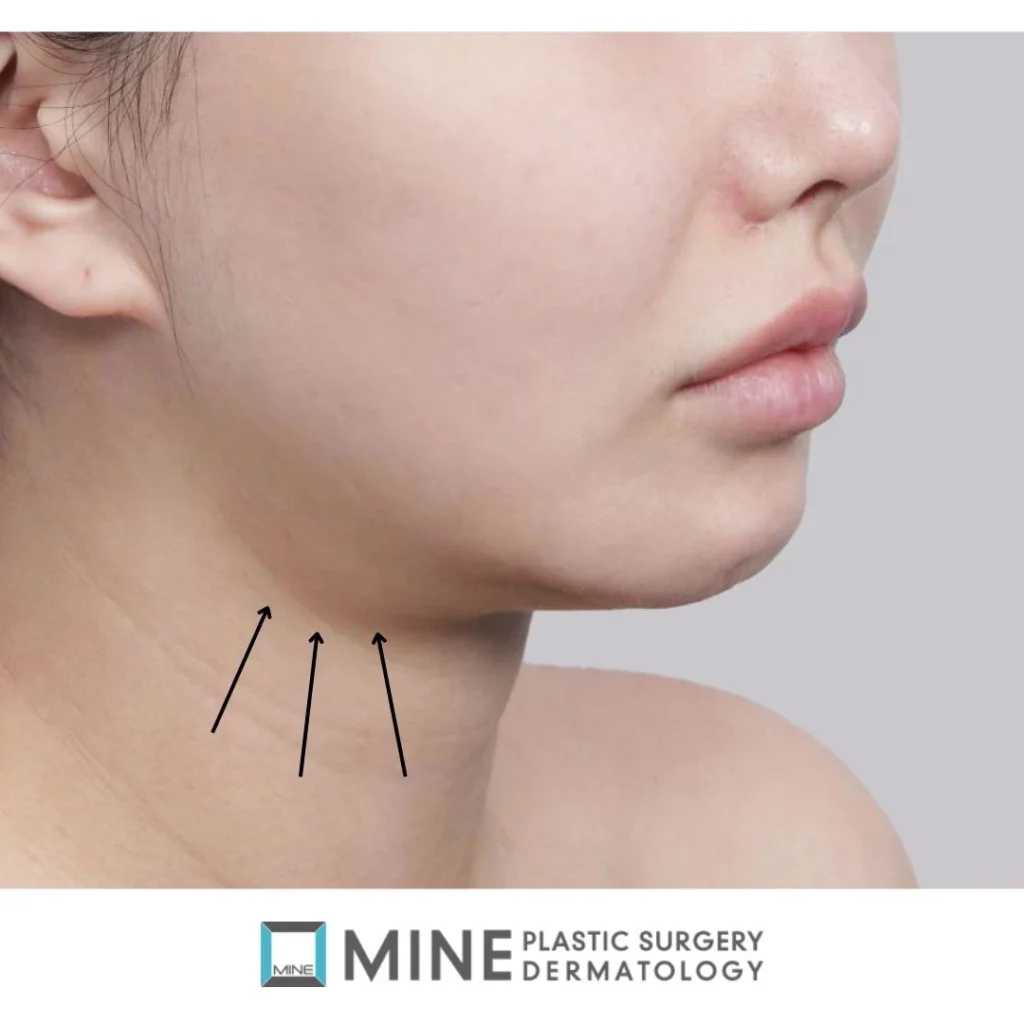
Salivary gland surgery reviews are patients’ accounts of how their jawline changed after submandibular gland reduction — a procedure that removes only the protruding part of the gland under the jaw — and they are most useful when you know what else was done and how the cause was diagnosed.
Maybe you have dieted, tried jaw Botox, and still see a soft bulge under your jawline. So you start reading salivary gland surgery reviews online, and quickly find that some people sound thrilled while others say they barely noticed a difference. Which ones apply to you?
I’m Dr. Lee Sung-wook, a board-certified plastic surgeon at MINE in Gangnam, Seoul. This is not a collection of reviews. It is a five-step method for reading them critically, so you can tell what a review really shows. If you want to know first whether salivary gland removal is worth it for your cause and how long results last, start there.
What Salivary Gland Surgery Reviews Usually Describe — and What They Leave Out
Before reading any individual story, it helps to know what the surgery actually does. At MINE, salivary gland reduction removes only the part of the submandibular gland (the salivary gland that sits just under the jawbone) that sticks out below the jaw line. The whole gland is not taken out.
The usual approach is a short incision hidden in the natural crease under the chin. When the gland reduction is combined with a facelift or neck lift, it can be done through the lift incision behind the ear instead.
The Four Changes Reviewers Mention Most
Salivary gland surgery reviews commonly mention four kinds of change:
- A sharper, more defined jawline
- A slimmer-looking lower face
- Less of a “double chin” look
- A clearer border between the jaw and the neck when seen in profile
These are the right things to look for, because they match where the gland sits. What reviews rarely spell out is the context behind each change — and that context decides whether the same result is realistic for you.
Why a ‘Gland-Only’ Review May Actually Describe a Combined Surgery
Here is the most important reading skill. Many people who post salivary gland surgery reviews also had other procedures at the same time: removal of fat under the chin, a neck lift, or a facelift. The review may simply be titled “salivary gland surgery.”
Plastic surgery textbooks describe a strong, continuous jawline as a combined result. Deep fat beneath the neck muscle is removed, the protruding portion of the gland is reduced, and laxity of the platysma (the thin, sheet-like neck muscle) is corrected — all together. So a dramatic transformation in a review may show what several layers of treatment achieved, not what gland reduction alone does.
In my clinical experience, this is the single biggest reason people misjudge salivary gland surgery reviews. Use these five steps on every review you read:
- Was anything else done? Fat removal, a neck lift or a facelift changes the picture completely.
- How long after surgery was it written? Swelling hides the final contour for weeks.
- From which angle is the change described? Front, three-quarter or side view.
- Was the gland confirmed as the cause? An examination, and often an ultrasound, should show this.
- Does the reviewer’s goal match yours? A soft V-line and a strong masculine jaw are different targets.
How Big Is the Jawline Change Really? Angles and Timing
People who have read salivary gland surgery reviews often ask me how big the change will be. The honest answer depends on where you look from and when you look.
Why the Change Is Clearer From the Side and at 45 Degrees
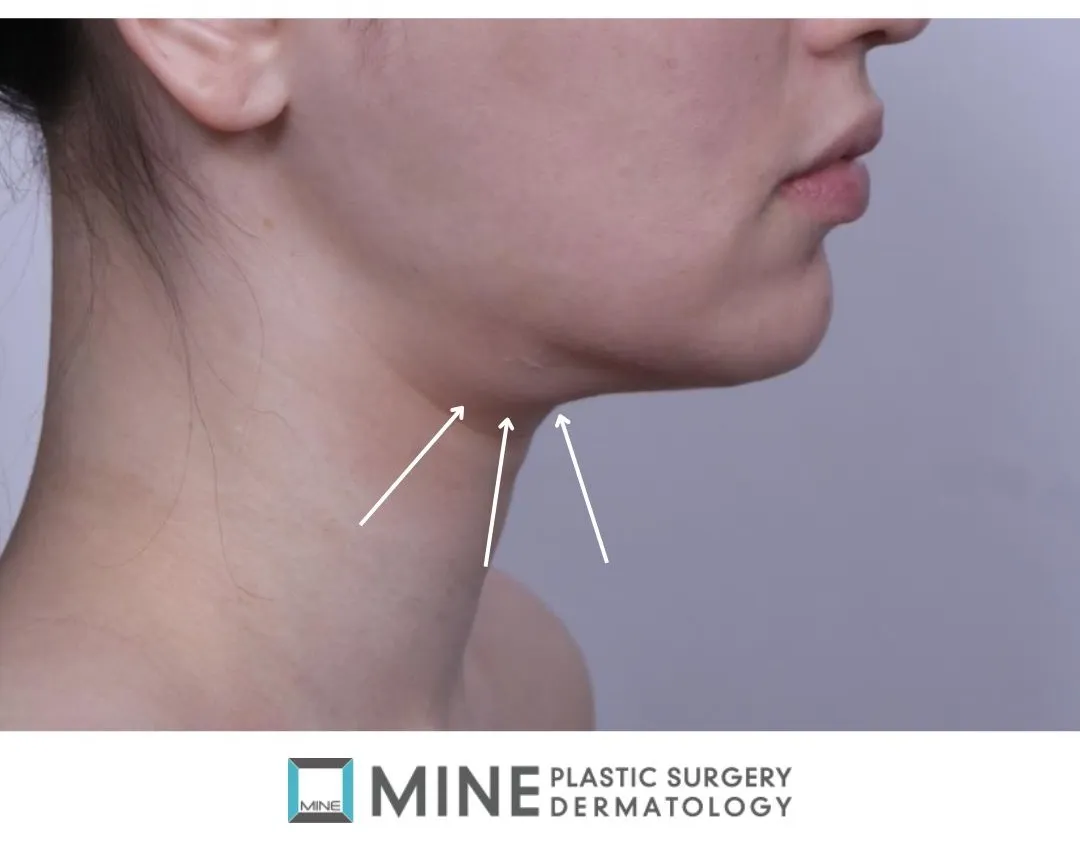
The submandibular gland bulges below the jawbone, toward the neck. Because of that position, its reduction mainly shows in profile and in the three-quarter (45-degree) view. Head-on, the difference is usually smaller.
Published case documentation in the plastic surgery literature, such as Bravo’s 2018 paper, shows the same patient from the front, three-quarter and profile views. The fullness under the jaw reads most clearly in the angled and side views, and that is where improved jawline definition becomes easiest to see.
So when salivary gland surgery reviews say “my friends didn’t notice from the front,” that is not necessarily a failure. It may simply reflect where the gland sits. A review that only describes the front view tells you less than one that describes the profile.
Why a 1-Month Review and a 3-Month Review Can Disagree
Timing matters just as much. Residual swelling after salivary gland reduction usually settles over 2 to 4 weeks, and the final jawline is judged at around 1 to 3 months. A review written two weeks after surgery may describe a face that is still puffy, while a review written at three months describes the settled shape.
When two salivary gland surgery reviews seem to contradict each other, check the dates before anything else. They may be describing the same kind of result at different stages of healing.
Satisfied vs Disappointed Reviews: The Diagnosis Decides
Why do some salivary gland surgery reviews glow while others sound let down? In my clinical view, the deciding factor is rarely the operation itself. It is whether the gland was actually the main cause of the fullness under the jaw. The happiest outcomes I see come after an accurate diagnosis.
When the Gland Is the Main Cause
When a firm, enlarged gland is what pushes the skin outward, reducing it addresses the problem directly. These are the cases behind salivary gland surgery reviews that describe a clear new jaw–neck border, especially in profile.
When Fat, Loose Skin or Sagging Is the Real Problem
Fullness under the jaw often has more than one source. A simple way to think about it:
- Gland only → gland reduction alone
- Gland + fat under the chin → add fat removal
- Gland + loose skin or neck muscle → add a neck lift or mini neck lift
- Overall lower-face sagging → add a facelift
If fat is the bigger part of your problem, a review from someone whose gland was the main issue does not apply to you. The differences are explained in our guide to double chin vs salivary gland.
Why Some People Need Gland Surgery After an Earlier Neck Procedure
Some of the most disappointed salivary gland surgery reviews — or neck surgery reviews in general — come from people whose gland was never treated. The medical literature explains why.
A review paper by Mendelson and Tutino (2015), Plastic and Reconstructive Surgery, describes patients who were unhappy with their neck contour after a previous face or neck lift. In many of them, gland prominence had been overlooked, or only became obvious once the neck laxity was corrected. In that study, submandibular gland surgery was about twice as common in secondary or tertiary face-lift patients as in primary ones.
Bravo’s 2018 paper makes a similar point. Patients who were unhappy after earlier liposuction under the chin, or chin implants, improved once the deeper structures — fat under the neck muscle and the gland — were addressed. Treating the wrong layer leaves the fullness behind.
This is the main explanation for disappointed reviews: the treatment was aimed at a layer that was not the real cause. That is why the cause-by-cause check I mentioned at the start matters more than any single story.
Reading Men’s Salivary Gland Surgery Reviews
Interest in salivary gland surgery among men has been growing. Men’s salivary gland surgery reviews deserve their own reading, because the goal is usually different.
A Defined, Angular Jawline Rather Than a V-Line
In Korea, the “V-line” — a slim, tapered lower face — is a common aesthetic goal for women. Most men want something else: a sharp, angular, masculine jawline with a crisp edge between the jaw and the neck.
If you are a man reading reviews, a V-line review from a female patient is the wrong benchmark. Look instead for descriptions of jawline definition and neck contour in profile, because that is what matters for a masculine result.
How Plans Differ for Male Patients
Planning is tailored to each person’s goal and facial structure. Jaw bone width, chin projection and the shape of the neck all influence what gland reduction can contribute and whether another procedure is needed. No single review, male or female, can predict that for you.
Trying Botox First: A Common Path in Reviews
Many salivary gland surgery reviews mention that the person tried Botox first. With mild enlargement, that is a reasonable path: try salivary gland Botox, see how your face responds, and then decide about surgery.

Salivary gland Botox typically lasts about 4 to 6 months and gives a milder reduction than surgery. Surgery is usually considered for moderate or greater enlargement, or when enlargement comes with sagging.
If a Botox review says “it didn’t work,” the reason may be the cause of the fullness rather than the product. Fat or loose skin will not respond to gland Botox. Read more about why salivary gland Botox sometimes doesn’t work.
Procedure, Recovery and Risks in Brief
Salivary gland surgery reviews often skip the practical details, so here they are briefly.
Procedure. A short incision is made in the natural crease under the chin, or behind the ear when combined with a lift. Only the protruding portion of the gland is removed.
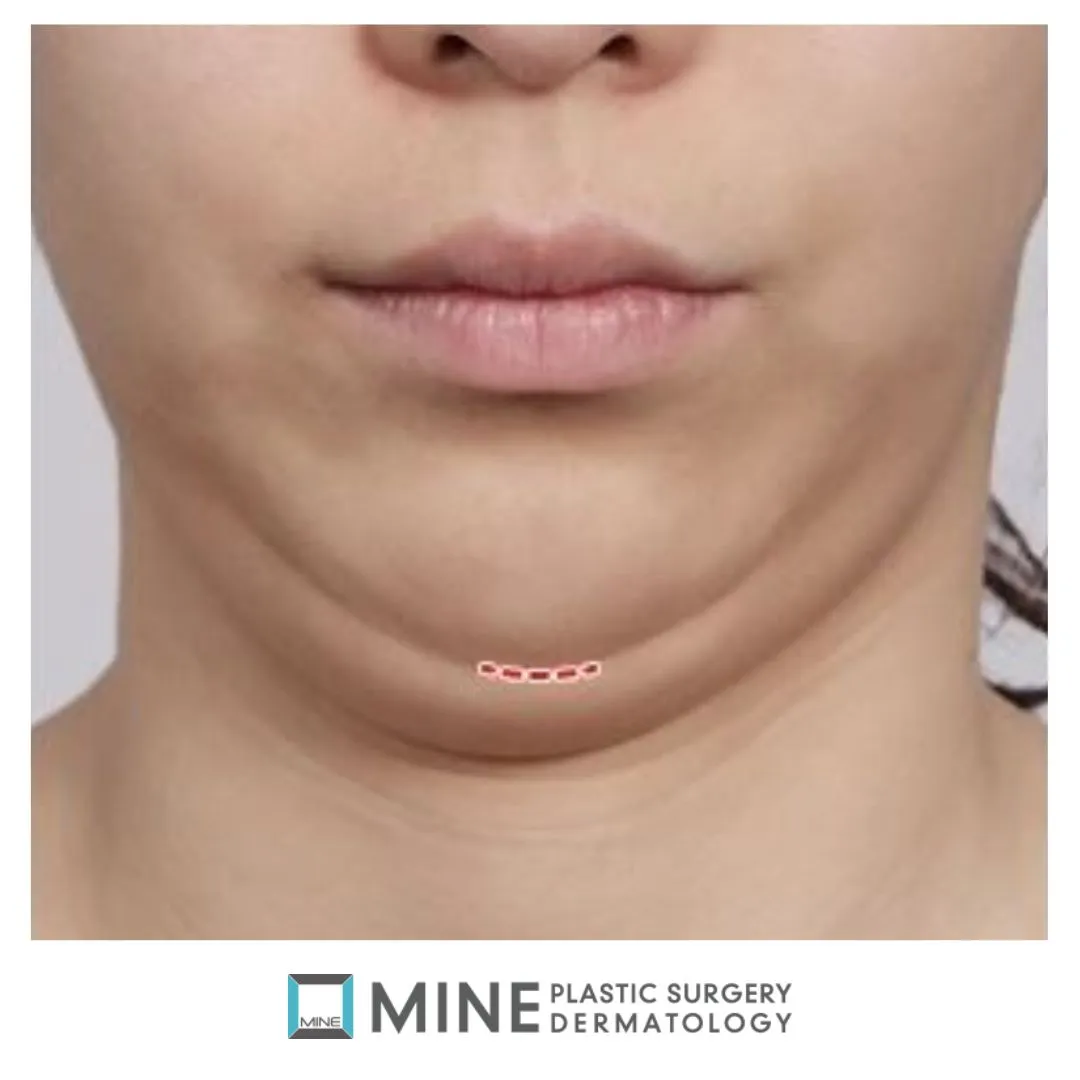
Recovery. Swelling and bruising usually ease over 1 to 2 weeks. Most people return to daily activities within 1 to 2 weeks after salivary gland reduction, and the final contour is judged at 1 to 3 months.

Risks. Temporary numbness can occur. The marginal mandibular branch of the facial nerve (a small nerve that moves the lower lip) runs close to the gland, so the surgeon’s anatomical experience matters. A scar and, rarely, infection are also possible — contact the clinic if you notice redness, warmth or discharge. Because the reduction is partial, and the parotid, sublingual and many small salivary glands keep working, saliva production continues.
For details, see our salivary gland reduction precautions and the full submandibular gland surgery recovery guide.
Salivary Gland Surgery Reviews: Frequently Asked Questions
Why do some salivary gland surgery reviews say the change was small?
Often the gland was not the main cause, and fat or loose skin was the bigger factor. The review may also describe only the front view, or it may have been written before the swelling settled, since the final contour takes 1 to 3 months. Whether the diagnosis matched the cause usually decides it.
How can I tell if a review shows gland reduction alone or a combined procedure?
Look for any mention of fat removal, a neck lift or a facelift. An incision behind the ear usually suggests a combined lift. If the review doesn’t say, assume it may be combined, and ask your own clinic exactly which layers they would treat.
Can men get salivary gland surgery, and what do men usually want from it?
Yes. Men usually want a defined, masculine jawline rather than a V-line. The plan is tailored to bone structure, chin shape and the neck, so judge men’s reviews against that goal.
Should I try salivary gland Botox before deciding on surgery?
For mild enlargement, it is a reasonable first step. The effect lasts about 4 to 6 months and the reduction is mild. If the result is not enough, or there is sagging as well, surgery may be the better route. A poor Botox response can also be a clue that fat or loose skin is involved.
What should I ask a surgeon after reading salivary gland surgery reviews?
Ask whether the gland is your main cause and how they confirm it, for example with an ultrasound. Ask whether you also need fat removal or a lift, from which angle the change will show, and what the nerve and scar risks are in your case.
Talk to a Surgeon Before You Trust a Review
Salivary gland surgery reviews can show you what to look for, but they cannot tell you whether the gland is your cause. Only an examination can check the size and position of the gland, the fat under the chin, and how loose the skin and neck muscle are.
At MINE, I assess all of these layers before recommending any procedure. If you live abroad, you can start with an online consultation by sending clear front and side-profile photos. Learn more about salivary gland reduction at MINE, or call us at +82-2-516-1175.
Written and reviewed by Dr. Lee Sung-wook, Board-Certified Plastic Surgeon, MINE Plastic Surgery & Dermatology | 813 Nonhyeon-ro, Gangnam-gu, Seoul | +82-2-516-1175
Sources: plastic surgery textbooks on neck and jawline contouring; Mendelson and Tutino, Plastic and Reconstructive Surgery (2015); Bravo (2018); MINE clinical experience.
※ This content is for informational purposes only and does not replace professional medical advice, diagnosis, or treatment. Individual results may vary, and side effects may occur. Please consult with a board-certified plastic surgeon for personalized advice.