EN
EN

Discover the ideal timing for facelift surgery based on your unique facial aging, not just your age. This comprehensive guide will help you determine if you’re ready for facial rejuvenation and which procedure might be right for you.
Table of contents
Understanding Facelift Surgery
Facelift surgery, also known as rhytidectomy, is a transformative cosmetic procedure designed to rejuvenate the face and neck by addressing visible signs of aging. This popular facial rejuvenation technique can dramatically reduce sagging skin, smooth deep wrinkles, and restore a more youthful facial contour.
A facelift works by surgically lifting and tightening the underlying muscles and tissues of the face while removing excess skin. The result is a more refreshed appearance that can take years off your visible age.
Many people considering a facelift wonder about the right time to undergo this procedure. Is there an ideal age for a facelift? What factors beyond chronological age should you consider? Let’s explore these questions in detail to help you make an informed decision about facial rejuvenation.
Is There an Ideal Age for a Facelift?

What is the best age to get a facelift?
There is no single “perfect age” for facelift surgery. The ideal timing varies significantly from person to person based on individual factors including genetics, lifestyle, sun exposure history, and personal goals.
The average age of facelift patients is around 61 years old. However, patients ranging from their mid-40s to their 80s can benefit from different types of facelift procedures. The key determining factor is not your chronological age but rather the degree of facial aging you’re experiencing.
Some important age-related considerations include:
- 40s: Early signs of aging may be addressed with a mini facelift or less invasive procedures
- 50s-60s: Often an ideal time for a full facelift as significant aging changes become apparent
- 70s and beyond: Can still be candidates if in good health with realistic expectations
According to the American Society of Plastic Surgeons, facelift procedures increased by 19% between 2019 and 2023, with more patients seeking treatment at younger ages for preventative measures.
Health matters more than age
When determining facelift candidacy, overall health status is far more important than chronological age. Ideal candidates for facelift surgery should be:
- In good general health
- Non-smokers (or willing to quit)
- Free from serious medical conditions that could impair healing
- Mentally and emotionally stable
- Maintaining realistic expectations about outcomes
A board-certified plastic surgeon will conduct a thorough medical evaluation to determine if facelift surgery is appropriate for you, regardless of your age. This assessment may include blood tests, a physical examination, and a detailed review of your medical history.
Signs You’re Ready for a Facelift (Beyond Age)
How do I know if I’m ready for a facelift?
Rather than focusing exclusively on age, consider these physical signs that might indicate you’re ready for a facelift:
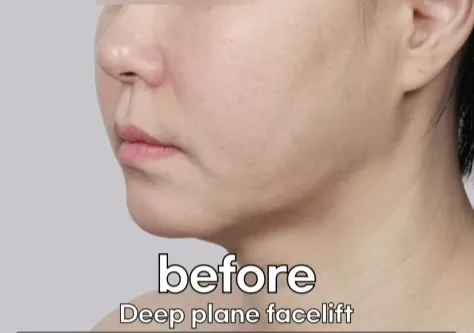
- Significant skin laxity: Noticeable sagging skin along the jawline (jowls) or neck is one of the most common reasons people seek facelift surgery. This laxity typically can’t be corrected with non-surgical treatments.
- Deep facial folds: Pronounced nasolabial folds (lines running from the nose to the corners of the mouth) or marionette lines (lines extending from the corners of the mouth to the chin) that create a tired or aged appearance.
- Loss of facial volume: As we age, facial fat diminishes, which can create a hollow or gaunt appearance. While volume loss can be temporarily addressed with fillers, significant volume loss may be better treated with a facelift combined with fat grafting.
- Ineffective non-surgical treatments: If fillers, Botox, or other non-surgical facial rejuvenation treatments no longer provide satisfying results, it might be time to consider surgical options.
- Neck laxity: Loose skin or excess fat in the neck area (often called a “turkey neck”) can be effectively addressed with a facelift or neck lift procedure.
Beyond these physical signs, you should also consider:
- Emotional readiness: You should feel psychologically prepared for the changes that come with surgery and have realistic expectations about outcomes.
- Lifestyle factors: You need time and resources to commit to the recovery process, which typically takes several weeks.
Facelift Options for Different Age Groups
What type of facelift is right for my age?
Depending on your age and the extent of facial aging, different types of facelift procedures may be recommended. Remember that these are general guidelines, and the best procedure for you will depend on your individual facial anatomy and aging pattern.
Mini Facelift
A mini facelift is often ideal for younger patients (typically in their 40s or early 50s) who are just beginning to show signs of aging. This less invasive procedure focuses primarily on the lower face and can address mild jowling and neck laxity.
Benefits of a mini facelift include:
- Shorter recovery time
- Smaller, less visible incisions
- Less dramatic changes (ideal for those wanting subtle improvement)
- Can delay the need for a more extensive procedure
Full Facelift
A full facelift (also called a traditional or standard facelift) is typically more appropriate for patients in their late 50s, 60s, and beyond who exhibit more significant signs of aging. This comprehensive procedure addresses the mid-face, lower face, and often the neck area.
A full facelift can:
- Significantly tighten sagging facial skin
- Reduce deep wrinkles and folds
- Reposition descended facial fat and muscle
- Dramatically improve the appearance of jowls and the neck
- Provide longer-lasting results than less invasive options
Neck Lift
For patients particularly concerned with the appearance of their neck, a neck lift may be performed either alone or in conjunction with a facelift. A modified Baker “clinical” classification can help determine the most appropriate cervical rejuvenation technique.
A neck lift can effectively:
- Tighten loose neck skin
- Remove excess fat under the chin and neck
- Improve the appearance of vertical neck bands (platysmal bands)
- Create a more defined jawline
Mid-Face Lift
The mid-face lift focuses specifically on the cheek area and can be particularly beneficial for patients experiencing significant mid-face descent. This specialized procedure can:
- Elevate descended cheek tissues
- Reduce prominent nasolabial folds
- Improve the transition between the lower eyelids and cheeks
- Address mid-face volume loss
Can You Be Too Old for a Facelift?
Is there an upper age limit for facelift surgery?
There is no strict upper age limit for facelift surgery. Rather than age alone, candidacy depends primarily on a patient’s physical health, skin quality, and realistic expectations.
Many healthy patients in their 70s and even 80s can be excellent candidates for facial rejuvenation procedures. However, older patients should be aware of several important considerations:
- Recovery time: Older patients typically require more time to heal and recover from surgery. Planning for an extended recovery period with adequate support is essential.
- Increased risk factors: Advanced age may come with a higher risk of certain surgical complications, although these can often be mitigated with proper pre-operative assessment and care. Potential risks include:
- Hematoma (blood collection under the skin)
- Slower wound healing
- Increased sensitivity to anesthesia
- Higher likelihood of comorbidities
- Realistic expectations: Older patients should maintain realistic expectations about the outcomes of surgery. While a facelift can provide significant rejuvenation, it cannot completely halt the aging process. The goal is to refresh your appearance, not to completely transform it.
- Skin quality: Older patients often have thinner, less elastic skin, which can affect both the surgical approach and the longevity of results. In some cases, additional treatments like laser resurfacing or chemical peels may be recommended to improve skin quality.
- Medical clearance: Patients over 65 may need to obtain medical clearance from their primary care physician before undergoing elective cosmetic surgery.
A study published in Plastic and Reconstructive Surgery found that properly selected older patients experienced high satisfaction rates with facial rejuvenation procedures, with complication rates only slightly higher than those of younger patients.
How to Choose the Right Facelift Surgeon
Selecting the right plastic surgeon is perhaps the most crucial decision in your facelift journey. The skill and experience of your surgeon will significantly impact your results, regardless of your age or the type of procedure.
When choosing a facelift surgeon, look for someone who:
- Is board-certified by a recognized plastic surgery board
- Has extensive experience specifically with facelift procedures
- Employs modern techniques that produce natural-looking results
- Can show you before and after photos of their previous facelift patients
- Makes you feel comfortable and heard during your consultation
- Has hospital privileges at accredited medical facilities
- Prioritizes continuing education to stay current with the latest techniques
During your consultation at mineclinic, don’t hesitate to ask questions about the surgeon’s experience and the specific techniques they use.