EN
EN

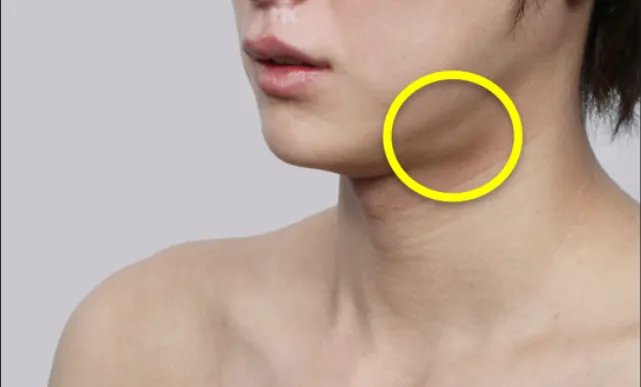
The quest for a defined, youthful jawline has led many individuals to discover an often-overlooked cause of facial fullness: enlarged submandibular salivary glands. While diet and exercise can address excess fat, protruding salivary glands require a different approach. MINE salivary gland reduction surgery offers a precise solution for those struggling with persistent jawline bulging that doesn’t respond to traditional weight loss methods or non-surgical treatments.
Table of Contents
Understanding Salivary Gland Hypertrophy and Jawline Concerns
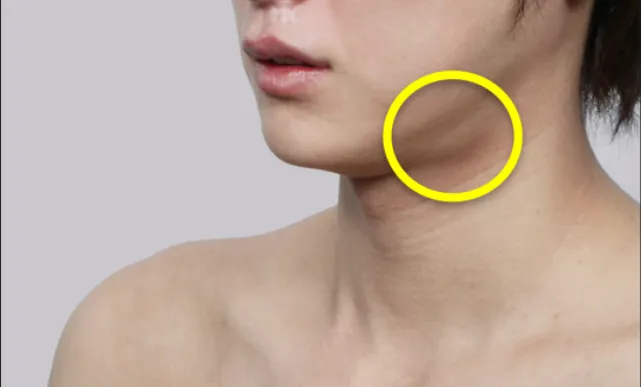
Your submandibular glands are walnut-sized salivary glands located beneath your jawline on both sides of your neck. These glands play a crucial role in producing saliva, contributing approximately 60-70% of your total saliva production. However, when these glands become enlarged or displaced due to aging, genetics, or anatomical variations, they can create visible bulging under the chin that obscures your natural jawline definition.
Many people mistake this protrusion for a double chin caused by excess fat. The key difference lies in the firmness and location of the bulge. Protruding salivary glands often become more noticeable after facial liposuction or weight loss, when the fat that previously concealed them is removed, revealing the underlying gland prominence. This creates frustration for individuals who’ve worked hard to lose weight but still struggle with an undefined jawline.
Why Do Salivary Glands Become Prominent?
Several factors contribute to visible submandibular gland enlargement:
Genetic predisposition: Some individuals naturally have larger salivary glands or variations in gland positioning that make them more visible beneath the skin.
Aging and ptosis: As we age, the submandibular glands may become displaced and enlarged, creating a bulge in the neck that contributes to the appearance of fullness in the lower face.
Post-surgical revelation: After neck contouring procedures that remove fat and tighten skin, previously hidden glands may become the primary source of remaining fullness.
Facial asymmetry: Unilateral gland enlargement can cause one side of the face to appear fuller than the other, affecting overall facial harmony.
What Is MINE Salivary Gland Reduction Surgery?
MINE salivary gland reduction is a specialized surgical procedure that selectively removes the protruding portions of enlarged submandibular glands to create a smoother, more refined jawline. Unlike complete gland excision performed for medical conditions, this aesthetic procedure focuses on conservative, targeted reduction that preserves salivary function while eliminating visible bulging.
The procedure utilizes advanced ultrasound examination before surgery to precisely analyze the location and size of the salivary glands, allowing surgeons to selectively remove only the necessary portion of the enlarged glands while creating a smoother jawline. This personalized approach ensures optimal results tailored to each patient’s unique anatomy.
The Science Behind Safe Gland Reduction
One of the most common concerns patients have is whether removing part of their salivary glands will cause dry mouth or affect their ability to produce saliva. Research from extensive case series demonstrates that there were no cases of permanent dry mouth following submandibular gland reduction, as the body has sufficient reserve functional capacity within its salivary secretory system. The human body contains multiple salivary glands that work together, and partial reduction of one gland allows others to compensate effectively.
Key Benefits of MINE Salivary Gland Reduction
Permanent results: Unlike temporary treatments such as Botox injections, surgically removed gland tissue does not regenerate, providing lasting jawline definition.
Precision targeting: Advanced imaging and surgical techniques allow for customized reduction based on individual anatomy rather than a one-size-fits-all approach.
Natural-looking outcomes: By addressing the actual source of bulging rather than masking it, the procedure creates authentic contour improvements that enhance your natural features.
Improved facial proportions: A refined jawline creates better balance between facial features and can enhance the appearance of your neck length.
Who Is an Ideal Candidate for This Procedure?
How Do You Know If You Need Salivary Gland Reduction?
Not everyone with jawline concerns requires salivary gland reduction. Experienced surgeons find gland removal necessary in approximately 20% of neck contouring cases, as performing submandibular gland removal when it isn’t indicated is an unnecessary surgical step that carries specific risks. Understanding whether enlarged glands are contributing to your concerns requires professional evaluation.
You may be an ideal candidate if you experience:
Persistent bulging under the jaw that remains firm to the touch and doesn’t change significantly with weight fluctuations. This firmness distinguishes glandular prominence from soft fat deposits.
Asymmetrical jawline appearance where one side of your face appears fuller than the other due to unilateral gland enlargement, creating visible facial imbalance.
Post-procedure dissatisfaction after undergoing liposuction, neck lift, or other contouring procedures where residual fullness persists despite successful fat removal and skin tightening.
Limited response to Botox as salivary gland Botox can only temporarily reduce gland size by approximately 10% and requires repeated treatments every 3-6 months without addressing structural issues.
Desire for permanent improvement rather than committing to ongoing maintenance treatments that provide only modest, temporary results.
What Makes You a Good Surgical Candidate?
Beyond anatomical considerations, successful candidates for salivary gland reduction should be:
- In overall good health with realistic expectations about surgical outcomes
- Non-smokers or willing to quit smoking before and after surgery to optimize healing
- Bothered by jawline appearance to the degree that surgical intervention is desirable
- Free from active salivary gland infections or chronic salivary conditions
- Willing to commit to proper post-operative care and follow-up appointments
A comprehensive consultation with an experienced plastic surgeon specializing in facial contouring will determine whether salivary gland reduction is appropriate for your specific anatomy and aesthetic goals.
How Does Salivary Gland Reduction Compare to Botox?
When researching options to address enlarged salivary glands, you’ll encounter both surgical reduction and Botox injections. Understanding the fundamental differences between these approaches helps you make an informed decision about which option aligns with your goals.
Salivary Gland Botox: Temporary Reduction
Botox injections into the submandibular glands work by temporarily reducing gland activity and size. The neurotoxin inhibits the signals that stimulate saliva production, causing the gland to shrink modestly over time.
Duration and effectiveness: Results typically last 3-6 months, after which repeat injections are necessary to maintain the effect. The reduction achieved is modest, generally around 10% of gland volume.
Best suited for: Individuals who want to trial the effect of gland reduction before committing to surgery, those with very mild gland prominence, or patients who prefer non-surgical options despite their temporary nature.
Limitations: Cannot address significantly enlarged glands, requires ongoing maintenance treatments, and represents a cumulative financial investment over time that may exceed surgical costs.
Surgical Salivary Gland Reduction: Permanent Solution
Surgical reduction removes part of the salivary gland permanently, and the removed tissue does not regenerate, providing irreversible improvement to jawline contours. This approach directly addresses the structural cause of bulging rather than temporarily suppressing gland function.
Duration and effectiveness: Results are permanent. Once gland tissue is removed, it does not grow back, eliminating the need for maintenance treatments.
Best suited for: Individuals with moderate to significant gland prominence who desire permanent improvement, those who have tried Botox without satisfactory results, or patients undergoing complementary procedures like neck lifts.
Considerations: Requires surgical intervention with associated recovery time, involves careful technique to preserve important nerves, and necessitates commitment to post-operative care protocols.
Making the Right Choice for You
The decision between Botox and surgical reduction depends on the degree of gland prominence, your tolerance for ongoing maintenance treatments, and whether you’re already considering other surgical facial rejuvenation procedures. Many patients who initially try Botox ultimately pursue surgical reduction when they realize they want more dramatic, lasting results.
The MINE Surgical Technique: Precision and Safety
The MINE approach to salivary gland reduction represents an evolution in surgical technique, emphasizing precision, safety, and aesthetic outcomes. Understanding the surgical process helps patients feel confident and prepared for their procedure.
Pre-Operative Planning with Advanced Imaging
Before surgery, surgeons use advanced ultrasound examination to precisely locate the salivary glands and analyze their size, creating a customized surgical plan based on individual anatomy. This imaging reveals not only the glands themselves but also the surrounding anatomical structures that must be carefully preserved during surgery.
Strategic Incision Placement for Minimal Scarring
The MINE technique uses a minimal incision of approximately 2.5 cm to 2.8 cm placed within the first natural neck crease under the chin, carefully positioned so it remains invisible even when the neck is raised. This contrasts with vertical incisions that some surgeons use, which can leave visible scarring under the chin.
The incision location is critical for both aesthetic and functional reasons. By working through a hidden horizontal incision in a natural skin crease, surgeons can:
- Access the submandibular glands with optimal visualization
- Minimize visible scarring that might cause patient distress
- Follow the natural contours of the neck for better healing
- Create a more comfortable recovery experience
The Surgical Procedure Step-by-Step
Anesthesia administration: The procedure is typically performed under general anesthesia or deep sedation with local anesthesia, ensuring patient comfort throughout the surgery.
Precision dissection: Through the carefully placed incision, the surgeon navigates through tissue layers to access the submandibular gland while identifying and protecting critical structures.
Nerve preservation: Several important nerves are located near the salivary glands, including the marginal mandibular nerve that controls lower lip movement, the lingual nerve that provides tongue sensation, and the hypoglossal nerve that enables tongue movement. Experienced surgeons use meticulous technique to avoid these structures. However, the under-chin incision approach does not go near these nerves, thereby reducing the risk of nerve damage.
Selective gland reduction: Only the visibly protruding portions of the gland are selectively removed based on pre-operative planning, rather than removing the entire gland. This conservative approach balances aesthetic improvement with functional preservation.
Complementary contouring: If appropriate, surgeons may also address subplatysmal fat deposits, tighten the platysma muscle, or perform other refinements to optimize the final contour.
Closure and finishing: The incision is meticulously closed in layers using sophisticated suture techniques designed to minimize scarring and promote optimal healing.
Surgical Duration and Hospital Stay
The procedure typically takes approximately 2-3 hours to complete, depending on whether bilateral reduction is performed and if additional procedures are combined. Most patients undergo this as an outpatient procedure, returning home the same day after a brief observation period and monitored recovery in the recovery room.
What Can You Expect During Recovery?
Understanding the recovery timeline and what to expect at each stage helps patients prepare adequately and recognize normal healing processes versus concerning symptoms.
Immediate Post-Operative Period (Days 1-3)
The first few days after surgery focus on managing initial swelling, discomfort, and beginning the healing process:
Swelling and bruising: Expect moderate swelling around the surgical site, which peaks within the first 48-72 hours. Some bruising may extend down the neck or appear along the jawline.
Pain management: Most patients describe discomfort rather than severe pain. Prescribed pain medications effectively manage any discomfort during the initial recovery phase.
Activity restrictions: Keep your head elevated, even while sleeping, to minimize swelling. Avoid bending over, heavy lifting, or any activities that increase blood pressure in the head and neck region.
Dietary modifications: Soft foods are recommended during the recovery period to minimize chewing motion and reduce stimulation of the remaining salivary gland tissue. This typically means soups, smoothies, yogurt, and other easily consumed foods.
Early Recovery Week (Days 4-7)
As initial swelling begins to subside, patients typically experience:
Suture removal: Stitches are typically removed on day 7, marking an important milestone in the healing process. Some surgeons use dissolvable sutures that don’t require removal.
Improved mobility: You’ll notice increased comfort when moving your head and neck. Speaking and mild facial expressions become more comfortable.
Return to light activities: Many patients feel well enough to return to desk work or light activities by the end of the first week, though strenuous exercise remains restricted.
Scar care begins: Once sutures are removed and incisions are fully closed, scar care protocols can begin, including gentle massage and topical treatments as recommended by your surgeon.
Weeks 2-4: Gradual Normalization
Most patients can return to social activities and work after approximately 5-10 days, with residual swelling continuing to diminish over the following weeks. During this period:
- Swelling becomes less noticeable, and the improved jawline contour becomes visible
- Most bruising has resolved or can be easily concealed with makeup
- You can gradually resume normal eating habits, though very chewy or tough foods may still cause discomfort
- Light exercise like walking is encouraged, but vigorous workouts remain restricted
Long-Term Healing (Months 1-6)
The final results of salivary gland reduction emerge gradually as all swelling resolves and tissues settle into their new position:
Three-month milestone: By the second to third month post-surgery, the continued decrease in swelling makes the healing incision more visible, and the refined contours become increasingly apparent.
Scar maturation: Incisions continue to fade and flatten over the first 6-12 months. Following proper scar care protocols enhances this natural improvement.
Final results: By six months post-surgery, you’ll appreciate the full impact of your procedure, with a permanently refined jawline and smooth neck contour.
Potential Complications and How to Avoid Them
Serious complications are uncommon when this surgery is performed by an experienced specialist, and the problems that do occur are usually temporary. In the published series below, nerve weakness affecting lower-lip movement resolved during follow-up.
Published clinical series of aesthetic submandibular gland reduction report the following complication profile. These figures describe partial gland reduction performed for contouring, which carries a lower risk profile than total gland excision performed for tumors or chronic disease:
| Complication | Rate reported in published East Asian series | Course |
|---|---|---|
| Hematoma (collection of blood) | 1.2–1.3% | One case in these series required a return to the operating room |
| Seroma (fluid collection) | 1.3–1.8% | Settles with observation or simple aspiration |
| Infection | 0.8–0.9% | Managed with antibiotics |
| Sialocele (saliva collection) | 0.3–0.4% | Resolved with aspiration |
| Temporary nerve weakness affecting lower-lip movement | 0.6–1.7% | Transient — recovered during follow-up |
| Temporary weakness of the cervical nerve branch | 1.5% (5 of 341) | Transient — recovered during follow-up |
| Permanent nerve injury | None reported | — |
| Lasting dry mouth or salivary dysfunction | None reported | The remaining glands continue saliva production |
One risk deserves specific mention. The submandibular gland sits next to the facial artery, and research on salivary gland reduction identifies bleeding deep in the gland bed as the most serious potential complication, because a collecting hematoma in that space can press on the airway. This complication is uncommon. But it is the reason salivary gland reduction should be performed where your airway can be monitored afterward. If you notice rapidly increasing swelling, tightness in your throat, or any difficulty breathing after surgery, treat it as an emergency. Contact your surgical team or emergency services immediately — do not wait at home to see if it settles.
Studies of large East Asian patient series, including a 341-patient safety review of submandibular gland reduction in deep neck lifting and an anatomical and clinical series of 240 cases, describe how careful control of this vessel and of the marginal mandibular nerve underpins the safety of the operation.
To minimize risks:
- Choose a board-certified plastic surgeon with specific experience in submandibular gland surgery
- Follow all pre-operative instructions, including smoking cessation
- Attend all scheduled follow-up appointments for proper monitoring
- Report any unusual symptoms promptly to your surgical team
Combining Salivary Gland Reduction with Mini Neck Lift
Many patients achieve optimal results by combining salivary gland reduction with complementary procedures, particularly a mini neck lift. This comprehensive approach addresses multiple contributors to jawline and neck aging in a single surgical session.
Why Combine These Procedures?
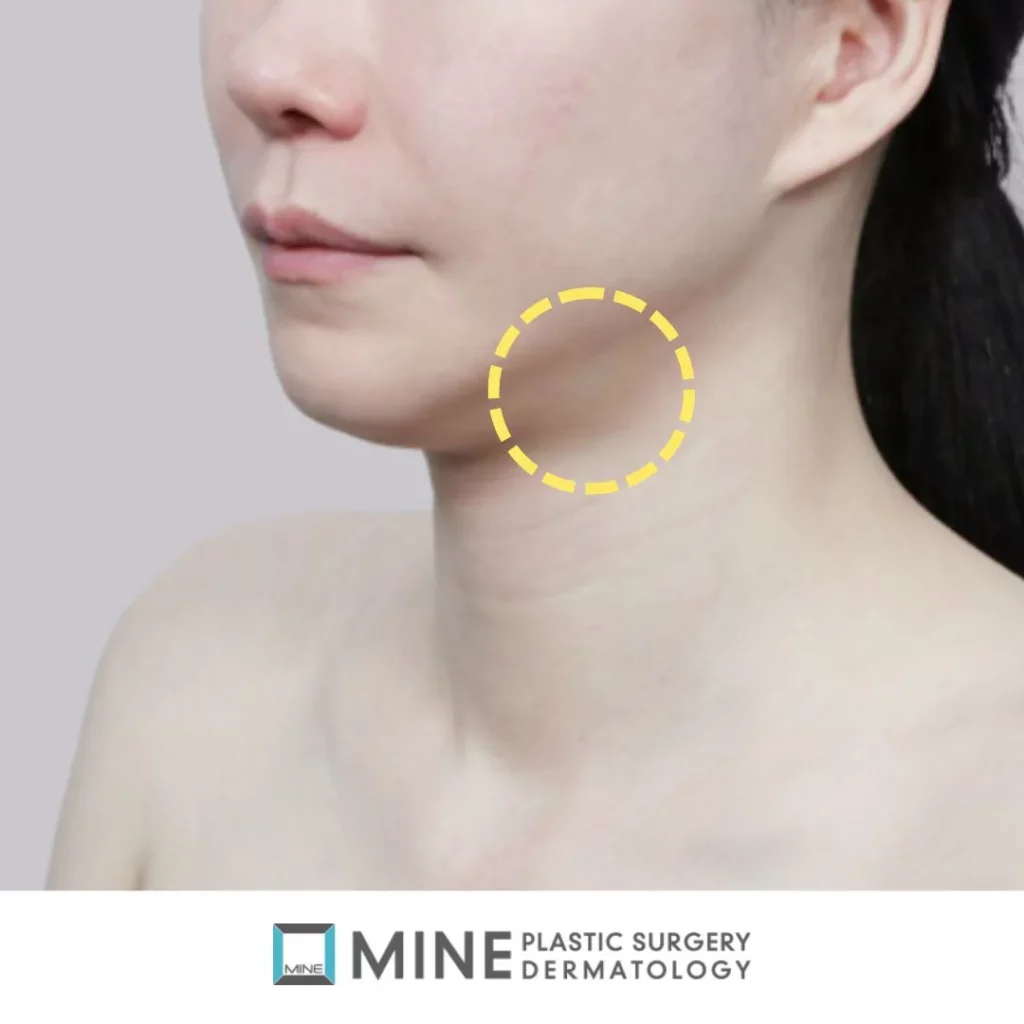
Submandibular gland reduction is performed as a valuable complement to neck lift surgery to comprehensively rejuvenate the neck and jawline, addressing both structural gland prominence and skin laxity simultaneously. Addressing only one issue while leaving others untreated may result in incomplete improvement.
A beautiful, youthful neck and jawline depend on several factors:
Skin quality and tightness: Loose, sagging skin can create bands and folds that obscure natural contours.
Fat distribution: Both superficial and deep fat deposits contribute to fullness in the submental area.
Glandular prominence: Enlarged submandibular glands create bulging that persists even when fat is removed and skin is tightened.
Muscle tone: The platysma muscle can develop vertical bands that create visible texture in the neck.
What Is a Mini Neck Lift?
A mini neck lift is a procedure designed to tighten the neck and give a youthful angular appearance to the jawline through an incision underneath the chin and incisions behind the ears, addressing excess neck fat, muscle position, and skin laxity. This less extensive approach offers significant improvement with reduced recovery compared to traditional neck lifting.
The procedure typically includes:
- Removal of excess submental and neck fat through liposuction
- Tightening of the platysma muscle to eliminate vertical banding
- Trimming and re-draping of excess skin for a smoother contour
- Optional treatments with energy-based devices to enhance skin tightening
Benefits of a Combined Approach
Single recovery period: Patients who undergo combined procedures experience one recovery period of approximately 5-10 days rather than multiple separate healing phases.
Enhanced overall results: Addressing all contributing factors to neck aging creates more dramatic, harmonious improvement than treating issues individually.
Cost efficiency: Combined procedures often cost less than staging surgeries separately, reducing facility fees, anesthesia costs, and time away from work.
Comprehensive rejuvenation: The synergistic effect of treating multiple structures creates a naturally youthful appearance that looks cohesive rather than obviously altered.
Recovery Considerations for Combined Procedures
While adding salivary gland reduction to a mini neck lift doesn’t dramatically extend recovery time, patients should expect:
- Slightly more initial swelling due to the additional surgical manipulation
- Continued emphasis on soft foods during the first week to protect both surgical sites
- Potential need for temporary drains to prevent fluid accumulation
- Slightly longer procedure time, typically 2-3 hours total for combined surgery
The investment in a comprehensive approach often pays dividends in patient satisfaction, as addressing all anatomical concerns in one surgery prevents the need for secondary procedures later.
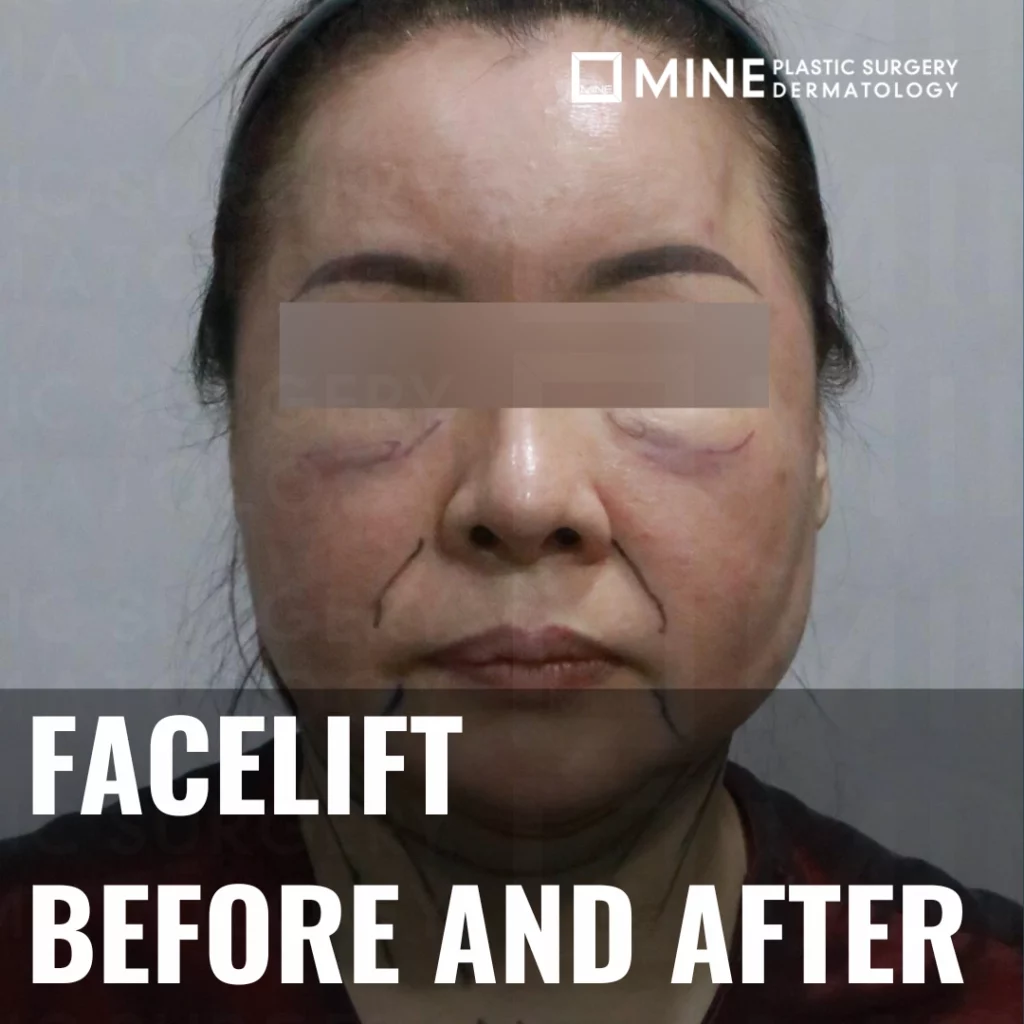
Real Results: Before and After Transformations
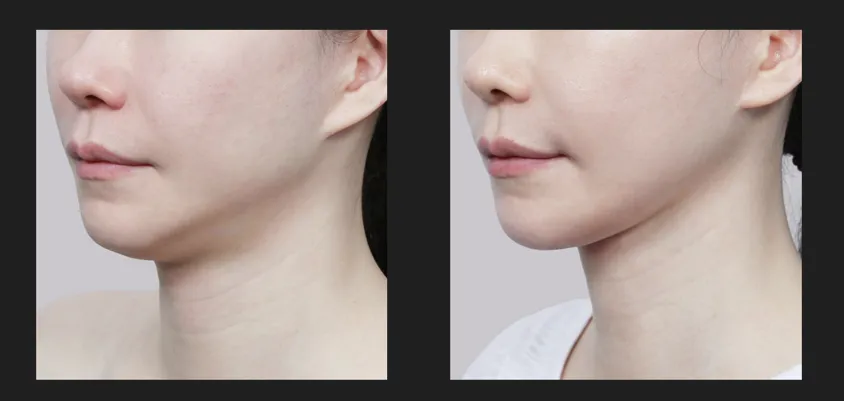
The true measure of any cosmetic procedure lies in the results achieved for real patients. Salivary gland reduction consistently delivers significant, natural-looking improvements for appropriate candidates.
What Results Can You Realistically Expect?
Sharper jawline definition: The primary goal of salivary gland reduction is eliminating the bulging that blurs your natural jawline. Patients consistently report improved definition and a more angular appearance.
Reduced “double chin” appearance: When enlarged glands contribute to submental fullness, their removal creates a clearer distinction between the chin and neck.
Improved facial symmetry: For patients with unilateral gland prominence, reduction on the affected side creates better balance between the left and right sides of the face.
Enhanced neck contour: A more sculpted, graceful neck with better cervicomental angle definition is achieved through addressing the submandibular glands and contouring deep fat.
Lasting satisfaction: Studies of patient series show sustained improvement over years, with high satisfaction rates as the results remain stable since removed gland tissue does not regenerate.
Timeline of Visible Improvement
Understanding when you’ll see results helps manage expectations throughout recovery:
Immediate post-operative: Swelling obscures your final results, and you may temporarily appear fuller than before surgery.
One week post-surgery: Initial swelling begins subsiding, and you’ll notice improved contours compared to pre-operative appearance.
One month post-surgery: Dramatic improvement becomes apparent as most swelling has resolved, allowing you to appreciate the refined jawline.
Three to six months: Final results emerge as all residual swelling disappears and tissues fully settle into their new position.
Individual Variation in Outcomes
Results vary based on several factors:
- The degree of gland prominence before surgery
- Whether the procedure is combined with other contouring techniques
- Individual healing characteristics and skin quality
- Post-operative care compliance and lifestyle factors
Consulting with an experienced surgeon who can review before-and-after photos of similar cases helps establish realistic expectations for your specific situation.
Frequently Asked Questions About Salivary Gland Reduction
Will I experience dry mouth after salivary gland reduction?
The human body has three major salivary glands (parotid, submandibular, and sublingual), and even if only part of one submandibular gland is removed, it does not affect saliva production or swallowing function. Your remaining glands compensate effectively, and research shows no cases of permanent dry mouth in large patient series. You may experience temporary dry mouth for about one month.
How is salivary gland reduction different from treating a double chin with liposuction?
Liposuction removes fat deposits, while salivary gland reduction addresses firm, bulging glandular tissue beneath the jawline. Many patients discover their “double chin” is actually enlarged glands after liposuction fails to improve their contour. A thorough consultation with physical examination and imaging determines whether fat, glands, or both contribute to your concerns.
Can the salivary glands grow back after removal?
No, removed salivary gland tissue does not regenerate, making the results permanent. Any temporary swelling that occurs during healing will naturally subside, but the structural improvement remains stable long-term.
How painful is the recovery from salivary gland reduction?
Most patients describe moderate discomfort rather than severe pain. The area may feel tight and sore, similar to muscle soreness, but this is well-managed with prescribed pain medication during the first few days. By one week post-surgery, many patients only require over-the-counter pain relievers occasionally.
When can I return to work after surgery?
Most patients feel comfortable returning to desk work or non-strenuous jobs within 5-10 days after surgery. Those with physically demanding occupations may need up to two weeks before resuming full duties. Remote work options can allow even earlier return to professional activities.
Will there be visible scarring?
When the incision is placed along the natural crease under the chin using proper surgical technique, scars are barely noticeable and remain hidden even when the neck is raised. Following post-operative scar care protocols further enhances healing and minimizes scar appearance.
Can salivary gland reduction be performed alone, or must it be combined with other procedures?
Salivary gland reduction can absolutely be performed as a standalone procedure when enlarged glands are the primary concern. However, experienced surgeons evaluate each patient individually to determine whether gland reduction alone will achieve desired outcomes or whether combining with other techniques creates more comprehensive improvement.
Is this procedure covered by insurance?
Cosmetic salivary gland reduction is typically not covered by health insurance unless performed for medical necessity such as tumor removal. However, procedures performed to address functional problems with salivary glands may qualify for coverage depending on your specific policy and medical diagnosis.
How long do I need to maintain a soft food diet after surgery?
Soft foods are recommended during the recovery period, typically for about one week after surgery, to minimize chewing motion and reduce stimulation of the salivary glands. You can gradually reintroduce normal foods as comfort allows, avoiding very tough or chewy items for the first 2-3 weeks.
Achieving Your Ideal Jawline: Taking the Next Step
A refined, youthful jawline significantly impacts your overall facial appearance and confidence. When enlarged submandibular salivary glands contribute to persistent fullness beneath your chin, MINE salivary gland reduction surgery offers a permanent, effective solution that addresses the root cause rather than temporarily masking the problem.
The decision to pursue any cosmetic procedure deserves careful consideration and professional guidance. Understanding your unique anatomy, identifying all factors contributing to jawline concerns, and developing a comprehensive treatment plan ensures optimal outcomes that align with your aesthetic goals.
If you’ve struggled with a protruding double chin that doesn’t respond to weight loss, exercise, or non-surgical treatments, salivary gland reduction may be the missing piece in achieving your desired appearance. This specialized procedure, when performed by experienced surgeons using advanced techniques like those pioneered in the MINE approach, consistently delivers natural-looking results with high patient satisfaction.
For personalized guidance on whether salivary gland reduction is appropriate for your specific anatomy and concerns, consider scheduling a comprehensive consultation with facial plastic surgery specialists. Through detailed evaluation including physical examination and advanced imaging, qualified surgeons can determine if enlarged submandibular glands are affecting your jawline and recommend the most effective treatment approach for your individual needs.
Transform your profile, enhance your confidence, and achieve the refined jawline you’ve always wanted through this advanced surgical technique that combines precision, safety, and proven results.
Related reading: submandibular gland surgery recovery and salivary gland removal side effects.
※ This content is for informational purposes only and does not replace professional medical advice, diagnosis, or treatment. Individual results may vary, and side effects may occur. Please consult with a board-certified plastic surgeon for personalized advice.