EN
EN

Table of Contents
Neck wrinkles are a natural part of the aging process, but recently, concerns about neck wrinkles have been increasing even among younger age groups due to increased smartphone usage. Deep horizontal lines in particular can make you look older than your actual age, causing stress for many people. In this article, we’ll cover everything from the causes of neck wrinkles to the latest improvement methods and prevention strategies from a plastic surgeon’s perspective.
Why Neck Wrinkles Develop
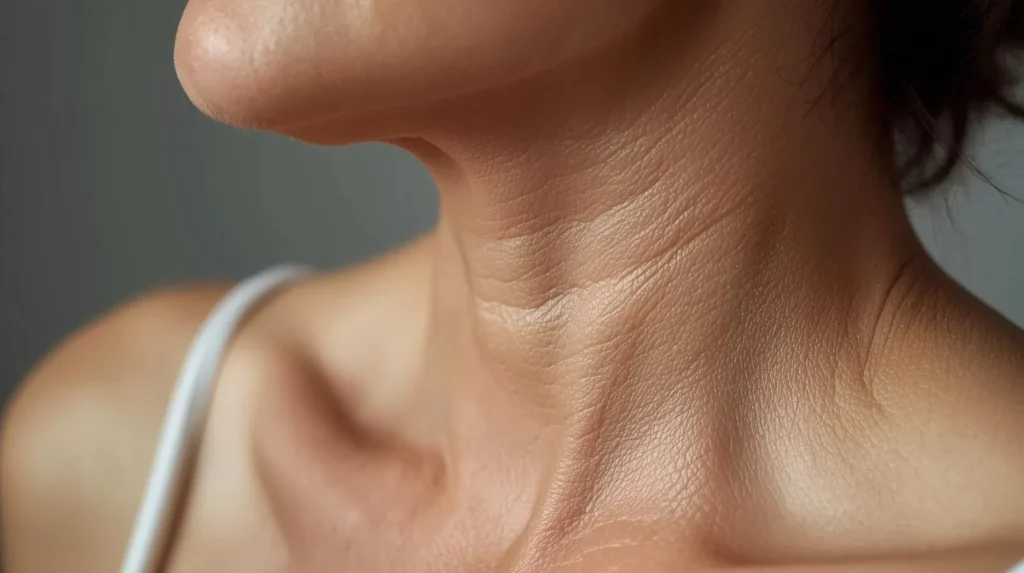
The skin on the neck is thinner than facial skin and has fewer sebaceous glands, making it prone to dryness. Due to these structural characteristics, the neck is an area where aging progresses rapidly.
Main Causes
- Natural Aging: As we age, collagen and elastin decrease, reducing skin elasticity
- UV Exposure: UV damage is a major factor accelerating skin aging
- Poor Posture: The habit of looking down for extended periods creates wrinkles on the neck
- Rapid Weight Changes: Skin can sag as weight is lost, deepening wrinkles
- Sleep Habits: Using high pillows or sleeping face-down can cause neck wrinkles
Types and Characteristics of Neck Wrinkles
Neck wrinkles are broadly divided into horizontal lines and vertical bands, each with different causes and characteristics.
Horizontal Neck Lines
These are line-shaped wrinkles that cross the neck horizontally, caused by repetitive movements and postural habits. They tend to deepen with age and appear in multiple lines.
Horizontal neck lines can often be improved with a dermatological approach.
Platysmal Bands (Vertical Lines)
These are vertical band-shaped wrinkles visible on both sides of the neck, caused by weakening of the platysma muscle. They become particularly prominent when speaking or making facial expressions. Vertical neck wrinkles is recommened to be corrected through platysmaplasty surgery.
How Can Neck Wrinkles Be Improved?
To effectively improve neck wrinkles, it’s important to take a comprehensive approach that addresses not just the skin surface but also the dermal layers. Here are the main treatment methods currently used in plastic surgery and dermatology clinics.
Botox Treatment
Botox relaxes excessive contraction of the platysma muscle, improving vertical bands and smoothing the neck line. Effects begin to appear 2-3 days after treatment and last for 3-6 months.
Filler Treatment
Hyaluronic acid fillers injected into deep horizontal wrinkles provide immediate volume improvement. For natural results, treatment by an experienced specialist is essential.
Lifting Lasers
High-intensity focused ultrasound lifting treatments like Ulthera or Titanium deliver thermal energy deep into the dermis to promote collagen regeneration. Progressive improvement effects appear over 2-3 months after treatment.
Skin Boosters
Skin regeneration injections like Rejuran Healer or NCTF enhance the skin’s own regenerative capacity to reduce wrinkles. Regular treatments can simultaneously improve skin texture and elasticity.

What Treatment Is Most Effective for Deep Neck Wrinkles?
For deeply etched neck wrinkles, combination treatments are more effective than single procedures. The approach involves relaxing muscle tension with Botox, filling deep wrinkles with fillers, and then strengthening skin elasticity with lifting lasers. It’s important to establish a customized treatment plan based on individual skin condition and wrinkle depth.
How Should I Care for My Neck After Treatment?
For 2-3 days immediately after treatment, avoid excessive neck movement and do not rub or apply pressure to the treated area. Sufficient moisturizing and sun protection are essential, and alcohol and saunas should be avoided for about a week. The effects can be maintained longer through regular maintenance treatments.
Lifestyle Habits for Neck Wrinkle Prevention
Just as important as treatments is preventive care in daily life. Practicing the following habits can slow the progression of neck wrinkles.
Posture Correction
- When looking at smartphones, raise them to eye level
- Adjust monitor height during prolonged computer work
- Relieve tension with neck stretches every hour
Skincare Routine
- Apply moisturizer thoroughly to the neck morning and evening
- Apply sufficient sunscreen to the neck area
- Use neck-specific packs or masks 2-3 times per week
- Use anti-aging products containing retinol or peptides
Sleep Habit Improvement
Using a low pillow and sleeping on your back helps prevent neck wrinkles. Sleeping face-down or on your side can apply pressure to the neck, deepening wrinkles.
Gentle self-massage and simple stretching can also help keep the neck area supple between treatments.
Professional Neck Wrinkle Management Solutions
Mine Plastic Surgery & Dermatology provides optimal neck wrinkle improvement programs by precisely analyzing individual skin conditions and wrinkle depth. Rather than simply filling wrinkles, we use a comprehensive approach that considers both skin regeneration and elasticity restoration to create natural and long-lasting results.
In particular, our Lifting Center offers total facial lifting solutions that consider harmony of the jawline and entire neck line, not just neck wrinkles. For cases with severe neck wrinkles combined with double chin or sagging jawline, fundamental improvement is possible through mini neck lift or neck lift surgery.
The Korean Society of Plastic and Reconstructive Surgeons also recommends consulting thoroughly with a specialist to establish a treatment plan suitable for each individual when improving neck wrinkles.

Frequently Asked Questions (FAQ)
Q1. How Long Do Neck Wrinkle Treatment Effects Last?
Botox lasts 3-6 months, and fillers last 6-12 months. Lifting lasers maintain effects for about 1-2 years, and can be maintained longer through regular maintenance treatments. Duration may vary depending on individual skin condition and lifestyle habits.
Q2. Can I Get Neck Wrinkle Treatments at a Young Age?
Yes, it’s possible. Recently, many people in their 20s and 30s receive treatments for neck wrinkles caused by excessive smartphone use. In fact, managing wrinkles early before they deepen can produce more effective and natural results.
Q3. How Painful Are Neck Wrinkle Treatments?
Most treatments are performed after applying topical anesthetic cream, so pain is not significant. There may be some variation depending on individual pain sensitivity, but it’s generally tolerable. After treatment, some swelling or bruising may occur, but most subsides naturally within 2-3 days.
Q4. When Can I Return to Daily Activities After Neck Wrinkle Treatment?
Most treatments allow immediate return to daily activities. However, it’s advisable to avoid excessive exercise, saunas, and alcohol for about a week. There may be mild swelling or bruising immediately after treatment, but it can be covered with makeup.
Q5. Are There Neck Wrinkle Care Methods I Can Do at Home?
Massaging a neck cream upward daily is beneficial. Products containing retinol, peptides, and vitamin C are effective, and using neck packs 2-3 times per week is even better. Additionally, repeating a stretch where you tuck your chin in and tilt your head back, 10 times daily helps strengthen neck muscles.
Conclusion
Neck wrinkles are not simply an aging phenomenon but an area that can be sufficiently prevented and improved through lifestyle habits and proper care. Even deep neck wrinkles can be effectively improved through modern treatment techniques, so don’t worry alone—consult with a specialist to find the solution that’s right for you.
If you’d like to learn more about neck wrinkle improvement or want personalized consultation, please visit Mine Plastic Surgery & Dermatology. Our board-certified plastic surgery specialists will help address your concerns.
Medical Disclaimer: This information is provided for general educational purposes and cannot replace professional medical advice. Appropriate treatments may vary depending on individual health conditions, so please proceed with treatment only after consulting with a specialist.