EN
EN

Table of Contents
What Is Low Nose Rhinoplasty?
Low nose rhinoplasty, also known as augmentation rhinoplasty or nose bridge augmentation, is a surgical procedure designed to enhance the height and definition of a flat or low nasal bridge. This procedure addresses what many describe as a “flat nose” or “low bridge nose,” where the nasal dorsum lacks projection and definition from the frontal and profile views.
A low nasal bridge is a common anatomical feature among individuals of Asian, African, and Hispanic descent, though it can occur in any ethnicity. The condition is characterized by minimal projection of the nose from the face, often resulting in a broader appearance and less defined nasal contours.
Key Takeaway: Low nose rhinoplasty is not about changing who you are—it’s about enhancing your natural features to achieve facial harmony while respecting your ethnic identity and personal aesthetic goals.
How Do You Know If You Have a Low Nose Bridge?
Many patients wonder whether they are good candidates for this procedure. Here are common characteristics of a low nasal bridge:
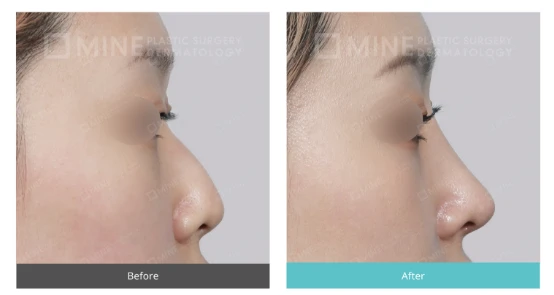
- The nose appears flat when viewed from the side profile
- Glasses tend to slide down frequently due to lack of bridge support
- The area between your eyes appears wide or undefined
- There is minimal shadow cast by the nose in photographs
- The nasal tip may appear less refined or projected
If you recognize these features and feel they affect your confidence or facial balance, low nose rhinoplasty in Korea may be the solution you’re seeking.
Why Do People Seek Low Nose Surgery?
Understanding the motivations behind seeking nose surgery helps both patients and surgeons achieve satisfying outcomes. International patients travel to Korea for low nose rhinoplasty for several compelling reasons.
Aesthetic Enhancement
The primary motivation for most patients is achieving better facial proportions. A well-defined nasal bridge creates a more balanced facial profile, enhances the appearance of the eyes, and provides an overall harmonious look. Korean rhinoplasty techniques are globally renowned for creating natural-looking results that complement Asian and other ethnic facial features without appearing “done” or artificial.
Functional Improvement
Some individuals with very low nasal bridges experience functional issues, including difficulty wearing glasses comfortably or minor breathing concerns related to nasal structure. While primarily cosmetic, low nose rhinoplasty can address these practical challenges simultaneously.
Confidence and Self-Image
Perhaps most importantly, many patients report significant improvements in self-confidence following surgery. Feeling comfortable with your appearance impacts social interactions, professional confidence, and overall quality of life.
The Korean Advantage
Korea has emerged as the global leader in rhinoplasty, particularly for ethnic rhinoplasty that respects and enhances natural features. According to the American Society of Plastic Surgeons, rhinoplasty remains one of the most sought-after cosmetic procedures worldwide, and Korean techniques have set new standards for natural, lasting results.
How Is Low Nose Rhinoplasty Performed at Mine Clinic?
At Mine Clinic in Seoul, our board-certified surgeons employ advanced techniques refined through thousands of successful procedures. Understanding what happens during your surgery helps you prepare mentally and set realistic expectations.
Pre-Operative Consultation
Your journey begins with a comprehensive consultation, which can be initiated through our online consultation service before you travel to Korea. During this phase:
- Our surgeons analyze your facial structure using advanced 3D imaging technology
- Your medical history is thoroughly reviewed
- Your aesthetic goals are discussed in detail
- A customized surgical plan is created specifically for your anatomy
This personalized approach ensures that your results will look natural and complement your unique facial features.
Surgical Techniques for Low Nose Augmentation
Mine Clinic utilizes several proven methods for low nose tip surgery, selected based on your individual needs:
1. Silicone Implant Augmentation
Medical-grade silicone implants remain the gold standard for nasal bridge augmentation in Korea. Our surgeons custom-carve each implant to match your exact nasal dimensions, ensuring a perfect fit. Modern silicone implants offer:
- Excellent biocompatibility
- Natural-looking projection
- Long-lasting results (often permanent)
- Reversibility if desired in the future
2. Autologous Cartilage Grafting
For patients who prefer using their own tissue, cartilage grafts harvested from the septum, ear, or rib can build up the nasal bridge. This technique is particularly favored for:
- Patients with thin nasal skin
- Revision rhinoplasty cases
- Those seeking the most natural feel
- Complex reconstructive needs
3. Combination Techniques
Often, the best results come from combining implants with cartilage grafts. This approach allows for precise dorsal augmentation while ensuring natural tip definition. Mine Clinic’s surgeons frequently use septal or ear cartilage to refine the nasal tip while using an implant to elevate the bridge—achieving comprehensive enhancement in a single procedure.
The Surgical Process
The procedure typically follows these steps:
- Anesthesia: General anesthesia or IV sedation ensures your complete comfort
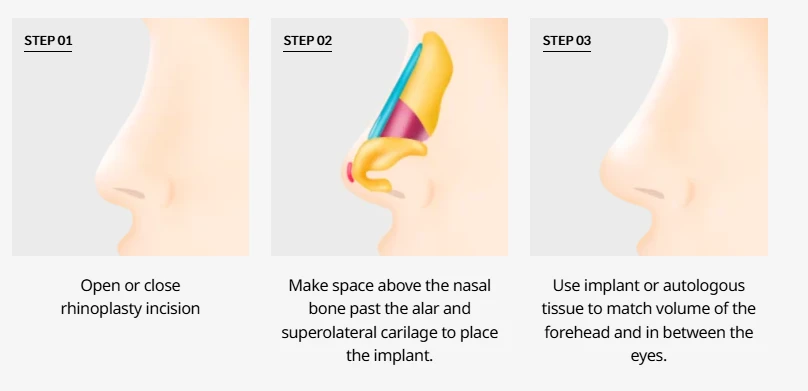
- Incision: Usually made inside the nose (closed rhinoplasty) or across the columella (open rhinoplasty)
- Pocket Creation: A precise pocket is created over the nasal bones to receive the implant
- Implant Placement: The custom-carved implant is positioned and adjusted
- Tip Refinement: If needed, cartilage work addresses the nasal tip
- Closure: Incisions are closed with fine sutures
- Splinting: A protective splint is applied to support healing
The entire procedure typically takes 1-2 hours, depending on complexity.
Why Choose Korea and Mine Clinic for Your Rhinoplasty?
When considering nose surgery abroad, international patients deserve to understand why Korea—and specifically Mine Clinic—represents the premier choice for low nose rhinoplasty.
Korea: The Global Capital of Rhinoplasty
Korea performs more rhinoplasty procedures per capita than any other country in the world. This extraordinary volume means Korean surgeons accumulate unparalleled experience, refining their techniques across diverse patient anatomies. Key advantages include:
Advanced Techniques: Korean plastic surgery has pioneered numerous innovations in rhinoplasty, including advanced cartilage manipulation techniques, ultra-thin silicone implant carving, and preservation rhinoplasty methods that maintain natural nasal function.
Specialization in Asian Rhinoplasty: Unlike Western clinics that may see ethnic rhinoplasty cases occasionally, Korean surgeons work with Asian nasal anatomy daily. This specialization translates to superior understanding of how to enhance low nose bridges naturally.
Competitive Excellence: The density of skilled surgeons in Seoul creates healthy competition that drives continuous improvement and innovation. Patients benefit from this environment through access to cutting-edge techniques.
Important: Risks, Side Effects & Safety Measures
As with any surgical procedure, low nose rhinoplasty carries potential risks and side effects. At Mine Clinic, we believe informed patients make the best decisions. Understanding these factors demonstrates our commitment to your safety and builds the trust essential for a successful surgical experience.
Common Side Effects (Expected During Recovery)
These temporary effects are normal parts of the healing process:
Swelling: Significant swelling occurs immediately after surgery, particularly around the bridge and tip. While major swelling subsides within 2-3 weeks, subtle swelling may persist for 6-12 months as your nose settles into its final shape.
Bruising: Bruising around the eyes and cheeks typically appears within 24-48 hours and resolves within 1-2 weeks. The extent varies by individual.
Discomfort: Mild to moderate discomfort is managed effectively with prescribed pain medication. Most patients describe it as manageable pressure rather than severe pain.
Nasal Congestion: Temporary stuffiness due to internal swelling is normal. Breathing through the nose improves gradually as swelling decreases.
Numbness: Temporary numbness in the nasal tip area may persist for several weeks to months but typically resolves completely.
Potential Complications (Less Common)
While uncommon at experienced centers like Mine Clinic, these complications can occur:
Infection: Rare when proper sterile techniques and post-operative care are followed. Signs include increasing redness, warmth, or unusual discharge.
Implant-Related Issues: These may include implant displacement, extrusion (extremely rare), or visibility through thin skin. Proper surgical technique and appropriate implant selection minimize these risks.
Asymmetry: Minor asymmetries can occur, though significant asymmetry is uncommon with experienced surgeons.
Unsatisfactory Results: Sometimes, results may not meet expectations, potentially requiring revision rhinoplasty. Choosing an experienced surgeon and maintaining realistic expectations significantly reduces this risk.
Scarring: Incisions inside the nose heal virtually invisibly. Columellar incisions (in open rhinoplasty) typically fade to nearly undetectable lines.
Recovery Timeline in Korea
Planning your trip to Korea for rhinoplasty requires understanding the recovery timeline. Here’s what to expect during your healing journey:
Day 1-3: Immediate Post-Operative Period
What to Expect:
- Nasal splint and taping in place
- Peak swelling and bruising
- Mild discomfort managed with medication
- Breathing through mouth due to nasal packing (if used)
- Rest is essential; keep head elevated
Clinic Care:
- Follow-up visit within 24-48 hours
- Wound check and monitoring
- Instructions for home care provided in your language
Day 4-7: Early Recovery Phase
What to Expect:
- Swelling begins to decrease noticeably
- Bruising starts to yellow and fade
- Increased comfort levels
- Light walking encouraged
Important Milestone: Stitch Removal (Day 5-7)
If external sutures were used, they are removed during this period. This is a quick, relatively painless procedure performed at the clinic.
Splint Removal (Day 7)
The protective splint is removed approximately one week after surgery. This is an exciting moment—you’ll see your new nose shape for the first time, though remember significant swelling remains.
Week 2: Transition Period
What to Expect:
- Most bruising resolved
- Swelling continues to decrease
- Return to non-strenuous activities possible
- Social presentability improves significantly
Can I Fly Home?
Most international patients can safely fly home 7-10 days after surgery. We recommend staying in Korea for at least one week to ensure proper initial healing and attend essential follow-up appointments. Some patients prefer staying 10-14 days for additional peace of mind.
Week 3-4: Continued Healing
What to Expect:
- Majority of visible swelling resolved
- Nose shape becomes more defined
- Return to most normal activities
- Gentle exercise may resume (avoid contact sports)
Month 1-3: Refinement Phase
- Subtle swelling gradually resolves
- Nose continues to refine in shape
- Final result begins to emerge
- Follow-up photos can be sent to Mine Clinic for remote assessment
Month 6-12: Final Results
- All swelling completely resolved
- Final nose shape achieved
- Scars fully matured and faded
- Full activity including contact sports permitted
Tips for Recovery in Korea
Make the most of your recovery stay in Seoul:
- Book Comfortable Accommodation: Choose lodging near Gangnam, where Mine Clinic is located. Many medical tourism hotels cater specifically to post-operative patients.
- Stock Up on Supplies: Soft foods, straws, and entertainment for rest periods make recovery more comfortable.
- Use Translation Apps: While Mine Clinic provides interpreter services, apps help during independent outings.
- Explore Gently: Seoul offers countless attractions you can enjoy during light activity phases—museums, cafes, and shopping are perfect for recovering patients.
- Follow All Instructions: Adherence to post-operative care instructions ensures optimal results. Our aftercare team provides detailed guidance.
Frequently Asked Questions
How long does low nose rhinoplasty surgery take?
The procedure typically takes between 1.5-2.5 hours, depending on the complexity of your case and whether additional procedures like tip refinement are included. Simple augmentation rhinoplasty using an implant alone may take closer to one hour, while comprehensive work involving cartilage grafting may extend to two hours. You’ll receive a more precise estimate during your consultation at Mine Clinic after your surgeon evaluates your specific needs.
Will my low nose rhinoplasty results look natural?
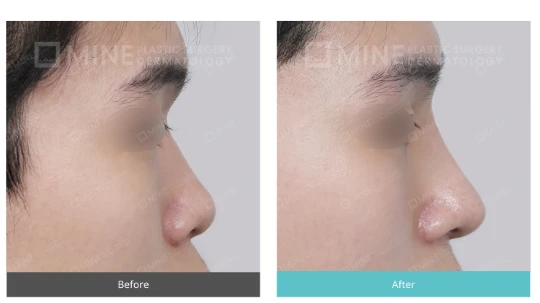
When performed by experienced surgeons like those at Mine Clinic, low nose rhinoplasty results should look completely natural. Korean rhinoplasty techniques specifically focus on creating harmony with your existing features rather than imposing a standardized “ideal” nose. We customize implant shape, height, and width to match your facial proportions, ensuring results that enhance rather than transform your appearance. Our before and after gallery demonstrates the natural outcomes we consistently achieve.
How much does low nose rhinoplasty cost in Korea?
Consultation is required for personalized pricing, as costs vary based on the specific techniques needed, implant materials selected, and whether additional procedures are combined. During your online consultation, our team will provide a detailed quote after understanding your goals and evaluating your anatomy. Korea generally offers excellent value compared to Western countries, combining world-class expertise with more accessible pricing.
Is low nose rhinoplasty painful?
Most patients are pleasantly surprised by the manageable discomfort level. During surgery, you’ll be under anesthesia and feel nothing. Post-operatively, patients typically describe the sensation as pressure or congestion rather than sharp pain. Prescribed pain medication effectively controls any discomfort during the first few days. By the end of the first week, most patients require only over-the-counter pain relief occasionally. The recovery is more inconvenient than painful for most individuals.
Can I combine low nose rhinoplasty with other procedures?
Yes, many international patients choose to combine procedures to maximize their trip to Korea. Common combinations include tip rhinoplasty for comprehensive nasal reshaping, double eyelid surgery for overall facial enhancement, or other facial procedures. Combining procedures can be more cost-effective and allows you to recover from multiple surgeries simultaneously. However, safety always comes first—our surgeons will advise whether your desired combinations are appropriate during consultation.
Take the Next Step Toward Your Ideal Profile
Low nose rhinoplasty in Korea represents a meaningful opportunity to enhance your natural features while benefiting from the world’s most advanced techniques and experienced surgeons. At Mine Clinic, we combine surgical excellence with compassionate care, ensuring international patients feel supported throughout their entire journey.
Whether you’re concerned about a flat nasal bridge, seeking better facial harmony, or simply want to explore your options, our team is ready to guide you.
Interested in this procedure? Contact Mine Clinic today for a personalized online consultation. We are ready to assist you on WhatsApp and guide you through your K-Beauty journey in Seoul.
Reviewed by Dr. Lee Sung-wook, Board Certified Plastic Surgeon at Mine Clinic.
※ This content is for informational purposes only and does not replace professional medical advice, diagnosis, or treatment. Individual results may vary, and side effects may occur. Please consult with a board-certified plastic surgeon for personalized advice.