EN


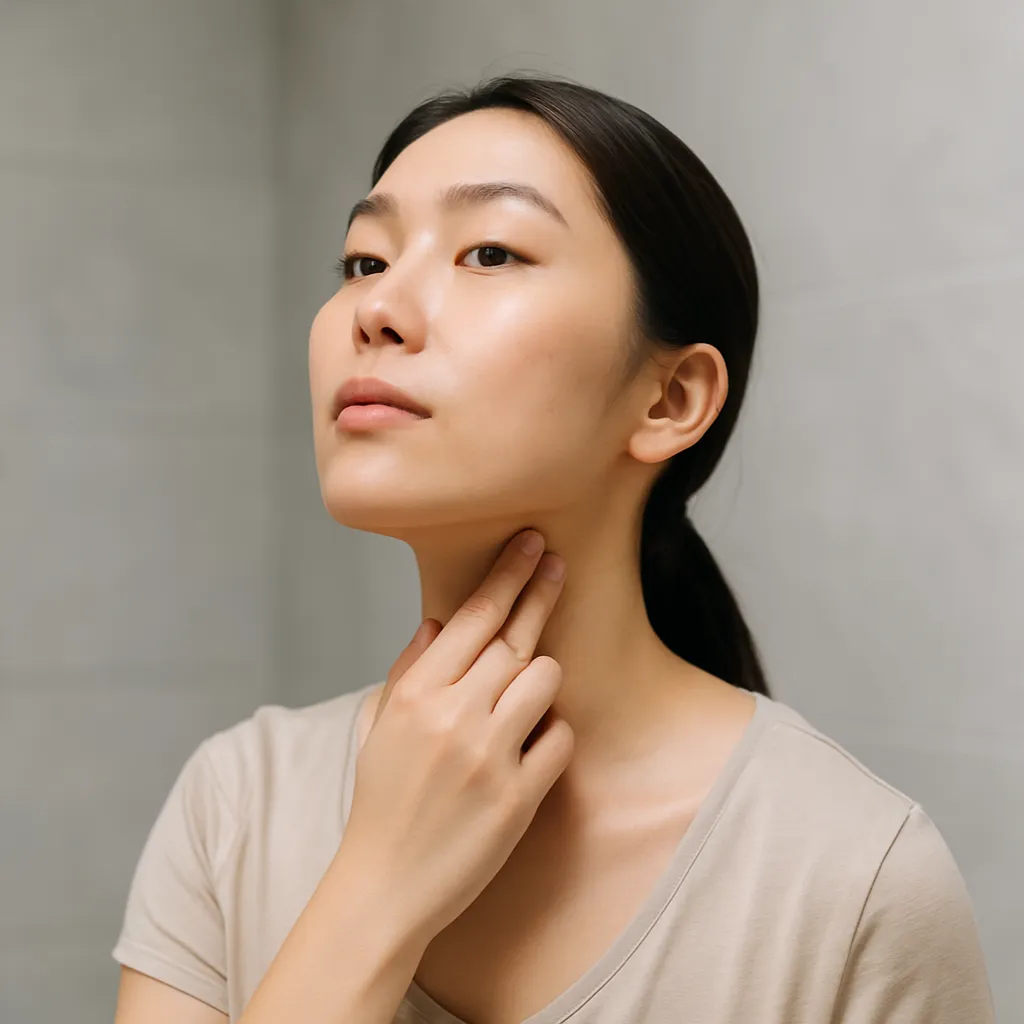
What to avoid after salivary gland botox is a short list of habits — alcohol, heat, pressure on the jaw, lying flat too soon, and heavy chewing — that can spread the toxin, worsen bruising or weaken the result in the first hours to weeks after submandibular gland injections.
Submandibular (under-jaw) gland botox takes only a few minutes, and most people go straight back to work or sightseeing. That fast return is exactly why the small rules get forgotten.
This article covers what to avoid after salivary gland botox, habit by habit: what to pause, why it matters and when you can go back to it. If you want the full timeline from injection day onward, read my full day-by-day salivary gland botox aftercare plan.
Why Small Habits Matter After Salivary Gland Botox
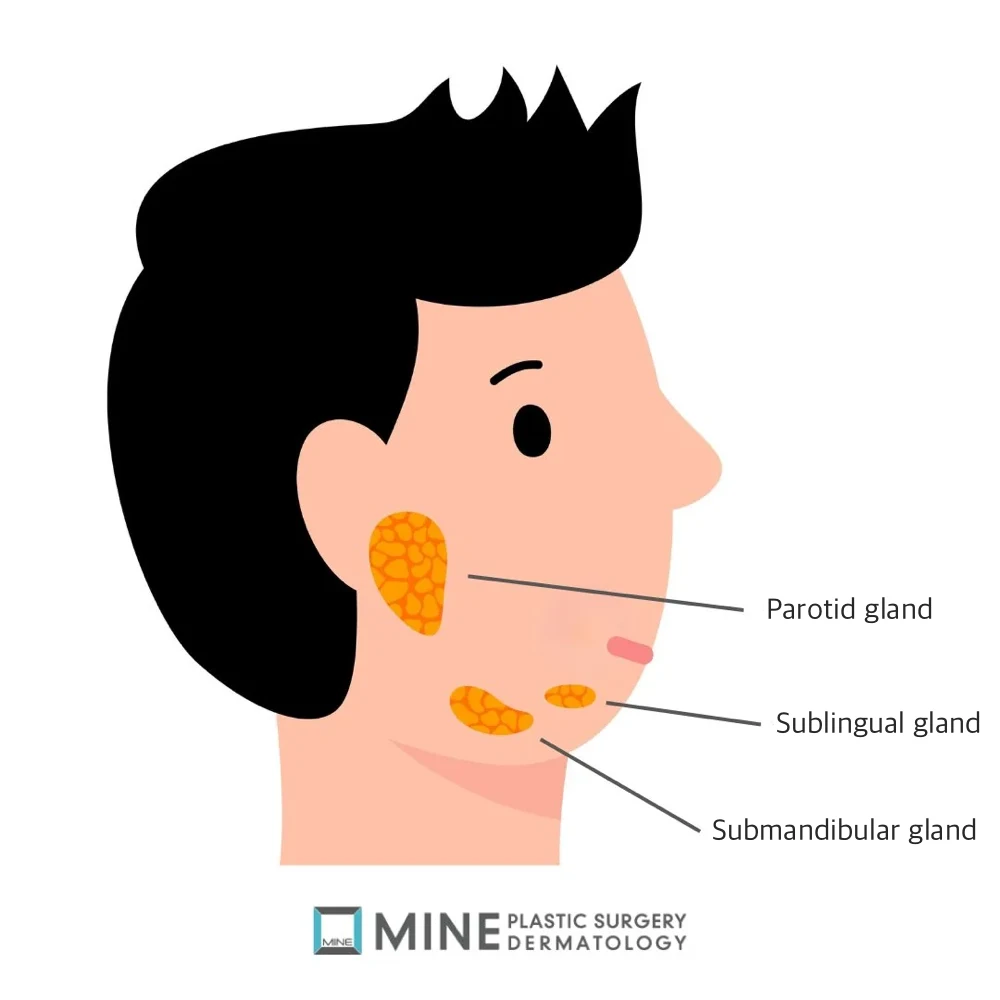
Where the submandibular gland sits — and the swallowing muscle next to it
The submandibular gland sits deep under each side of the jawbone and makes roughly 60–70% of your saliva, which makes it the busiest of the salivary glands. Medical textbooks describe it as wrapped in deep fascia (a firm layer of connective tissue), with the mylohyoid muscle — a thin sheet that supports the floor of the mouth and helps you swallow — passing right through it. That is why doctors place these injections carefully to avoid swallowing problems. For the anatomy in more detail, see why swallowing and dry mouth need extra care.
How heat, pressure and alcohol change what the toxin does
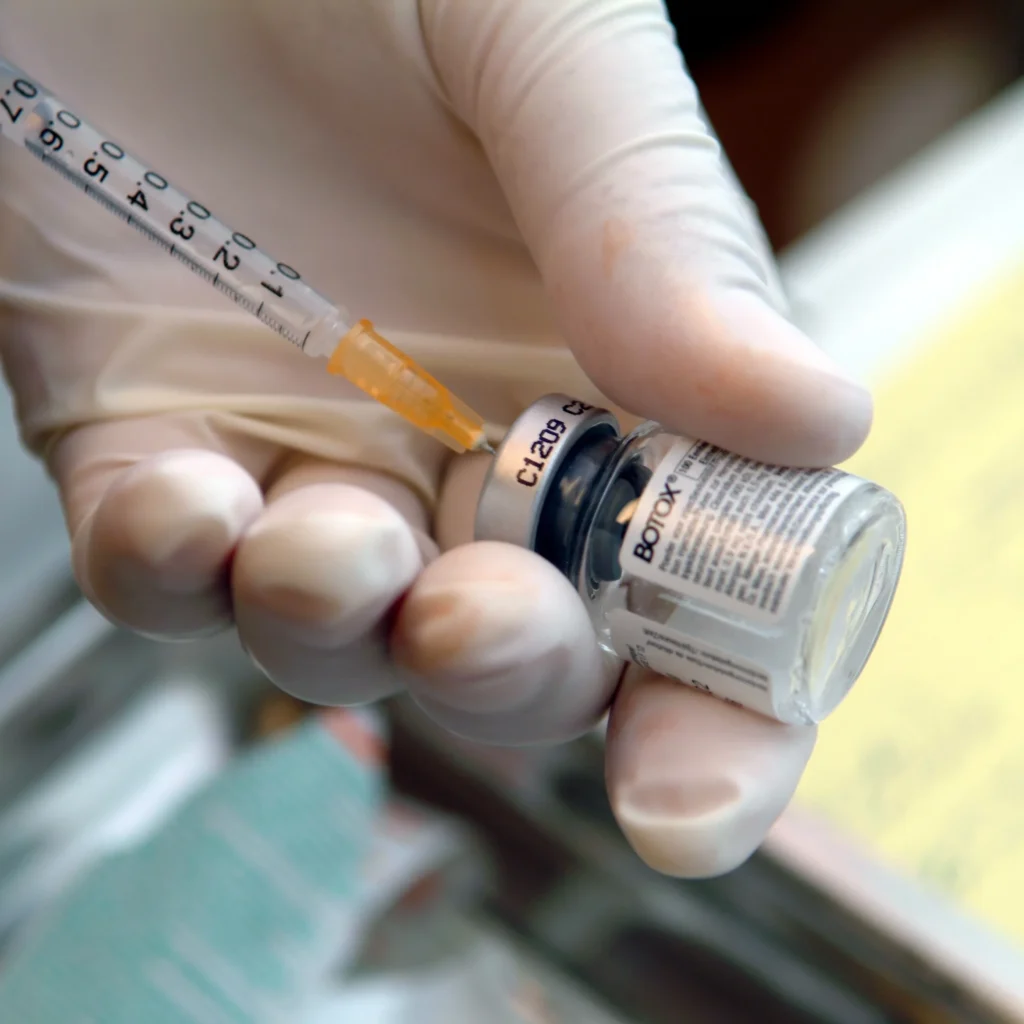
Botulinum toxin calms the gland by blocking the nerve signal that tells it to make saliva. For that to work well, the toxin needs to stay inside the gland while it binds, which takes some time. Dermatology textbooks advise against massage or firm pressure after injection because it can push the product beyond the target and raise the rate of side effects. Separately, alcohol, certain painkillers and some supplements thin the blood, so a small needle mark is more likely to become a visible bruise. Everything on the list of what to avoid after salivary gland botox falls into one of these two groups: it either moves the toxin, or it makes you bruise and swell more.
What to Avoid After Salivary Gland Botox: 5 Habits to Pause
Here is what to avoid after salivary gland botox, one habit at a time. For each, I explain what to pause, why, when to resume and what to do instead.
Alcohol: skip it 24 hours before and at least 3 days after
What to pause: Alcohol is first on the list of what to avoid after salivary gland botox — none from 24 hours before your appointment, and none for at least 3 days afterward.
Why: Medical textbooks list alcohol alongside aspirin and other blood thinners as something to avoid around toxin injections, because it raises the risk of bleeding and bruising.
When to resume: Our clinic advises waiting at least 3 days, until any bruising and swelling have settled. To be clear, the textbooks do not set a specific number of days after injection — the 3-day mark is our clinic’s practical guidance, based on how long early swelling usually lasts.
Instead: If you have a dinner or celebration planned, book your treatment so those first 3 days are free.
Saunas, hot baths and hard workouts: 24–48 hours
What to pause: Heat belongs on the list of what to avoid after salivary gland botox: saunas, hot tubs, Korean jjimjilbang (heated spa rooms), long hot baths and intense exercise.
Why: Anything that raises your body temperature increases blood flow to the face and neck. That can make swelling and bruising worse. Dermatology textbooks also advise avoiding physical activity for the rest of the injection day.
When to resume: Avoid saunas, hot baths and intense workouts for 24–48 hours after the injection.
Instead: Light walking is fine, so you can still explore the city or walk to dinner. Save the gym and the spa for day 3.
Pressing, massage and facials: hands off for 24 hours, facials for 1–2 weeks
What to pause: Pressing, rubbing or massaging the area under the jaw for 24 hours. Face and neck massage, gua sha, lymphatic drainage and salon facials for about 1–2 weeks.
Why: If you remember only one rule on the list of what to avoid after salivary gland botox, make it this one: pressure is the most direct way to move the toxin out of the gland. If it drifts into nearby muscles, it can cause temporary speech discomfort, an odd feeling when swallowing, or an uneven look between the left and right sides.
When to resume: Gentle face washing and makeup are fine. Leave deep massage and facial treatments that work on the jaw and neck until 1–2 weeks have passed.
Instead: If the area feels tender, a cool pack held lightly against it — not pressed — is enough.
Lying flat and bowing your head: stay upright for 4 hours
What to pause: Lying down, napping and bending your head deeply forward right after treatment.
Why: Stay upright for 4 hours after salivary gland botox so the toxin stays in the gland. Lying flat or bowing your head deeply — for example, looking down at your phone for a long time — can let it spread in a direction we did not intend. Clinical skin-care textbooks also recommend not lying down for 4 hours after toxin injection.
When to resume: After 4 hours you can lie down and sleep normally.
Instead: Hold your phone at eye level. If you have a long flight or bus ride home on the same day, sit upright rather than reclining fully for those first hours.
Gum, chewy and very sour food: ease off for 1–2 weeks
What to pause: Frequent gum chewing, very chewy food (tough meat, dried squid, chewy rice cakes) and very sour food or drinks.
Why: Food stays on this list the longest, because sour tastes and heavy chewing are strong triggers for saliva. They are also among the common habits that keep the submandibular gland overworked and enlarged in the first place. While the toxin is taking hold, constant stimulation works against it.
When to resume: Ease off for about 1–2 weeks.
Instead: Choose softer meals, and sip water through the day. Water also eases any temporary dry mouth.
Summary: what to avoid after salivary gland botox, at a glance
| Pause | Why it matters | Resume after |
|---|---|---|
| Alcohol | Raises bleeding and bruising risk | At least 3 days (clinic guidance); also avoid 24 h before |
| Sauna, hot bath, hard exercise | Heat and blood flow worsen swelling and bruising | 24–48 hours |
| Pressing or massaging the jaw | Can push the toxin into nearby muscles | 24 hours (facials and face/neck massage: 1–2 weeks) |
| Lying flat, bowing the head | Can let the toxin spread unintentionally | 4 hours |
| Gum, chewy and very sour food | Stimulates the gland while the toxin takes hold | 1–2 weeks |
In my clinical experience, patients who follow this list rarely call with anything more than mild tenderness. That is why knowing what to avoid after salivary gland botox matters as much as the injection itself.
Before Your Appointment: Mouth Inflammation and Medications
Part of what to avoid after salivary gland botox actually starts before the needle. Two checks make the biggest difference, and they lower the bruising and infection risks that the aftercare list is meant to control.
Check for gum or tonsil inflammation first
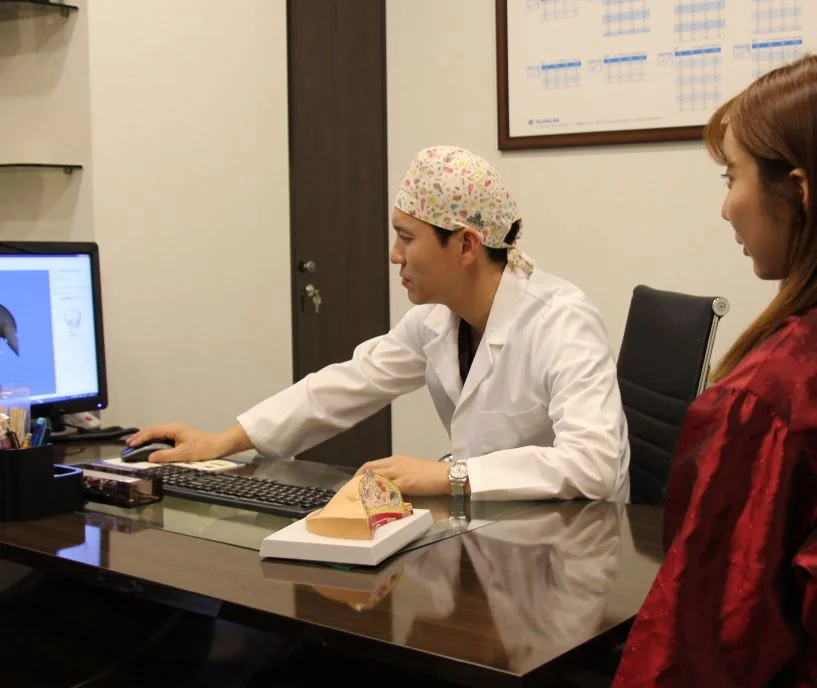
If you have gum inflammation (gingivitis), tonsillitis or another active infection in the mouth, let it settle before treatment. Medical textbooks list infection at the injection site as a reason not to inject botulinum toxin.
Blood thinners and supplements that raise bruising
Dermatology textbooks advise that, because of bleeding risk, patients avoid the following before toxin injections:
- Aspirin, warfarin and NSAID painkillers such as ibuprofen
- Supplements such as ginkgo biloba, garlic and vitamin E
- Alcohol
Please tell your doctor about everything you take, including antibiotics and muscle relaxants. Never stop a prescribed blood thinner on your own — your prescribing doctor needs to decide that.
If you are nervous about pain, medical textbooks report that injection pain is low, around 2 out of 10 on a standard pain scale. A numbing cream can be applied first if you prefer.
When to postpone or skip treatment
Treatment is not advised during pregnancy or breastfeeding, or if you have a neuromuscular disease such as myasthenia gravis, ALS or Lambert-Eaton syndrome. A past allergy to the toxin or to albumin, a bleeding disorder, or diagnosed dry mouth (for example, Sjögren’s syndrome) also needs careful discussion first. For the full picture, see effects and side effects of salivary gland botox.
Combining It With Parotid Botox, Masseter Botox or Double Chin Surgery
Many patients combine under-jaw treatment with other contouring treatments. That works well, but each combination comes with one extra thing to watch.
Parotid and submandibular gland botox in one visit
The parotid gland shapes the side of the lower face, in front of the ear, while the submandibular gland shapes the line just under the jaw. Treating both in one visit is common, as long as the diagnosis shows which gland actually drives the fullness. The doctor then plans the total dose and order for the whole session. What to avoid after salivary gland botox is the same for every injected area, so one set of rules covers the whole session.
After masseter (jaw) botox: when the gland starts to look bigger
When the masseter (chewing muscle) shrinks after square-jaw botox, the salivary glands can look relatively more prominent. Read parotid gland botox vs masseter botox to see how the two differ.
Double chin surgery or fat: find the real cause of the fullness first
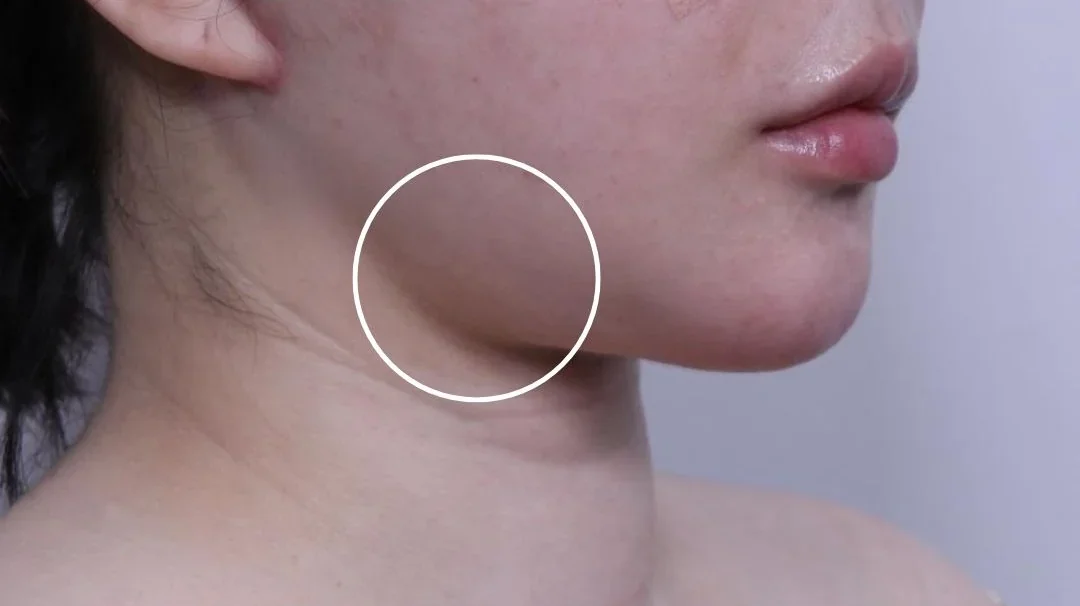
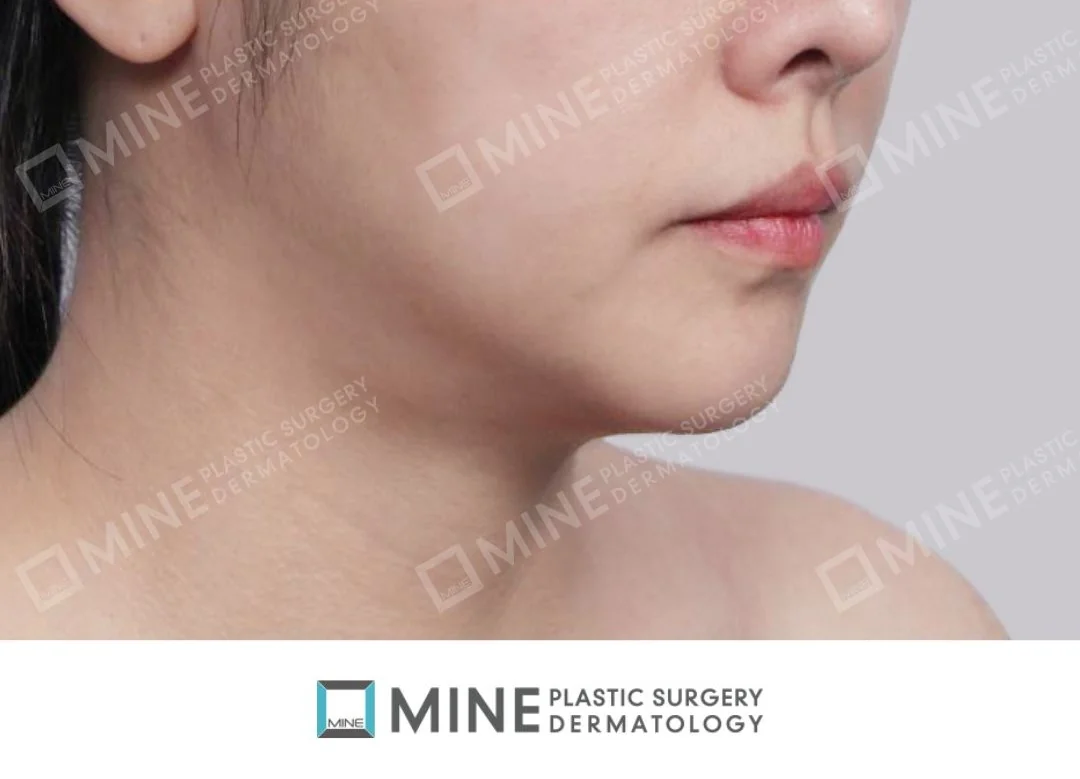
Fullness under the chin can come from the gland, fat, loose skin or the neck muscle. If the cause is fat or sagging skin, gland botox will not change much. That is why I check by hand and with imaging first. This guide explains how to tell a double chin from salivary glands.
Side Effects: How Common They Are and How Long Recovery Takes
Most people return to daily life right after treatment, and many begin to notice a change at around 3–4 weeks. Side effects are usually mild, and following what to avoid after salivary gland botox keeps the most common ones — bruising and swelling — small.
Side effect frequency and recovery table
| Side effect | How often | Recovery |
|---|---|---|
| Bruising, minor bleeding | Fairly common | Fades on its own within 1–2 weeks |
| Dry mouth, less saliva | Can occur temporarily | Usually adapts within a few weeks (varies) |
| Swelling at the injection site | Mild | Settles in 3–5 days |
| Left-right asymmetry | Rare | Prevented with precise dosing |
Medical textbooks also mention local pain and redness, and, rarely, temporary weakness of a facial muscle when the toxin is placed too deep or diffuses toward nearby nerves.
Dry mouth and swallowing: what is normal
The submandibular gland produces about 60–70% of your saliva, so mild temporary dry mouth is possible. With an appropriate dose, dryness severe enough to disrupt daily life is uncommon. Rarely, a slightly odd feeling when swallowing or speaking appears if a little toxin reaches the mylohyoid muscle; it is usually temporary.
Warning signs that need a call or ER today
Medical textbooks note that toxin-spread symptoms such as trouble swallowing can appear hours to weeks after injection, and that swallowing or breathing difficulty can be serious.
- Contact the clinic immediately if you notice double vision, drooping eyelids, slurred speech or general weakness.
- If you are short of breath or cannot swallow, go to an emergency department without delay — including if you have already flown home.
The MedlinePlus: OnabotulinumtoxinA injection page lists these warning signs in plain language.
Avoid Booking Repeat Injections Too Soon
The effect of gland botox is temporary, and re-treatment is usually done at about 4–6 month intervals (this varies by person). Medical textbooks explain that some people develop blocking antibodies, which make the toxin less effective. Injecting too often or too much can also shrink the gland excessively, leading to sagging under the jaw or long-lasting dry mouth. Keeping a sensible interval and an appropriate dose is better in the long run.
FAQ: What to Avoid After Salivary Gland Botox
Can I drink alcohol after salivary gland botox?
Avoid alcohol for 24 hours before treatment, and wait at least 3 days afterward, until any bruising and swelling have settled. The 3-day mark is our clinic’s guidance; medical textbooks support avoiding alcohol around injections because it raises bruising risk.
How long after salivary gland botox can I go to the sauna or work out?
Skip saunas, hot baths and intense exercise for 24–48 hours. Heat is part of what to avoid after salivary gland botox because it increases swelling. Light walking is fine on the same day.
Can I chew gum or eat chewy food after salivary gland botox?
Ease off frequent gum chewing, very chewy food and very sour food for about 1–2 weeks. They stimulate the gland while the toxin is taking effect.
When can I lie down after salivary gland botox?
Stay upright for 4 hours, and avoid bowing your head deeply right after treatment. This short window is the most time-sensitive part of what to avoid after salivary gland botox. After that, you can lie down and sleep normally.
Can I get parotid and submandibular gland botox at the same time?
Yes. They are often done together once the diagnosis confirms which gland is causing the fullness. The list of what to avoid after salivary gland botox is the same for both areas, so follow it just as closely.
Why is my mouth dry after salivary gland botox?
The submandibular gland makes about 60–70% of your saliva, so mild, temporary dryness can happen. Most people adapt within a few weeks. Sip water often, and contact the clinic if eating or speaking becomes difficult.
Planning Salivary Gland Botox in Seoul?
The safest results start with an accurate diagnosis: which structure is causing the fullness, how large each gland is, and how much toxin each side needs. As a board-certified plastic surgeon, I check this in person before any injection, and I go through what to avoid after salivary gland botox with every patient before they leave.
You can start with an online consultation or booking through this website, or call us at +82-2-516-1175. Cost depends on your individual assessment, so we discuss it after the consultation.
※ This content is for informational purposes only and does not replace professional medical advice, diagnosis, or treatment. Individual results may vary, and side effects may occur. Please consult with a board-certified plastic surgeon for personalized advice.
Written and reviewed by: Dr. Lee Sung-wook, Board-certified Plastic Surgeon, MINE Plastic Surgery & Dermatology