EN


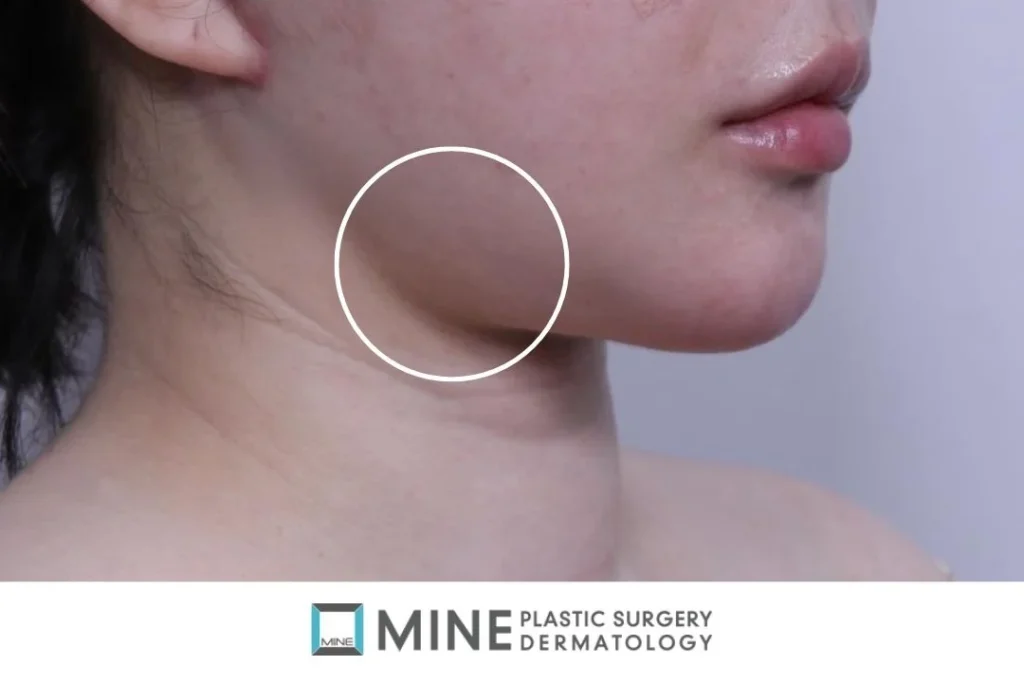
Salivary gland Botox wearing off is the gradual return of submandibular gland volume as the toxin’s block on the gland’s nerve signals fades — in my practice, usually around 4–6 months after a first session. The first sign is typically a rounded line returning under the jawbone in profile.
After a first round of salivary gland Botox, patients usually ask me three things: “How do I know it’s really fading?” “When should I come back?” and “If I book early, will it last longer?” This article answers all three, using medical textbooks alongside what I see in my own patients.
For the full month-by-month timeline, see my guide on how long salivary gland Botox lasts. Here, the focus is what comes after: reading the signs of salivary gland Botox wearing off, and planning your next session around them.
Why the Gland Recovers on a Different Clock Than Jaw Botox
Many patients expect the timing of salivary gland Botox wearing off to match that of jaw (masseter) Botox. It may not: the medicine is the same, but the tissue is different.
What the toxin does to the gland
Your submandibular gland (the saliva gland under each side of the jawbone) makes saliva when a nerve releases acetylcholine — a chemical messenger that says “make saliva now.” Botulinum toxin temporarily blocks that message, and the under-worked gland gradually shrinks.
The saliva-making cells are not destroyed; they are only resting. As the nerve signal returns, the gland starts working again and regains volume. That recovery is what people mean by salivary gland Botox wearing off.
Why glands may hold the effect longer than muscles
Cosmetic dermatology textbooks describe the toxin’s effect on muscle as lasting about 3 months, while its effect on glands can last longer. When it is used for gustatory sweating (facial sweating while eating), reduced sweating has been reported for more than 12 months. Nobody is sure why; one idea is that nerve endings in muscle sprout new branches and repair faster than those in glands. Some drooling studies report shorter effects, but they use different doses and goals, so the results are not directly comparable.
The practical takeaway: even if you get jaw and gland Botox on the same day, we time the next session for each area separately.
Salivary Gland Botox Wearing Off: 3 Signs to Watch For
The change is gradual, so watch for these three signs of salivary gland Botox wearing off.
- A rounded bulge under the jawbone shows again in profile.
- The area under the chin bunches up when you tilt your head down.
- Same-angle photos show the improvement fading.
Sign 1: The bulge under the jawbone shows again in profile
In a side-view photo, a rounded line reappears just below the jawbone, between the chin and the angle of the jaw. The crisp edge from your peak result now looks slightly blurred.
Sign 2: Fullness under the chin when you tilt your head down
Tuck your chin slightly. If the area under the jaw bunches up again in a firm, rounded way, you are likely seeing salivary gland Botox wearing off as the gland regains volume.
Sign 3: Same-angle photos show the improvement fading
Compare a photo taken a few weeks after treatment with one taken today, in the same light and at the same angle. If the jawline looks softer in today’s photo, that is the clearest early sign of salivary gland Botox wearing off.
A mirror alone is not reliable: morning puffiness, a salty dinner or small weight changes can all alter the jawline from day to day. So I ask patients not to take a single glance as proof of salivary gland Botox wearing off.
How we confirm it in clinic
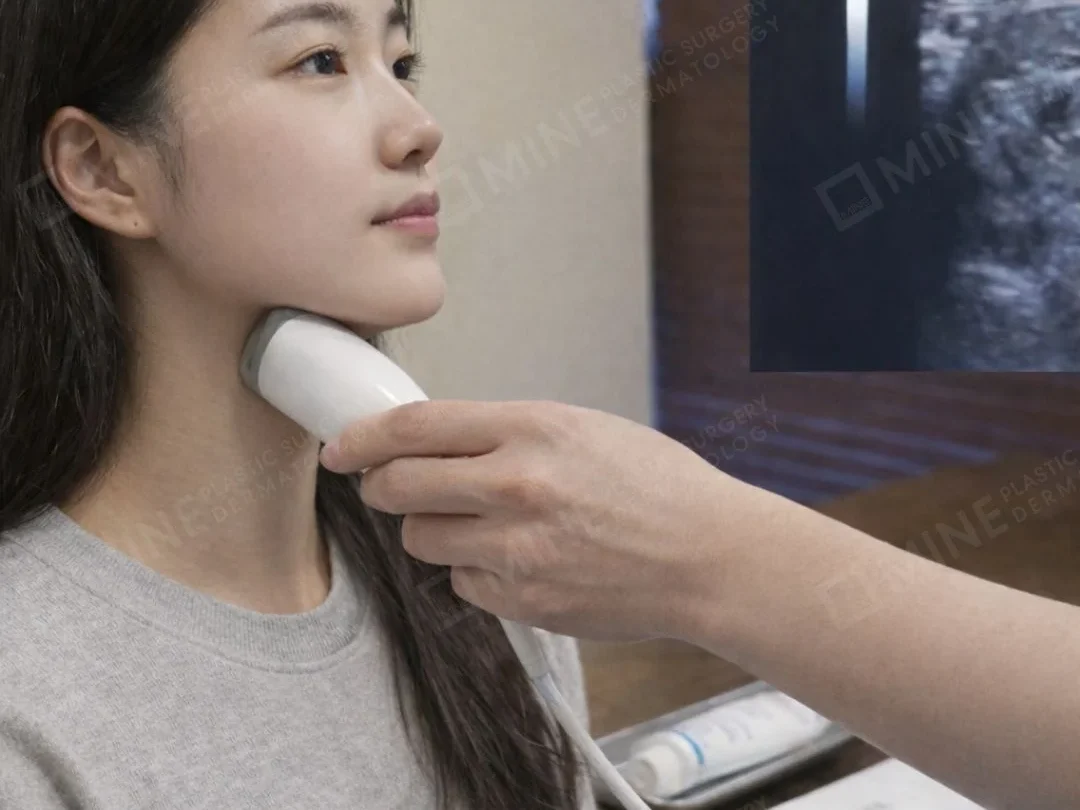
In clinic, I feel the area (palpation) to tell the firm gland from soft fat, and I can check the gland directly with a salivary gland ultrasound, which shows its size and depth without any radiation.
In my practice, the decision to repeat is based on the gland’s state, not the calendar. At the same 4-month mark, one patient may show clear signs of salivary gland Botox wearing off while another shows none.
When to Repeat Salivary Gland Botox — and When to Wait
The first-year schedule
In my clinical experience, the first session’s effect usually starts to fade at around 4–6 months, so most people come in 2–3 times in their first year. Once an exam shows salivary gland Botox wearing off, we plan the repeat dose. If the effect is still clearly visible, I wait at least 3 months between sessions. After 2–3 sessions, some patients find the volume returns more slowly and their interval stretches to 6 months or more — occasionally close to a year. That is a possibility, not a promise.
| Timepoint | What you notice | What we do |
|---|---|---|
| First session, around 4–6 months (clinical experience) | Volume returning under the jaw | Confirm with photos and an exam, then re-dose |
| Under 3 months, effect still visible | Little change from your best result | Wait |
| After 2–3 sessions | Volume comes back more slowly in some people | Consider stretching the interval to 6+ months |
| Volume back within 3 months every time | Salivary gland Botox wearing off too early | Re-check dose, placement and fat (see below) |
Why the dose can often go down over time
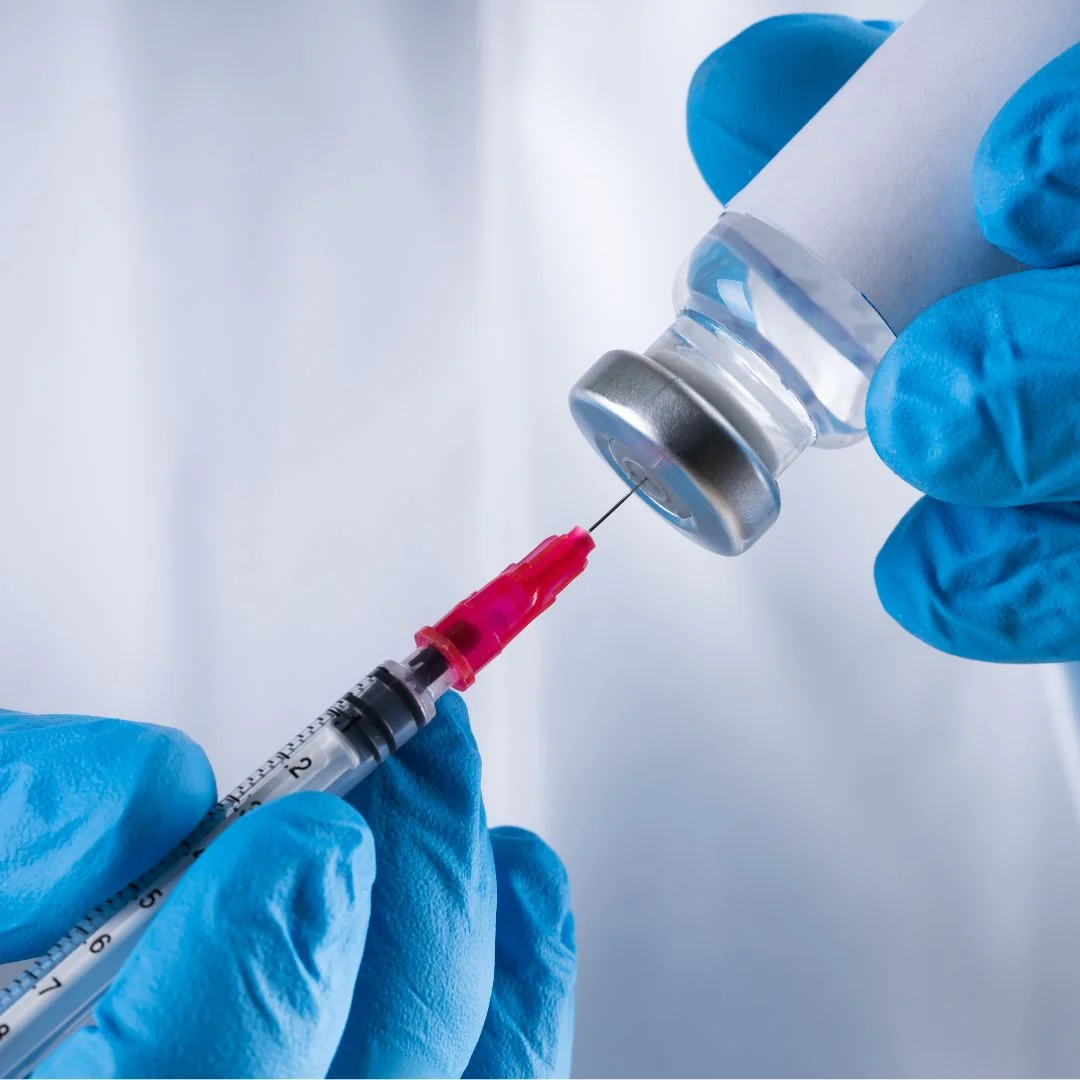
A plastic surgery textbook describes starting large submandibular glands at 15 units of Botox or Xeomin (40 units of Dysport) per gland and often tapering to 5–7.5 units (12.5–15 units of Dysport) as the gland shrinks with repeat injections. A smaller gland simply needs less toxin, so whenever we see salivary gland Botox wearing off, we reassess the dose rather than repeating it out of habit.
A 2025 literature review by Morel et al. in Aesthetic Surgery Journal cites ultrasound-guided injections of about 15 units per gland that shrank the gland by 0.3–1.2 cm within 2–10 days, and notes that some patients kept their result without further injections. An aesthetic dermatology textbook also notes that repeated toxin treatment stays just as effective cycle after cycle, though that comes mainly from muscle treatment.
Why topping up early can backfire
It seems logical to book before you notice salivary gland Botox wearing off. In practice, that can work against you: botulinum toxin is a protein, and your immune system can learn to recognize it. Textbooks on salivary gland surgery put the rate of antibody formation with current Botox preparations at under 1%, with a higher risk from larger single doses and shorter gaps between injections.
The chance is small, but if blocking antibodies form, the same medicine may work less well. So my rule is the right dose in the right place, with enough time in between — not more injections, more often.
Salivary Gland Botox Wearing Off Too Fast? What to Re-Check
If the volume returns within 3 months every time, the plan, the gland or the diagnosis usually needs a closer look.
Dose and injection point
The most common cause of salivary gland Botox wearing off too fast is too little toxin reaching the center of the gland at the right depth. But too much raises the risk of swallowing discomfort, so simply increasing the dose is not the answer.
A larger gland
A naturally large gland changes less with the same dose and seems to recover faster. I look at how it responded the first time and adjust the next dose.
Fat, sagging, or thin skin hiding the result
Sometimes the gland did shrink, but something else hides the change. Fat under the chin, age-related descent of soft tissue and the SMAS (the supportive layer of muscle and connective tissue under the skin of the face), or very thin skin with little fat can all blur the jawline. Any of these can mimic salivary gland Botox wearing off early, even though the gland itself is still reduced. If you are unsure which one you have, my guide on double chin vs salivary gland explains how to tell them apart.
When Botox alone is no longer the right tool
If the gland is very large, or the effect remains short-lived despite a well-planned dose, surgical reduction may be worth discussing — see my article on when salivary gland Botox isn’t working.
How to Make Your Results Last Longer Between Sessions
Honestly, daily habits make little difference to how long the toxin lasts. But if you are asking how to make salivary gland Botox last longer, a few things help you keep the result and time your next visit well.
Keep your weight steady
Weight gain adds fat under the chin, which can hide a gland that is still reduced and be mistaken for salivary gland Botox wearing off.
Keep a simple photo log
Take one side-view and one chin-down photo each month, by the same window. If you sense salivary gland Botox wearing off, those photos give us something objective to compare.
Space sessions instead of stacking them
The real way to stretch your results is the same rule as above: an accurate dose in the right spot, with enough time between sessions. For the first few days after each injection, follow your salivary gland Botox aftercare routine.
Side Effects to Keep in Mind With Repeat Sessions
What you may notice
- Mild, temporary dry mouth
- Bruising or swelling, usually gone within a few days to a week
- Rarely, slight discomfort when swallowing
- A small left–right difference
- Rarely, an allergic reaction
Textbooks describe the submandibular gland as wrapped in a deep layer of fascia (firm connective tissue), with the mylohyoid muscle — a thin muscle that helps you swallow — passing through it. That is why the depth and spread of each injection matter. Some textbook authors observe patients for 30 minutes after submandibular gland injection to watch for bleeding in the neck. General drug safety information is available from MedlinePlus: OnabotulinumtoxinA injection.
Who should postpone or check first
Please tell us before treatment if any of these apply to you:
- You are pregnant or breastfeeding
- You have a nerve–muscle condition such as myasthenia gravis
- You have had an allergy to a toxin before
- You have inflammation at the injection site
- You have recently taken aminoglycoside antibiotics
If any of them apply, we postpone the repeat session until it is safe, even if you already see signs of salivary gland Botox wearing off.
Frequently Asked Questions
How can I tell if my salivary gland Botox is wearing off or I’ve just gained weight?
Look at the shape of the fullness. When the gland recovers, a firm, rounded bulge returns just below the jawbone on each side. Weight gain thickens the whole area under the chin with soft fat. To tell salivary gland Botox wearing off from weight gain, compare same-angle photos; in clinic, we check by touch or ultrasound.
When should I repeat salivary gland Botox if I also get masseter (jaw) Botox?
Judge each area separately, even if you had both on the same day. Muscle and gland can recover at different speeds, so you may notice salivary gland Botox wearing off before or after your jaw result fades. Whether to treat both in one visit depends on the combined dose for the two areas, which we decide in consultation.
What happens to my jawline after salivary gland Botox wears off?
The gland gradually returns to its pre-treatment size — it does not become bigger than before. In my clinical experience, some patients find the volume returns more slowly after several repeat sessions.
How many times a year do people repeat salivary gland Botox?
In my clinical experience, most people have 2–3 sessions in the first year, about 4–6 months apart. If the interval stretches to 6 months or more after a few sessions, that can drop to 1–2 sessions a year. The right schedule depends on how your own gland responds.
Why not book my next session before I see salivary gland Botox wearing off?
If the effect is still there, an extra dose adds little. I wait at least 3 months between sessions while the result is visible. Larger doses and shorter intervals raise the small risk of antibodies (under 1% with current Botox preparations), which can make treatment less effective.
Plan Your Next Session Around Your Gland, Not the Calendar
“Why did mine come back in 4 months when someone else’s lasted almost a year?” It almost always comes down to gland size, dose, placement, or fat and sagging hiding the result. I check the cause first, then time your next session around it.

If you live overseas and notice salivary gland Botox wearing off, you can send two same-angle photos — one from a few weeks after treatment and one from today — with an online consultation request, message us on WhatsApp, or call +82-2-516-1175. We give a preliminary view before you travel; the final plan is confirmed in person.
※ This content is for informational purposes only and does not replace professional medical advice, diagnosis, or treatment. Individual results may vary, and side effects may occur. Please consult with a board-certified plastic surgeon for personalized advice.
Written and medically reviewed by: Dr. Lee Sung-wook, board-certified plastic surgeon (Korea), MINE Plastic Surgery & Dermatology, Seoul · Last reviewed: November 2026
For background on specialist training in Korea, see the Korean Society of Plastic Surgeons.