EN


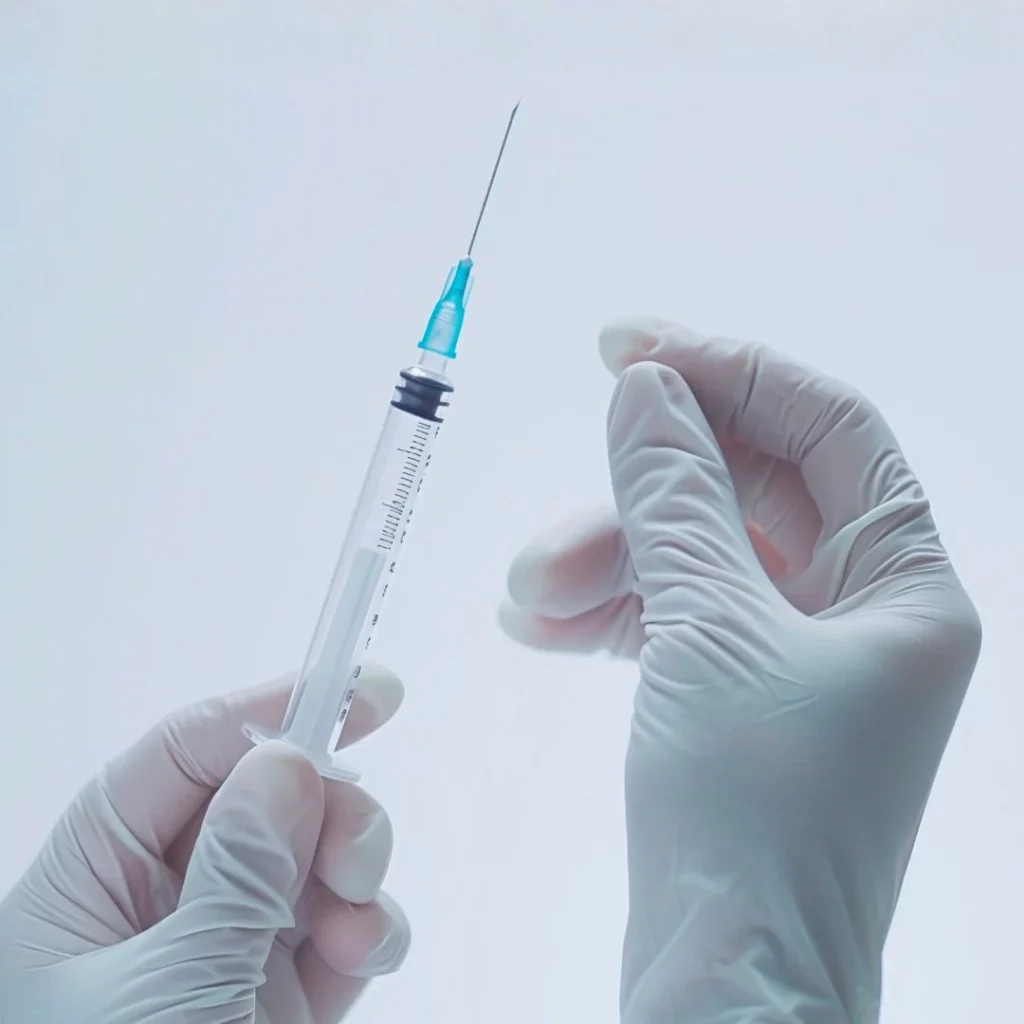
Salivary gland Botox aftercare is the set of steps you take before and after botulinum toxin injections into enlarged salivary glands to lower the risk of bruising, swelling and rare complications, and to recover smoothly. Most of it is simple: share your full medical history, pause certain supplements, keep your hands off the area, skip the gym for the rest of the day, and know which symptoms need a call.
If the area under your jaw looks soft and rounded instead of sharp, enlarged glands may be part of the reason. We explain that condition in our guide to salivary gland hypertrophy. This article has a narrower goal: helping you lower your risk and get through recovery with as few surprises as possible.
I am Dr. Lee Sung-wook, a Board-Certified Plastic Surgeon at MINE Plastic Surgery & Dermatology in Seoul. Below is the salivary gland Botox aftercare plan we walk our patients through, written so you can follow it whether you live in Seoul or are flying in for treatment.
Written by Dr. Lee Sung-wook, Board-Certified Plastic Surgeon, MINE Plastic Surgery & Dermatology, Seoul
Table of Contents
Salivary Gland Botox Aftercare at a Glance: 7 Steps
Here is the whole salivary gland Botox aftercare routine in one list. Each step is explained in more detail further down.
- Share your full medical history. Tell us about any nerve or muscle condition, allergies, pregnancy or breastfeeding, and every medicine or supplement you take.
- Review blood-thinning medicines and supplements. Over-the-counter pain relievers and certain supplements are usually paused about 10 days to 2 weeks before treatment. Never stop a prescribed blood thinner without your prescribing doctor.
- Get an ultrasound check and spread-out dosing. We confirm the size and position of each gland first, then divide the dose across several small injection points.
- Use cold compresses and keep your hands off. A gentle cold compress can make you more comfortable; rubbing or massaging the injection points does not help.
- Skip workouts for the rest of the day. At Mine, we also suggest waiting a few days before saunas, hot baths and intense exercise.
- Know the warning signs. Trouble swallowing or breathing needs urgent care, even if it starts days or weeks later.
- Keep your follow-up check-ins. They let us catch problems early and fine-tune your next dose.
What Salivary Gland Botox Aftercare Covers (and Why It Matters)
Good salivary gland Botox aftercare is not complicated, but it does make a difference. Most of what people worry about, such as bruising, puffiness or tenderness, is easier to prevent than to fix after the fact. A little preparation and a calm first day go a long way.
How the injection works in one paragraph
Your salivary glands make saliva in response to nerve signals. Botulinum toxin (the active ingredient in Botox) temporarily blocks those signals inside the gland. When it is injected into an enlarged submandibular gland (the gland under the jaw) or parotid gland (the gland in front of and below the ear), the gland makes less saliva and gradually becomes smaller. Salivary gland surgery textbooks describe it as a minimally invasive treatment with few side effects. The change in shape takes time to appear, and the effect is temporary. We cover the timing in detail in our article on how long salivary gland Botox lasts.
What usually happens in the first days
Before any salivary gland Botox aftercare advice makes sense, it helps to know what is normal. The reactions people notice most often are small and local: mild pain at the needle sites, a little swelling, some redness and, now and then, a bruise. These are short-lived. The needle itself is usually well tolerated. In published studies, patients rated the injection pain at about 2 out of 10 on a standard pain scale.
Less often, the toxin can reach a nearby muscle, either because it was placed too deep or because it spread a little. Medical textbooks describe this as rare, partial and temporary. Near the submandibular gland, the muscle of concern is one that helps with swallowing, which is why precise placement matters so much. If you want the complete picture of what can happen, read our full list of salivary gland Botox side effects. Here, we focus on what you can do to lower the risk.
Who Should Wait or Skip Treatment
Safe salivary gland Botox aftercare starts before the first injection, with an honest check of whether treatment is right for you at all. Some people should wait, and a few should not have it.
Medical conditions to mention at consultation
According to medical textbooks, botulinum toxin should be avoided in people who have:
- A nerve-muscle condition such as myasthenia gravis (a disorder that causes muscle weakness) or Lambert–Eaton syndrome
- Other neuromuscular or motor nerve diseases, including ALS
- A known allergy to botulinum toxin or to any ingredient in the product, such as albumin (a protein used as a stabilizer)
- An infection or inflamed skin at the planned injection site
At Mine, we also ask about existing dry mouth and conditions linked to it, such as Sjögren’s syndrome. The textbooks do not list these as formal contraindications, but less saliva production may make an existing dryness problem feel worse, so we want to discuss it with you first.
Bring a list of everything you take: prescription medicines, over-the-counter pain relievers, vitamins, fish oil, herbal products and traditional remedies. In my clinical experience, the patients who recover most smoothly are the ones who tell us about everything, even products they consider harmless.
Pregnancy and breastfeeding
Botulinum toxin injections are not recommended during pregnancy or while breastfeeding. Medical references list both as contraindications. If you are planning a pregnancy, tell us, and we can talk about timing.

Before Salivary Gland Botox: How to Prepare
Salivary gland Botox aftercare begins days before your appointment, and preparation is mostly about bruising. A bruise is not dangerous, but it is the most visible thing that can show up afterward, especially if you have a trip, a meeting or photos planned.
Medications and supplements to review
For salivary gland Botox aftercare, cosmetic dermatology textbooks advise stopping aspirin, NSAIDs (pain relievers such as ibuprofen and naproxen), vitamin E and other blood-thinning supplements about 10 days to 2 weeks before injections to reduce bruising. Fish oil, ginkgo and green tea supplements belong on the list you review with us, too.
One important exception: if a doctor prescribed aspirin, warfarin or another blood thinner (anticoagulant or antiplatelet medicine) for your heart, blood vessels or another condition, do not stop it on your own. Talk to the doctor who prescribed it first. Stopping these medicines without medical advice can be far riskier than a bruise, and we would rather work around your medication than ask you to take that risk.
Ultrasound check and dosing on the day
At Mine, we start with a salivary gland ultrasound. It shows us where each gland sits, how large it is and how it relates to the muscles around it. We then divide the dose across several small injection points rather than placing it all in one spot, and adjust the amount to your gland size and facial structure.
Textbooks note that applying ice right before the injection may help reduce bruising, although the evidence for this is mostly anecdotal. It is gentle and low-risk, so we often use it. Arrive without heavy makeup on the lower face and neck if you can, so the skin can be cleaned easily.
Salivary Gland Botox Aftercare: The First 24 Hours to First Week
This is the part most people search for. The core of salivary gland Botox aftercare in the first week is short: stay cool, stay hands-off and take it easy for the rest of the day.
Cold compresses and touching the area
- At Mine, we usually suggest a cold compress wrapped in a thin cloth, about 15 minutes at a time, 3 to 4 times on the first day. Never put ice directly on the skin.
- Our guidance is to switch to gentle warmth only after about 48 hours, and only if you still feel puffy.
- Don’t rub, press or massage the injection points hard on the first day. Light touch, like washing your face, is fine.
- Try not to sleep pressed face-down on the treated side the first night.
Food and drink
- You can eat and drink normally after treatment.
- At Mine, we suggest skipping very spicy or very hot food on the day itself, since both can make the area feel warmer and puffier.
- For the first week, we also suggest going easy on very chewy foods such as gum, jerky or hard nuts.
- Drink plenty of water throughout the day.
Dry mouth is the one symptom that salivary gland Botox aftercare has to account for differently. Some people notice that their mouth feels a little drier than usual. When it happens, it is uncommon, usually mild and temporary. Sipping water often, chewing sugar-free gum or using a moisturizing mouth spray usually helps. Treatment under the jaw needs extra attention here, and we explain why swallowing and dry mouth need extra care in a separate guide.
Exercise, saunas and heat
Textbooks advise avoiding exercise for the rest of the injection day. At Mine, we go a little further and suggest waiting a few days before saunas, hot yoga, Korean jjimjilbang bathhouses or very intense workouts. Light walking is fine. Normal daily activities, including desk work, can usually resume the same day.
Skincare and makeup
According to cosmetic dermatology references, makeup can be applied right after the injections. Use clean hands or a clean sponge, and apply it with a light touch rather than rubbing hard over the injection points on the first day. Your usual gentle skincare routine can continue. Save facials, face massages and strong exfoliating treatments on the lower face for later in the week.
Salivary Gland Botox Recovery Timeline
This table summarizes salivary gland Botox aftercare by stage. It covers downtime only: how the treated area may look and feel, and what to do at each stage. It does not cover when results appear. For that, see our guide on how long the effect lasts linked above.
| Stage | What you may notice | What to do |
|---|---|---|
| Day 0 (treatment day) | Small needle marks, mild tenderness, slight swelling or redness | Cold compresses, no hard rubbing, no workouts for the rest of the day. Normal work is usually fine. |
| Days 1–3 | Swelling and redness usually settle within a few days. A bruise may appear. | Keep things gentle. At Mine, we suggest no saunas or intense exercise yet. |
| Week 1 | Bruises fade. In our experience, they usually clear within 1–2 weeks. | Go easy on very chewy foods. Contact us if swelling is not improving. |
| Weeks 2–4 | The injection sites usually feel normal again. | Keep your follow-up check-ins and tell us about anything unusual. |
If you have an important event, give yourself a few days of buffer after treatment so a bruise has time to fade. Concealer covers most small bruises well.
Warning Signs: When to Call Your Doctor
Serious problems after salivary gland Botox are rare, but knowing the signs is part of good salivary gland Botox aftercare. We sort them into three levels.
Call right away or go to emergency care
- Trouble swallowing, choking on food or liquids, or difficulty breathing
- Slurred speech, hoarseness or a change in your voice
- Drooping eyelids, double vision or blurred vision
- Muscle weakness spreading beyond the treated area
- High fever, pus at an injection site, or redness and pain that get steadily worse (possible infection)
Medical references note that toxin spread can cause swallowing or breathing difficulty anywhere from hours to weeks after an injection, so do not dismiss these symptoms just because treatment was a while ago. The FDA’s boxed warning for botulinum toxin products describes the same risk, and you can read a plain-language summary in MedlinePlus: onabotulinumtoxinA injection. If you are back home abroad, go to local emergency care and tell the doctor that you had botulinum toxin injected into your salivary glands, and on what date.
Call the clinic soon
- Swelling that lasts more than a few days or seems to be getting worse instead of better
- Dry mouth that gets in the way of eating, speaking or sleeping
- Ongoing discomfort or an odd feeling when chewing
These are usually manageable with simple salivary gland Botox aftercare, and our guidance is simply to contact us so we can check. A mild issue noted now also helps us adjust your next dose.
Usually normal
- A small bruise or pinpoint mark at an injection site
- Mild tenderness when you press the area during the first days
- Slight puffiness that improves day by day
Follow-Up Visits and Planning Your Next Session
The last step of salivary gland Botox aftercare is easy to skip, especially when you feel fine. It is still worth keeping.
Mine’s check-in schedule
At Mine, we schedule check-ins at about 1, 2 and 4 weeks after treatment. We look at how the glands are responding, ask about dryness, chewing and swallowing, and note anything that should change next time. No treatment can promise a perfect outcome for everyone, which is exactly why these check-ins matter. Gland size and response vary from person to person, and the next dose is planned around what we learn from yours.
Repeat treatment follows the same salivary gland Botox aftercare steps each time. Whether and when to repeat is a decision for your consultation. The usual interval depends on how long the effect lasts for you, which we explain in our article on how long salivary gland Botox lasts.
If you are visiting Korea from abroad
Many of our patients fly in for treatment, so we adapt salivary gland Botox aftercare to travel plans. Normal daily activities can usually resume the same day, but if you can, plan your trip so you are still in Seoul for at least the first check-in. If that is not possible, ask us how we can check in remotely, for example by reviewing photos and messages after you return home. Keep a note of the treatment date and product with your travel documents in case you ever need to tell another doctor.
Frequently Asked Questions
How long should I avoid exercise after salivary gland Botox?
Textbooks advise avoiding exercise for the rest of the injection day. At Mine, our salivary gland Botox aftercare advice is to wait a few days before saunas, hot baths and very intense workouts. Light walking and normal daily activities are fine the same day.
When can I wear makeup after salivary gland Botox?
Makeup is one of the easier parts of salivary gland Botox aftercare. It can be applied right after the injections, according to cosmetic dermatology references. On the first day, apply it with a light touch and avoid rubbing hard over the injection points.
How long does bruising last after salivary gland Botox?
Not everyone bruises. With careful salivary gland Botox aftercare, any bruise is usually small, and when one does appear, in our experience it usually fades within 1–2 weeks. Reviewing blood-thinning supplements beforehand and using cold compresses afterward can help reduce it.
What should I do if my mouth feels dry?
Dryness is uncommon, and when it happens it is usually mild and temporary. Sip water often, chew sugar-free gum, and try a saliva substitute spray or a bedroom humidifier. If it interferes with eating or sleeping, contact us so we can check and adjust your next dose. See our guide on why swallowing and dry mouth need extra care for more detail.
Can I get salivary gland Botox while pregnant or breastfeeding?
No. Medical references list pregnancy and breastfeeding as contraindications for botulinum toxin injections, so treatment should wait. Tell us if you are pregnant, breastfeeding or planning a pregnancy.
Which symptoms after salivary gland Botox need urgent care?
Seek urgent care for trouble swallowing or breathing, slurred speech or voice changes, drooping eyelids, double vision or spreading muscle weakness. These can appear hours to weeks after treatment. Signs of infection, such as fever or pus, also need prompt attention.
Plan Your Salivary Gland Botox with Dr. Lee Sung-wook
Salivary gland Botox aftercare is easiest when it starts with the right diagnosis. Not every full lower face is caused by the glands; the masseter muscle, fat or skin laxity can look similar. At MINE, every plan begins with an ultrasound-based assessment so the dose and injection points fit your anatomy.
If you are considering treatment, send us your questions for a free online consultation, or call us at +82-2-516-1175. Costs depend on your assessment and are explained after a personal consultation. We are at 813 Nonhyeon-ro, Gangnam-gu, Seoul.
Written and reviewed by Dr. Lee Sung-wook, Board-Certified Plastic Surgeon, MINE Plastic Surgery & Dermatology.
※ This content is for informational purposes only and does not replace professional medical advice, diagnosis, or treatment. Individual results may vary, and side effects may occur. Please consult with a board-certified plastic surgeon for personalized advice.