EN


How long does a neck lift last? For most patients, a neck lift’s improvement lasts many years — commonly quoted as a typical range of about 7 to 10 years — and how long it holds depends mainly on whether the platysma muscle and deeper neck structures were repaired, not just the skin.
A neck lift is a surgery that tightens the loose skin, muscle and fat under the jaw and along the front of the neck. It turns the clock back, but it does not stop it. Your neck keeps aging after surgery — it simply starts again from a younger, firmer baseline.
In this guide, I explain which parts of the neck a well-planned lift fixes in place, which parts keep changing no matter what, and how to tell whether a small tuck-up or a deeper revision makes sense if your result starts to soften.
Table of Contents
How Long Does a Neck Lift Last? The Short Answer
So, how long does a neck lift last for most people? Most enjoy a clearly tighter, more defined neck for many years. Clinics, including ours, usually describe the result as lasting roughly 7 to 10 years. Some patients look good for longer; others notice gradual change sooner.

Why “7 to 10 Years” Is a Typical Range, Not a Promise
That range is a common rule of thumb, not a fixed lifespan written into medical textbooks. It varies with your age at surgery, your skin quality, your weight, your habits, and — most of all — the technique your surgeon used.
So when you ask how long a neck lift lasts, the more useful question is: which layers of my neck will be repaired, and which will be left alone? That answer predicts longevity far better than any single number.
Lasting Results vs. a Neck That Stops Aging
A neck lift does not stop aging; it resets the starting point, so the neck keeps aging from a younger baseline. Plastic surgery textbooks make the same point plainly: surgery does not arrest the aging process.
Results rarely “wear off” all at once. Instead, normal aging slowly builds up on top of the improvement. Ten years later, most patients still have a better neck than they would have had without surgery.
What a Neck Lift Fixes in Place: The 3 Layers That Decide Longevity
The neck ages in layers, and each layer ages for a different reason. According to plastic surgery textbooks, results last longest when each layer is assessed and treated on its own terms rather than all at once by pulling the skin.
Layer 1 — Skin and the Fat Above the Muscle
The top layer is skin plus a thin layer of fat just beneath it. Loose skin and this fat are what most people notice first, and liposuction or skin redraping can improve them.
Here is a detail many patients find surprising. Once neck skin is freed from the muscle beneath it, it has a natural ability to shrink and re-drape. And when the angle between the chin and neck becomes sharper, the skin actually needs to cover a longer path, not a shorter one.
That is why removing large amounts of skin is not the secret to a long-lasting neck lift. Over-tightened skin can look pulled and leaves little reserve for later.
Layer 2 — The Platysma Muscle and Vertical Neck Bands
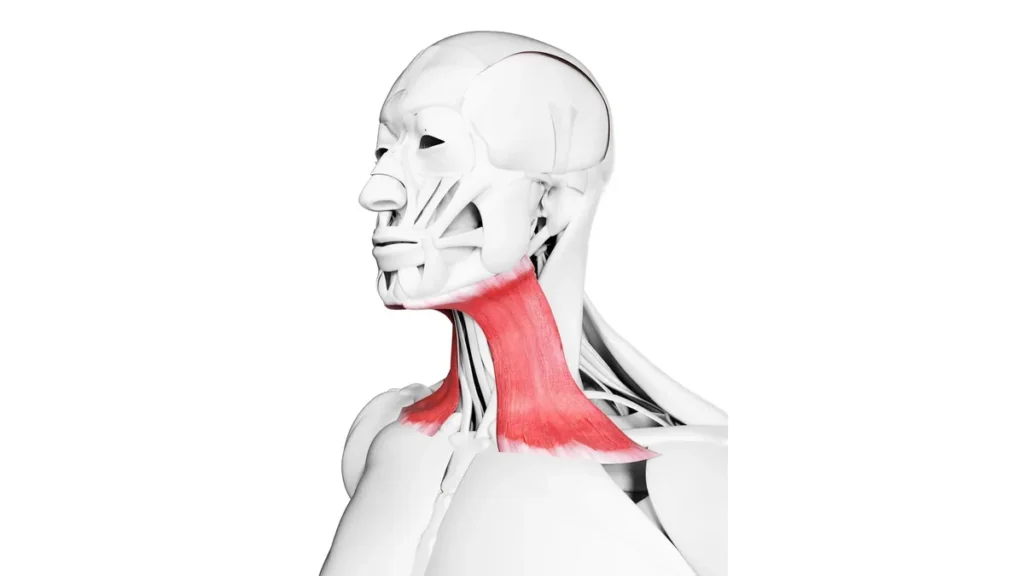
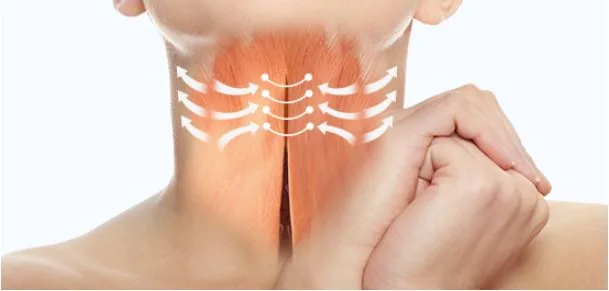
Under the skin lies the platysma, a thin, sheet-like muscle that covers the front of the neck. With age, its two inner edges drift apart and loosen, creating the vertical cords people call “neck bands” or a “turkey neck.”
According to plastic surgery textbooks, vertical neck bands that are not repaired with a platysmaplasty (tightening and stitching the muscle edges together) almost always return soon after surgery. Tightening the skin can smooth bands for a short while, but the loose muscle soon shows through again.
This muscle layer also connects upward to the SMAS (the supportive muscle-and-fascia layer of the face). Because the two sit in the same plane with few anchor points to bone, sagging in the lower face is passed down into the neck. Long-term observations described in textbooks found that a facelift on its own had limited influence on a hanging or banding neck over time — the neck usually needs its own repair.
Layer 3 — Deep Fat, Salivary Glands and the Digastric Muscle
Below the platysma sit deeper structures: a pad of fat beneath the muscle, the submandibular salivary glands (two glands under the jawline), and the digastric muscles (small muscles under the chin). When these are full or drooping, the area under the jaw looks heavy even after the skin is tightened.
These are the structures most often missed, and they matter for longevity. A surgeon who evaluates and, when appropriate, treats this deep layer gives the result a more stable foundation. You can learn how we assess all three layers on our page about Korean neck lift surgery.
What Keeps Aging After a Neck Lift
Even a carefully layered neck lift cannot freeze time. Several things keep changing, and understanding them helps you set realistic expectations about your neck lift results.

Skin Quality, Sun and Natural Collagen Loss
Your skin keeps losing collagen and elasticity every year. Sun exposure speeds this up. Surgery repositions skin; it does not change its biology.
Fine horizontal neck lines are mainly a skin-quality issue. A neck lift may soften them, but it may not erase them completely, and many patients use non-surgical skin treatments alongside surgery.
Weight Change and Fat Redistribution
Fat continues to shift with age, and larger weight changes can create new laxity. Gaining a significant amount of weight may refill the area under the jaw, while losing a lot may leave fresh loose skin behind.
Structures That Surface Once the Neck Is Tighter
Sometimes a deeper structure only becomes visible after surgery. Textbooks describe how a drooping submandibular gland or fat beneath the platysma can be hidden at first by overlying fat and a loose muscle. Once the neck is slimmer and tighter, a fullness along the side of the jaw may appear.
This is not the original result “failing” — it is a structure that was there all along. When the gland is the cause, it can sometimes be addressed with platysmaplasty with salivary gland reduction.
Why Some Neck Lift Results Fade Faster: 6 Factors
When patients tell me their neck changed sooner than expected, the reason usually falls into one of these categories:
- Skin-only tightening. The skin was pulled, but the muscle and deeper layers were not repaired.
- Untreated platysmal bands. Bands present before surgery were not corrected, so they return.
- Undiagnosed deep structures. A drooping salivary gland, fat under the muscle or a bulky digastric muscle was not addressed.
- Large weight swings. Significant gain or loss after surgery changes the skin envelope.
- Smoking and sun exposure. Both speed up skin aging and can affect healing.
- Age and skin elasticity at surgery. Thinner, less elastic skin has less natural support.
Technique: Skin-Only Tightening vs. Platysmaplasty
Textbooks on secondary facelift surgery note that patients who return for revision often bring back the same problems they started with — especially when their first operation only removed and tightened skin.
By contrast, approaches that work beneath the skin have stronger long-term support. Research by Zins and Menon (2010) documented long-term results for an approach through a small incision under the chin that tightens the platysma and removes fat beneath and between its edges.
When the face and neck are treated together, surgeons generally lift the SMAS first and tighten the platysma second, so that jowl and neck tissue can be repositioned before the muscle is locked in place. If you are comparing procedure types, our guide to the full neck lift vs. mini neck lift explains how the scope of each operation differs.
Your Skin, Age and Health Habits
Two people can have the same operation and still age differently afterward. Genetics, skin thickness, sun history, smoking and general health all play a part. These are factors no surgeon can fully control, which is why individual results vary.
Neck Lift Results Timeline: From Swelling to Year 10
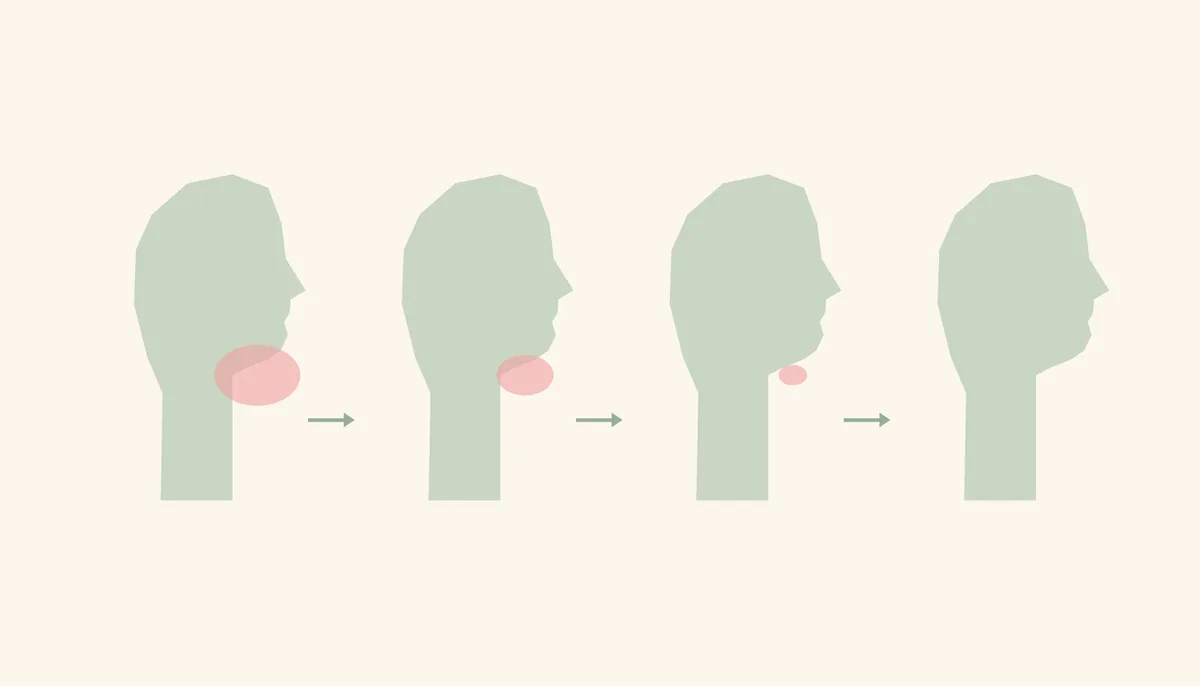
Part of knowing how long a neck lift lasts is knowing what normal looks like at each stage, so you can judge your result fairly. Most patients return to daily activities in about 1 to 2 weeks, while the final neck contour can take several months (often up to 6–12 months) to settle.
Months 0–12: When the Final Result Appears
| Time after surgery | What you may notice | What to do |
|---|---|---|
| First 1–2 weeks | Swelling, bruising and tightness under the jaw | Follow aftercare instructions; most people return to light daily activities |
| Weeks 2–6 | Visible swelling fades; some firmness or numbness may remain | Avoid strenuous exercise until cleared; protect incisions from sun |
| Months 3–6 | Contour becomes more defined as deeper swelling resolves | Attend follow-up visits; avoid judging the result too early |
| Months 6–12 | Final shape usually settles; scars continue to fade | Around the one-year point is a good time for a full review |
| Years 1–10 | Gradual, natural aging continues from the improved baseline | Maintain stable weight and skin care; reassess if bands or fullness appear |
These timings are approximate and vary from person to person.
Years 1–10: What Gradual Change Looks Like
After the first year, change is usually slow. The jawline may soften a little and some skin looseness may return, typically below the ears or under the chin. In my clinical experience, patients whose platysma and deeper structures were treated tend to notice softening of the skin rather than the return of heavy bands.
When a Neck Tuck-Up Makes Sense — and When You Need a Deeper Revision
If your neck starts to change, the first step is a diagnosis by layer. The right fix depends on which layer has changed, not simply on how much time has passed.

Good Candidates for a Small Tuck-Up
A neck tuck-up is a minor procedure to remove or redrape a small amount of residual loose skin. It makes sense only when the deeper repair is still holding — the muscle is tight, there are no returning bands, and the jawline is still defined — and the remaining issue is a little skin laxity behind the ears or under the chin.
It is also best considered once the original result has fully settled, usually at least a year after surgery.
Signs the Problem Is Deeper: Returning Bands, Gland Fullness, Deep Fat
Other changes come from beneath the skin. Platysmal bands that return after a neck lift, fullness along the side of the jaw from a drooping salivary gland, a heavy look from fat beneath the muscle, or a bulky digastric muscle will not improve by pulling the skin tighter.
Textbooks warn that a limited “tuck” or “touch-up” that only removes more skin does not correct these deeper causes and can make a secondary deformity worse. Revision patients are often already short of spare skin, so removing more can create an unnatural, pulled look. For more on residual bands and volume, see why platysmaplasty sometimes seems not to work.
The deep layer is a common reason for revision. In one study, 25% of secondary or tertiary facelift patients needed submandibular gland surgery — about twice the rate seen in first-time patients. Studies of partial gland reduction in aesthetic surgery have not reported permanent dry mouth as a result.
| What you notice | Likely layer | Approach to discuss |
|---|---|---|
| A little loose skin behind the ears or under the chin; jawline still sharp | Skin only | Small skin tuck-up may be enough |
| Vertical cords returning in the front of the neck | Platysma muscle | Revision platysmaplasty |
| Fullness along the side of the jaw | Submandibular gland | Gland assessment and possible partial reduction |
| Heaviness under the chin despite tight skin | Fat beneath the muscle or digastric muscle | Deep-layer treatment |
Risks of Revision Neck Surgery
Any neck surgery carries risks, including bleeding or a blood collection (hematoma), temporary or longer-lasting numbness, visible scarring, asymmetry and irregular contours. Revision surgery can be more complex because tissues have already been operated on.
For context, in a published textbook series of platysma–SMAS plication facelifts, hematoma occurred in 3.4% of patients and was drained under local anesthesia without affecting the outcome. That figure comes from facelift surgery, not from neck lifts alone, so your own risk should be discussed in person.
How to Make Your Neck Lift Results Last Longer
You cannot stop aging, but you can avoid speeding it up. These habits may help protect your result:
Habits That Protect the Result
- Keep your weight stable after surgery.
- Avoid smoking, which affects both healing and skin aging.
- Use daily sun protection on your neck, not just your face.
- Look after your skin with a consistent routine.
- Attend your follow-up visits, including a review around one year after surgery.
Non-Surgical Maintenance Between Surgeries
Non-surgical treatments can help between surgeries. Botulinum toxin can relax mild bands for a few months, and skin treatments can improve texture and fine lines. They are useful for maintenance, but they cannot correct a structural problem such as a loose muscle or a drooping gland.
For general patient information on the procedure, the American Society of Plastic Surgeons (ASPS) neck lift overview is a helpful starting point.
In my clinical experience, the single biggest factor in how long a neck lift lasts is the diagnosis made before the first operation. When the skin, the platysma and the deeper structures are each assessed and treated as needed, the result has the best chance of aging gracefully.
Neck Lift Longevity: Frequently Asked Questions
How long does a neck lift last compared with a facelift?
Both usually last many years, and both are commonly described with a typical range rather than a fixed number. For the neck, whether the platysma was repaired makes the biggest difference. Because sagging in the lower face is passed down into the neck, planning the two together can help; see our guide on how long a facelift lasts.
Do platysmal bands come back after a neck lift?
If bands were present and the platysma was not repaired, they are likely to return soon after surgery. If the muscle was tightened, bands are much less likely to come back early, although gradual aging can make them faintly visible again over the years.
When should I consider a neck tuck-up?
Consider it only after the result has settled, usually at least a year after surgery, and only if the deeper repair is still holding and the issue is a small amount of loose skin. Returning bands or fullness under the jaw call for a deeper assessment instead.
Is a mini neck lift shorter-lasting than a full neck lift?
A mini neck lift treats a smaller area and fewer layers, so it suits milder laxity. A full neck lift can address the muscle and deeper structures more completely. Our comparison of full neck lift vs. mini neck lift explains which option fits which neck.
Why does my neck look full under the jaw after a neck lift?
In the first months, this is usually swelling, which can take time to settle. If fullness persists, it may come from a drooping salivary gland or fat beneath the muscle that was hidden before surgery — a common reason for revision.
Can weight loss after a neck lift affect the results?
Yes. A large weight change can create new loose skin or change the shape under the jaw. Reaching a stable weight before surgery and maintaining it afterward helps protect your neck lift results.
Plan a Neck Lift That Is Built to Last
If you are considering a first neck lift or wondering whether your earlier result needs attention, a layer-by-layer assessment is the best place to start. Send us three photos — front, side, and with your head tilted slightly down — for an online consultation, or call MINE Plastic Surgery at +82-2-516-1175.
Written and medically reviewed by Dr. Lee Sung-wook, board-certified plastic surgeon. Last reviewed: November 25, 2026.
※ This content is for informational purposes only and does not replace professional medical advice, diagnosis, or treatment. Individual results may vary, and side effects may occur. Please consult with a board-certified plastic surgeon for personalized advice.