EN
EN

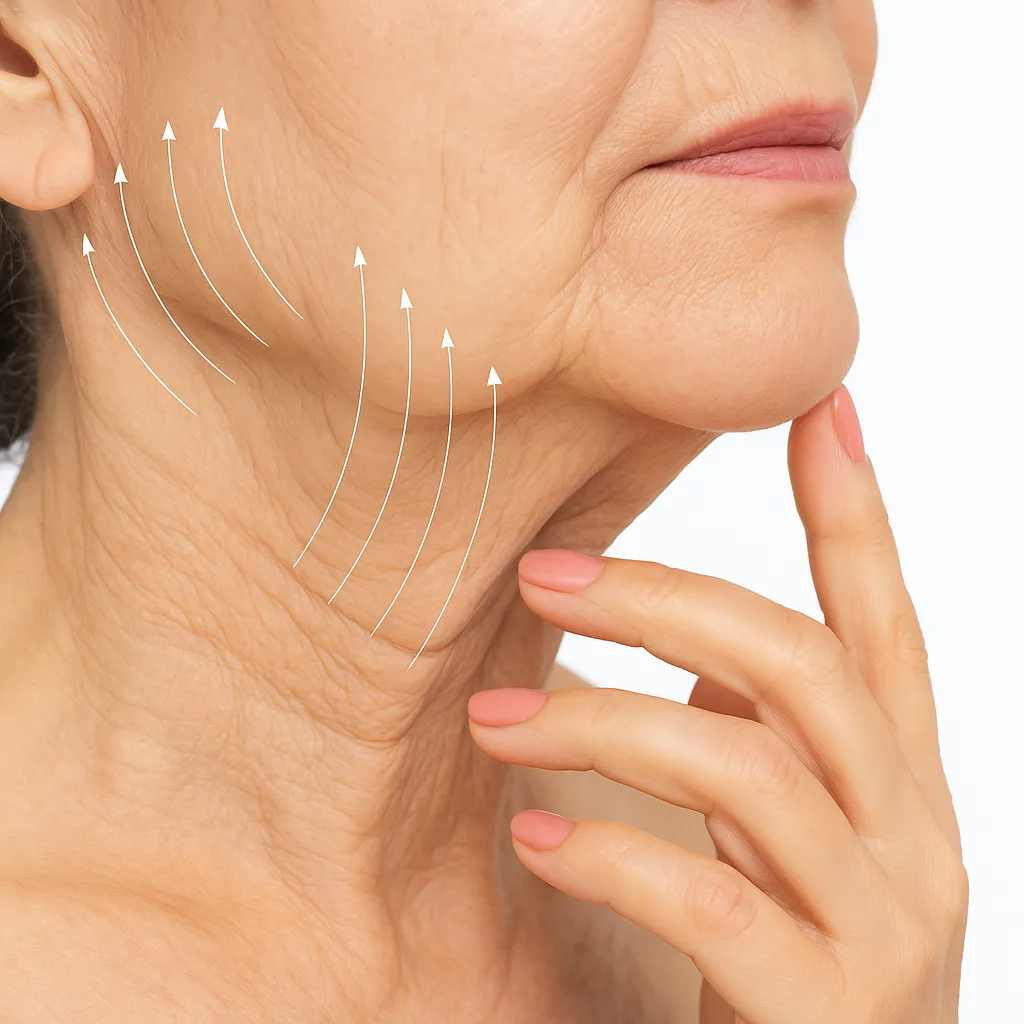
Quick answer: A mini neck lift is a less invasive version of a neck lift that uses smaller incisions (usually around the ears and under the chin) to tighten mild to moderate sagging and sharpen the jawline. It typically has a shorter recovery than a full lift and suits people with early or limited neck laxity. A full neck lift treats more advanced sagging through more extensive incisions and deeper muscle work. Both are surgical procedures that carry risks such as bleeding, infection, and temporary numbness, so a consultation with a board-certified surgeon is essential. Individual results vary.
Table of contents
The neck lift has become one of the most sought-after facial procedures of recent years, as more people look to address the signs of aging that tend to show up first along the neck and jawline. According to the American Society of Plastic Surgeons, “the neck is the least forgiving part of the face. It has a different cellular makeup. It ages faster.” Over time the skin and muscle of the neck lose firmness, which can lead to loose skin, visible muscle bands, and the look often described as a “turkey neck.”
When people start looking into neck rejuvenation, they usually weigh two main options: a mini neck lift or a full neck lift. Knowing how these two procedures differ is the key to choosing the one that fits your goals, your recovery time, and your budget. This guide walks through both, in plain language, so you can have a more confident conversation at your consultation.
Understanding Neck Lift Surgery
A neck lift, known medically as platysmaplasty or lower rhytidectomy, is a surgical procedure that improves the visible signs of aging in the jawline and neck. To understand why it works, it helps to picture what is actually underneath the skin. A thin, broad sheet of muscle called the platysma runs across the front of the neck. When we are young it lies flat and smooth; with age its inner edges can drift apart and stand up as the vertical “bands” many people notice in the mirror.
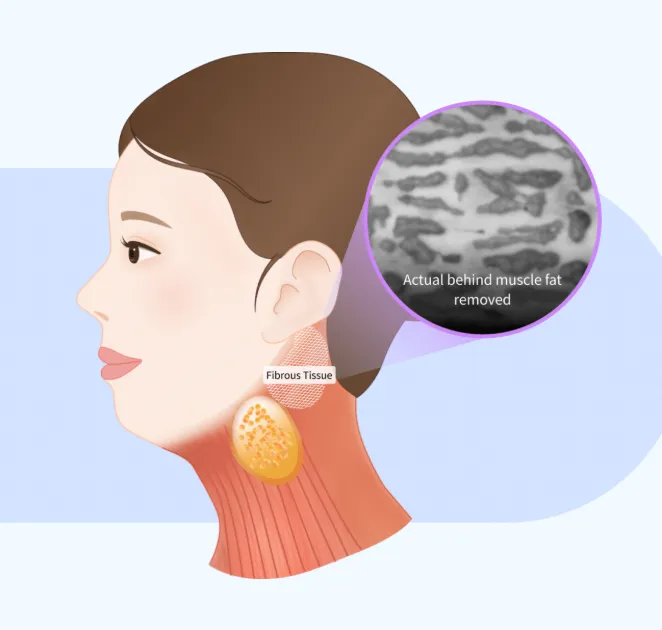
Fat in the neck sits in two layers: a layer just under the skin, and a deeper layer tucked beneath the platysma muscle. Plastic surgery references describe how lasting neck rejuvenation often involves working on both the muscle and this deeper fat, not just the surface, so that the contour holds. Surface treatments alone cannot reach the fat that sits below the muscle, which is one reason a fuller surgical approach can produce a sharper result.
The procedure addresses several concerns that build up as we age, including:
- Excess skin and sagging that creates loose, hanging tissue
- Platysma muscle banding — vertical bands that become prominent under the chin
- Submental fat accumulation — stubborn fat deposits that form a double chin
- Loss of jawline definition — jowling that blurs the transition from face to neck
- Horizontal neck lines and wrinkles that deepen over time
Surgeons often talk about the cervicomental angle — simply, the angle where the underside of the chin meets the neck. A crisp, well-defined angle tends to read as youthful, while a soft or blurred one reads as aging. Much of what both procedures aim to do is restore that clean angle. The loss of these youthful contours comes from a mix of heredity, gravity, sun exposure, and lifestyle, which is why one person’s neck may age faster than another’s even at the same age.
What Is a Mini Neck Lift?
A mini neck lift is a surgical approach designed to treat early to moderate signs of neck aging with smaller incisions and less scarring. It delivers many of the same benefits as a traditional neck lift, but on a more limited scale and with a shorter, gentler recovery for the right candidate.
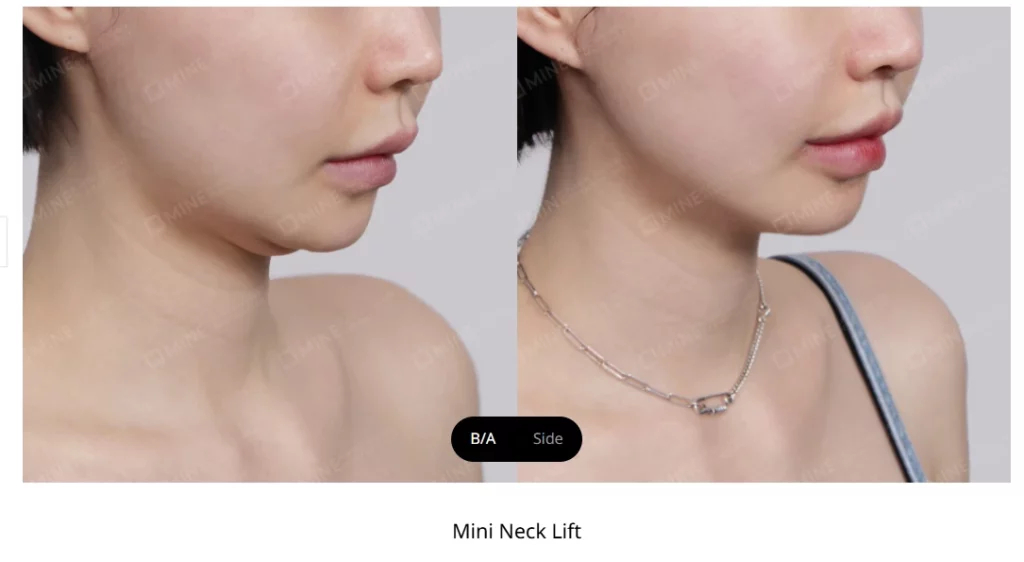
Mini Neck Lift Procedure Details
During a mini neck lift, your surgeon typically:
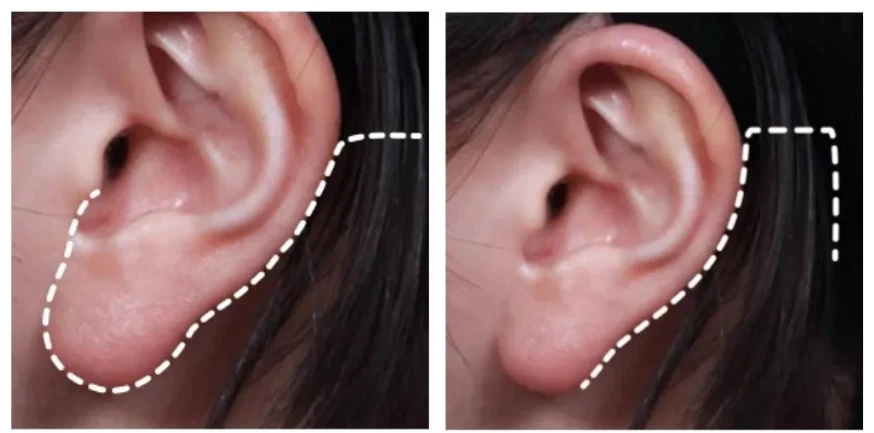
- Creates small, strategic incisions behind the ears and under the chin
- Removes targeted amounts of excess skin without extensive tissue manipulation
- Tightens the platysma muscle using precise suturing techniques
- Addresses localized fat deposits through targeted removal
- Uses careful closure techniques to keep scarring discreet
The procedure usually takes a few hours and can often be performed under local anesthesia with sedation, which makes it more accessible for patients who prefer to avoid general anesthesia. Because the muscle work and skin removal are more limited, there is generally less swelling to settle afterward.
Ideal Candidates for Mini Neck Lift
Good candidates for a mini neck lift are in good overall health and at a stable weight. They tend to have a soft double chin or mild “turkey wattle” sagging while their skin still has reasonable elasticity. In practice, mini neck lift candidates often include people with:
- Mild to moderate skin laxity without heavy, excess sagging
- Early jowling and beginning platysma muscle banding
- Good skin elasticity that can respond well to a lighter procedure
- Good underlying bone structure that provides a strong foundation
- Realistic expectations about the scope of improvement
What Is a Full Neck Lift?
A full neck lift, also called a traditional neck lift or complete lower rhytidectomy, is a more comprehensive surgical approach for moderate to severe neck aging. It involves more extensive tissue work and reshaping to achieve a more dramatic change. A common technique works through a small incision under the chin (a “submental” approach), where the surgeon can tighten the platysma in the midline — sometimes described as a corset platysmaplasty — and remove deeper fat that a lighter procedure cannot reach.
Full Neck Lift Procedure Details
A complete neck lift usually involves several coordinated steps:
- More extensive incision planning that may extend from near the hairline, around the ears, and under the chin
- Deeper tissue repositioning to support the new contour
- Midline platysma tightening, closing the muscle to sharpen the cervicomental angle
- Removal of deeper (subplatysmal) fat along with any liposuction of the surface layer
- More substantial skin removal and re-draping for maximum tightening
- Comprehensive contouring of the entire neck and jawline
Because more is being done, a full lift generally takes longer than a mini lift and is performed under sedation or general anesthesia, depending on the surgeon’s plan and your health.
Ideal Candidates for Full Neck Lift
Full neck lift candidates generally present with more advanced aging concerns:
- Significant skin laxity rather than mild looseness
- Moderate to severe sagging and prominent muscle banding
- Substantial fat accumulation, including the deeper layer
- Previous sun damage and reduced skin quality
- A desire for a dramatic change rather than a subtle refinement
Key Differences Between Mini and Full Neck Lifts
Understanding the specific differences between these procedures helps you make an informed decision based on your own needs. The simplest way to think about it: a mini lift refines, while a full lift rebuilds.
Surgical Scope and Invasiveness
Mini Neck Lift:
- Smaller incisions focused on targeted problem areas (jawline and under-chin fullness)
- More superficial tissue work with minimal deep-structure manipulation
- Preservation of natural anatomy while making strategic improvements
- Reduced surgical trauma, which generally means faster healing
Full Neck Lift:
- More extensive incisions that allow comprehensive access for sagging skin and vertical bands
- Deeper structural work, including muscle tightening and removal of the deeper fat layer
- A more complete transformation that addresses several aging concerns at once
- More tissue manipulation, which calls for a longer healing time
Recovery Timeline Comparison
The recovery difference between these procedures is real and often shapes the final decision. The ranges below are typical, but everyone heals at their own pace; your surgeon’s instructions always take priority.
Mini Neck Lift Recovery:
- Days 1-3: Mild swelling and bruising, usually manageable with prescribed or over-the-counter pain relief
- Week 1: Most people plan for about 7-10 days away from work or normal activities
- Week 2: Many feel socially comfortable again and return to light activities
- Week 3-4: Fuller activity clearance, with results continuing to refine
Full Neck Lift Recovery:
- Days 1-5: Pain medication is often needed for the first several days to stay comfortable
- Week 1-2: Swelling and bruising are more pronounced and typically take longer to settle
- Week 3-4: Many return to work around the two-week mark, while vigorous exercise is usually held off for about a month
Results and Longevity
Mini Neck Lift Results:
- Focuses on the jawline and a soft double chin
- Natural-looking enhancement that does not appear overdone
- Long-lasting results that, like any lift, do not stop the natural aging process
- Well suited to early intervention and prevention
Full Neck Lift Results:
- A dramatic change across the whole neck, including jawline, double chin, and loose, wrinkled skin
- Comprehensive rejuvenation that addresses several aging concerns together
- Longer-lasting results than a mini lift, thanks to the deeper muscle and fat work, though outcomes still vary by person
- Maximum correction for more advanced signs of aging
How Do I Know Which Neck Lift Is Right for Me?
Choosing between the two procedures comes down to a few factors your surgeon will assess in person during your consultation.
Assessing Your Aging Concerns
The extent of your neck aging is the main deciding factor.
Consider a Mini Neck Lift if you have:
- Early jowling with mild skin laxity
- Beginning muscle banding that is not yet severe
- Localized fat under the chin
- Good skin elasticity that responds well to a lighter procedure
- A preference for subtle improvement with minimal downtime
Consider a Full Neck Lift if you have:
- Significant sagging skin with deep muscle bands and vertical lines
- Advanced jowling that blurs your jawline
- Several aging concerns that need comprehensive treatment
- Limited results from previous non-surgical treatments
- Willingness to go through a more involved recovery
Age and Skin Quality Considerations
Age is not the only factor, but it often correlates with the type of procedure that makes sense:
- Younger patients with good skin quality often do well with a mini lift
- More advanced laxity tends to need a full lift for the best result
- Skin thickness and elasticity matter more than your number of birthdays
- Sun-damage history influences both healing and the choice of procedure
What Should I Expect During Recovery?
Knowing the recovery process in advance helps you prepare and set realistic expectations for your healing.
Week-by-Week Recovery Guide
Week 1: Initial Healing Phase
- Swelling and bruising peak during the first few days
- Prescription pain medication manages discomfort effectively
- Head elevation during sleep helps reduce swelling
- Limited neck movement protects the healing tissues
- A compression garment is worn as directed by your surgeon
Week 2: Improvement Phase
- Suture removal typically happens around day 7-10
- Swelling gradually eases and becomes less noticeable
- Light activities resume with your surgeon’s approval
- Makeup can help camouflage any remaining bruising
- An early preview of the result begins to emerge
Week 3-4: Activity Resumption
- Return to work for most people, depending on the job
- Social activities feel comfortable again
- Light exercise may be allowed once your surgeon clears you
- Steady improvement in appearance and comfort
Months 2-6: Final Results
- Swelling fully resolves, revealing the final result
- Scars continue to mature and fade with proper care
- Full activity clearance, including vigorous exercise
- Long-term enjoyment of your refreshed neckline begins
Important Recovery Guidelines
The American Society of Plastic Surgeons emphasizes a few crucial recovery habits:
Critical Do’s:
- Keep your head elevated above your heart to minimize swelling
- Follow medication schedules exactly as prescribed
- Attend all follow-up appointments for monitoring
- Protect incisions from sun exposure while they heal
- Wear your compression garment as instructed
Essential Don’ts:
- Avoid excessive neck twisting or bending during early healing
- Hold off on heavy lifting and strenuous exercise as directed
- Don’t smoke, as it significantly impairs healing
- Avoid blood-thinning medications unless your doctor says otherwise
Are There Non-Surgical Alternatives?
While surgical lifts give the most dramatic and lasting results, several non-surgical options can help delay the need for surgery or complement surgical results.
Popular Non-Surgical Options
Botox for Neck Bands:
- Relaxes the platysma muscle to soften vertical banding
- Temporary results that wear off over a few months
- Minimal downtime, with an immediate return to activities
- Best for early muscle banding rather than loose skin
- Restore lost volume to improve the neck and jaw contour
- Enhance jawline definition with strategic placement
- Immediate results with minimal recovery
- A temporary solution that needs regular maintenance
Radiofrequency Treatments:
- Stimulate collagen for gradual skin tightening
- Non-invasive, with little to no downtime
- Gradual improvement over several months
- Best for mild laxity and prevention
- Dissolve fat cells in the surface layer under the chin
- Usually need several sessions for a visible change
- Some downtime, with swelling and numbness afterward
- Reduce fat without tightening skin, and cannot reach deeper fat below the muscle
Limitations of Non-Surgical Approaches
According to the American Society of Plastic Surgeons, “nonsurgical rejuvenation treatments cannot achieve the same results” as surgical neck lifts. In particular, they cannot tighten the platysma in the midline or remove the deeper fat beneath it, which is the part of the work that gives a full lift its lasting contour. Non-surgical options work best for:
- Prevention and maintenance rather than correction
- Mild aging concerns in younger patients
- People who cannot have surgery for medical reasons
- Combination plans that enhance or extend surgical results
Choosing the Right Surgeon
Choosing a qualified, experienced surgeon is perhaps the single most important decision in your neck lift journey.
Essential Qualifications to Verify
Board certification in a relevant surgical specialty is the baseline. Beyond that, look for genuine experience and expertise:
- Extensive neck lift experience with documented results
- Before-and-after galleries that demonstrate the surgeon’s skill
- Patient reviews and satisfaction feedback
- A focus on facial surgery rather than general practice
Frequently Asked Questions
What is a mini neck lift?
A mini neck lift is a smaller-scale neck lift that tightens mild to moderate sagging through limited incisions, usually around the ears and under the chin. It targets early jawline and neck laxity with less downtime than a full lift.
What is the difference between a mini and a full neck lift?
A mini neck lift uses smaller incisions to address mild to moderate sagging, while a full neck lift treats more advanced laxity through more extensive incisions, deeper muscle tightening, and removal of fat beneath the muscle. The right choice depends on how much sagging and excess skin you have.
Who is a good candidate for a mini neck lift?
It generally suits people with early or moderate neck sagging and good skin elasticity who want jawline definition with a shorter recovery. A consultation confirms whether a mini or full lift fits your anatomy.
How long is recovery after a neck lift?
After a mini neck lift, many people return to everyday activities within about 1-2 weeks, while a full lift usually takes a little longer. Swelling and bruising ease over the following weeks. As with any surgery, recovery varies, and you should contact your surgeon if you notice unusual pain, swelling, or signs of infection.
How long do neck lift results last?
Results from both procedures are generally long-lasting, with a full lift tending to last longer because it addresses deeper structures. Neither stops the natural aging process, and individual outcomes vary. A stable weight, sun protection, and good skin care all help preserve the result.
Making Your Decision
Choosing between a mini neck lift and a full neck lift is a meaningful decision that deserves a careful look at your aging concerns, your lifestyle, and your goals. A mini neck lift offers subtle improvement with minimal downtime, while a full neck lift delivers a more comprehensive transformation for more advanced aging.
The key to a satisfying result is matching the right procedure to your needs and choosing a surgeon who specializes in facial work. With a detailed consultation and realistic expectations, you can achieve a natural-looking neckline that reflects how you feel. (neck lifting procedures)
If you are considering neck lift surgery, schedule a consultation with qualified professionals who can evaluate your individual case and recommend the most appropriate approach. The best outcome combines expert technique with careful patient selection and realistic expectations.
Contact Mineclinic today to learn more about which neck lift option might be right for you, and take the first step toward a more youthful, defined neckline.
※ This content is for informational purposes only and does not replace professional medical advice, diagnosis, or treatment. Individual results may vary, and side effects may occur. Please consult with a board-certified plastic surgeon for personalized advice.