EN
EN

Table of contents
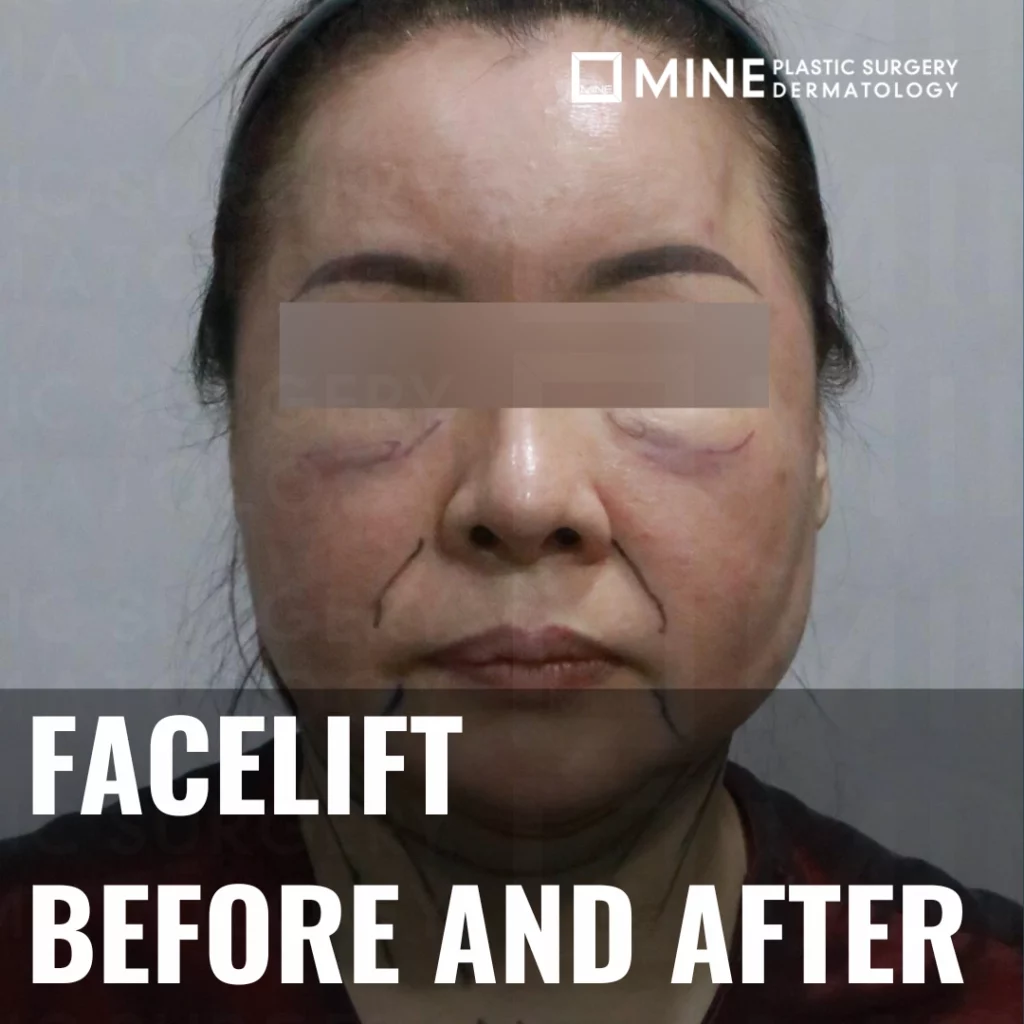
The neck is one of the first areas to show visible signs of aging. Neck wrinkles and sagging often make people appear older than they actually are. Neck lift surgery is a specialized procedure designed to improve these aging symptoms in the neck area, helping patients regain a more youthful and toned neckline. While interest in non-invasive treatments has grown recently, surgical neck lifts provide more dramatic and lasting results for patients with moderate to severe neck laxity.
In this comprehensive guide, we’ll explore neck lift surgery types, procedures, recovery periods, and what makes an ideal candidate. This information will provide practical guidance for anyone considering neck rejuvenation options.
Causes and Mechanisms of Neck Aging
The neck ages due to several interconnected factors. As we age, skin loses elasticity, muscles weaken, and fat redistributes. Let’s examine how these changes specifically affect the neck region.
Decreased Skin Elasticity
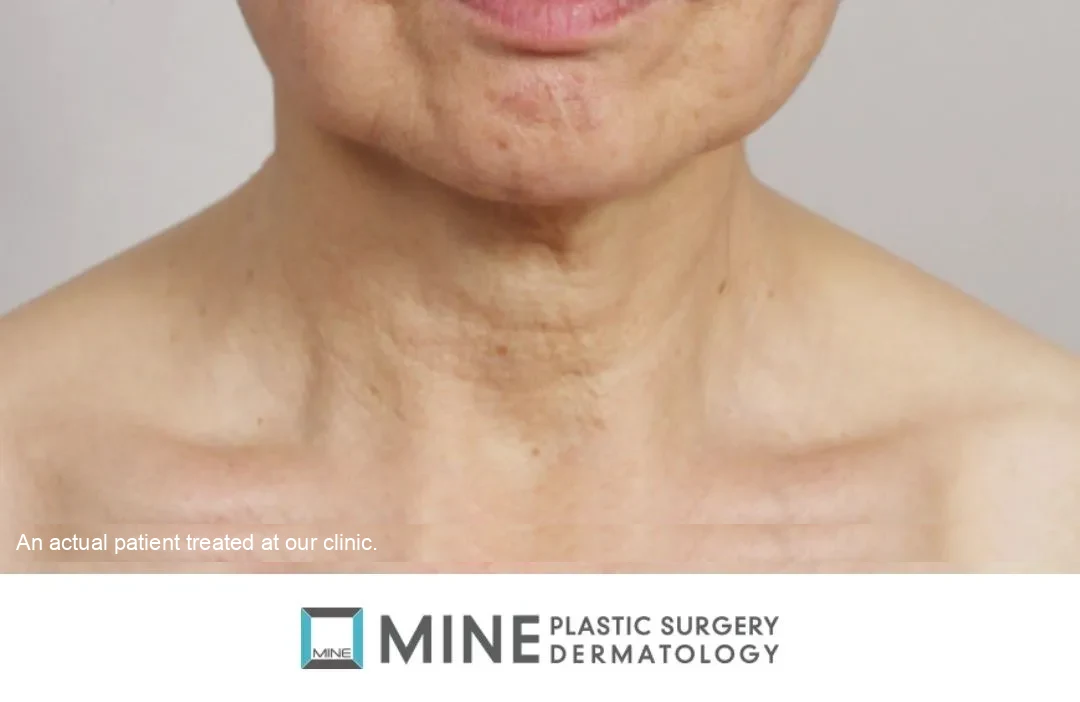
Starting in our 30s, the production of collagen and elastin begins to decline. These proteins provide skin with structure and elasticity. As their production decreases, skin gradually becomes loose and begins to sag. Neck skin is thinner than facial skin and has fewer oil glands, making it particularly vulnerable to premature aging.
Muscle Weakening and Structural Changes
The muscular layer of the neck, particularly the platysma muscle, weakens and stretches with age. When this muscle weakens, vertical bands form in the neck, and the jawline becomes less defined. The supporting strength of neck muscles diminishes, causing soft tissues to sag downward.
Fat Accumulation and Redistribution
Body fat distribution changes with age. Fat often accumulates in the neck and under the chin, creating a double chin appearance or blunting the neck angle. This negatively impacts overall facial contours and the neckline.
Impact of External Factors
UV exposure, smoking, rapid weight fluctuations, and gravity accelerate neck aging. UV damage particularly promotes photoaging of the skin, deepening neck wrinkles.
Types of Neck Lift Procedures
Neck lift surgery can be performed using various techniques depending on the patient’s condition and desired results. Here are the main types and their characteristics.
Traditional Neck Lift (Full Neck Lift)
The traditional neck lift is the most comprehensive approach, suitable for patients with severe neck sagging or wrinkles.
Characteristics:
- Incisions made behind the ears and under the chin
- Addresses skin, muscle, and fat
- Includes lifting of the SMAS (Superficial Musculo-Aponeurotic System) tissue
- Provides the most dramatic improvement
- Results last longer (average 7-10 years)
Suitable for:
- Severe neck sagging and wrinkles
- Pronounced platysma banding (vertical wrinkles)
- Significant double chin
- Patients typically 50+ years old
Mini Neck Lift
The mini neck lift is less invasive than the traditional method while still providing effective results.
Characteristics:
- Uses smaller incisions (primarily behind the ears)
- Limited dissection shortens recovery time
- Effective for moderate neck sagging
- Results last approximately 3-7 years
Suitable for:
- Moderate neck skin laxity
- Mild double chin
- Patients in their 40s-50s
- Those seeking faster recovery
Non-Incisional Neck Lift
This approach uses minimal or very small incisions to shorten recovery time.
Characteristics:
- Uses only a small incision under the chin
- May incorporate endoscopic techniques
- Relatively shorter recovery period
- Results last approximately 2-5 years
Suitable for:
- Mild neck sagging
- Early stages of neck aging
- Cases where platysma banding is the main concern
- Patients in their early 40s
Neck Lift with Liposuction
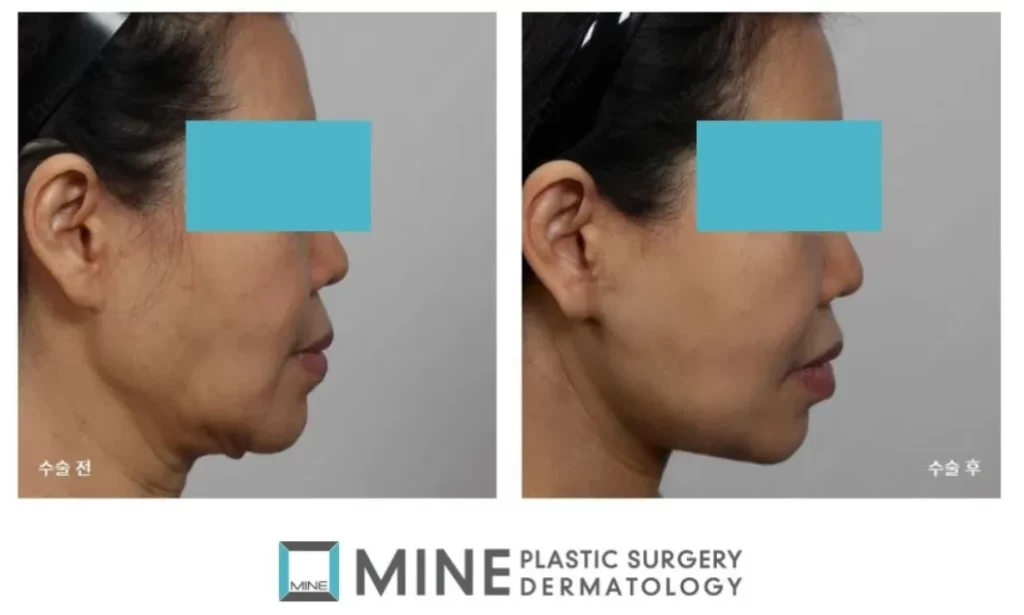
This method is ideal for patients with excess fat in the neck area.
Characteristics:
- Combines fat removal with skin lifting
- Particularly effective for improving jawline and neck contour
- Provides naturally balanced results
Suitable for:
- Patients with significant fat accumulation in neck and under chin
- Patients with good skin elasticity
- Younger patients (30s-40s)
Step-by-Step Neck Lift Procedure
A neck lift procedure typically follows these steps:
1. Pre-Surgical Consultation and Planning
The first step to a successful neck lift is thorough consultation and planning. The surgeon evaluates the patient’s neck structure, skin condition, muscle tone, and fat distribution, discussing the patient’s expectations and goals in detail. During this process, 3D simulation or photo analysis may be used to visualize expected results.
2. Anesthesia
Neck lift surgery is performed under local anesthesia with sedation or general anesthesia, depending on the scope of the procedure and the patient’s condition.
- Mini neck lifts or non-incisional approaches: Primarily use local anesthesia with sedation
- Traditional neck lifts: Generally prefer general anesthesia
- The anesthesia method is determined by the patient’s anxiety level, surgical complexity, and whether combined procedures are planned
3. Incisions and Access
Incision location and size vary according to the surgical approach.
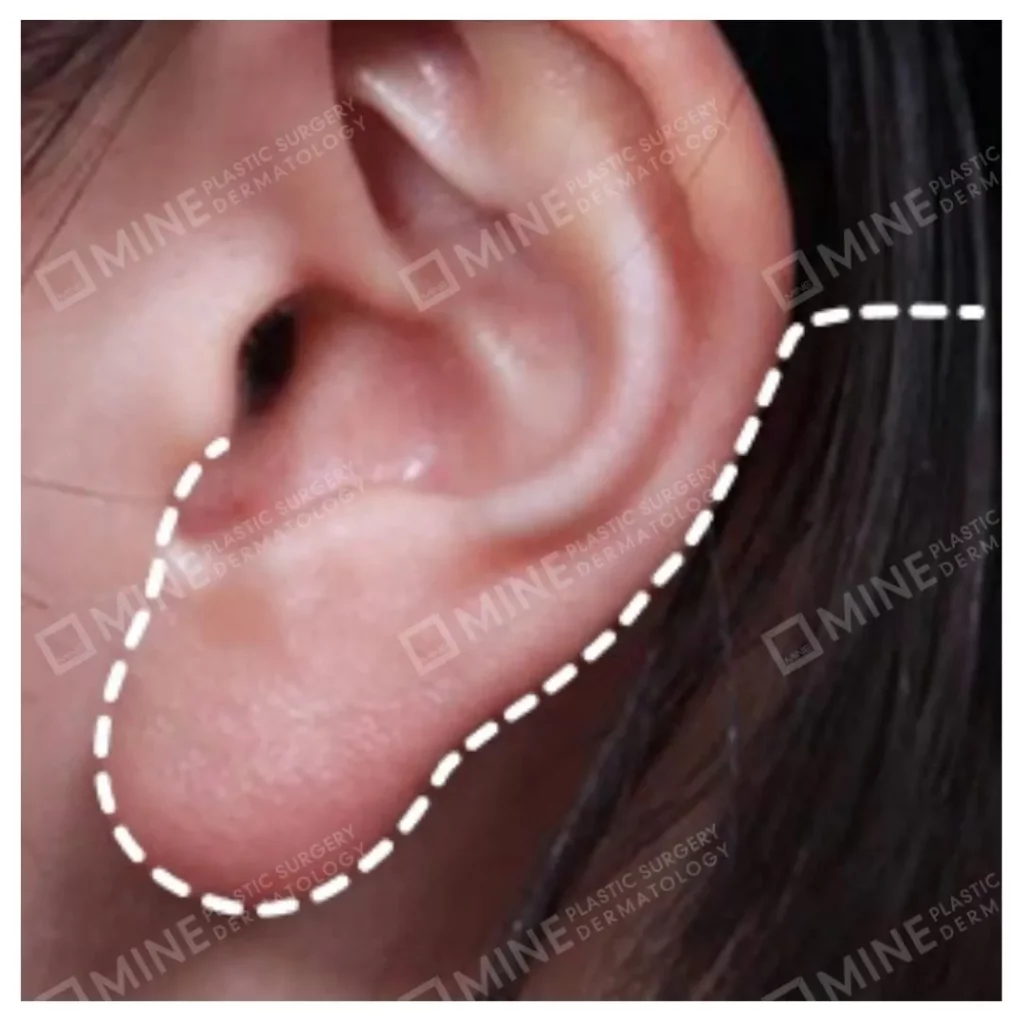
- Traditional neck lift: Incisions begin in front of the ear, continue around behind the ear, with an additional small incision under the chin
- Mini neck lift: Primarily uses incisions only around the ears
- Non-incisional neck lift: Uses only small incision points under the chin
4. Tissue Repositioning and Adjustment
During this stage, the structural elements of the neck are repositioned and adjusted.
- Platysma muscle tightening: The loosened platysma muscle is tightened at the center to eliminate vertical neck bands
- Fat repositioning or removal: Liposuction or fat grafting as needed
- Deep tissue lifting: SMAS layer lifting for longer-lasting results
5. Skin Redraping
Excess skin is removed and the remaining skin is repositioned to fit the new contours.
- The degree of skin tightening is adjusted according to the patient’s skin elasticity and thickness
- Excessive tightening is avoided to ensure natural-looking results
- Micro-sutures are used to minimize scarring
6. Suturing and Dressing
The incision sites are carefully sutured and appropriate dressings are applied.
- Typically uses absorbable sutures
- Compression bandages reduce swelling and stabilize tissues
- Small drainage tubes may be inserted if necessary
Neck Lift Recovery Process and Timeline
The recovery process after neck lift surgery varies depending on the extent of the procedure and individual healing ability. Let’s look at the typical recovery timeline by stage.
Immediate Post-Operation (1-3 days)
The first 48 hours are the most critical period of recovery.
- Period of most significant swelling and discomfort
- Pain management with prescribed analgesics
- Sleep with head and neck elevated
- Ice packs to reduce swelling (taking care not to place directly on skin)
- First follow-up visit for bandage replacement
Early Recovery Phase (1-2 weeks)
The first two weeks remain an active recovery phase.
- Swelling gradually decreases but is still present
- Bruising is most visible during this period
- Suture removal (typically days 5-7)
- Partial resumption of daily activities
- Excessive neck movement remains restricted
Mid-Recovery Phase (3-4 weeks)
During this period, you’ll see noticeable progress in recovery.
- Most swelling and bruising resolves
- Significant decrease in discomfort
- Most daily activities can be resumed
- Light exercise may begin
- Surgical results begin to appear
Long-Term Recovery Process (1-6 months)
Complete recovery and final results appear over several months.
- All swelling resolves (3-4 months)
- Scars gradually fade and mature
- Sensation around incisions returns to normal
- Final results can be assessed at 6 months
Ideal Candidates for Neck Lift Surgery
Not everyone is an ideal candidate for neck lift surgery. Proper candidate selection is crucial for optimal results. Here are the conditions that make someone a good candidate for neck lift surgery.
Physical Conditions
Physically ideal candidates for neck lift surgery have:
- Moderate to severe neck skin sagging
- Visible vertical bands in the neck (platysma banding)
- Fat accumulation under the chin and in the neck
- Generally good health without major underlying conditions
- Sufficient time for post-surgical recovery
Age Considerations
Neck lifts tend to be more effective for certain age groups:
- Generally 40-70 years old is the most common range
- 40s: Early signs of neck aging (mild skin sagging, double chin)
- 50s-60s: Moderate skin sagging and neck wrinkles
- 70+: Surgery is possible with good health, but recovery may take longer
Psychological Factors
Psychological readiness is also important for successful results:
- Must have realistic expectations
- Must be prepared to accept temporary discomfort and the recovery process
- Should be making the decision for themselves
- Should not have excessive expectations about surgical results
When Surgery May Not Be Recommended
Neck lift surgery may not be recommended in the following cases:
- Uncontrolled hypertension or diabetes or other serious health issues
- Smokers (need to quit at least 4 weeks before surgery)
- Those with blood clotting disorders
- Those with a tendency to form keloid scars
- Those with a weakened immune system
- Those with unrealistic expectations
The appropriate surgical method and approach may vary depending on individual condition and goals, so it’s important to consult with a specialist to determine the most suitable method.
Pre and Post-Operative Care
Proper care before and after surgery is crucial for optimizing neck lift results and promoting recovery. Here is a step-by-step guide to proper care.
Pre-Surgery Preparation
It’s best to follow these guidelines 2-4 weeks before surgery:
- Quit smoking: Smoking reduces blood circulation and delays healing, so quit at least 4 weeks before
- Medication adjustment: Discontinue medications with blood-thinning effects such as aspirin, ibuprofen, and vitamin E (after consulting with your doctor)
- Healthy diet: Consume a protein-rich diet for nutrients necessary for post-surgical recovery
- Hydration: Maintain optimal skin condition with sufficient water intake
- Alcohol restriction: Limit alcohol, which has blood-thinning effects, from 2 weeks before surgery
- Preliminary tests: Complete blood tests and health screenings as directed by your doctor

Immediate Pre-Surgery Preparation
1-2 days before surgery, check the following:
- Wash hair: Thoroughly wash hair the day before surgery (showering may be restricted for several days after surgery)
- Comfortable clothing: Prepare front-closing clothing (to avoid pulling clothes over your head)
- Companion: Arrange for someone to accompany you home as driving will not be possible after surgery
- Home environment preparation: Arrange necessary items for easy access during recovery
- Medication preparation: Prepare prescribed medications for immediate use after surgery
Early Post-Operative Care (1-2 weeks)
The period from immediately after surgery to 2 weeks is crucial for recovery:
- Head position: Always keep your head higher than your heart to reduce swelling (use 2-3 pillows)
- Activity restriction: Avoid sudden neck movements, lifting heavy objects, and strenuous exercise
- Diet management: Consume easily digestible, soft foods with sufficient protein and vitamin C
- Wound care: Maintain cleanliness of the wound site and change dressings according to your doctor’s instructions
- Medication: Take prescribed antibiotics and pain relievers exactly as directed
- Cold compress: Reduce swelling with ice packs during the first 48-72 hours (avoid direct skin contact)
Long-Term Care (2+ weeks post-surgery)
After 2 weeks post-surgery, you can gradually return to daily life, but for optimal results, continue managing the following:
- Sun protection: Avoid direct sunlight exposure for at least 6 months and use SPF 30+ sunscreen
- Scar management: Use scar management products and massage techniques recommended by your doctor
- Healthy lifestyle: Maintain smoking cessation, appropriate weight, and a healthy diet
- Hydration: Maintain skin health with sufficient water intake
- Regular check-ups: Monitor recovery through regular follow-up appointments with your doctor
- Neck exercises: Begin gentle exercises to strengthen neck muscles with your doctor’s permission
Tips for Maintaining Neck Lift Results
Long-term care methods to maintain the effects of neck lift surgery include:
- Sun protection: Thorough sun protection for the neck area is essential, just as for the face
- Skincare routine: Use high-quality skincare products specifically for the neck or face
- Healthy weight maintenance: Rapid weight changes negatively affect skin elasticity
- Neck muscle exercises: Maintain muscle tone with regular neck strengthening exercises
- Good posture: Maintain proper posture, especially when using smartphones, to avoid “text neck”
FAQ: Common Questions About Neck Lifts
What’s the difference between a neck lift and thread lifting?
Neck lift surgery is a surgical method that comprehensively adjusts muscles, fat, and skin through skin incisions. In contrast, thread lifting is a minimally invasive procedure that lifts tissue by inserting special threads under the skin.
Key differences include:
- Degree of effect: Neck lifts provide more dramatic improvement
- Duration of results: Neck lifts last 7-10 years, thread lifts 1-3 years
- Recovery period: Thread lifts have a shorter recovery period
- Suitable candidates: Thread lifts are suitable for early-stage neck sagging, neck lifts for moderate-severe sagging
How long does swelling last after neck lift surgery?
Swelling after neck lift surgery varies among individuals, but the general timeline is as follows:
- Severe swelling: Most significant during days 1-3 after surgery
- Moderate swelling: Gradually decreases during days 4-7
- Mild swelling: May persist for 1-2 weeks
- Residual swelling: Subtle swelling may persist for 1-3 months after surgery
To minimize swelling, it’s important to follow your doctor’s instructions to sleep with your head elevated, apply appropriate cold compresses, and take prescribed medications.
At what age should I consider a neck lift?
The ideal age for a neck lift varies depending on individual aging patterns, skin condition, and genetic factors. Generally:
- Early-mid 40s: Consider if early signs of neck aging appear
- 50s-60s: The most common age range for neck lifts
- 70+: Possible with good health, though recovery may take longer
More important than age is the individual’s degree of aging and overall health. As emphasized by the American Society of Plastic Surgeons, surgical procedures should be determined based on the patient’s overall health and expectations rather than age.
When can I return to normal activities after neck lift surgery?
The timeline for returning to daily activities after neck lift surgery is as follows:
- Light activities: Possible from 1-2 days after surgery (gentle movements around the house)
- Social activities: Generally possible from 10-14 days (when swelling and bruising have significantly decreased)
- Return to work:
- Office work: Typically after 1-2 weeks
- Physical labor: After 3-4 weeks
- Resuming exercise:
- Light walking: After 1 week
- Moderate intensity exercise: After 3-4 weeks
- Vigorous exercise: After 6 weeks
Individual variations exist, so specific schedules should be discussed with your doctor.
What’s the most effective method for improving neck wrinkles?
Methods for improving neck wrinkles vary depending on the severity and cause of the wrinkles:
- Early neck wrinkles (mild skin sagging):
- Non-surgical methods (thread lifting, radiofrequency lifting, Botox, etc.)
- Consistent skincare and neck exercises
- Moderate neck wrinkles (neck skin sagging and platysma banding):
- Mini neck lift
- Neck contouring combined with liposuction
- Severe neck wrinkles (severe skin sagging, pronounced platysma banding, fat accumulation):
- Traditional neck lift surgery
- Combined with facelift if necessary
The most effective method is determined through accurate diagnosis, so it’s important to choose the most suitable method for the individual through consultation with a professional medical institution like mineclinic.
Conclusion: Choosing the Path to a Natural Neckline
Neck lift surgery is an effective method for improving neck area changes caused by aging. Optimal results can be achieved when proper candidate selection, thorough pre-surgical preparation, professional surgical techniques, and faithful post-surgical care are combined.
Particularly important is choosing a customized approach that matches individual anatomical characteristics and aging patterns. There is no one-size-fits-all method, and it’s important to find the most suitable option through consultation with a specialist.
If you’re considering neck lift surgery, thorough information gathering and careful decision-making are necessary. With rich experience and expertise in neck lift surgery, mineclinic provides customized consultation and procedures for each individual patient. For more detailed information or personalized consultation, visit the mineclinic website or begin your journey to regaining a natural neckline through one-on-one consultation with a specialist.
※ This content is for informational purposes only and does not replace professional medical advice, diagnosis, or treatment. Individual results may vary, and side effects may occur. Please consult with a board-certified plastic surgeon for personalized advice.