EN
EN


Table of contents
A neck lifting procedure is any surgical or non-surgical treatment that tightens loose neck skin, firms the platysma (the broad, thin sheet of muscle that lies just beneath the skin at the front of the neck), and restores a more sharply defined cervicomental angle — the angle formed where the underside of the chin meets the neck.
As we age, signs of aging appear not only on the face but also in the neck area. Neck lifting procedures range from energy-based skin tightening to full surgical correction, and the right choice depends on how far that aging has progressed. With terms like ‘tech neck’ and ‘turkey neck’ becoming common, interest in neck aging has increased significantly, leading to the development of various neck lifting techniques. This article will compare and analyze different types of neck lifting procedures, their characteristics, effects, and recovery periods to help you choose the right procedure for your needs.
Medically reviewed by Dr. Sung Wook Lee, MD — board-certified plastic surgeon (Korean Society of Plastic and Reconstructive Surgeons), head surgeon at MINE Plastic Surgery, Seoul.
What Are Neck Lifting Procedures? Understanding Aging Changes in the Neck
Neck lifting procedures are cosmetic treatments that lift sagging neck skin and muscles to create a younger, smoother neck contour. As we age, collagen and elastin in the skin decrease, and muscle elasticity declines, leading to various aging phenomena in the neck area.
The main signs of neck aging include:
- Horizontal neck wrinkles (transverse lines)
- Vertical neck wrinkles (platysmal bands)
- Neck skin sagging (turkey neck)
- Double chin formation
- Neck muscle laxity (platysma relaxation)

Neck aging typically begins in the mid-30s and progresses rapidly in the 40s and 50s. Factors that accelerate aging include sun exposure, smoking, rapid weight changes, and poor posture from smartphone use (tech neck).
When Do You Need a Neck Lifting Procedure?
The need for neck lifting procedures varies depending on individual neck conditions and concerns. You might consider a neck lifting procedure if:
- Your neck wrinkles are deep and prominent
- Your neck skin is sagging, creating a ‘turkey neck’ appearance
- Your neck muscles have relaxed, causing vertical bands to protrude
- Your double chin has worsened
- Your neck skin elasticity has significantly decreased
- Excess fat has accumulated in your neck area
Self-assessment checklist:
- When looking in a mirror straight on, do you see two or more horizontal wrinkles on your neck?
- When you lift your chin, do the vertical muscles in your neck stand out prominently?
- When viewed from the side, has the angle between your chin and neck become less defined?
- When you gently pinch your neck skin, does it return to its original position slowly?

If you answer yes to two or more of these questions, you might consider a neck lifting procedure. However, consultation with a specialist is necessary for accurate diagnosis and personalized treatment planning.
Various Types of Neck Lifting Procedures and Their Characteristics
Neck lifting procedures can be broadly categorized into non-surgical, minimally invasive, and surgical methods. Because each procedure differs in mechanism, results, and recovery time, choosing the right one for your condition and goals matters.
Non-Surgical Neck Lifting Procedures
Non-surgical neck lifting procedures are performed on the skin surface without incisions, offering the advantages of short recovery periods and minimal disruption to daily life.
1. Radiofrequency (RF) Lifting
This procedure uses radiofrequency energy to deliver heat to deep skin layers, promoting collagen production and improving skin elasticity.
- Notable procedures: Thermage, InMode
- Effects: Improved skin elasticity, reduction of mild wrinkles
- Recovery period: Immediate to 1 day
- Duration of effects: 6 months to 2 years
- Suitable candidates: Early neck wrinkles, mild skin sagging
2. High-Intensity Focused Ultrasound (HIFU)
This procedure delivers focused ultrasound energy to deep skin layers and the SMAS (Superficial Musculoaponeurotic System), stimulating collagen production and creating a lifting effect.
- Notable procedures: Ultherapy (Ulthera), Shurink, Doublo
- Effects: Moderate skin lifting, wrinkle improvement
- Recovery period: Immediate to 3 days
- Duration of effects: 1-2 years
- Suitable candidates: Ages 30-50, moderate neck skin sagging
3. Laser Lifting
This procedure uses specific wavelengths of laser light to promote skin collagen regeneration and improve skin surface texture.
- Notable procedures: Fraxel, PowerX, ClearLift
- Effects: Improved skin surface, reduction of mild wrinkles
- Recovery period: 3-7 days
- Duration of effects: 6 months to 1 year
- Suitable candidates: Neck wrinkles, pigmentation, skin texture improvement needs
4. Botox & Fillers
Botox relaxes neck muscles to improve vertical bands, while fillers fill in wrinkles to reduce neck lines.
- Effects: Botox – improved vertical bands, Fillers – reduced horizontal wrinkles
- Recovery period: Immediate to 1 day
- Duration of effects: Botox 4-6 months, Fillers 6 months to 1 year
- Suitable candidates: Muscular neck wrinkles, mild neck wrinkles
Minimally Invasive Neck Lifting Procedures
Minimally invasive procedures involve small incisions or injections, offering better results than non-surgical methods while providing faster recovery than surgical approaches.
1. Thread Lifting
This procedure involves inserting special threads under the skin to lift sagging skin and tissues.
- Notable procedures: PDO thread lifting, Cog thread lifting, Mesh thread lifting
- Effects: Immediate lifting, improvement of moderate sagging
- Recovery period: 3-7 days
- Duration of effects: 1-2 years
- Suitable candidates: Ages 40-60, moderate neck skin sagging
2. FaceTite/NeckTite
This procedure combines radiofrequency energy with liposuction, allowing for skin tightening and fat removal simultaneously.
- Effects: Skin contraction and fat removal, moderate lifting
- Recovery period: 3-10 days
- Duration of effects: 3-5 years
- Suitable candidates: Double chin, excess neck fat
Surgical Neck Lifting Procedures
Surgical methods are most effective for severe neck sagging or wrinkles. By addressing fundamental structural issues through incisions, they provide long-lasting results.
1. Neck Lift Surgery
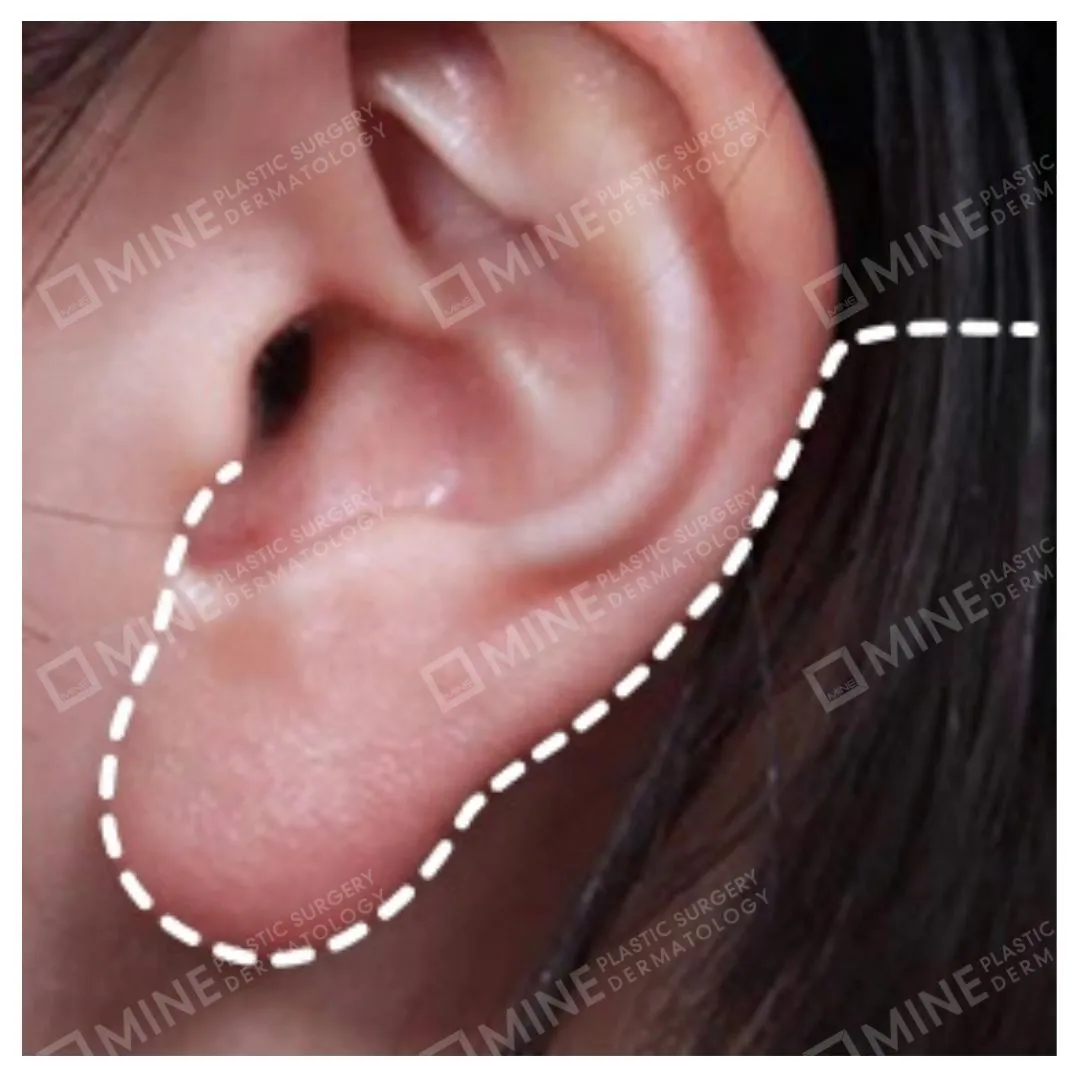
This surgery involves incising neck skin and muscles to tighten relaxed muscles (platysma) and remove excess skin.
- Effects: Dramatic neck lifting, improved jawline
- Recovery period: 2-3 weeks
- Duration of effects: 7-10 years
- Suitable candidates: Severe neck sagging, ages 60 and above
2. Liposuction
This procedure removes fat from under the chin and neck to improve neck contours.
- Effects: Reduced double chin, improved neck line
- Recovery period: 1-2 weeks
- Duration of effects: Semi-permanent (with weight maintenance)
- Suitable candidates: Excess neck fat, double chin
3. Combined Neck Lifting
Performed alongside a facelift, this approach allows for harmonious lifting of the entire face and neck.
- Effects: Comprehensive improvement of face and neck
- Recovery period: 2-4 weeks
- Duration of effects: 8-12 years
- Suitable candidates: Advanced aging of both face and neck
Which Neck Lifting Method Is Right for You?
When choosing a neck lifting procedure, consider your age, neck condition, desired effects, recovery time, and budget. Each procedure has pros and cons, so selecting the optimal method for your individual situation is important.
Recommended Procedures by Age Group
Early 30s (Early Neck Aging)
- Non-surgical methods: Radiofrequency lifting, HIFU, Botox
- Goal: Prevention and early management
Mid-30s to 40s (Intermediate Neck Aging)
- Invasive methods: Thread lifting, Mini neck lift
- Combined with non-surgical methods: HIFU, radiofrequency
- Goal: Moderate lifting and wrinkle improvement
50s to 60s and Above (Advanced Neck Aging)
- Surgical methods: Neck lift surgery, combined with face lift
- Goal: Definitive lifting and structural improvement
Recommended Procedures by Neck Condition
Primary concern: Horizontal neck wrinkles
- Radiofrequency lifting, laser, fillers
Primary concern: Prominent vertical bands (platysmal bands)
- Botox, thread lifting, neck lift surgery
Primary concern: Severe neck skin sagging (turkey neck)
- HIFU, thread lifting, neck lift surgery
Primary concern: Double chin and excess neck fat
- FaceTite, liposuction
The following table compares the main characteristics of each procedure:
| Procedure Type | Effectiveness | Recovery Period | Duration of Effects | Pain Level | Suitable Candidates |
|---|---|---|---|---|---|
| RF Lifting | ★★☆☆☆ | Immediate-1 day | 6 months-2 years | Low | Early neck aging |
| HIFU | ★★★☆☆ | Immediate-3 days | 1-2 years | Medium | Intermediate neck aging |
| Thread Lifting | ★★★★☆ | 3-7 days | 1-2 years | Medium | Intermediate-advanced neck aging |
| Neck Lift Surgery | ★★★★★ | 2-3 weeks | 7-10 years | High | Severe neck sagging |
Effects and Duration of Neck Lifting Procedures
The effects of neck lifting procedures vary depending on the method, individual skin condition, age, and lifestyle. Generally, more invasive procedures tend to produce greater effects and longer-lasting results.
Expected Effects by Procedure Type
Non-surgical procedures (RF, HIFU, Laser)
- Modest tightening of loose skin, most visible in early laxity
- Softening of fine and early horizontal lines rather than deep folds
- Changes build gradually as new collagen forms, peaking around 2-3 months, and look natural rather than obvious
Minimally invasive procedures (Thread lifting, FaceTite)
- Visible lifting of moderately sagging skin – more than energy-based devices achieve, less than surgery
- Improvement of moderate wrinkles and early jowling along the jawline
- Some lift is visible immediately, with the final result settling at around 1-2 months
Surgical procedures (Neck lift, Liposuction)
- The greatest degree of skin redraping, because excess skin is removed rather than only tightened
- Structural correction of the platysma muscle and neck fat that non-surgical methods cannot reach
- Marked change, with the final contour settling between 6 and 12 months
Factors Affecting Results
- Age: Younger individuals have better skin regeneration capacity, leading to better results
- Skin condition: The better your starting skin condition, the better the expected results
- Lifestyle habits: Good habits like sun protection, not smoking, and hydration help maintain results
- Your surgeon’s experience: technique matters more than the device, particularly for muscle work on the platysma
Tips for Maintaining Effects
- Consistent use of sunscreen
- Adequate hydration and moisturizing
- Limiting smoking and excessive alcohol consumption
- Neck stretching and exercises to strengthen muscles
- Regular maintenance procedures
What You Should Know Before Getting a Neck Lift
Adequate preparation and understanding are necessary before undergoing a neck lifting procedure. Here is what to think through before you book.
Importance of Consultation with a Specialist
Neck lifting is not simply about “removing wrinkles” but requires comprehensive consideration of facial and neck harmony, anatomical characteristics, and the individual’s aging progression. Therefore, consultation with a plastic surgery specialist is essential.

Questions to ask during consultation:
- What procedure is most suitable for my neck condition?
- What is the specific process and mechanism of that procedure?
- What are the expected results and limitations?
- What are the potential side effects and how are they managed?
- What is the recovery process and when can I return to daily activities?
Pre-Procedure Preparations
1. Health Status Verification
- Management of underlying conditions (hypertension, diabetes, etc.)
- Allergy reaction checks
- Basic tests like blood work if necessary
2. Medication Precautions
- Blood thinners and antiplatelet drugs (aspirin, warfarin, clopidogrel and similar) — never stop these on your own. Ask both the surgeon who will operate and the doctor who prescribed them whether, and how far in advance, they should be paused
- Anti-inflammatory painkillers, vitamin E and omega-3 supplements are usually paused before surgery as well — confirm the timing with your doctor rather than stopping anything yourself
- Disclosure of all medications to your doctor
3. Lifestyle Management
- Smoking cessation 2 weeks before the procedure
- Alcohol restriction 48 hours before the procedure
- Adequate hydration and balanced nutrition
4. Practical Preparations
- Removal of makeup on the day of the procedure
- Comfortable clothing (button-front shirts recommended)
- Arranging for assistance returning home (for surgical procedures)
Precautions When Choosing a Procedure
1. Avoid Excessive Expectations Neck lifting procedures effectively improve neck aging but aren’t perfect solutions. It’s important to approach them with realistic expectations.
2. Verify the Medical Team’s Expertise The experience and skill of the medical team significantly impact results. Look for a clinic where a board-certified plastic surgeon performs the procedure personally and can show you a substantial volume of neck cases, as MINE Plastic Surgery does.
3. Gather Sufficient Information Learn about the pros and cons, costs, recovery periods, and risks of various procedure options before deciding.
4. Personalized Approach Results may differ depending on individual neck structure, skin condition, and age, even with the same procedure. A personalized approach is important.
Recovery and Aftercare Following Neck Lifting Procedures
Proper aftercare following neck lifting procedures is crucial for optimizing results and minimizing side effects. Let’s explore recovery processes and management methods by procedure type.
Recovery Process by Procedure Type
Non-surgical procedures (RF, HIFU, Laser)
- Downtime: Almost none to 3 days
- Recovery process:
- Day 1: Mild swelling, redness possible
- Days 2-3: Most symptoms subside
- Weeks 1-2: Gradual effects appear
- Months 2-3: Maximum effects manifest
Minimally invasive procedures (Thread lifting, FaceTite)
- Downtime: 3-10 days
- Recovery process:
- Days 1-3: Swelling, bruising, pain possible
- Days 4-7: Reduced swelling, daily activities possible
- Weeks 1-2: Mostly recovered
- Months 1-2: Final results visible
Surgical procedures (Neck lift, Liposuction)
- Downtime: 2-3 weeks
- Recovery process:
- Days 1-7: Swelling, bruising, pain, compression bandage wearing
- Weeks 1-2: Reduced swelling, some daily activities possible
- Weeks 2-3: Return to social activities possible
- Months 1-3: Mostly recovered
- Months 6-12: Complete results visible
Post-Procedure Care Guidelines
1. Immediate Care (24-48 hours post-procedure)
- Medication as directed by your doctor
- Cold compresses to reduce swelling (as directed by your doctor)
- Rest with the head slightly elevated
- Limiting excessive movement of the head and neck
2. Short-term Care (1-2 weeks)
- Wearing compression bandages/gauze as recommended by your doctor
- Adequate rest and sleep
- Light activities possible but strenuous exercise restricted
- Avoiding actions that compress or irritate the neck
- Warm showers possible (as directed by your doctor)
3. Long-term Care (after 2 weeks)
- Use of sunscreen (SPF 30+)
- Regular use of moisturizers
- Limiting smoking and excessive alcohol consumption
- Neck stretching and light exercise to strengthen muscles
- Regular skin care and maintenance procedures
Symptoms to Watch For
Consult your doctor immediately if you experience:
- Persistent severe pain
- Excessive swelling or redness
- Unusual sensations at thread insertion sites
- Asymmetrical shape or sagging
- Fever above 38°C (100.4°F)
- Discharge from wound sites
Tips for Maximizing Neck Lifting Procedure Effects
- Maintain a Regular Skincare Routine
- Moisturizing: Products containing ceramides, hyaluronic acid
- Antioxidants: Products containing vitamins C and E
- Regeneration: Products containing retinol, peptides
- Neck Exercises and Massage (only once your doctor confirms the incisions have healed — for a surgical neck lift this generally means after the two-week mark)
- Chin lift exercise: Hold for 10 seconds, repeat 10 times
- Neck stretching: Rotate slowly left and right, hold each direction for 10 seconds
- Gentle neck massage: Soft strokes from top to bottom
- Healthy Lifestyle Habits
- Adequate hydration (more than 2 liters per day)
- Balanced diet (antioxidant foods, collagen-promoting foods)
- Appropriate sleep (7-8 hours)
- Posture correction (raising eye level when using smartphones)
Post-procedure care is as important as the procedure itself, so following your doctor’s instructions carefully is advisable. Sun protection, avoiding smoking and keeping your weight stable are the habits most consistently associated with results that hold.
Frequently Asked Questions
How Painful Are Neck Lifting Procedures?
Pain levels vary by procedure type. Non-surgical procedures (RF, HIFU) may cause hot sensations or tingling during treatment, but these are generally tolerable. Minimally invasive procedures (thread lifting) are performed under local anesthesia with minimal pain during the procedure, though discomfort may persist for 2-3 days afterward. Surgical methods are performed under general anesthesia or deep sedation with no pain during the procedure, but moderate pain during recovery can be controlled with pain medication.
How Long Do the Effects of Neck Lifting Procedures Last?
Non-surgical procedures (RF, HIFU) typically last 6 months to 2 years, thread lifting 1-2 years, and surgical neck lifts 7-10 years. However, duration varies greatly depending on age, skin condition, lifestyle habits, and maintenance care. Sun protection, not smoking, adequate hydration, and regular maintenance procedures help extend results.
What’s the Difference Between Non-surgical and Surgical Neck Lifting?
Non-surgical neck lifting uses energy-based devices (RF, HIFU, laser) on the skin surface to stimulate collagen production and improve skin elasticity without incisions. Recovery is quick with minimal side effects, but results are gradual and limited. In contrast, surgical neck lifting directly lifts skin and muscles through incisions, offering more dramatic improvements but requiring longer recovery with relatively higher risks of side effects. Minimally invasive procedures (like thread lifting) offer intermediate characteristics between these two approaches.
When Can I Return to Daily Activities After a Neck Lifting Procedure?
Most non-surgical procedures allow immediate return to daily activities, with social activities possible the same day or within 1-2 days. Minimally invasive procedures like thread lifting allow return to daily activities after 3-7 days of rest. Surgical neck lifting requires about 2 weeks of recovery before daily activities can resume, with complete return to social activities possible after 2-3 weeks. However, individual variations exist, so following your doctor’s instructions is important.
What Are the Side Effects of Neck Lifting Procedures?
Various side effects may occur depending on the procedure type. Common side effects include temporary swelling, bruising, redness, pain, and sensory changes. Non-surgical procedures may cause burns or pigmentation issues; thread lifting may lead to thread exposure, asymmetry, or infection; and surgical neck lifting carries risks of scarring, nerve damage, hematoma, and infection. However, most side effects can be prevented or minimized with professional medical care and proper aftercare.
Conclusion
Neck lifting procedures are effective methods for improving neck wrinkles and sagging to create younger, more beautiful neck contours. Various options exist, including non-surgical, minimally invasive, and surgical methods. Choosing an appropriate procedure based on individual neck condition, desired effects, and recovery time is important.
Professional medical consultation and treatment are essential for effective neck lifting procedures. At MINE Plastic Surgery, we create natural and beautiful neck contours through personalized neck lifting procedures. If you’re concerned about neck aging, find the most suitable solution through one-on-one consultation with a specialist.
If you want to regain a confident neck line, consult with the specialists at MINE Plastic Surgery. Our team is here to help you feel comfortable in your own skin again.
Have questions about neck lifting procedures? Leave them in the comments below or contact MINE Plastic Surgery for a consultation!
If you are weighing surgery against a lighter option, our comparison of a full neck lift and a mini neck lift goes one level deeper.
※ This content is for informational purposes only and does not replace professional medical advice, diagnosis, or treatment. Individual results may vary, and side effects may occur. Please consult with a board-certified plastic surgeon for personalized advice.