EN
EN


This guide breaks breast augmentation preparation into seven stages, in the order you will actually meet them: understanding the procedure, the consultation checklist, pre-surgery testing, the two-week lifestyle and medication window, the day before, surgery day itself, and the recovery environment you set up before you leave home. Work through them in sequence and very little will be left to improvise.
Good breast augmentation preparation is mostly ordinary logistics done early, and the parts patients get wrong are rarely the dramatic ones. They are the small items nobody follows up on: a supplement left off the medication list, a question not asked at the consultation, a compression bra ordered too late. Breast augmentation surgery is a significant decision, and the preparation deserves the same care as the surgical plan.
Table of contents
Understanding Breast Augmentation Basics
Breast augmentation surgery is about more than simply increasing breast size. The procedure aims to improve breast size, shape, symmetry, and overall proportion to create a harmonious body image.
Types of Breast Augmentation Procedures
Breast augmentation preparation starts with understanding which method you are actually preparing for, because the implant type and placement change your recovery timeline and your pre-surgery instructions.
Saline implants, silicone implants, and fat transfer each carry different trade-offs in feel, incision size, and follow-up imaging. If you are weighing a size reduction instead, our guide to breast reduction surgery walks through that pathway separately.
- Implant-Based Breast Augmentation: Using silicone or saline implants to enhance breast size and shape
- Fat Transfer Breast Augmentation: Injecting the patient’s own fat harvested from other body areas
- Composite Breast Augmentation: Combining implants with fat transfer techniques
- Breast Lift with Augmentation: Elevating sagging breasts while enhancing size
Types of Breast Implants and Characteristics
Breast implants broadly fall into silicone implants and saline implants types:
- Silicone Implants: Provide a natural feel and appearance; currently the most commonly used option
- Saline Implants: Filled with sterile saltwater solution; if ruptured, the body can safely absorb the saline, but they may cause visible rippling
Implants also vary by shape (round vs. anatomical/teardrop) and surface texture (smooth vs. textured).
Breast Augmentation Preparation: Checklist for a Successful Consultation
The pre-surgery consultation is one of the most critical steps in the breast augmentation preparation. During this phase, you’ll work with your surgeon to determine the appropriate surgical approach and implant selection.
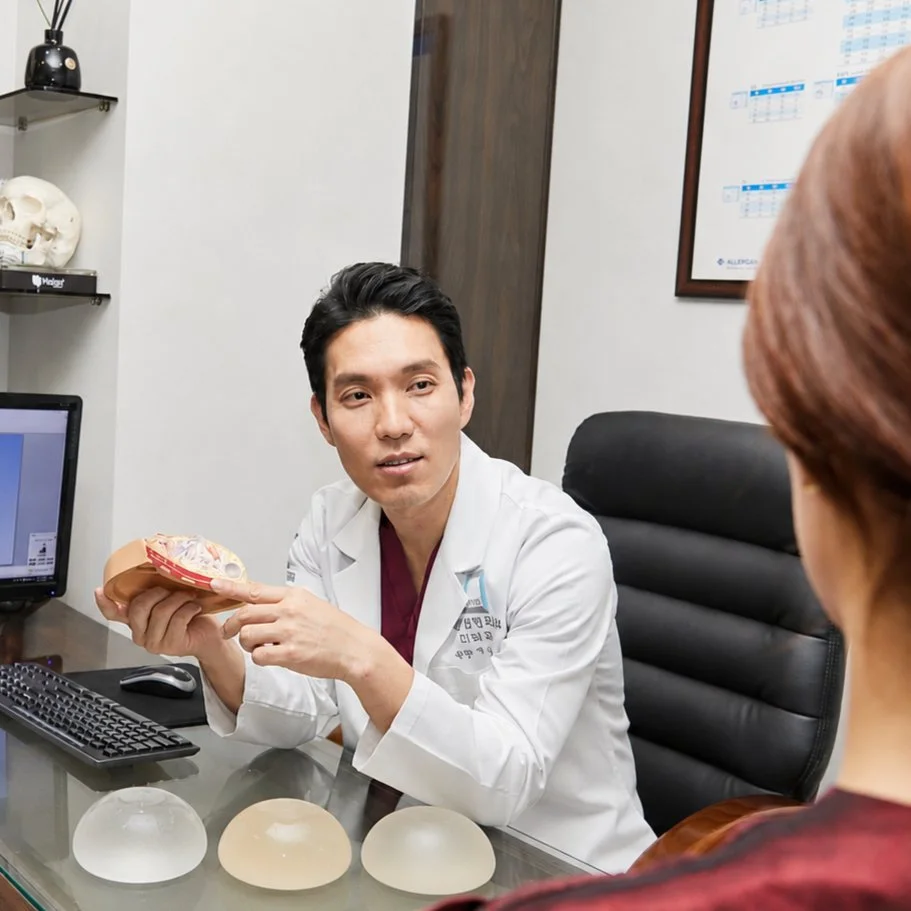
What to Prepare Before Consultation
- Medical history: Past surgeries, allergies, current medications list
- Family medical history: Any hereditary conditions like breast cancer
- Desired breast size and shape: Reference photos or specific images
- Question list: Prepare your concerns in advance
Checklist When Choosing a Plastic Surgeon
- Board certification and experience: Verify credentials with the American Society of Plastic Surgeons
- Facility safety: Ensure emergency facilities and equipment are available
- Previous patient results: Review before and after photos and case studies
- Communication style: Choose a surgeon who provides thorough explanations and thoughtfully answers questions
Essential Questions to Ask During Consultation
- What implant type and size would be most appropriate for my body frame?
- How are surgical methods and incision locations determined?
- What realistic results should I expect, and what are the limitations?
- What is the lifespan of implants, and when might replacement be necessary?
- What are the surgical risks and potential complications?
- How long is the recovery period, and when can I return to normal activities?
Your comfort level and trust in your surgeon are crucial factors in your decision. Mineclinic provides comprehensive consultation time to address all patient questions and develop personalized surgical plans.
Essential Pre-Surgery Tests and Health Preparation
Thorough breast augmentation preparation includes pre-surgical health screening, so that risk factors turn up in the clinic rather than on the day of surgery. If pain is your main concern, see our guide to breast augmentation pain and recovery.

Standard Pre-Surgery Testing
- Blood tests: Check for anemia, infection, blood clotting issues
- Urinalysis: Assess kidney function and diabetes
- Electrocardiogram (ECG/EKG): Evaluate heart function
- Breast ultrasound or mammography: Check for abnormalities in breast tissue
- Allergy history review: Tell your team about past reactions to anesthetics, antibiotics, latex, or adhesives. There is no test that certifies you are not allergic to a breast implant, so this is a history-taking step rather than a lab test
Additional Preparations for Chronic Conditions
If you have hypertension, diabetes, heart disease, or other chronic conditions, consult with your specialist about medication adjustments before and after surgery. In some cases, you may need to temporarily discontinue certain medications or adjust dosages.
Breast Augmentation Suitability Assessment
Not everyone is an ideal candidate for breast augmentation. Surgery may not be recommended in these situations:
- Active infection
- Severe chronic illness
- Breast cancer or pre-cancerous conditions
- Pregnancy or breastfeeding
- Unrealistic expectations
Two Weeks Before Surgery: Lifestyle and Medication Adjustments
Beginning approximately two weeks before breast augmentation surgery, you should adjust lifestyle habits and medications that could affect surgical outcomes and recovery.
The patient guidance published by the American Society of Plastic Surgeons is short on this point: stop smoking, and avoid aspirin and certain anti-inflammatory drugs because they can increase bleeding. The sections below explain why those two instructions exist and what they leave out. The specific dates and doses always come from your own surgical team.
The Importance of Smoking and Alcohol Cessation
Smoking constricts blood vessels, impairs circulation, and delays wound healing. Stop smoking completely at least two weeks before breast augmentation surgery. Continuing to smoke increases risks of skin necrosis, wound dehiscence, and infection.
Alcohol weakens the immune system and can affect blood clotting. Avoid alcoholic beverages for at least one week before surgery.
Medications and Supplements to Discontinue
This is the part of breast augmentation preparation that patients most often get wrong, because “stop your blood thinners” is advice that is safe for one person and dangerous for another. The distinction that matters is not the drug name. It is why you are taking it.
1. Painkillers and supplements that are usually paused
Aspirin blocks an enzyme in your platelets permanently. Its plasma half-life is only about 20 minutes, but the affected platelets never recover; your body has to replace them, which is why the bleeding effect outlasts the last dose by days.
The size of that effect is documented. In a breast reconstruction series, the hematoma rate was 9.2% in patients on aspirin against 4.7% in controls. That was reconstruction after mastectomy, not cosmetic augmentation, so read it as direction rather than as your own risk. Separately, the POISE-2 trial in non-cardiac surgery found aspirin raised major bleeding to 4.6% from 3.8%, without reducing death or heart attack at 30 days. For patients taking aspirin as their only antiplatelet drug, the usual advice is to hold it for one to two weeks before surgery.
One exception matters more than anything else in this section: if a doctor prescribed your aspirin — after a stent, a heart attack, or a stroke — it is doing a job, and the one-to-two-week advice above does not apply to you. Treat it the way the next section treats prescription blood thinners, and let the prescriber decide.
Other NSAIDs block the same enzyme reversibly rather than permanently, so their antiplatelet effect wears off faster; in a healthy person, ibuprofen’s effect on platelet function is reported to normalize within about 24 hours. Even so, most surgeons ask for the same one-to-two-week window, because it is simpler and safer than timing each drug individually.
Celecoxib (Celebrex) is the exception worth naming. As a selective COX-2 inhibitor, it has minimal effect on platelet function, so it is not a bleeding concern in the way aspirin is. Surgeons still commonly stop it before surgery, though the concern raised in the literature for this drug class is cardiovascular rather than bleeding. Note that celecoxib and oral diclofenac are prescription medicines in most countries, so they belong in the conversation with your doctor, not on the list you manage yourself.
Bring the actual boxes to your pre-op visit. Many combination cold and headache remedies contain aspirin without saying so on the front of the package.
- NSAIDs: ibuprofen (Advil, Motrin), naproxen (Aleve), diclofenac (Voltaren), celecoxib (Celebrex), and any aspirin-containing combination product
- Herbal supplements: ginkgo biloba, garlic, ginger, ginseng, aloe vera, cayenne, fenugreek, chamomile
- Vitamins and nutraceuticals: high-dose vitamin E, omega-3 (fish oil), high-dose vitamin C, coenzyme Q10, selenium
Acetaminophen (Tylenol) does not carry the same platelet effect and is typically the painkiller left available to you during this window, but confirm it, because it is also the drug most often hidden inside combination products.
2. Prescription blood thinners — never stop these on your own
Warfarin (Coumadin), apixaban (Eliquis), rivaroxaban (Xarelto), dabigatran (Pradaxa), edoxaban (Savaysa), clopidogrel (Plavix), ticagrelor (Brilinta), heparin and enoxaparin (Lovenox) belong in a different category entirely. They were prescribed to stop a clot, a stroke, or a stent from closing. Stopping them without a plan can cause exactly the event they were preventing.
This is the one part of breast augmentation preparation you cannot self-manage. The decision to hold, shorten, or bridge these medications belongs to the doctor who prescribed them — your cardiologist, hematologist, or internist — not to your plastic surgeon and not to you. Depending on your reason for taking them, the plan may involve a specific number of days off, a substitute injectable while you are off, or a decision that an elective cosmetic procedure should be postponed. Some patients, such as those with a mechanical heart valve or a recent stent, may be told not to stop at all.
Practically, this means your breast augmentation preparation should start earlier than two weeks if you take any of these. Tell the clinic at your first consultation, and ask them to write to your prescriber directly.
3. Antidepressants and other daily prescriptions
SSRIs such as fluoxetine (Prozac), sertraline (Zoloft) and escitalopram (Lexapro), and SNRIs such as venlafaxine (Effexor) and duloxetine (Cymbalta), can modestly affect platelet function. That does not mean you should stop them before surgery. Abruptly stopping an antidepressant can cause withdrawal symptoms and a relapse of the condition it treats, and for most patients that risk outweighs a small change in bleeding. Disclose them, and let the prescribing doctor and the anesthesiologist decide together.
The same logic applies to medication for blood pressure, diabetes, thyroid conditions, epilepsy and asthma: most are continued, some are adjusted on the morning of surgery, and almost none should be stopped by the patient unilaterally. Hormonal contraception and hormone replacement therapy are a separate discussion, because they carry their own clot risk, so raise them specifically rather than assuming they are covered.
The single rule worth remembering: bring a complete written list of everything you take — prescriptions, over-the-counter remedies, supplements, and anything you take only occasionally. Let the medical team decide what stops and what continues. Do not edit that list yourself, and do not stop a prescribed medication because of an article, including this one.
Foods to Moderate
From about two weeks before surgery, many clinics ask patients to moderate the foods below. The evidence here is much weaker than it is for medication, and the goal is moderation rather than elimination. Going into surgery underfed works against healing, and protein and iron matter more to your recovery than any item on this list. Treat it as “do not load up on”, not “must avoid”.
- Foods sometimes said to thin the blood:
- Dishes rich in ginger or garlic
- Foods with high amounts of turmeric, cinnamon, or cloves
- Omega-3 rich foods (in excessive amounts):
- Oily fish (mackerel, tuna, salmon)
- Flaxseed, chia seeds
- Walnuts, almonds, and other nuts
- Circulation-boosting beverages:
- Green and black tea
- Ginger or cinnamon tea
- Tomato juice
- Red wine
- Other cautionary foods:
- Pineapple (contains bromelain)
- Onions (contain quercetin)
- Papaya (contains papain)
- Kiwi (contains actinidin)
Individual responses to foods and medications vary, so consult your surgeon about specific discontinuation timing and scope.
Diet Adjustment and Nutrition Management
Pre-surgical nutritional status directly impacts recovery speed:
- Increase protein intake: Necessary for wound healing and tissue regeneration
- Consume vitamin C: Helps with collagen production and immune strengthening
- Stay well-hydrated: Essential for toxin elimination and recovery
- Balance carbohydrates and fats: Important for energy supply and inflammation regulation
Importance of Maintaining Healthy Weight
Avoid dramatic weight changes before surgery. Particularly, significant weight loss after breast augmentation can affect breast size and shape, so keeping your weight stable before surgery is important.
Day Before Surgery: Final Breast Augmentation Preparations
Preparation the day before surgery reduces anxiety and ensures smooth procedure progression.
Fasting Guidelines
Fasting is the one step of breast augmentation preparation that can cancel your surgery on the day if you get it wrong. It exists for anesthesia safety:
- Solid foods: Prohibited 8 hours before surgery
- Clear liquids (water, apple juice): Small amounts are often permitted until 4 hours before surgery — follow the exact hour your own team gives you, as protocols differ
- Cigarettes, gum, candy: All prohibited
Personal Hygiene Management
- Full-body shower: Thoroughly clean with antibacterial soap
- Hair washing: Shower restrictions may apply post-surgery
- No makeup, lotions, or perfumes: Keep skin surface clean
- Nail preparation: Remove nail polish and gel nails (they interfere with oxygen saturation monitoring during anesthesia)
Hospital Admission Checklist
- Identification and insurance documents
- Surgical consent forms and related paperwork
- Comfortable front-opening clothes (zippered or buttoned)
- Special post-surgery compression bra (as directed by surgeon)
- Personal hygiene items (toothbrush, toothpaste)
- Phone and charger
- Simple entertainment items (books, tablet)
Mental Preparation and Anxiety Management
- Sufficient sleep: Rest well the night before
- Maintain positive mindset: Anxiety is a natural response
- Breathing meditation or light yoga: Helps reduce stress
- Resolve questions: Ask medical staff about any remaining concerns
Surgery Day: Essential Items and Precautions
On surgery day, it is important to arrive at the hospital feeling comfortable and calm.
Clothing and Accessories
- Comfortable, loose-fitting clothes: Front-opening shirts or cardigans are ideal
- Slippers or comfortable shoes: Movement may be difficult after surgery
- Remove all accessories: Rings, necklaces, earrings, piercings
- Wear glasses instead of contact lenses: Lens wear prohibited during surgery
Companion and Transportation
- Responsible adult accompaniment: Someone to care for you post-surgery
- Private car or taxi recommended over public transportation: Comfortable return home is important
- Absolutely no driving yourself after surgery
Final Pre-Surgery Preparations
- Complete removal of makeup and nail polish: Crucial for oxygen saturation monitoring
- Leave valuables at home
- Use the restroom before surgery
- Confirm any special preparation instructions from medical staff
Preparing Your Recovery Environment
Preparing in advance minimizes discomfort during the recovery period.
Creating a Recovery-Friendly Environment
- Organize bedside area: Place necessary items within reach
- Extra pillows: Slightly elevated upper body position helps reduce swelling
- Comfortable rest area: Position TV, books, laptop for easy access
- Clean bedding: Maintain cleanliness to prevent infection

Essential Recovery Supplies
- Prescribed medications: Pain relievers, antibiotics
- Compression bra or medical girdle: Prepare as directed by surgeon
- Ice packs: Help reduce swelling
- Chest pads or gauze: For wound management
- Ample towels and tissues
- Front-opening clothes with buttons or zippers: Useful when arm-raising is difficult
Pre-Adjusting Daily Routines
- Plan 1-2 weeks of leave: Sufficient recovery time needed before returning to work
- Request household chore assistance: Lifting heavy objects and cleaning will be restricted
- Meal preparation: Prepare simple meals that can be easily reheated
- Childcare or pet care planning: Arrange help if needed
The first two weeks after breast augmentation surgery require special care, so planning ahead is beneficial. Mineclinic’s post-operative care program provides professional recovery support.
Frequently Asked Questions (FAQ)
What must I know before breast augmentation surgery?
Before breast augmentation surgery, it’s crucial to understand your physical characteristics and desired outcomes. You should also be thoroughly informed about implant types, sizes, insertion locations, incision methods, expected recovery process, precautions, and potential complications. Consult with a specialist to determine the most suitable surgical approach for your body.
How long should I fast before breast augmentation surgery?
For safe anesthesia, you should fast from solid foods 8 hours before surgery and clear fluids 4 hours before. Exact fasting times may vary based on anesthesia method and surgeon instructions, so follow your medical team’s guidelines precisely.
How long is the recovery period after breast augmentation?
Recovery after breast augmentation varies individually but generally follows these stages:
- 1-2 days: Hospital observation
- 3-7 days: Basic daily activities possible, but pain and discomfort continue
- 1-2 weeks: Light activities and desk work possible
- 3-4 weeks: Moderate activities possible, special bra wear continues
- 6 weeks: Most restrictions lifted, normal bra wear possible
- 3-6 months: Final results visible, implants stabilized
What types of breast implants are available?
Breast implants vary widely based on filling material, shape, and surface texture:
- Filling material: Silicone gel, saline solution
- Shape: Round, anatomical shape (teardrop)
- Surface: Smooth surface, textured surface
Each implant’s advantages, disadvantages, and suitability depend on the individual’s breast tissue, body type, and desired outcome. Consulting with a specialist to select the optimal implant is essential.
How painful is breast augmentation surgery recovery?
Pain after breast augmentation varies individually, but most patients experience moderate discomfort and pressure sensation. Pain typically peaks during the first 3-5 days post-surgery, then gradually decreases. Prescribed pain medication helps manage discomfort. Persistent or worsening pain may signal complications and should be immediately reported to medical staff.
Conclusion: Thorough Breast Augmentation Preparation is the First Step to Successful Surgery
Breast augmentation is not merely a cosmetic procedure but a medical process requiring thorough breast augmentation preparation and planning. Making careful decisions based on sufficient information at every stage from consultation to surgery day is crucial.
Appropriate pre-surgical testing, health management, medication adjustment, and lifestyle improvement directly affect surgical outcomes and recovery. Preparing your recovery environment in advance can significantly reduce stress during the healing process.
Above all, consultation with a trustworthy specialist is most important. Mineclinic offers personalized consultations to thoroughly analyze patients’ physical characteristics and preferences, proposing optimal surgical plans.
Considering breast augmentation? Obtain accurate information through one-on-one customized consultations with medical professionals and find the most suitable breast enhancement method for you. Mineclinic prioritizes each patient’s well-being and safety, striving for results they are happy with.
※ This content is for informational purposes only and does not replace professional medical advice, diagnosis, or treatment. Individual results may vary, and side effects may occur. Please consult with a board-certified plastic surgeon for personalized advice.