EN
EN

Table of contents
Understanding Breast Augmentation Implants: Basic Concepts and Characteristics
Breast implants are medical devices used in breast augmentation surgery to enhance the size and shape of a woman’s breasts. The modern history of breast augmentation implants began in the 1960s, with continuous technological advancements and safety improvements over the past several decades.
Breast augmentation implants serve purposes beyond simply increasing breast size. They’re utilized in various breast enhancement procedures, including correction of congenital deformities, breast asymmetry, breast reconstruction, and aesthetic enhancement to improve personal satisfaction.
The main components of an implant include an outer shell and an inner filling material. The combination of these two elements determines the various characteristics and feel of the implant. Currently, all medically approved breast augmentation implants use silicone outer shells, with the inner filling material being either silicone gel or saline (physiological saline solution).
Basic characteristics of breast implants:
- Size: Measured in cc (cubic centimeters), typically ranging from 200cc to 450cc
- Shape: Round or anatomical (teardrop-shaped)
- Surface: Smooth or textured surface
- Profile (Projection): Low, medium, high, or extra-high profile
Selecting the right breast implant involves considering multiple factors including body type, thickness of breast tissue, desired outcome, and lifestyle. Therefore, it’s essential to consult with a specialist to choose the most suitable implant for your individual needs.
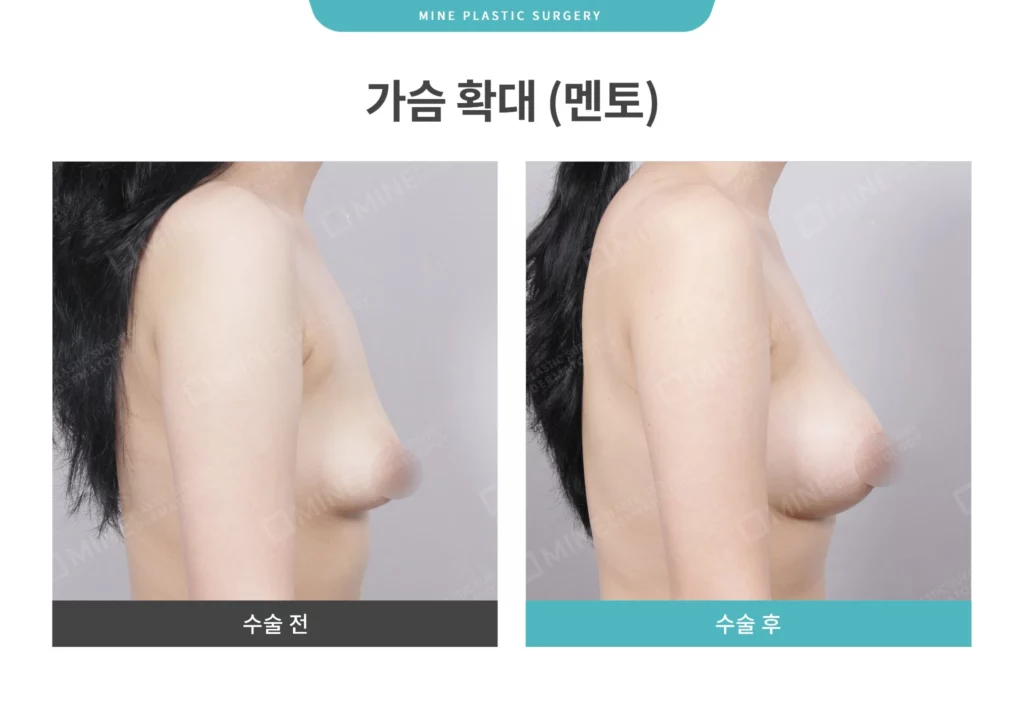
Comprehensive Guide to Breast Augmentation Implant Types and Features
Breast implants can be classified according to their internal filling material, shape, and surface characteristics. Let’s explore the features and pros and cons of each type in detail.
Classification by Internal Filling Material
1. Silicone Gel Implants
Silicone gel implants are currently the most popular type, offering a natural breast feel.
Advantages:
- Natural feel and appearance
- Maintain shape over time
- Available in various shapes and sizes
Disadvantages:
- Relatively higher cost compared to saline implants
- More difficult to detect ruptures (silent ruptures)
- Require slightly larger incisions
The latest cohesive gel or “gummy bear” implants maintain their shape more firmly than traditional silicone, reducing the risk of leakage even if rupture occurs.
2. Saline Implants
Saline (physiological saline solution) implants consist of a silicone shell filled with sterile salt water.
Advantages:
- Ruptures are immediately detectable (implant deflates)
- Can be inserted through smaller incisions (inserted empty, then filled)
- If the shell leaks, the filling is sterile salt water that the body absorbs
Disadvantages:
- Less natural feel compared to silicone
- Higher likelihood of rippling or wrinkling
- The saline volume may decrease over time
Classification by Shape
1. Round Implants
Characteristics:
- Symmetrical projection at top and bottom
- No change in shape if rotation occurs
- Provide upper pole fullness
Round implants are most commonly used and suitable for those desiring fuller, more prominent breast contours.
2. Anatomical (Teardrop) Implants
Characteristics:
- Shape resembles natural breast contours
- More fullness at the bottom with a gentle slope at the top
- Textured surface to prevent rotation
Teardrop implants are primarily used for patients who prefer a natural silhouette or those undergoing breast reconstruction surgery.
Classification by Surface Characteristics
1. Smooth Surface Implants
Advantages:
- Soft to the touch
- Rotation is not a concern, though capsular contracture remains possible
- Relatively thinner shell allowing for natural movement
Disadvantages:
- Some studies report higher rates of capsular contracture
2. Textured Surface Implants
Advantages:
- Historically promoted as reducing capsular contracture, though the surgical literature does not clearly support this
- More stable positioning (especially for teardrop implants)
Disadvantages:
- Rare association with BIA-ALCL (Breast Implant-Associated Anaplastic Large Cell Lymphoma)
- May feel less natural in some cases
Classification by Projection (Profile)
Projection refers to how far the implant protrudes from the chest.
- Low Profile: Suitable for patients with wider chests
- Medium Profile: Most universally used with moderate projection
- High Profile: Used when more projection is desired on a narrower chest
- Extra-High Profile: Used when maximum projection and breast contour are desired
The appropriate implant selection depends significantly on individual factors including body type, skin and tissue characteristics, existing breast size and shape, and desired outcome. Mineclinic offers personalized consultations that consider each patient’s unique body type and preferences.
How Often Should Breast Augmentation Implants Be Replaced?
Questions about the lifespan and replacement timing of breast implants are among the most common concerns for women considering breast augmentation surgery. Based on the latest medical research and clinical experience, let’s address this important topic.
Average Lifespan of Breast Augmentation Implants
Modern breast augmentation implants have significantly improved durability compared to earlier generations. Breast implants are not lifetime devices, and there is no fixed expiry date at which they must come out. What the evidence does show is that the chance of rupture or another complication rises the longer an implant stays in, and the reported figures vary widely between studies and implant generations.
Important fact: According to the American Society of Plastic Surgeons (ASPS), there is no need to replace breast implants that are not causing problems simply because time has passed. Recently, the FDA (Food and Drug Administration) also announced that it no longer recommends preventative replacement of asymptomatic implants.
Situations When Implant Replacement May Be Necessary
Implant replacement should be considered in the following cases:
- Implant Rupture or Leakage
- Silicone implants: Requires MRI or ultrasound confirmation
- Saline implants: Noticeable decrease in size occurs
- Capsular Contracture
- Hardening of scar tissue that forms around the implant
- Can cause pain or breast deformity
- Consider replacement for severe Baker grade III-IV contracture
- Implant Position Changes
- Movement of the implant from its original position
- Development of asymmetry or shape deformity
- Changes in Personal Preference
- Desire to change to a different size, shape, or type of implant
- Adjustments due to lifestyle changes or body changes
Factors Affecting Implant Lifespan
- Implant Quality and Type
- Latest generation implants have superior durability
- Variations by brand and model
- Surgical Technique and Surgeon’s Experience
- Selection of appropriate size and position
- Precise surgical technique
- Individual Physical Activity
- Intense exercise or weight changes
- Pregnancy and breastfeeding
- Regular Checkups
- Regular consultations and examinations with specialists
- Immediate response to symptoms
Recommended Monitoring for Implants
The FDA and ASPS provide the following guidelines:
- MRI or ultrasound screening 5-6 years after initial surgery, even without symptoms
- Regular checkups every 2-3 years thereafter
- Particularly important for silicone implants to check for silent ruptures that may not be visibly apparent
To extend the lifespan of implants and minimize the risk of complications, it’s important to follow your surgeon’s instructions and undergo regular checkups. If you experience any unusual symptoms or discomfort, consult your specialist immediately.
Breast Augmentation Implant Safety: Latest Research and Fact Check
Various concerns and information exist regarding the safety of breast implants. Let’s clarify the facts and address misconceptions about breast implant safety based on scientific evidence.
Key Safety Issues Related to Breast Augmentation Implants
1. BIA-ALCL (Breast Implant-Associated Anaplastic Large Cell Lymphoma)
BIA-ALCL is a very rare type of lymphoma associated with T-cells of the immune system, primarily linked to textured surface implants.
Key Facts:
- Reported incidence is very low, but published estimates vary widely between studies and registries — roughly 1 in 3,000 to 1 in 30,000 among people with textured implants
- It mainly develops in the capsule surrounding the implant
- Often curable with removal of the implant and surrounding capsule when detected early
- In July 2019, Allergan issued a worldwide recall of its BIOCELL textured implants and tissue expanders at the request of the US FDA, after these devices were linked to a disproportionate share of reported BIA-ALCL cases
- In October 2021, the FDA began requiring a boxed warning and a patient decision checklist for all breast implants sold in the US — the strongest labelling category the agency uses
- If you already have textured implants and have no symptoms, removal is not routinely recommended; persistent swelling or a fluid collection years after surgery should be assessed by a surgeon
- Rarely reported with smooth surface implants
2. Association with Autoimmune Diseases
Some concerns exist regarding the connection between implants and autoimmune symptoms, sometimes referred to as “Breast Implant Illness” (BII).
Current Research Findings:
- Large-scale epidemiological studies have not established a clear causal relationship between breast implants and autoimmune diseases
- Some patients report symptom improvement after implant removal
- Research is ongoing, and more data is needed
3. Rupture and Leakage
All implants can decrease in durability over time and risk rupture.
Types of Ruptures and Risks:
- Saline implants: If ruptured, the saline solution is safely absorbed by the body, although breast size decreases rapidly
- Silicone implants:
- Cohesive gel implants tend to maintain their shape even when ruptured (gummy bear effect)
- Latest generation silicone is designed to minimize migration within the body if leakage occurs
Latest Developments for Enhanced Safety
1. Improved Implant Design
Modern breast implants have significantly improved safety through continuous research and development:
- Stronger outer shells
- Addition of internal barrier layers to prevent leakage
- Improved cohesive gel technology
2. Stringent Approval and Monitoring Systems
Medical device regulatory agencies worldwide implement strict approval procedures and continuous monitoring of breast implants:
- FDA approval and post-market surveillance
- Continuous safety data collection and reporting by manufacturers
- Long-term tracking through registry systems
Recommendations for Safe Breast Implant Surgery
- Choose a Qualified Specialist
- Select a plastic surgeon with proper credentials and extensive experience
- Ensure thorough consultation and information provision before surgery
- Select Suitable Implants
- Customized selection considering body type, existing breast tissue, lifestyle, etc.
- Decision based on latest safety data
- Regular Checkups
- Regular examinations to check implant condition
- Immediate consultation with a specialist if symptoms occur
- Make Decisions Based on Accurate Information
- Gather scientifically-backed information
- Avoid being unduly influenced by unverified information or exaggerated concerns
Scientific research on breast implant safety continues, and current data indicates that breast implants can be safely used for most patients with appropriate surgery and management. However, as with all medical procedures, it’s important to carefully consider individual risks and benefits.
Major Breast Augmentation Implant Brands and Models
Various breast augmentation implants with global recognition and safety records are available in the market. Let’s look at the implants most widely used in Korea. Note that a device’s regulatory status differs by country: implants used in Korean operating rooms are approved by Korea’s Ministry of Food and Drug Safety (MFDS), and that is not the same list as the US FDA’s.
Mentor
- MemoryGel Xtra: Cohesive gel implants for higher fullness, using firmer gel filling than regular MemoryGel for superior upper pole fullness. The Xtra implants provide optimal projection and shape stability, with highly cohesive silicone gel minimizing leakage risk if rupture occurs. They’re suitable for patients desiring full, prominent breast silhouettes, with the advantage of maintaining upper fullness longer than conventional implants.
- MemoryShape: Highly cohesive gel implants with anatomical shape, utilizing SILTEX micro-texture technology
- CPG (Contour Profile Gel): Teardrop implants designed for sophisticated naturalness
Mentor implants are widely used globally based on long-term safety data and Johnson & Johnson’s reliability. The Mentor Xtra series features these characteristics:
Key Features of Mentor Xtra Implants:
- Enhanced Cohesiveness: Uses specially formulated gel with much stronger cohesion than regular silicone gel
- Improved Projection: Provides more pronounced projection and fullness
- Shape Stability: Superior ability to maintain original shape over time
- Various Size Options: Offers multiple base width and projection combinations
- Excellent Feel: Maintains natural feel despite enhanced cohesiveness
- Shell design: The manufacturer describes the outer shell as designed to improve rupture resistance
Suitable Candidates for Xtra Implants:
- Those desiring more pronounced breast contours
- Patients wanting long-lasting upper fullness
- Active individuals with sports-oriented or vigorous lifestyles
- Revision surgery patients seeking fuller results than previous implants
Motiva
- Ergonomix: Innovative implants with ergonomic design for natural movement and shape changes
- Round: Modern round implants providing uniform gel distribution and soft feel
- TrueFixation: Anatomical implants with anti-rotation technology
Motiva applies their unique SmoothSilk/SilkSurface technology, combining advantages of both textured and smooth surfaces. Some products include RFID chips for easy implant information verification.
Considerations When Selecting Implants
When selecting breast implants, patients should consider:
- Body Type Compatibility
- Important to select implants appropriate for breast width and tissue characteristics
- Consider appropriate profiles for potentially thinner breast tissue
- Regulatory Approval
- For surgery in Korea, confirm the implant is MFDS-approved; if you also want to check its status at home, look it up with your own regulator (for example, the US FDA or the EU CE mark)
- Verify the implant’s manufacturing lot number and warranty certificate
- Warranty Programs
- Compare warranty policies and coverage of different brands
- Check long-term warranty and replacement policies
While implants cleared by major regulators all meet strict standards, the most suitable product will vary according to individual body type and expected outcomes. Mineclinic offers professional consultations to help patients find the most appropriate options for their individual needs.
Comparative Analysis of Breast Augmentation Implant Brands
Breast implants are manufactured by various brands, each with unique characteristics and advantages. Let’s compare the major brands to help you make an optimal choice.
Comparison of Major Breast Implant Brands
1. Mentor
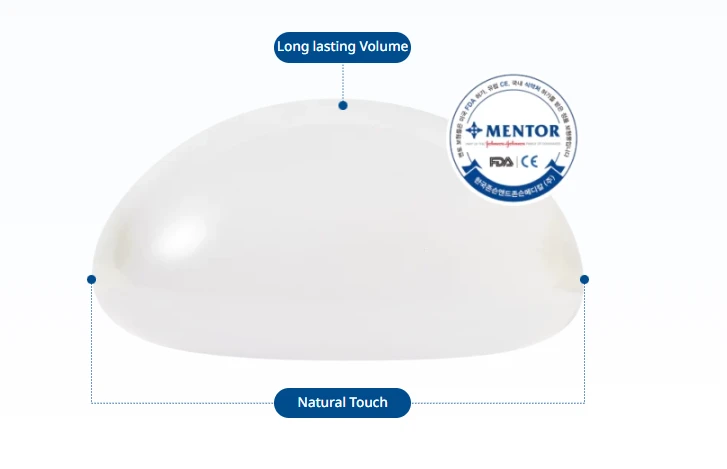
Key Features:
- Johnson & Johnson subsidiary
- MemoryGel and MemoryShape series
- Stable cohesive gel technology
- SILTEX micro-texture technology
Considerations:
- Soft feel and natural movement
- Various projection options
- Extensive long-term safety data
MemoryGel Xtra Series:
- Uses a firmer cohesive gel than the standard MemoryGel line (figures quoted here are the manufacturer’s)
- Provides more distinct breast contours and superior upper pole fullness
- Enhanced shape stability maintaining form over time
- Offers various profiles (moderate, moderate plus, high, ultra high)
- An outer shell the manufacturer describes as treated to improve rupture resistance
- Suitable for active lifestyles due to durability
2. Motiva
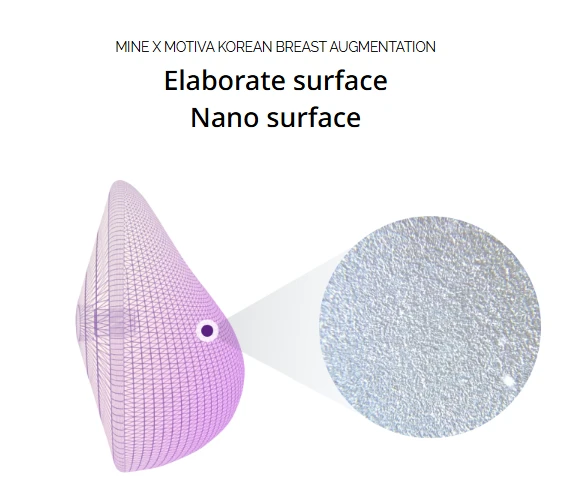
Key Features:
- Latest technology application (SmoothSilk/SilkSurface)
- Patented TrueMonobloc design
- Q Matrix filling for natural movement
- RFID chips in some products for information verification
Considerations:
- Relatively newer brand but rapidly growing
- Claims reduced BIA-ALCL risk with innovative surface technology
Key Factors to Consider When Choosing a Brand
- FDA Approval Status
- Verify approval by regulatory agencies
- Review related clinical data and safety records
- Implant Characteristics and Personal Needs
- Select products suitable for desired shape, feel, and projection
- Match options to body type and existing breast tissue
- Manufacturer’s Warranty Policy
- Compensation terms for product defects
- Long-term support programs
- Specialist’s Experience and Recommendations
- Surgeon’s experience with specific brands and models
- Brand recommendations suitable for particular body types
Brand Comparison Table
| Brand | Key Features | Shape Options | Surface Options | Advantages |
|---|---|---|---|---|
| Mentor | MemoryGel, MemoryGel Xtra, MemoryShape | Round, Teardrop | Smooth, SILTEX | Reliable performance, Various firmness options, Rich upper pole fullness (Xtra) |
| Motiva | Ergonomix, Round | Round, Ergonomic | SmoothSilk | Innovative surface, RFID technology |
The choice of breast augmentation implant brand should be based on a comprehensive consideration of personal goals, physical characteristics, and lifestyle. Mineclinic provides in-depth consultations to help find the most suitable options for each individual.
Essential Pre-Surgery Checklist for Breast Augmentation Implants
Breast augmentation implant surgery requires careful decision-making and thorough preparation. We’ve compiled a comprehensive checklist of key considerations to ensure optimal results and safe surgery.
Self-Assessment Checklist
These questions help clarify your expectations and understand realistic outcomes:
- [ ] Do you have clear reasons for wanting breast augmentation surgery?
- [ ] Do you have specific expected outcomes after surgery?
- [ ] Do you understand the limitations and possible complications of the surgery?
- [ ] Have you considered the recovery period and time to return to normal activities?
- [ ] Are you aware of long-term maintenance and potential future costs?
Specialist Selection Checklist
Criteria for selecting a surgeon for successful surgery:
- [ ] Verify board certification in plastic surgery
- [ ] Check sufficient experience and clinical cases in breast augmentation
- [ ] Review before-and-after photos and testimonials from previous patients
- [ ] Ensure the surgeon’s aesthetic sense aligns with your preferences
- [ ] Confirm they provide adequate consultation time and detailed explanations
- [ ] Understand their emergency response system and aftercare policies
Essential Questions for Consultation
Questions to ask your surgeon during consultation:
- Implant-Related Questions:
- What type of implant is most suitable for my body type?
- What size do you recommend and why?
- Which brand and model of implants do you use?
- What is the expected lifespan and warranty policy of these implants?
- Surgery Process Questions:
- Which incision method will you use and why?
- Where will the implant be placed (above muscle, below muscle, dual plane) and why?
- How long will the surgery take?
- What anesthesia method will be used and will an anesthesiologist be present?
- Risk and Complication Questions:
- What are the possible complications and their probability?
- How do you respond to complications?
- What percentage of cases require revision surgery?
- What is the latest information on rare complications like BIA-ALCL?
- Recovery-Related Questions:
- How long is the recovery period?
- When can I return to daily activities and exercise?
- What activities should I avoid during recovery?
- How is pain managed during recovery?
Medical Preparation Checklist
Medical preparations to increase surgical safety:
- [ ] Complete comprehensive health examination
- [ ] Undergo breast examinations (mammography, ultrasound, etc.)
- [ ] Confirm allergies and drug reactions
- [ ] Prepare a list of all current medications and supplements
- [ ] Establish a pre-surgery plan for smoking cessation and alcohol restriction
- [ ] Ask your surgeon and the doctor who prescribed them how to handle blood thinners (aspirin, anticoagulants, some supplements) — never stop a prescribed medication on your own
Lifestyle Preparation Checklist
Lifestyle preparations for comfortable recovery:
- [ ] Secure a caregiver for surgery day and several days after
- [ ] Plan vacation time for the recovery period
- [ ] Prepare recovery-friendly clothing (front-opening clothes, compression bras, etc.)
- [ ] Organize home recovery space (adjust bed height, accessibility of necessities)
- [ ] Prepare post-surgery prescribed medications in advance
- [ ] Establish a meal plan for the recovery period
Psychological Preparation Checklist
Preparations for the emotional and psychological aspects of surgery:
- [ ] Set realistic expectations (perfect symmetry or ideal size may not always be possible)
- [ ] Understand that initial appearance is not the final result
- [ ] Allow time to adapt to changed body image
- [ ] Establish psychological support system if needed
- [ ] Prioritize personal satisfaction over others’ opinions
Breast augmentation implant surgery is not just a cosmetic procedure but an important decision affecting physical and mental health. Through this checklist, prepare thoroughly and consult extensively with your specialist to make the most appropriate choice.
Post-Breast Augmentation Implant Surgery Care and Precautions
Proper care after breast augmentation implant surgery is crucial for successful results, quick recovery, and long-term satisfaction. Let’s explore the care methods and precautions by timeframe.
Immediate Post-Surgery Care (1-7 Days)
This period has the most pain and discomfort, requiring careful attention.
Key Care Points:
- Rest and Posture: Rest with upper body slightly elevated, avoid sleeping on sides
- Medication: Take prescribed antibiotics and pain relievers exactly as directed
- Compression Bra: Wear designated compression bra 24 hours a day
- Wound Care: Keep incision areas dry, change dressings according to surgeon’s instructions
- Food and Hydration: Maintain adequate hydration, low-sodium diet to reduce swelling
What to Avoid:
- Raising arms above head or stretching excessively
- Lifting heavy objects (over 2kg/5lbs)
- Showering or bathing (until approved by surgeon)
- Smoking and alcohol (impedes recovery)
Early Recovery Period (1-4 Weeks)
Swelling and discomfort gradually decrease during this time.
Key Care Points:
- Activity Level: Gradually reintroduce light daily activities
- Compression Bra: Continue wearing specialized compression bra (as directed by surgeon)
- Massage: Begin gentle massage if recommended by surgeon
- Nutrition: Consume nutrients that aid wound healing (protein, vitamin C, zinc)
- Regular Checkups: Strictly adhere to scheduled hospital visits
What to Avoid:
- Direct pressure or impact on chest area
- Exercise that causes rapid heart rate
- Saunas, steam rooms, hot baths
Mid-Recovery Period (1-3 Months)
Most swelling subsides and implants begin to stabilize during this period.
Key Care Points:
- Exercise Resumption: Gradually resume exercise after consulting your surgeon (start with low intensity)
- Scar Management: Practice recommended scar management techniques (silicone sheets, scar gel)
- Sun Protection: Diligently protect incision areas from sun exposure
- Bra Selection: Transition to wireless sports bras (after consulting surgeon)
What to Avoid:
- Exercises placing excessive strain on chest muscles (push-ups, heavy weights)
- Behaviors risking implant displacement
- Extreme weight fluctuations
Long-Term Management (After 3 Months)
Implants stabilize and final results become apparent during this period.
Key Care Points:
- Regular Checkups: Schedule checkups every 1-2 years to verify implant condition
- Self-Examination: Perform monthly breast self-examinations to monitor changes
- MRI/Ultrasound Tests: For silicone implants, first MRI at 5-6 years, then every 2-3 years (follow surgeon’s recommendations)
- Bra Management: Use high-quality bras providing adequate support
Long-Term Precautions:
- Avoid extreme weight changes
- Take care to prevent trauma to the chest area
- Consult medical professionals immediately if abnormal signs appear
Warning Signs and Response Measures
The following symptoms require immediate consultation with your surgeon:
- Sudden Size or Shape Changes
- Sudden decrease in size or shape change of one breast
- Potential cause: Implant rupture or position change
- Extreme Pain
- Persistent severe pain, especially with tenderness
- Potential cause: Hematoma, infection, capsular contracture
- Infection Signs
- Fever, redness, swelling, discharge
- Potential cause: Infection at surgical site or around implant
- Capsular Contracture Symptoms
- Hardening of breast or shape distortion
- Discomfort or pain when touched
Pregnancy and Breastfeeding Considerations
Guidelines for pregnancy and breastfeeding with breast augmentation implants:
- Pregnancy Changes: Hormonal changes may alter breast tissue, possibility of shape changes after pregnancy
- Breastfeeding Possibility: Breastfeeding possible in most cases, especially if incisions avoided around areola or under mammary glands
- Regular Checkups: Recommended to check implant condition before and after pregnancy
Daily Life Tips
- Appropriate Bra Selection: Wear bras with adequate support suitable for implant size and position
- Exercise Adjustment: Adjust intensity of exercises using chest muscles
- Skincare: Consistent skincare for scar management at incision sites
- Nutrition and Hydration: Balanced diet supporting overall skin health and collagen production
- Healthy Lifestyle: Maintain overall health through non-smoking, moderate alcohol consumption, sufficient sleep
Psychological Adaptation
Psychological adaptation to body image changes is an important part of recovery:
- Take time to adapt to changed appearance
- Maintain realistic expectations
- Consider psychological counseling if needed
- Utilize support groups or communities
Proper care after breast augmentation implant surgery directly impacts long-term results and satisfaction. Follow your surgeon’s instructions carefully and don’t hesitate to consult professionals whenever you have concerns.
Frequently Asked Questions (FAQ)
Basic Questions About Breast Augmentation Implants
Q: How long does breast implant surgery take?
A: Typically 1-2 hours. However, complex cases or revision surgeries may take longer. Most procedures are outpatient surgeries allowing same-day discharge.
Q: Will there be sensation changes after implant surgery?
A: Temporary sensation changes are common. Most patients recover sensation within 3-6 months, but in some cases, it may take longer or slight sensation changes may remain permanently.
Q: What is the average recovery period for breast implant surgery?
A: Return to daily activities typically takes 1-2 weeks, light exercise 4-6 weeks, and complete recovery with return to all activities 6-8 weeks. Individual variations exist, and it’s important to follow your surgeon’s instructions.
Implant Selection Questions
Q: Which breast augmentation implant creates the most natural look?
A: Natural appearance depends on multiple factors including body type, existing breast tissue, skin elasticity, and more. Generally, anatomical (teardrop) implants or moderate profile silicone gel implants tend to provide more natural results. However, the most important factor is selecting the appropriate size and type for your individual body type.
Q: How do I choose the right breast implant size?
A: Implant size selection should consider these factors:
- Current breast size and tissue amount
- Breast width and height
- Skin elasticity
- Body proportions and figure
- Lifestyle and exercise habits
- Personal preferences and aesthetic goals
Consulting with a specialist and trying different sizes through 3D simulation or sizers can be helpful.
Surgery Process Questions
Q: What types of incisions are used for breast augmentation implant surgery?
A: The main incision methods include:
- Periareolar incision: Incision around the areola edge
- Inframammary incision: Incision along the crease under the breast
- Transaxillary incision: Incision in the armpit
Each method has advantages and disadvantages, and the suitable method varies depending on implant type, size, patient’s anatomical structure, and personal preference.
Q: Are implants placed above or below the muscle?
A: Implant positions include three main options:
- Subglandular: Below breast tissue, above chest muscle
- Submuscular: Completely below chest muscle
- Dual Plane: Partially below muscle, partially below breast tissue
The choice depends on body type, existing breast tissue amount, lifestyle, and implant type.
Safety and Complications Questions
Q: How can I tell if my implant has ruptured?
A: Rupture signs vary by implant type:
- Saline implants: Rapid deflation and noticeable decrease in breast size
- Silicone implants: May have “silent rupture” with no visible changes. MRI or ultrasound testing needed for confirmation
Possible symptoms of rupture include shape changes, pain, swelling, or skin changes.
Q: What is capsular contracture and how can it be prevented?
A: Capsular contracture occurs when the scar tissue (capsule) that normally forms around the implant becomes thick and tight, potentially causing hardening, discomfort, and breast shape distortion. Prevention methods include:
- Choosing an experienced surgeon
- Selecting appropriate implant size
- Following massage instructions (if recommended by surgeon)
- Taking prescribed antibiotics to prevent infection
- Avoiding smoking (increases contracture risk)
Long-Term Consideration Questions
Q: Is breastfeeding possible after breast augmentation implant surgery?
A: Breastfeeding is possible in most cases. This is especially true when incisions around the areola are avoided and implants are placed beneath the muscle, which minimizes impact on breastfeeding capabilities. However, some women may experience reduced milk production.
Q: Do implants affect breast cancer screening?
A: Implants may partially obscure breast tissue in mammograms, creating some challenges for breast cancer screening. However, special techniques (Eklund method) can be used to examine most breast tissue effectively. If you have implants, always inform your healthcare provider before breast examinations, and discuss proper self-examination techniques with your surgeon.
The information provided above serves as general guidelines and may vary depending on individual circumstances. If you’re considering breast implant surgery, mineclinic offers personalized consultations with specialists who can provide tailored information and advice.
Make informed decisions about breast implants based on accurate information. Your unique body type, health status, and expectations should guide your choices. Thorough consultation with a specialist is essential for finding the optimal option for your individual needs. For more detailed information and personalized consultation, the specialists at mineclinic are ready to assist you.
With the right guidance and support, you can begin your journey toward beauty, confidence, and a healthier life.
Written and medically reviewed by Dr. Lee Sung-wook, board-certified plastic surgeon and director of MINE Plastic Surgery & Dermatology in Gangnam, Seoul. This guide reflects implants and practice standards as they apply to surgery performed in Korea; regulatory status, available models and follow-up recommendations differ by country, so confirm the details that apply where you live.
※ This content is for informational purposes only and does not replace professional medical advice, diagnosis, or treatment. Individual results may vary, and side effects may occur. Please consult with a board-certified plastic surgeon for personalized advice.