EN
EN

Are you considering breast enhancement surgery? Breast fat grafting and implants are the two most commonly performed breast augmentation procedures in modern plastic surgery. While both methods can improve breast size and shape, they differ significantly in technique, results, recovery process, and longevity. This comprehensive guide compares breast fat grafting versus implants to help you determine which option might be best suited for your body and aesthetic goals.
Table of contents
Introduction: Two Primary Breast Enhancement Methods
Breast enhancement techniques have steadily evolved within modern plastic surgery. While breast implants were traditionally the predominant method for augmentation, fat transfer breast augmentation (also called fat grafting) has gained significant popularity in recent years. Breast fat grafting uses your own fat to achieve more natural results, while breast implants provide more predictable volume increases and defined outcomes. Many patients are drawn to fat transfer for breast augmentation due to its dual benefit of enhancing breast size while also contouring areas of the body where fat is removed. This technique can lead to softer, more natural-looking results, as it utilizes the body’s own tissue. Additionally, the recovery process often involves less discomfort and a lower risk of complications compared to traditional implants.
Evolution of Breast Enhancement Trends
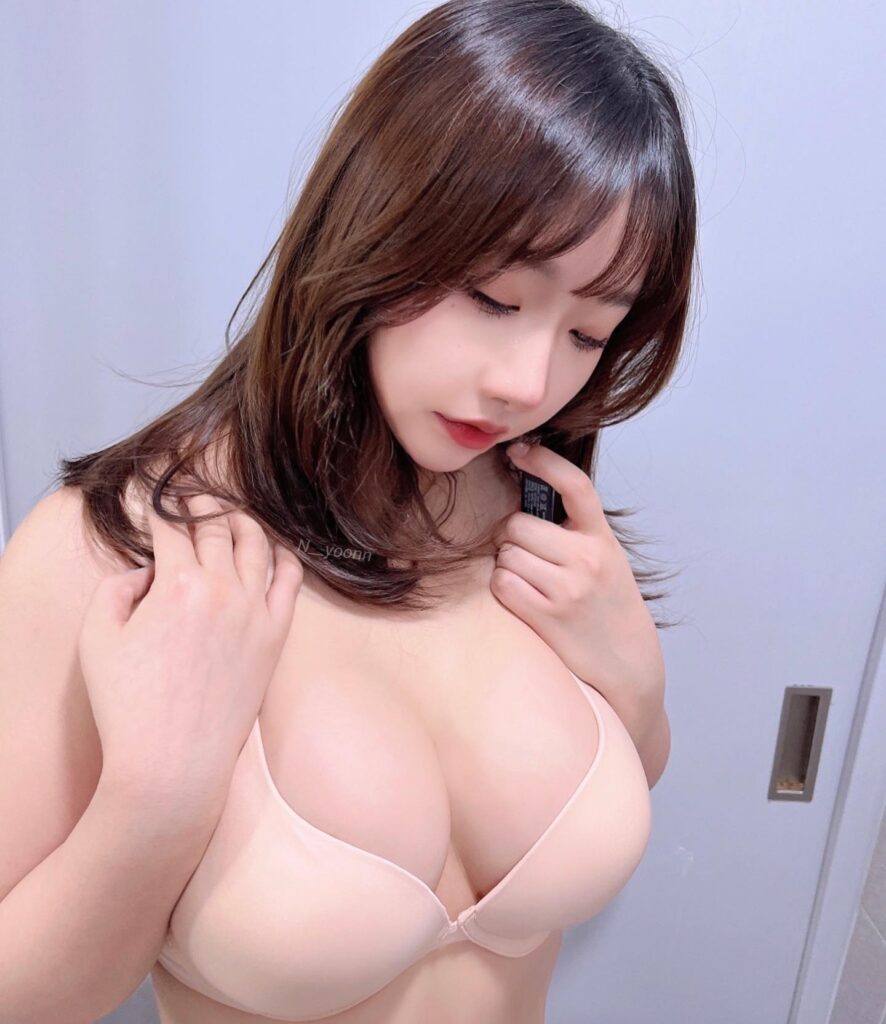
In recent years, breast fat grafting has surged in popularity, aligning with the trend toward more natural beauty aesthetics. Simultaneously, implant technology has continuously improved, offering safer and more natural-looking results. As both methods advance, patients now have a wider range of options to match their unique body types and aesthetic goals.
Expanded Options in Modern Breast Enhancement
Modern breast enhancement goes beyond simply “increasing size.” Today’s approach focuses on creating customized results that complement an individual’s body shape and aesthetic preferences. Understanding the advantages and limitations of both fat grafting and implants—and sometimes even combining these approaches—provides patients with unprecedented options for achieving their desired results.
Basic Principles of Breast Fat Grafting vs Implants
To understand the fundamental differences between these procedures, let’s examine how each works.
How Does Breast Fat Grafting Work?
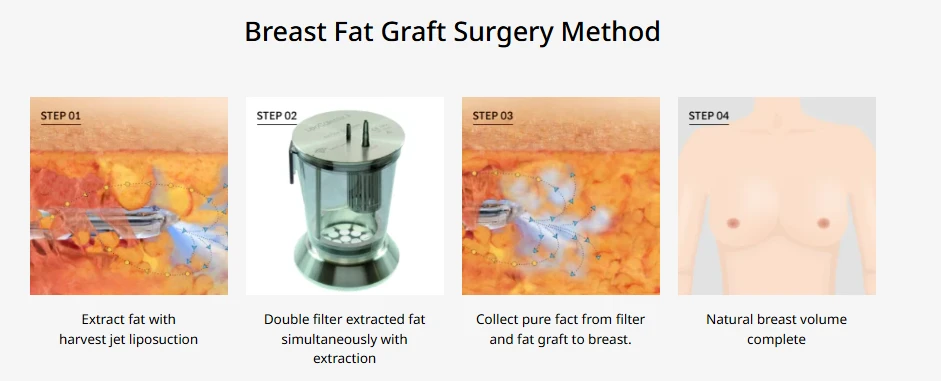
Breast fat grafting involves harvesting fat from your own body and injecting it into the breasts. The procedure typically involves three main stages:
The Fat Harvesting Process
The first step in fat grafting is harvesting fat from donor areas of the patient’s body. Fat is typically extracted from fat-rich areas such as the abdomen, thighs, or buttocks using specialized cannulas. This process is similar to liposuction but is performed at lower pressure to preserve fat cell viability.
The Fat Purification Process
The harvested fat isn’t used immediately but undergoes a purification process. During this stage, blood, fluids, and oils are removed, isolating only the healthy fat cells. Various advanced techniques are employed to maximize fat cell survival rates.
The Injection Process
The purified fat is carefully injected into the breast tissue using special syringes. Fat is injected in multiple layers and small amounts to ensure proper blood supply, which is crucial for improving fat graft survival rates.
How Does Breast Implant Surgery Work?
Breast implant surgery involves inserting artificial implants beneath breast tissue to increase size and improve shape.
Types of Implants
Two main types of implants are currently used:
- Silicone Gel Implants: Provide a more natural feel and are the most commonly used today.
- Saline Implants: Filled with sterile saltwater within a silicone shell, allowing for immediate detection if rupture occurs.
Implants also vary by shape (round or anatomical), size, and surface texture (smooth or textured).
Insertion Methods and Placement
Implants are typically placed in one of two positions:
- Submuscular (under the muscle): Positioning the implant beneath the chest muscle
- Subglandular (over the muscle): Placing the implant between the breast tissue and chest muscle
The choice of position depends on the patient’s body type, implant size, and daily activities.
Incision Methods
The main incision methods for implant insertion include:
- Periareolar: Along the lower border of the areola
- Inframammary: Along the breast crease
- Axillary: Within the armpit
Each incision method affects scar location and visibility, with selection based on patient preference and surgical planning.
Natural Results Comparison: Appearance and Feel
One of the most important factors when considering breast enhancement is how natural the results will look and feel.
Natural Results from Breast Fat Grafting
Breast fat grafting offers significant advantages in terms of natural-looking and feeling results. Since it uses your own fat:
- The feel is virtually indistinguishable from natural breast tissue when touched
- Movement appears natural and responds appropriately to gravity
- There’s minimal risk of the “ball look” (overly full upper breast) common with some implants
- Breast contours form more subtly and naturally
However, fat grafting does have limitations when substantial volume increase is desired. Generally, one procedure can increase cup size by approximately 1-1.5 cups. Multiple procedures may be necessary for greater enhancement.
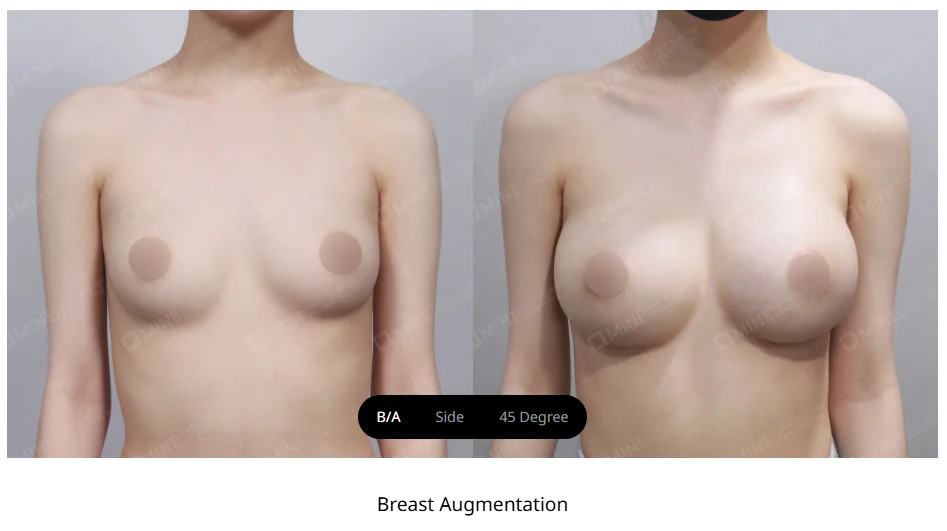
Appearance and Feel of Implants
Breast implants provide more pronounced volume and shape, but naturalness varies depending on several factors:
- Modern cohesive gel silicone implants offer a much more natural feel than previous generations
- Naturalness depends significantly on implant size, patient’s skin thickness, and amount of existing breast tissue
- Implants placed under the muscle tend to provide a more natural appearance
- Choosing overly large implants increases the risk of an artificial appearance
Generally, implants can be distinguished from natural breast tissue by touch, particularly in patients with thinner body types and minimal subcutaneous fat.
Differences When Clothed vs. Unclothed
The appearance both in and out of clothing is an important consideration:
- Fat grafting maintains a natural appearance both clothed and unclothed
- Implants, especially larger sizes, may appear more artificial, though selecting appropriate sizes can achieve a natural look when clothed
Procedure Process Comparison: What to Expect
The procedures for breast fat grafting and implant surgery differ significantly. Let’s examine the key differences.
Anesthesia Differences
There are some differences in anesthesia approaches:
Breast Fat Grafting:
- Anesthesia is required for both fat harvesting and injection
- Typically performed under twilight sedation or general anesthesia
- General anesthesia is always recommended for extensive procedures
Breast Implant Surgery:
- Almost always performed under general anesthesia
- In some limited cases, may be performed with a combination of twilight sedation and local anesthesia
Procedure Time Comparison
The time required for each procedure varies:
Breast Fat Grafting:
- Generally takes 2-4 hours, including fat harvesting, purification, and injection
- Duration varies depending on the amount and areas of fat harvested
Breast Implant Surgery:
- Typically takes 1-2 hours
- More complex cases or revision surgeries may take longer
Hospitalization and Recovery
Most breast enhancement procedures allow for same-day discharge, but there are some differences:
Breast Fat Grafting:
- Usually allows for same-day discharge
- Overnight hospitalization may be recommended for extensive liposuction cases
Breast Implant Surgery:
- Most patients can go home the same day
- Overnight hospitalization may be recommended in some cases, particularly with submuscular implant placement
Recovery Period and Pain: Which is More Comfortable?
The recovery process is one of the most important considerations for patients. The two procedures differ substantially in their recovery experiences.
How is the Recovery Process After Breast Fat Grafting?
The recovery process following breast fat grafting must be considered from two perspectives: the donor sites (where fat was harvested) and the recipient site (breasts).
Donor Site Recovery:
- Areas where liposuction was performed experience swelling, bruising, and discomfort
- Most patients need to wear compression garments for 4-6 weeks
- Significant pain typically lasts for 3-5 days
- Swelling may persist for 2-3 weeks, with complete recovery taking 3-6 months
Breast (Recipient Site) Recovery:
- The breast area experiences relatively less discomfort, with mild swelling and bruising
- Care must be taken to avoid pressure on the breasts for the first few days to support fat survival
- Light activities can usually be resumed after 1-2 weeks
- Strenuous activities like exercise can be resumed after 4-6 weeks
How Long is Recovery After Breast Implant Surgery?
The recovery process following breast implant surgery typically follows this timeline:
- Immediately after surgery, breasts feel swollen and firm, with pain and discomfort
- Most patients need to wear a special supportive bra for 4-6 weeks
- Significant pain typically persists for 3-7 days
- Most patients can return to daily activities after 1-2 weeks
- For submuscular implant placement, there may be restrictions on chest muscle movement initially
- Complete recovery and final results take 3-6 months
Pain Management and Return to Daily Activities
Comparing pain management and return to normal activities between the two procedures:
Pain Comparison:
- Breast Fat Grafting: Pain is primarily at donor sites, with relatively less pain in the breast area
- Breast Implant Surgery: May involve more intense pain initially, especially with submuscular placement, but without the donor site discomfort experienced with fat grafting
Return to Daily Activities:
- Breast Fat Grafting:
- Return to desk job: typically 7-10 days
- Light exercise: after 2-3 weeks
- Strenuous exercise: after 4-6 weeks
- Breast Implant Surgery:
- Return to desk job: typically 5-7 days
- Light exercise: after 2-3 weeks
- Strenuous exercise: after 6-8 weeks (especially for submuscular placement)
Individual experiences vary significantly, and exact recovery timelines depend on health status, procedure extent, and individual healing capacity.
Longevity and Maintenance: Long-term Considerations
Long-term results and maintenance are crucial considerations when choosing a breast enhancement method. Breast fat grafting and implants differ significantly in these aspects.
Survival Rate and Long-term Results of Fat Grafting
The long-term results of breast fat grafting depend largely on fat survival rates:
- Survival Rate: With modern fat grafting techniques, approximately 50-80% of transferred fat cells survive, while the remainder is absorbed by the body
- Initial Stabilization: Most fat absorption occurs during the first 3-6 months after the procedure, after which the surviving fat cells remain stable long-term
- Final Results: Successfully grafted fat is permanent and behaves like natural breast tissue
- Additional Procedures: If desired volume isn’t achieved, additional fat grafting can be performed after a minimum interval of 6 months
Long-term results of breast fat grafting are very stable, but there are some considerations:
- Grafted fat responds to weight changes just like natural fat
- Natural breast changes due to aging will occur
Implant Lifespan and Maintenance
Breast implant surgery has the following long-term characteristics:
- Implant Lifespan: Modern implants are highly durable but not permanent. Replacement may be necessary after 10-20 years
- Reasons for Replacement: Implant rupture, capsular contracture, position changes, or changes in aesthetic preferences may necessitate replacement
- Regular Check-ups: Periodic examinations (MRI or ultrasound) are recommended to monitor implant condition
- Stability: Results are immediately visible, with predictable size and shape that remains stable for years
Effects of Aging and Pregnancy
Aging and pregnancy have long-term impacts on breast enhancement results:
Breast Fat Grafting:
- Ages in the same manner as natural breast tissue
- Pregnancy and breastfeeding are possible, with changes occurring similar to natural breasts
- Breast sagging due to aging occurs in the same way as with natural breasts
Breast Implant Surgery:
- As aging progresses, natural breast tissue changes while implants remain static, potentially altering appearance over time
- Pregnancy and breastfeeding are generally possible, but periareolar incisions may potentially affect breastfeeding
- Implants don’t prevent breast sagging, and revisional surgery may be needed as time passes
Risks and Side Effects Comparison
All surgical procedures involve risks. Let’s compare the risks and side effects of breast fat grafting and implant surgery.
Risks and Side Effects of Breast Fat Grafting
General Risks:
- Includes common surgical risks like infection, bleeding, and longer-than-expected recovery
- Donor sites may develop irregularities, asymmetry, or pigmentation changes
Specific Risks:
- Fat Graft Failure: Some of the injected fat may not survive and could be reabsorbed
- Fat Necrosis: Injected fat may not receive adequate blood supply and could die
- Fat Calcification: Necrotic fat can calcify, forming hard lumps
- Asymmetry: Differences in fat survival rates between breasts may cause asymmetry
- Unpredictable Results: Individual variations in fat survival make precise outcome prediction challenging
Risks and Side Effects of Breast Implant Surgery
General Risks:
- Common surgical risks include infection, bleeding, and delayed wound healing
- Scarring, sensation changes, and asymmetry may occur
Specific Risks:
- Capsular Contracture: Formation of hard scar tissue around the implant, causing the breast to feel firm or changing its shape—one of the most common complications
- Implant Rupture: Rupture due to external impact or aging
- Implant Displacement: Movement from the original position over time
- Rippling: Formation of wrinkles along the implant that may be visible through the skin
- BIA-ALCL: A very rare type of lymphoma associated with certain textured implants
Suitability Analysis: Which Method is Right for You?
No single breast enhancement method is perfect for every patient. Selecting the approach that matches your body and conditions is essential.
What Decision Factors are Most Important?
Key factors to consider when choosing a breast enhancement method:
- Desired Size Increase: Fat grafting for modest gains, implants for significant volume
- Body Type Conditions: Fat availability, skin elasticity, current breast condition
- Importance of Natural Results: Consider fat grafting if naturalness is the top priority
- Recovery Process Preference: Extensive recovery (fat grafting) vs. concentrated recovery (implants)
- Long-term Plans: Revision surgery possibility, future pregnancy plans, aging-related changes
- Risk Tolerance: Personal acceptance of specific risks associated with each method
Decision Checklist: Is Fat Grafting or Implants Better for You?
Here’s a checklist to help determine whether breast fat grafting or implants might be more suitable for you. Answer these questions honestly:
Questions About Desired Results
- How much volume increase do you want?
- Less than 1 cup: Consider fat grafting
- 1-2 cups: Both methods possible, decide based on body type
- More than 2 cups: Consider implants or hybrid approach
- How important are natural feel and appearance to you?
- Very important: Consider fat grafting or hybrid approach
- Important but size is more important: Consider implants
- How important is result predictability to you?
- Very important: Consider implants
- Flexible mindset: Both methods possible
Questions About Body Type
- Do you have sufficient fat for harvesting?
- Yes: Fat grafting possible
- No: Consider implants
- How is your breast skin elasticity?
- Good elasticity: Both methods possible
- Sagging present: Consider implants or combine with breast lift
Questions About Lifestyle
- How active is your lifestyle?
- Very active (athletes, etc.): Consider fat grafting or small implants
- Moderate/low activity: Both methods possible
- Do you plan to become pregnant?
- Planning in near future: Fat grafting may have less impact on pregnancy and breastfeeding
- No plans or distant future: Both methods possible
Questions About Risks and Recovery
- What are your preferences regarding recovery time and process?
- Can tolerate mild pain in multiple areas: Consider fat grafting
- Prefer concentrated recovery in one area: Consider implants
- How do you feel about the possibility of revision surgery in 10-15 years?
- Prefer to avoid if possible: Consider fat grafting
- Acceptable: Consider implants
Questions About Cost
- What is your budget range?
- Considering initial cost only: Varies by individual situation
- Considering long-term costs: Fat grafting may be more economical long-term due to lower revision rates
If you find it difficult to decide after answering this checklist, consulting with a specialist for more personalized advice is recommended. Mineclinic offers free consultations to suggest the most suitable breast enhancement method for each individual.
Conclusion: Making Your Final Decision
Breast fat grafting and implant augmentation each have unique advantages and limitations. Your final decision should be based on your body type, aesthetic goals, lifestyle, and personal risk tolerance.
When Breast Fat Grafting is Appropriate
- When natural results are the highest priority
- When modest volume increase (1-1.5 cups) is desired
- When sufficient donor fat sites are available
- When there’s discomfort with the idea of artificial implants
- When body contouring of other areas via liposuction is also desired
When Breast Implants are Appropriate
- When significant volume increase (2+ cups) is desired
- For thin body types with insufficient fat for harvesting
- When predictable results are important
- When mild lifting effect is desired for slightly sagging breasts
- When correction of asymmetry is needed
Breast enhancement decisions should be made carefully and based on complete information. As emphasized by the American Society of Plastic Surgeons, thorough consultation with specialists and individualized planning are key to successful outcomes.
Mineclinic has expertise in breast fat grafting, implant augmentation, and hybrid approaches, offering recommendations tailored to individual conditions and goals. For accurate diagnosis and personalized treatment plans, consult with a specialist.
Was this information helpful as you weigh your breast enhancement options? If you have additional questions or need personalized consultation, please contact mineclinic today.
Remember: The right breast enhancement method is the one that aligns with your body type, aesthetic goals, and personal preferences. A board-certified plastic surgeon can help you make an informed decision based on your unique circumstances.