EN
EN

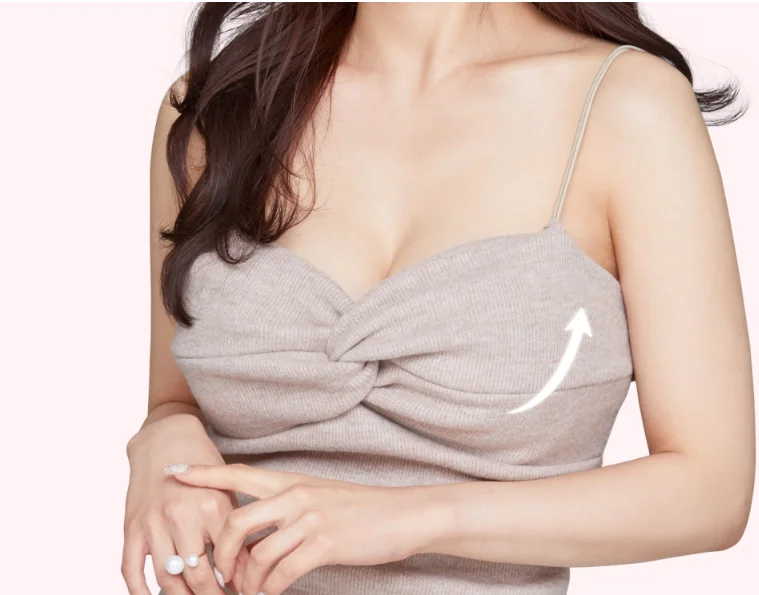
Looking for a natural way to enhance your breasts and correct sagging? Discover how breast lift with fat transfer can provide natural-looking results with dual benefits. Learn about the procedure, recovery, and expert tips for maximizing fat survival rates from mineclinic’s specialists.
Table of contents
What is a Breast Lift with Fat Transfer?
Breast lift with fat transfer is a specialized procedure that uses fat harvested from your own body to enhance breast volume while simultaneously improving sagging. Also known as “autologous fat transfer,” this technique has become increasingly popular among women seeking natural-looking breast enhancement without implants.
The primary advantage of breast lift with fat transfer is the natural feel and appearance it provides since it uses your own tissue rather than artificial implants. There’s no risk of rejection or foreign body sensation, and you gain the added benefit of body contouring in the areas where fat is harvested—essentially offering two cosmetic improvements in one procedure.
Mineclinic has earned high patient satisfaction rates through its precise breast lift with fat transfer techniques designed to deliver natural-looking results.
Breast Lift with Fat Transfer vs. Implant Breast Augmentation
What’s the Difference Between Fat Transfer and Implants for Breast Enhancement?
There are two primary approaches to improving breast sagging and volume loss: fat transfer and implant insertion. Both methods have their advantages and limitations, and the most suitable option varies depending on your individual condition and goals.
Benefits of Breast Lift with Fat Transfer:
- Natural feel and appearance
- No foreign body reaction
- Body contouring benefits in donor areas
- Minimal scarring
- No implant-related complications
Limitations of Breast Lift with Fat Transfer:
- Limited size increase potential
- Requires sufficient donor fat
- Some fat may be reabsorbed over time
- May require multiple sessions for desired results
Benefits of Implant Breast Augmentation:
- Significant size increase possible
- Predictable outcome
- Long-lasting results
- Completed in a single surgery
Limitations of Implant Breast Augmentation:
- Potential for foreign body sensation
- Risk of complications like capsular contracture
- Possible need for replacement over time
- More noticeable incisions and scarring
The specialists at Mineclinic offer comprehensive consultations to assess your body type, expectations, and lifestyle, recommending the most suitable approach for your unique needs. For a more detailed comparison of breast enhancement procedures, visit the mineclinic website.
How Does the Breast Lift with Fat Transfer Procedure Work?
The breast lift with fat transfer procedure consists of three main stages: fat harvesting, fat processing, and fat injection.
1. Fat Harvesting Phase
First, the surgeon identifies ideal donor sites with adequate fat deposits, typically including the abdomen, thighs, or buttocks. Using fine cannulas (thin tubes), fat is gently extracted to minimize damage to the fat cells. This micro-harvesting technique is crucial for preserving fat cell viability.
2. Fat Processing Phase
The harvested fat undergoes purification through centrifugation or filtration. This critical step removes blood, debris, and oils, isolating only the healthy, viable fat cells. The purification process significantly impacts fat survival rates and is performed with meticulous precision.
3. Fat Injection Phase
The purified fat is carefully injected into different layers of the breast tissue using specially designed cannulas. The fat is distributed in fine, microdroplet patterns across multiple layers to encourage blood vessel formation and improve survival rates.
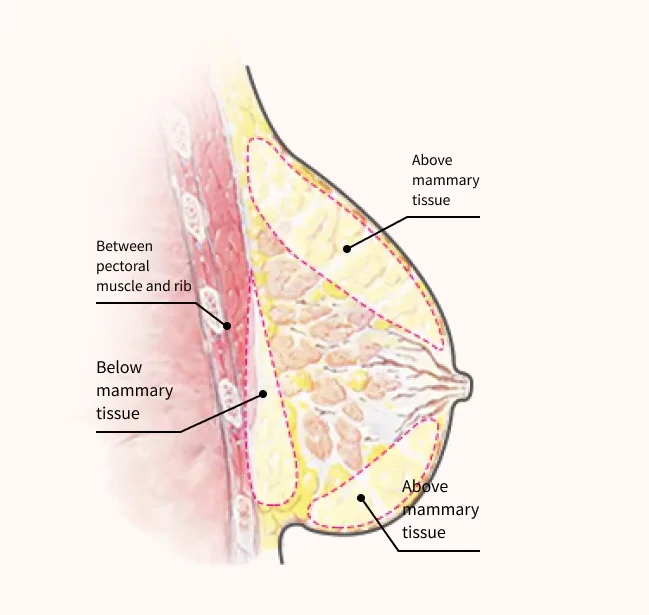
Mineclinic creates customized fat transfer plans tailored to each patient’s breast anatomy and goals. Using advanced 3D simulation technology, patients can preview their potential results before the procedure, enhancing understanding and satisfaction. For more detailed information about the fat transfer process, visit mineclinic’s website.
Who is an Ideal Candidate for Breast Lift with Fat Transfer?
Breast lift with fat transfer isn’t suitable for everyone. You may be an excellent candidate if you:
- Have sufficient donor fat: Successful fat transfer requires adequate fat reserves in areas like the abdomen, thighs, or flanks.
- Desire natural-looking results: If you prioritize a natural feel and appearance without artificial materials, fat transfer may be ideal.
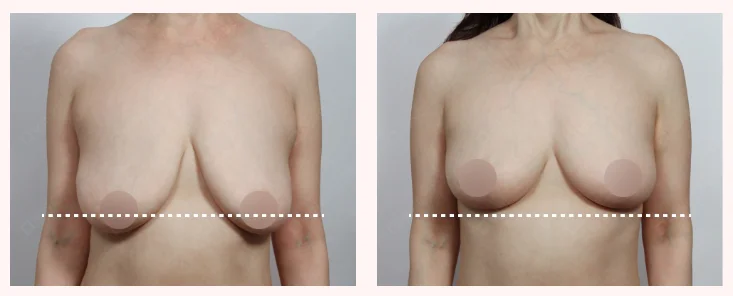
- Have mild to moderate sagging: This procedure works best for correcting mild to moderate breast sagging and volume deficiency.
- Prefer avoiding implants: If you’re concerned about placing artificial materials in the body, fat transfer offers an alternative.
- Want minimal scarring: The procedure leaves very small, nearly invisible scars.
- Seek additional body contouring: Fat transfer provides the added benefit of improving contours in donor areas.
Conversely, you might want to consider other options if:
- You desire dramatic size increases or have severe sagging
- You have a low BMI with insufficient donor fat
- You have diabetes, circulatory issues, or other health conditions that might affect fat survival
Mineclinic offers complimentary consultations to accurately assess your condition and recommend the most appropriate procedure for your needs. Schedule your consultation with mineclinic specialists to discuss your options.
What is the Recovery Process After a Breast Lift with Fat Transfer?
How Does Recovery Progress After Surgery?
Though breast lift with fat transfer typically involves a quicker recovery than traditional breast surgeries, you should still allow adequate time for complete healing and final results. The typical recovery timeline includes:
Days 1-3:
- Expect swelling and bruising in both the breast area and fat donor sites
- Mild to moderate discomfort can be managed with prescribed pain medication
- Compression garments will be necessary
Week 1:
- Swelling gradually begins to decrease
- Light daily activities can be resumed
- Continued compression garment wear is required
Weeks 2-3:
- Most bruising subsides
- Return to work is possible
- Light activities are permitted, but strenuous exercise should be avoided
Months 1-2:
- Most swelling resolves
- Fat cells begin to stabilize
- Breast shape starts to appear more natural
Months 3-6:
- Fat survival is complete, allowing assessment of final results
- Normal physical activities and exercise can be resumed
Recovery times vary between individuals. Mineclinic provides regular follow-up appointments and consultations to carefully monitor your healing process. For more detailed recovery information, explore mineclinic’s aftercare guidelines.
How Can You Maximize Fat Survival Rate?
What Are the Secrets to Optimizing Fat Transfer Results?
The success of breast lift with fat transfer heavily depends on fat survival rates. Typically, 50-70% of transferred fat cells survive, though this percentage can be influenced by various factors.
Pre-Surgery Preparation for Enhanced Survival:
- Quit smoking at least two weeks before surgery
- Maintain proper hydration
- Discontinue medications that affect blood circulation (with physician guidance)
- Follow a balanced diet to maintain healthy fat cells
Advanced Surgical Techniques for Improved Survival: Mineclinic employs cutting-edge techniques to maximize fat survival rates:
- Low-pressure harvesting techniques to minimize fat cell damage
- Precision fat purification systems
- Micro-structural fat transfer methods
- Multi-layer dispersion injection techniques
- PRP (Platelet-Rich Plasma) combination therapy
Post-Surgery Care for Optimal Results:
- Follow compression garment guidelines
- Avoid direct pressure on treated areas
- Prevent dramatic weight fluctuations
- Maintain light activity to promote circulation
- Stay well-hydrated and follow a healthy diet
Mineclinic develops personalized surgical plans and attentive post-operative care to achieve optimal fat survival rates. Learn more about specialized fat transfer techniques on the mineclinic website.
How Long Do Breast Lift with Fat Transfer Results Last?
Breast lift with fat transfer results can be long-lasting, though several factors influence their longevity.
Once the fat cells successfully establish a blood supply in their new location, they behave like natural breast tissue. These transplanted fat cells become integrated as a permanent part of your body, similar to the fat in other areas.

Factors Affecting Result Longevity:
- Lifestyle: Dramatic weight changes, smoking, and excessive alcohol consumption can negatively impact results.
- Age and Hormonal Changes: Aging and hormonal shifts, such as menopause, can affect breast tissue.
- Metabolic Rate: Individuals with faster metabolism might experience faster fat loss.
- Fat Integration Process: Some fat naturally reabsorbs during the initial 3-6 months post-procedure.
Generally, transplanted fat stabilizes after 6 months and maintains long-term results. However, natural aging continues, possibly necessitating additional procedures over time.
According to research by the American Society of Plastic Surgeons, proper fat transfer procedures and aftercare can maintain results for 5-10+ years.
Mineclinic provides regular follow-up consultations and personalized maintenance recommendations for long-lasting results. Discover more about long-term fat transfer outcomes on the mineclinic website.
Post-Procedure Care Guidelines
Proper post-operative care is essential for optimal results and maintenance after breast lift with fat transfer. Here are key care guidelines:
1. Compression Garment Use
- Wear special compression bras as directed by your surgeon
- Use compression garments on donor sites as well
- Typically recommended for 4-6 weeks
2. Sleep Position
- Sleep on your back for 2-3 weeks post-surgery
- Avoid side or stomach sleeping
- Use supportive pillows if needed
3. Physical Activity
- Limit exercise to gentle walking for the first 1-2 weeks
- Begin lower-body focused light exercise after 3-4 weeks
- Resume normal exercise after 6 weeks with physician approval
4. Dietary Management
- Consume adequate protein to support tissue recovery
- Include antioxidant-rich foods (fruits, vegetables) to reduce inflammation
- Maintain proper hydration
- Limit sodium intake to reduce swelling
5. Lifestyle Habits
- Smoking cessation is essential for at least one month
- Limit alcohol consumption
- Avoid dramatic weight fluctuations
- Protect incision sites from sun exposure and follow scar care instructions
6. Regular Check-ups
- Attend all scheduled follow-up appointments
- Contact your surgeon immediately if unusual symptoms develop
Mineclinic provides personalized aftercare instructions tailored to each patient’s needs and offers attentive care throughout the recovery process. For more detailed aftercare guidance, visit the mineclinic aftercare guide.
Frequently Asked Questions
How Long Does the Breast Lift with Fat Transfer Procedure Take?
A breast lift with fat transfer typically takes 2-3 hours, depending on the amount of fat harvested, volume transferred, and extent of the procedure. The surgery is usually performed under general anesthesia or twilight sedation, and most patients can return home the same day.
What Level of Pain Can I Expect After Breast Lift with Fat Transfer?
Immediately after surgery, you may experience moderate discomfort in both the breast area and fat donor sites, but this can be effectively managed with prescribed pain medication. Most patients report significant pain reduction within 3-5 days post-procedure. Discomfort at donor sites sometimes persists longer than breast discomfort.
Can I Achieve My Desired Volume With One Procedure?
This depends on your individual condition and goals. Generally, you can expect approximately one cup size increase with a single procedure. If you desire more significant enhancement, additional procedures may be necessary at 6-month intervals. Discussing your size goals with your surgeon during pre-operative consultation is essential to establish realistic expectations.
Will Fat Transfer Affect Breast Screening (Mammography, Ultrasound)?
Modern fat transfer techniques have minimal impact on breast screening. However, it’s important to inform your physician or radiologist about your fat transfer procedure when scheduling breast examinations. Mineclinic encourages regular breast health screening and provides medical records when necessary.
Can Breast Lift with Fat Transfer Address All Types of Breast Sagging?
Breast lift with fat transfer effectively addresses mild to moderate sagging and volume deficiency, but may not provide sufficient correction for severe sagging or significant skin laxity. In such cases, combining with a mastopexy (traditional breast lift) or considering alternative procedures might be recommended. For accurate assessment, a professional consultation at mineclinic is recommended.
Conclusion
Breast lift with fat transfer offers an effective solution for those seeking natural breast enhancement with improved shape and volume. By utilizing your own fat cells, this procedure provides natural-looking results without the foreign body sensation of implants, while simultaneously improving body contours in donor areas.
Successful outcomes depend on accurate diagnosis and personalized treatment planning. Mineclinic combines extensive experience with advanced techniques to deliver natural, beautiful results that meet patients’ expectations.
For personalized consultation based on your unique condition and goals, contact mineclinic at their website mineclinic.com. Schedule a consultation with specialists to find the most suitable breast enhancement approach for you.