EN
EN


Are you concerned about sagging breasts? This comprehensive guide by board-certified plastic surgeons covers everything from the causes of breast ptosis to the latest breast lift surgery techniques, recovery process, and post-surgery care to help you regain your confidence.
Breast lift surgery (mastopexy) is an operation that removes excess skin and repositions the nipple-areola complex to restore a higher, firmer breast contour, without necessarily changing breast size. Which technique suits you depends almost entirely on one measurement: how far the nipple has descended relative to the crease under the breast. That measurement is the Regnault ptosis grade, and it is the reason two women with similar-looking breasts can be advised toward completely different types of breast lifts.
This guide works through the three ptosis grades, the incision that matches each one, what the scars genuinely look like at 3, 6 and 18 months, a week-by-week mastopexy recovery timeline, and how breast lift surgery is planned at MINE Plastic Surgery in Seoul, Korea. Where a claim comes from the surgical literature, we say so.
Table of contents
Why Do Breasts Sag?
Breast ptosis (sagging breasts) is a natural phenomenon experienced by many women. As we age, skin elasticity decreases and gravity takes its toll, causing the breasts to droop. This condition occurs due to various factors including pregnancy, breastfeeding, weight fluctuations, and genetic factors.
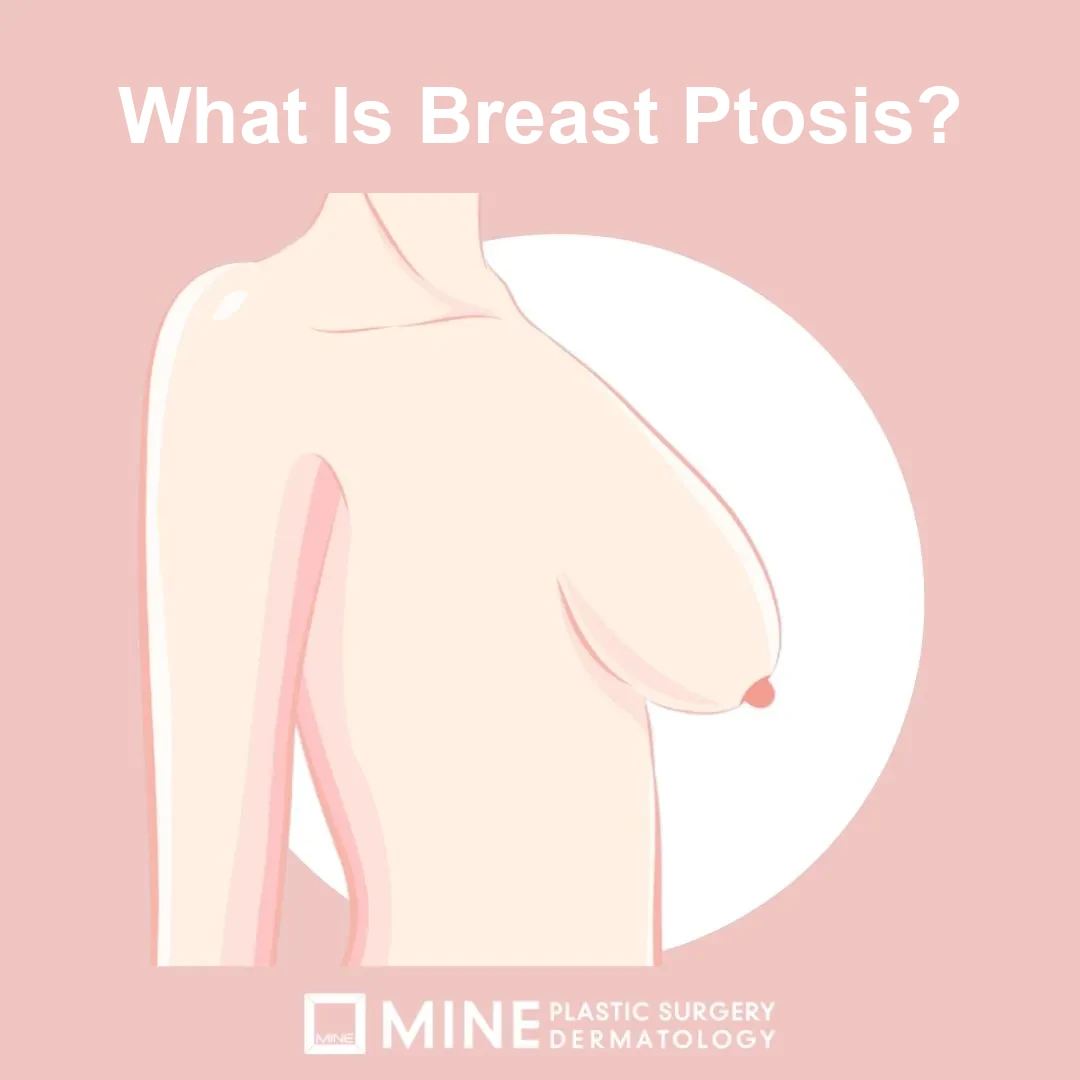
Breast sagging goes beyond a cosmetic concern—it can impact self-esteem and daily life. Many women find themselves limiting clothing choices or becoming less confident in social situations due to breast ptosis.
It also helps to know that sagging is not a defect you caused. Plastic surgery textbooks describe some degree of breast ptosis as an inevitable part of aging: the skin envelope stretches, and anything that first fills it and then empties it, such as pregnancy or significant weight loss, accelerates the process. For an independent overview from outside our clinic, the American Society of Plastic Surgeons keeps a patient guide to breast lift surgery.
How to Measure the Degree of Breast Ptosis
Breast ptosis is graded by severity, and that grade is what determines which breast lift surgery technique is appropriate:
- Grade 1 (Mild): The nipple is positioned at the level of the inframammary fold (the crease beneath the breast)
- Grade 2 (Moderate): The nipple falls below the inframammary fold but remains above the lower breast contour
- Grade 3 (Severe): The nipple points downward and sits well below the inframammary fold, at the lowest part of the breast
For a first self-assessment before you ever book a breast lift surgery consultation, stand in front of a mirror and observe the position of your nipples. If your nipples and breast tissue have descended below the breast crease, you might be a candidate for breast lift surgery.
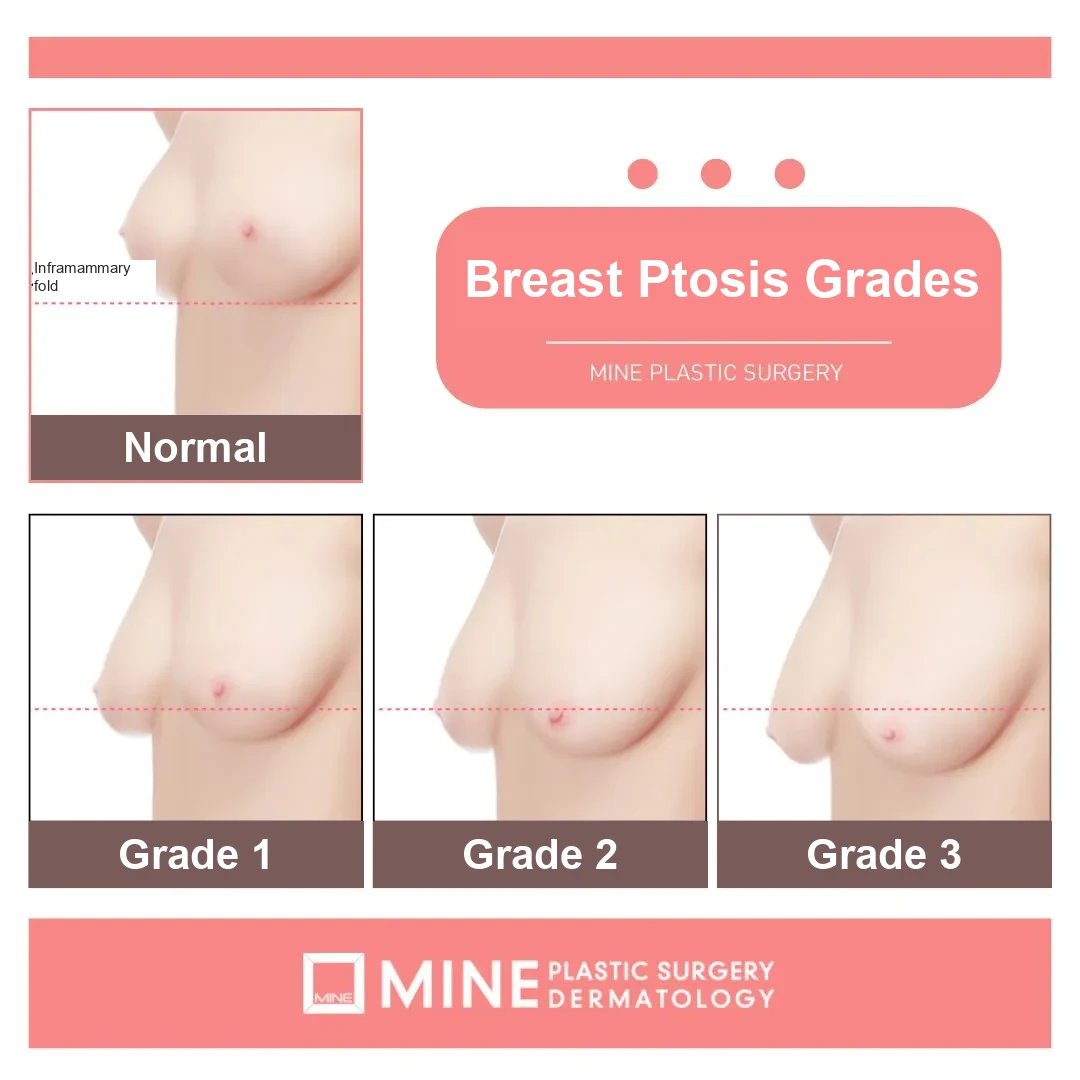
Where this grading comes from: the scale above is the Regnault classification, published by Paul Regnault in Clinics in Plastic Surgery in 1976, and it remains the reference standard in plastic surgery textbooks. It grades ptosis purely by where the nipple sits relative to the inframammary fold, which is why it travels so well between surgeons.
And where it stops being reliable: textbooks are candid about the limits of the Regnault grade: applying it still takes surgeon judgment and is, in their words, far from objective. Skin quality, breast volume and the length of the lower pole can push two women with the same nominal grade toward different operations. This is why a mirror check is a starting point and not a diagnosis. At MINE Plastic Surgery, Dr. Lee Sung-wook, a board-certified plastic surgeon, combines the Regnault grade with measured skin quality and tissue volume before recommending a technique. Implant-related problems such as capsular contracture are assessed in the same session when an implant is already in place.
What Are the Available Methods for Breast Lift Surgery?
There are three broad types of breast lifts, and they differ less in what they achieve than in how much skin they can remove and what they cost you in scar length. Breast lift surgery (mastopexy) techniques are chosen to match your degree of sagging and your aesthetic goals, not the other way around. Below are the characteristics and trade-offs of each method.
1. Mastopexy (Breast Lift)
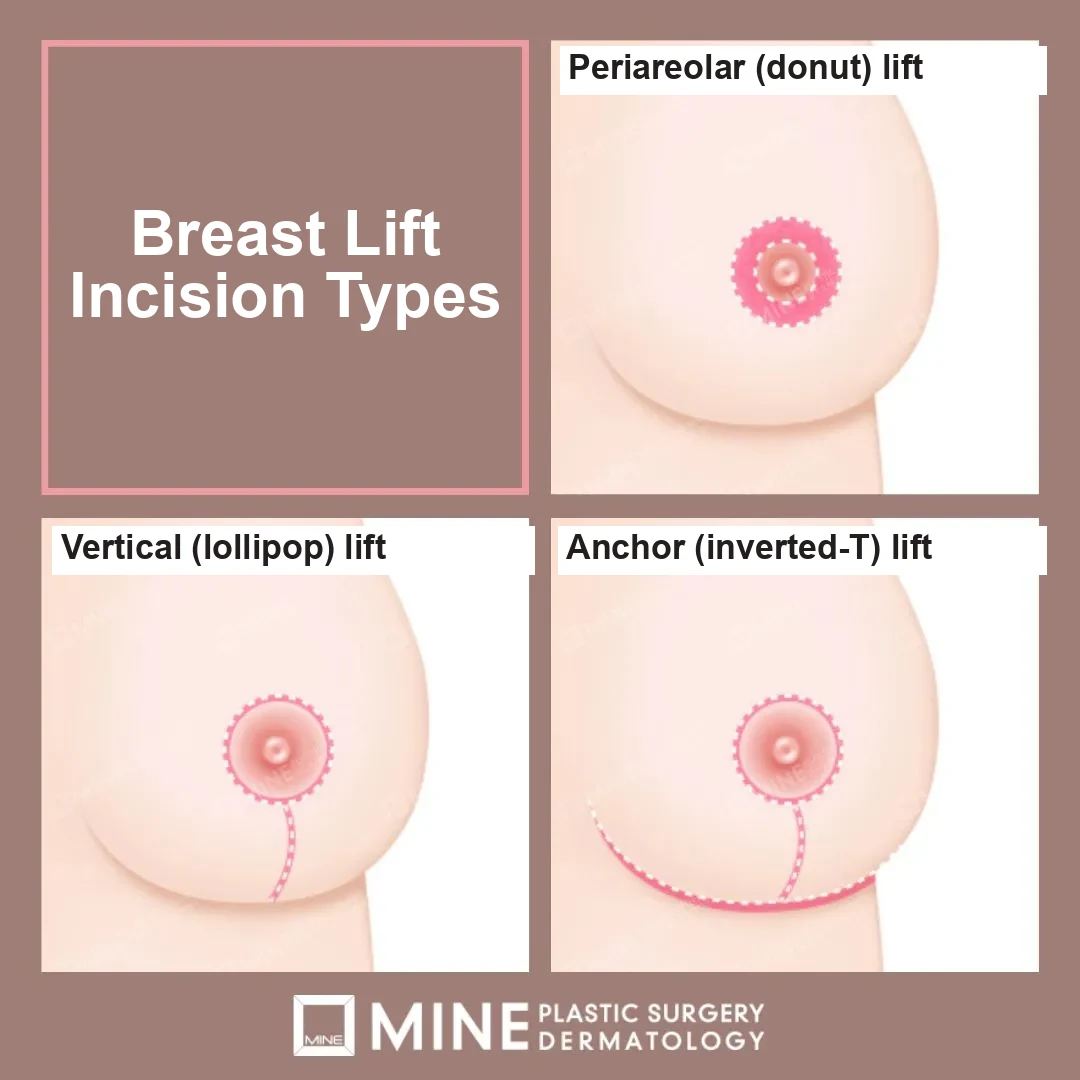
Mastopexy is the standard procedure for correcting sagging breasts by lifting and reshaping the breast tissue to create a more youthful and firm breast contour. The incision pattern varies based on the extent of correction needed:
- Periareolar (Donut) Incision: Made around the areola only, this technique leaves minimal scarring but provides limited correction for mild ptosis cases.
- Vertical (Lollipop) Incision: Combines a periareolar incision with a vertical incision from the areola to the breast crease, effective for moderate ptosis.
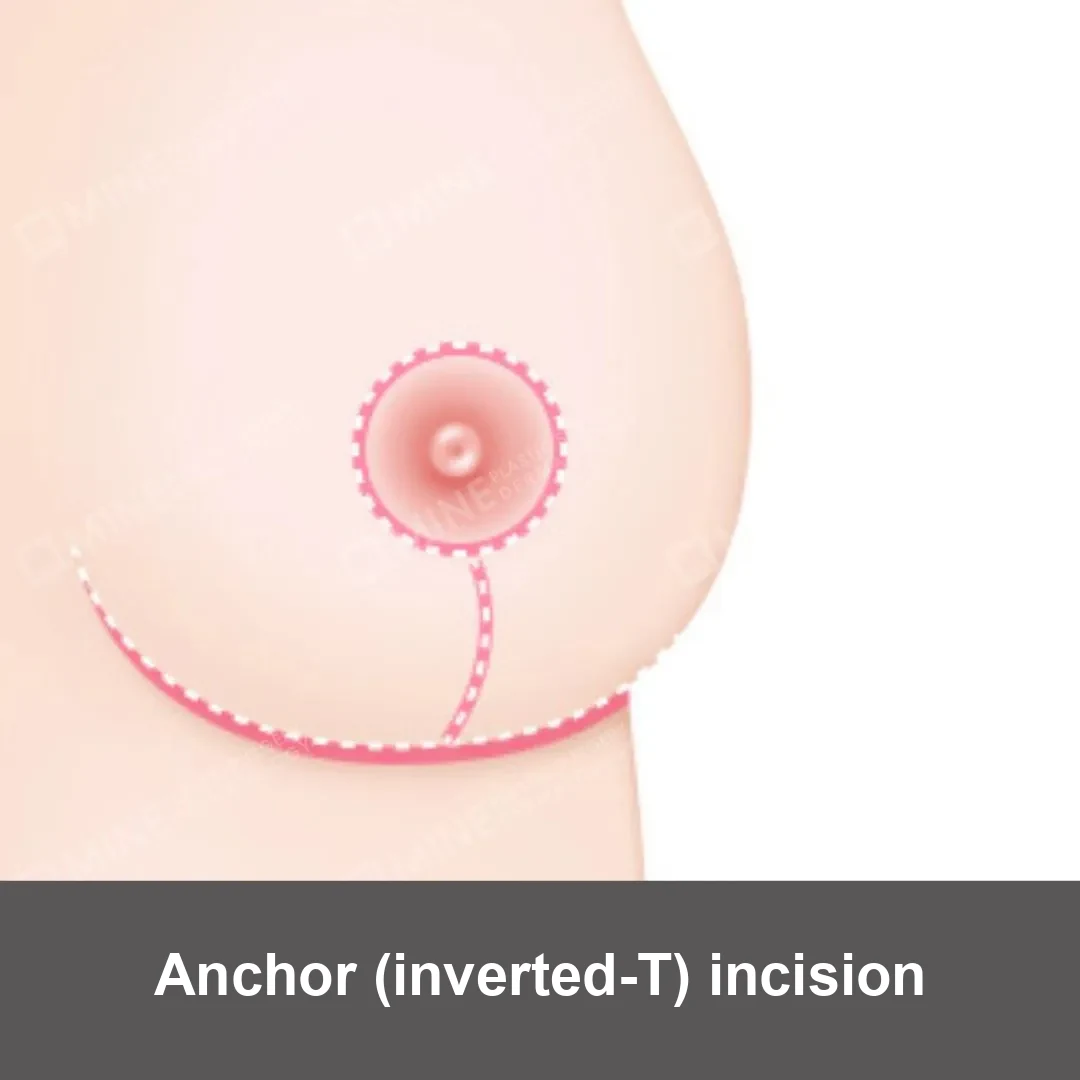
- Inverted-T (Anchor) Incision: The most extensive incision pattern, including periareolar, vertical, and horizontal incisions along the breast crease, ideal for severe ptosis.
2. Combined Breast Lift with Augmentation
If your concerns include both sagging and lack of volume, combining a breast lift with breast augmentation might be the optimal solution. This approach improves both breast position and increases volume simultaneously.
Combining the two is technically demanding rather than simply additive, and it is worth understanding why. An implant adds weight and tension to a skin envelope the surgeon has just tightened, and blood flow to the nipple-areola complex is what limits how much can safely be done in a single sitting. Textbooks on augmentation mastopexy warn that if the implant is too large, or the tension on the skin edges too high, the tissue supplying the nipple can be compromised.
There is even a working threshold in the surgical literature: where the vertical excess of skin to be removed exceeds roughly 8 to 10 cm, surgeons are advised to consider staging the lift and the augmentation as two separate operations rather than forcing them into one. If you are weighing a combined procedure as part of Korean plastic surgery planning, ask your surgeon directly which side of that threshold you fall on. It is a safety judgment, not a scheduling preference.
3. Fat Transfer Breast Lift
If you are specifically looking for a breast lift without implants, autologous fat transfer is the option to ask about. Fat is taken from areas such as the abdomen or thighs and injected into the breast, which restores a little upper-pole fullness with no foreign material and a natural feel. Set expectations carefully, though: fat grafting adds volume and softens the contour, but it does not remove skin. On its own it will not lift a Grade 2 or Grade 3 breast, because the excess skin that caused the descent is still there.
Customized Surgical Methods Based on Breast Ptosis Severity
The severity of breast ptosis is what decides which breast lift surgery approach suits you. Selecting the appropriate technique based on your specific condition is essential for achieving satisfactory outcomes.
Grade 1 (Mild) Breast Ptosis: Suitable Surgical Methods
Grade 1 ptosis occurs when the nipple is at the level of the inframammary fold. For this mild condition, recommended surgical approaches include:
- Periareolar (Donut) Incision: This technique creates a circular incision around the areola, minimizing visible scarring. It lifts the nipple-areola complex and restructures surrounding tissue.
- Minimal Fat Transfer: If volume is also lacking, minor fat grafting can enhance upper pole fullness.
Why It’s Suitable:
- Scarring is confined to the areolar border, making it virtually unnoticeable
- Recovery period is shorter with less post-operative pain
- Minimal tissue manipulation results in lower risk of sensation changes
- Less invasive approach is sufficient for minor sagging
Grade 2 (Moderate) Breast Ptosis: Suitable Surgical Methods
Grade 2 ptosis describes breasts where the nipple has fallen below the inframammary fold. For this moderate condition, recommended approaches include:
- Vertical (Lollipop) Incision: This technique combines a periareolar incision with a vertical line from the nipple to the breast crease, allowing for greater tissue removal and reshaping.
- Combined Augmentation: When volume deficiency is present, this approach can simultaneously correct positioning and increase volume.
Why It’s Suitable:
- Provides sufficient access for adequate tissue restructuring that donut incisions alone cannot achieve
- The resulting scar is primarily vertical and less visible in everyday situations
- Offers improved upper pole fullness while correcting positioning
- Provides a good balance between correction capability and scar minimization
Grade 3 (Severe) Breast Ptosis: Suitable Surgical Methods
Grade 3 ptosis represents the most severe sagging, where the nipple points downward and sits well below the inframammary fold. For this condition, recommended approaches include:
- Inverted-T (Anchor) Incision: This comprehensive technique includes incisions around the areola, vertically from the nipple to the breast crease, and horizontally along the breast crease, allowing for maximum tissue restructuring.
- Combined Reduction Approach: For larger breasts, combining lift with reduction can reduce the weight burden and create a more youthful shape.
- Tissue Reinforcement: In cases with significant tissue laxity, synthetic mesh or acellular dermal matrix may be used for additional support.
Why It’s Suitable:
- Extensive access is necessary for significant repositioning of the nipple-areola complex
- Allows for removal of excess skin that other techniques cannot adequately address
- Dramatic improvement in breast shape and position is achievable
- Despite more extensive scarring, the dramatic improvement typically outweighs scar concerns
Differences in Results and Recovery Based on Severity
Recovery timelines and outcomes after breast lift surgery vary according to the extent of the procedure:
- Grade 1 Ptosis Surgery: Recovery is relatively quick (approximately 1-2 weeks), with minimal scarring and natural-looking results.
- Grade 2 Ptosis Surgery: Moderate recovery period (about 2-3 weeks) is needed, with more noticeable improvement in breast shape.
- Grade 3 Ptosis Surgery: Longer recovery period (about 3-4 weeks or more) is required, with more attention needed for scar management, but dramatic transformation can be expected.
Post-Surgery Scar Management and Progression
One of the primary concerns many patients have following breast lift surgery is scarring. While the incision pattern varies depending on the technique used, every breast lift leaves some scarring that gradually fades over time.
Stages of Scar Evolution After Breast Lift
Scar healing is an individual process, but it generally follows these stages:
1. Initial Stage (1-3 weeks post-surgery)
- Scars appear red, raised, and may be swollen
- Sutures are removed but redness persists
- Mild pain or itching may be present
2. Early Maturation Stage (1-3 months post-surgery)
- Redness gradually transitions to pink
- Scars may thicken and harden (hypertrophic scarring)
- Itching may intensify but should not be scratched
3. Mid-Maturation Stage (3-6 months post-surgery)
- Pink color fades to a lighter shade
- Scar thickness begins to decrease
- Itching gradually diminishes
4. Final Maturation Stage (6-18 months post-surgery)
- Scars approach skin tone or appear slightly lighter
- Thickness minimizes and texture softens
- Most discomfort subsides completely
Effective Scar Management Techniques
Here are evidence-based methods to minimize scarring after a breast lift and support healing:
1. Silicone Products (the strongest evidence base)
Of everything sold for scars, silicone gel sheeting has the most research behind it. A 2006 Cochrane review judged the evidence weak at the time, but multiple randomized controlled trials have since confirmed its value: sheeting speeds up the maturation of raised (hypertrophic) scars and reduces the pain, stiffness and itching that go with them. How it works is still debated, but the leading explanation is that covering the scar keeps it hydrated, which dampens the inflammatory signaling that drives excess collagen production.
- Silicone Sheets: Applied directly to the healed incision site, available for use about two weeks post-surgery
- Silicone Gel: More convenient than sheets and effective on curved areas
- Most effective when used consistently for 12-24 hours daily
2. Compression Therapy
- Special compression garments or tape provide appropriate pressure to incision sites
- Helps inhibit excessive collagen production and maintains flat scar formation
3. Sun Protection
- Protect scars from sun exposure for at least one year
- Use SPF 30+ sunscreen on healed incisions
- Avoid direct sun exposure on healing incisions
4. Massage Therapy
- Begin only after physician approval (typically 3-4 weeks post-surgery)
- Gentle circular massage promotes blood circulation
- A bland, unscented moisturizer is enough to let your fingers glide. Silicone-containing oils and creams have shown mixed results in trials, unlike sheeting, so they are not a substitute for it
5. Professional Treatment Options
- Laser therapy: Effective for reddened or thickened scars
- Steroid injections: Used for keloids or hypertrophic scars
- Microneedling: Promotes collagen production and improves scar tissue
Important Precautions for Scar Management
- Avoid excessive stretching or exercise before incisions fully heal
- Smoking impedes wound healing—cessation is strongly recommended
- Maintain adequate hydration and nutrition (especially vitamin C and zinc)
How Does Recovery Progress After Breast Lift Surgery?
Recovery after breast lift surgery varies from patient to patient, but knowing the general mastopexy recovery timeline helps you plan time off and set realistic expectations.

Immediate Post-Surgery to 1 Week
The first week after breast lift surgery is about controlling swelling and protecting the suture lines, not about testing what you can do.
- Pain and Swelling: Moderate pain and swelling occur for 2-3 days after surgery.
- Compression Bra: Worn 24 hours daily to reduce swelling and maintain the new breast shape.
- Activity Restriction: Avoid strenuous movements and lifting heavy objects.
1-4 Weeks
By the second week most patients are back at a desk job, but the tissue is still remodeling underneath.
- Daily Activities: Light daily activities can usually resume after about 1 week.
- Exercise Restriction: Avoid exercise other than gentle walking for 4 weeks.
- Compression Bra: Continue wearing as directed to support healing.
1-3 Months
This is the point at which the result you were shown in your consultation actually starts to appear.
- Swelling Reduction: Most swelling subsides and final results gradually emerge.
- Scar Management: Begin active scar management using silicone sheets or ointments.
- Exercise Resumption: Gradually reintroduce exercise after consulting with your surgeon.
Step-by-Step Exercise Guide After Breast Lift Surgery
Timing your return to exercise after breast lift surgery protects both your healing and the result itself. While individual recommendations may vary based on surgical approach and personal condition, always prioritize your surgeon’s specific guidelines.

Immediately After Surgery to 2 Weeks
Permitted Activities:
- Frequent Walking: Begin with short, slow walks the day after surgery (5-10 minutes each)
- Light Lower Body Stretching: Limited to legs and lower body
- Deep Breathing Exercises: Practice to maintain lung function
Prohibited Activities:
- Any movements raising arms above shoulder level
- All chest and upper body exercises
- Running, jumping, or high-impact activities
- Lifting anything over 2kg (4.4lbs)
2-4 Weeks
Permitted Activities:
- Light, Paced Walking: Gradually increase duration and intensity (20-30 minutes daily)
- Lower Body-Focused Exercises: Seated leg raises, ankle lifts
- Light Daily Activities: Shopping, cooking (while respecting reach limitations)
Prohibited Activities:
- Movements raising arms above shoulder height
- Chest exercises, push-ups
- Lifting over 5kg (11lbs)
- Activities causing elevated heart rate
4-6 Weeks
Permitted Activities:
- Low-Impact Cardio: Elliptical machine (minimal arm movement), stationary bike
- Light Lower Body Strength Training: Leg press, leg curls (light weight)
- Forearm Exercises: Wrist curls, grip strengthening
Prohibited Activities:
- Jogging, running, high-impact activities
- Chest and upper body strength training
- Lifting over 10kg (22lbs)
6-8 Weeks
Permitted Activities:
- Moderate Cardio: Brisk walking, swimming (with gentle, low-impact strokes)
- Begin Arm Exercises: Start with light weights, keeping them close to your body
- Core Exercises: Gentle abdominal strengthening
Prohibited Activities:
- Jump rope, box jumps, high-intensity interval training
- Direct chest muscle loading exercises
- Pull-ups, push-ups, body-weight upper body exercises
8-12 Weeks
Permitted Activities:
- Most Cardio Exercises: Jogging, aerobics, Zumba (with modified intensity)
- Light Upper Body Strength Training: Shoulders, back, arms (begin with light weights)
- Flexibility Exercises: Yoga, Pilates (with limited chest stretching)
Restricted Activities:
- Very heavy weight training
- High-intensity chest exercises
- Contact sports, martial arts
After 3 Months
Permitted Activities:
- Most Normal Exercise Routines: Return to regular exercise after final surgeon approval
- Chest Exercise Resumption: Begin with light chest exercises, gradually increasing intensity
- Sports Activities: Golf, tennis, and other varied sports activities
Precautions:
- Stop immediately if experiencing discomfort or pain
- Increase exercise intensity and frequency gradually
- Wear supportive sports bras
- Perform thorough pre and post-exercise stretching
General Post-Surgery Exercise Guidelines
Five principles apply at every stage of recovery, whichever incision you had.
- Listen to Your Body: Stop immediately if pain, swelling, or discomfort increases
- Gradual Progression: Slowly increase intensity, duration, and frequency
- Proper Support: Wear post-surgical sports bras as recommended
- Hydration: Maintain adequate fluid intake to promote healing
- Physician Consultation: Consult your surgeon before starting any new exercise
Are There Risks with Breast Lift Surgery?
Like all surgical procedures, breast lift surgery carries certain risks. Understanding these potential complications is essential before you consent to breast lift surgery.
Common Risks and Complications
- Infection: While rare with proper antibiotic protocols and wound care, infections can occur after any surgery.
- Bleeding: May occur during or after surgery, requiring prompt attention.
- Asymmetry: Perfect symmetry is challenging to achieve, but an experienced surgeon will minimize noticeable differences.
- Sensation Changes: Nipple or breast skin sensation may temporarily or permanently change.
- Scarring: While scars fade over time, they never completely disappear.
Two points from the surgical literature are worth spelling out in advance, because they are routinely under-explained. First, some degree of asymmetry after mastopexy is expected rather than exceptional: areola size, position and shape vary slightly, the two breasts often start from different volumes and base widths, and they settle at slightly different rates afterwards. Textbooks state plainly that patients undergoing mastopexy need to understand this in advance. Noticeable differences can often be corrected later under local anesthesia.
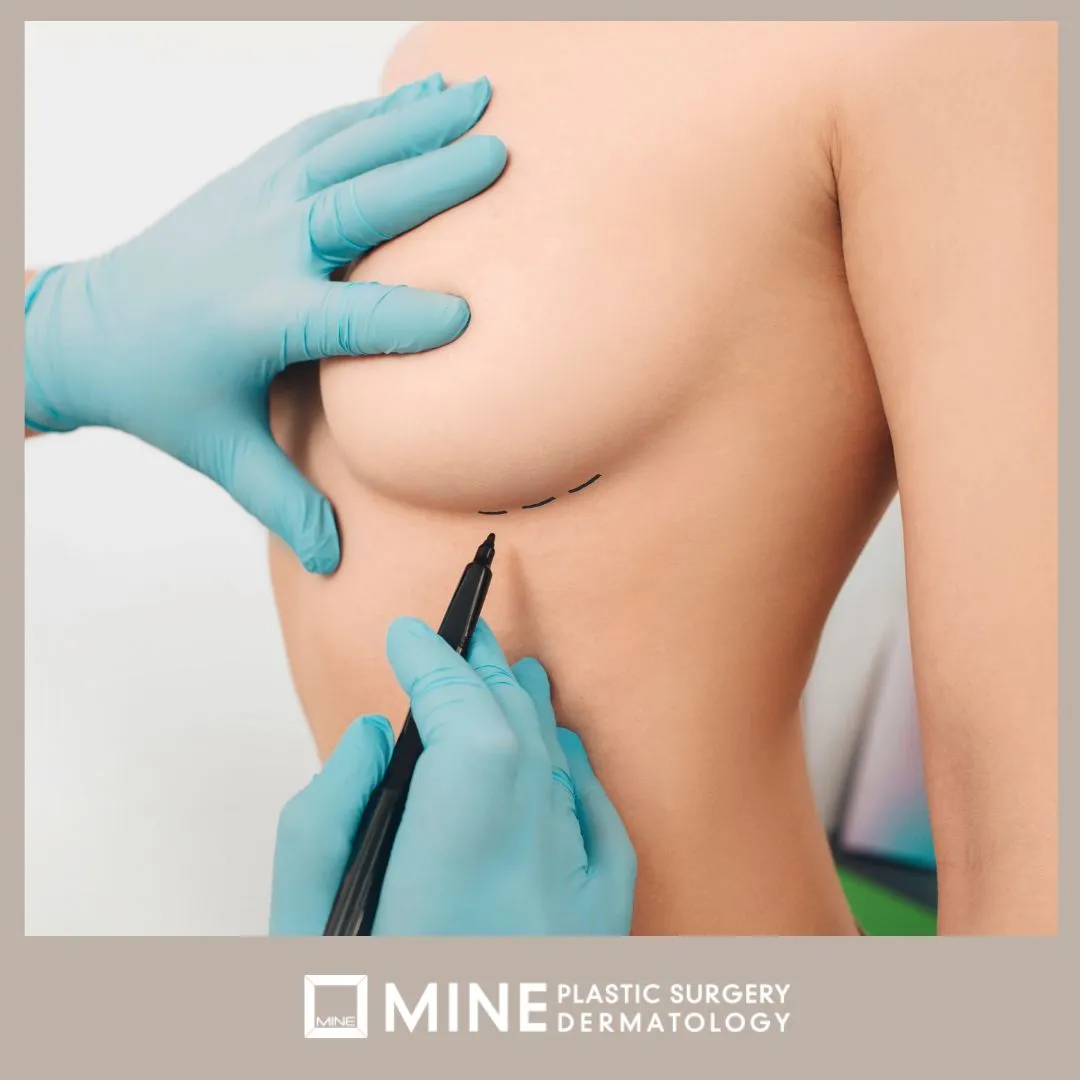
Second, nipple malposition is largely a planning problem rather than bad luck. It is avoided by careful preoperative marking that places the nipple near the point of maximum breast projection, usually where the inframammary fold transposes onto the breast. That is why the marking session before breast lift surgery, done standing and unhurried, is not a formality. It is worth asking who performs it and how long it takes.
How to Enhance Breast Lift Safety
Most of what makes breast lift surgery safe is decided before you reach the operating room, not in it.
- Choose a board-certified plastic surgeon with extensive breast surgery experience
- Complete thorough pre-surgical consultation and testing
- Strictly follow all post-operative instructions
- Attend all follow-up appointments
Whatever source you read, the practical rule is the same: arrive at the consultation with a written list of questions about risk, and do not leave until each one has been answered in language you actually understand. A surgeon who welcomes that kind of questioning is a good sign in itself.
Tips for Natural Results in Breast Lifting
Natural-looking results after breast lift surgery come down to three decisions, and only one of them is made in the operating room.
Choosing the Appropriate Surgical Technique
Selecting a breast lift surgery technique that matches your degree of ptosis and desired outcome is crucial. Over-correction can create an unnatural appearance, so aim for appropriate correction that complements your body proportions.
The Importance of Surgeon Selection
Breast lift surgery requires both technical skill and aesthetic sensibility. Review portfolios and choose a surgeon who does a high volume of breast lifts. A surgeon who specializes in this operation is more likely to deliver natural results that complement your body.
Setting Realistic Expectations
Through comprehensive pre-surgical consultation, it’s important to establish realistic expectations for what breast lift surgery can and cannot change. Focusing on improvement rather than perfection often leads to greater satisfaction with results.
Frequently Asked Questions About Breast Lift Surgery
Can I breastfeed after breast lift surgery?
Answer: It depends on the surgical technique used. Procedures that involve repositioning the nipple-areola complex may limit breastfeeding ability. If future pregnancy and breastfeeding are in your plans, discuss this with your surgeon as they can sometimes modify approaches to preserve milk ducts. What matters technically is the pedicle: techniques that keep the nipple attached to its underlying tissue stalk preserve more of the milk-duct and blood-supply connections than techniques that detach and regraft it, so ask specifically which pedicle is planned for you. No surgical technique can promise lactation, and breastfeeding capacity varies widely between women even without surgery.
How long do breast lift results last?
Answer: There is no fixed expiration date, and any single number you see quoted should be treated with caution. Plastic surgery textbooks are explicit about the reason: the factors that caused the ptosis in the first place, such as weak skin quality and stretched Cooper’s ligaments (the internal fibrous strands that suspend breast tissue), are still present the day after surgery.
Recurrent sagging therefore takes two recognized forms. Pseudoptosis, also called bottoming out, is when the lower pole of the breast stretches and descends while the nipple itself stays correctly positioned. Waterfall deformity is the pattern seen after augmentation mastopexy, where breast tissue slides down over a stationary implant. Both can usually be improved by re-tightening through the original incisions, which is one practical reason the first operation’s scar placement matters. Weight stability, completing your family planning first, and consistent support all slow the process down.
Are there non-surgical methods to improve breast sagging?
Answer: For mild sagging, chest muscle exercises may help, but their effectiveness is limited. Exercises like push-ups, chest presses, and flies strengthen the muscles beneath the breasts, potentially providing a slight lifting effect. However, for moderate to severe ptosis, surgical correction remains the most effective solution. No cream, device, or exercise can effectively remove excess skin or significantly reposition breast tissue.
How do I know which grade of breast ptosis I have?
Answer: Stand in front of a mirror without a bra and find the inframammary fold, the crease directly under the breast. If the nipple sits level with that crease, that is Grade 1. If it has dropped below the crease but still points forward, that is Grade 2. If it sits well below the crease and points downward, that is Grade 3. This is the Regnault classification, and it is the same scale your surgeon will use.
Treat it as an orientation rather than a verdict: textbooks note that applying the grade involves surgeon interpretation, and skin quality and breast volume change the recommendation even within the same grade. Our guide to the stages of breast sagging walks through the self-check in more detail.
Can breast lift surgery be done without implants?
Answer: Yes. A standard mastopexy uses no implant at all. It removes excess skin and repositions the nipple-areola complex, which raises the breast and improves its shape without changing size. Implants are added only when the goal also includes more volume, particularly in the upper pole. If you want a modest volume gain without foreign material, fat transfer is the middle path, though it cannot substitute for skin removal in moderate or severe ptosis. Comparing the methods side by side is usually the fastest way to narrow the options before a consultation.
What does the mastopexy recovery timeline look like, week by week?
Answer: In broad strokes: moderate pain and swelling for the first 2 to 3 days, light daily activities from about week 1, gentle walking only until week 4, low-impact cardio from weeks 4 to 6, light arm work from weeks 6 to 8, and most normal routines from about 3 months with your surgeon’s sign-off. Chest-loading exercises come last. The exact schedule shifts with the incision pattern: a periareolar lift on Grade 1 ptosis recovers faster than an inverted-T on Grade 3. Our full breast lift recovery timeline breaks each stage down with the aftercare that goes with it.
What determines the cost of breast lift surgery in Korea?
Answer: We do not publish prices, because a figure quoted without an examination is meaningless and, for medical procedures, misleading. What drives the number is knowable, though: the ptosis grade and therefore the incision pattern, whether an implant or fat transfer is combined with the lift, whether it is a first operation or a revision through existing scars, the anesthesia required, and the follow-up and scar-management program included. A combined augmentation mastopexy that has to be staged as two operations is a different proposition than a single periareolar lift. Ask for a written breakdown after an in-person or photo assessment rather than a headline number.
What questions should I ask a surgeon about breast lift safety?
Answer: Five that get useful answers: Which Regnault grade am I, and which incision does that lead you to? Which pedicle will you use, and what does that mean for nipple sensation and future breastfeeding? If we are combining a lift with an implant, is my vertical skin excess close to the 8 to 10 cm range where staging is advised? Who does the preoperative marking, and is it done standing? And what is your plan if asymmetry or recurrent sagging shows up at 12 months? A surgeon who answers these specifically, rather than reassuringly, is telling you something useful. You can verify credentials on our medical staff page.
Who Is Recommended for Breast Lift Surgery?
Breast lift surgery is generally suitable for:
- Women experiencing breast sagging after pregnancy, breastfeeding, or weight loss
- Those with downward-pointing nipples
- Patients satisfied with their breast size but wanting improved position and shape
- Individuals in good physical and mental health
- Those with realistic expectations about outcomes
- Non-smokers or those willing to quit smoking before and after surgery
The ideal candidate should have completed family planning, as future pregnancies can affect results. However, procedures can be performed at any age with appropriate health status.

How Should You Prepare for Breast Lift Surgery?
Pre-Surgery Preparation
Preparation for breast lift surgery starts about two weeks out, and most of it is unglamorous paperwork.
- Health Examination: Complete basic blood tests, electrocardiogram, and chest X-ray to confirm surgical suitability.
- Medication Adjustments: Discontinue aspirin, ibuprofen, and other blood-thinning medications two weeks before surgery.
- Lifestyle Modifications: Stop smoking and alcohol consumption two weeks prior to surgery.
- Day of Surgery: Wear comfortable clothing, front-fastening tops, and remove all jewelry.
Post-Surgery Necessities
Have these ready at home before the day of breast lift surgery, because you will not want to shop afterwards.
- Compression Bra: Prepare the special bra recommended by your surgeon.
- Pain Medication and Antibiotics: Take as prescribed.
- Ice Packs: Help reduce swelling during initial recovery.
- Comfortable Front-Closing Clothing: Raising arms may be difficult initially.
Regain Your Confidence with Expert Consultation
Whether breast lift surgery is the right answer for your degree of sagging is a question to settle in consultation, not online. At mineclinic, personalized consultations offer recommendations for optimal surgical approaches based on your unique needs.

Breast lift surgery goes beyond aesthetic improvement—it can enhance confidence and quality of life. Make this important decision based on comprehensive information and careful consideration.
Related reading: How to manage breast lift surgery scars · When is the right time for a breast lift? · Breast augmentation side effects explained
Have questions about breast lift surgery or want to share your experience? Leave a comment below! Your insights could help others on their journey.
Written and medically reviewed by Dr. Lee Sung-wook, board-certified plastic surgeon, MINE Plastic Surgery & Dermatology, Seoul, Korea. Clinical statements in this article are grounded in standard plastic surgery texts on mastopexy and the ptosis classification first described by Regnault (1976).
※ This content is for informational purposes only and does not replace professional medical advice, diagnosis, or treatment. Individual results may vary, and side effects may occur. Please consult with a board-certified plastic surgeon for personalized advice.
※ This content is for informational purposes only and does not replace professional medical advice, diagnosis, or treatment. Individual results may vary, and side effects may occur. Please consult with a board-certified plastic surgeon for personalized advice.