EN
EN


Table of contents
Breast lift surgery timing is not simply about choosing when you want the procedure. To achieve optimal results, you must comprehensively consider your age, health status, lifestyle, and future plans.
If you’re struggling with sagging breasts, you might wonder when the best time is to undergo surgery. From a medical professional’s perspective, let’s explore the most suitable time for a breast lift based on different age groups and life circumstances.
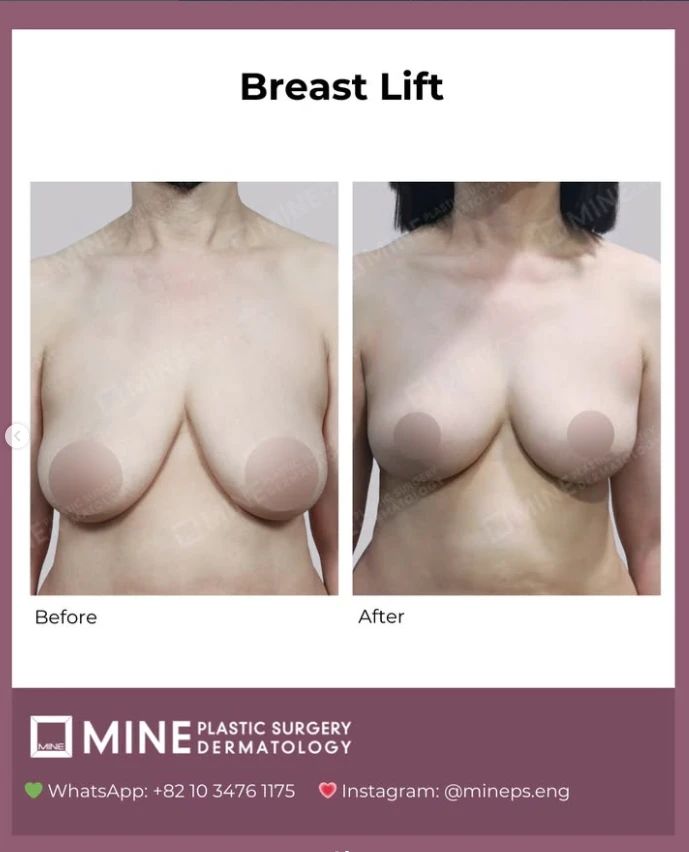
Why Breast Lift Surgery Timing Matters
How Timing Affects Results
Choosing the right breast lift surgery timing is a crucial factor for surgical success. A breast lift performed at the appropriate time lasts longer and results in significantly higher satisfaction rates.
Benefits of Optimal Timing Selection:
- Enhanced durability of surgical results (10-15 years)
- Shortened recovery period
- Minimized complication risks
- Increased patient satisfaction
Risks of Poor Timing:
- Early re-sagging
- Delayed recovery
- Increased need for revision surgery
- Psychological stress
Age-Based Breast Lift Surgery Timing
20s: A Period Requiring Careful Consideration
Most women in their early to mid-20s don’t require breast lift surgery. Sagging during this period is often due to temporary weight changes or hormonal fluctuations, making non-surgical improvement methods the first consideration. When it comes to breast lift surgery timing in your 20s, the guiding principle is patience — unless the sagging is significant, it is usually worth waiting until your body and life plans are more settled.
Cases to Consider in Late 20s:
- Congenital breast ptosis
- Significant sagging after extreme weight loss
- Severe sagging after early childbirth
“In your 20s, future pregnancy plans must be carefully considered. Pregnancy and breastfeeding can affect breast lift results.”
30s: The Most Ideal Time for Breast Lift
The 30s represent the ideal age for a breast lift (mastopexy). During this period, skin elasticity is somewhat maintained while sagging breast issues begin to emerge significantly. Because how long a lift lasts depends heavily on the quality and elasticity of your skin, the relatively well-preserved tissue typical of this decade tends to support more durable, longer-lasting results.
Advantages of 30s Breast Lift:
- Rapid recovery capability
- Excellent surgical outcomes
- Long-lasting effects
- Maximized psychological satisfaction
Many patients in their 30s tend to report favorable satisfaction with breast lift results, likely because skin elasticity is still relatively well preserved at this stage. Individual outcomes, however, depend more on personal health and breast condition than on age alone.
40s: A Period Requiring Comprehensive Consideration
In the 40s, breast sagging accelerates due to hormonal changes and gravitational effects. Determining the right time for surgery during this period requires comprehensive consideration of multiple factors. Surgeons also review your overall health history more closely at this stage — including hormonal status and any personal or family history of breast conditions — since these details affect both the safety of surgery and how the operation is planned.
Considerations for 40s Surgery:
- Pre- and post-menopausal hormonal status
- Existing health conditions
- Future weight change plans
- Family history and genetic factors
50s and Beyond: Personalized Approach Required
For women 50 and older, surgical methods and timing must be carefully determined based on individual health status and skin elasticity levels. It also helps to keep expectations realistic: a lift is durable but not permanent, and some gradual re-sagging can develop over the years as tissue continues to age, so a plan for long-term follow-up is worthwhile.
Characteristics of Middle-Age Breast Lift:
- Somewhat extended recovery period
- Preference for conservative approaches
- Consideration of combined procedures (facial lift, etc.)
- Increased importance of regular check-ups
Optimal Timing Based on Life Situations
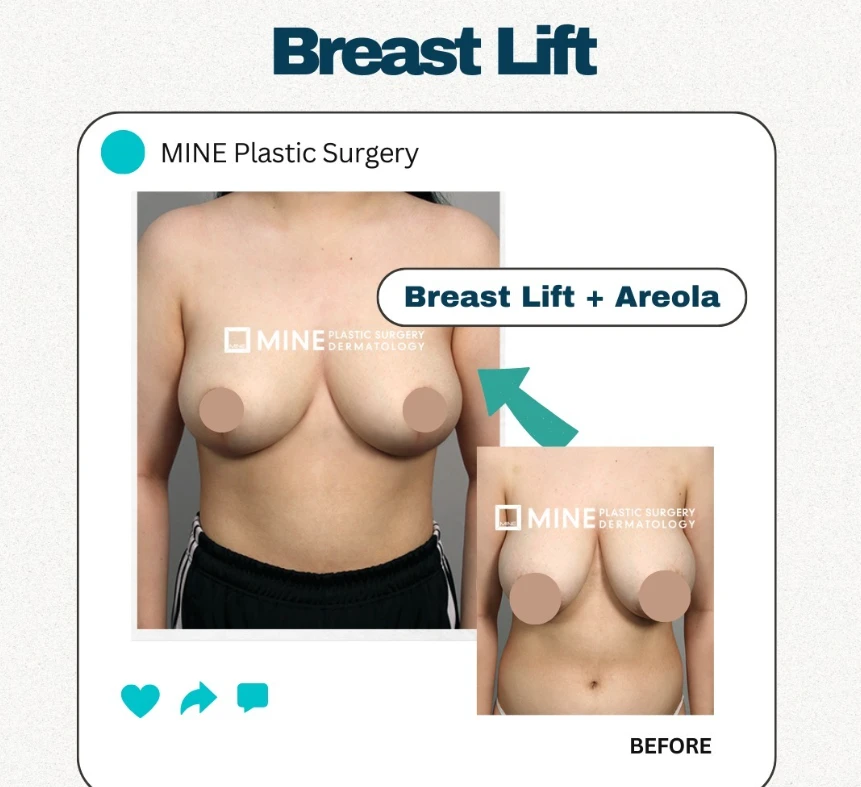
Post-Pregnancy and Breastfeeding Breast Lift Timing
The best timing for a breast lift after pregnancy is a topic many women wonder about. Since pregnancy and breastfeeding bring significant changes to the breasts, proper timing is extremely important.
Recommended Timing After Breastfeeding:
- As a general guideline, at least 6 months after complete cessation of breastfeeding (the exact wait can vary by individual)
- Confirmation of normalized hormone levels
- After weight stabilization
- When no additional pregnancy is planned
“As a general recommendation, it is best to wait at least 6 months after completely stopping breastfeeding — though the exact wait can vary from person to person. During this period, mammary tissue stabilizes and hormone levels return to normal.”
Post-Weight Loss Breast Lift Timing
After dramatic weight loss, breast skin may stretch, causing sagging. The recommended timing in such cases is as follows:
Recommended Waiting Period After Weight Loss:
- Typically 6-12 months of maintenance after reaching a target weight, as your surgeon may advise
- A generally stable weight (often within roughly a ±7-pound range)
- Normalized nutritional status
- Consideration of skin elasticity recovery period
Seasonal Surgery Timing Considerations
When considering the timing of your procedure by season, there are pros and cons — largely tied to how the breast lift recovery timeline overlaps with your daily activities.
Advantages of Fall-Winter Surgery:
- Compression garments are easy to wear under thick clothing
- Reduced outdoor activities allow focused recovery
- Minimal UV exposure benefits scar management
Spring-Summer Surgery Precautions:
- Adequate sun protection is essential
- Restrictions on summer activities like swimming
- Heat-related discomfort to consider
When to Avoid Breast Lift Surgery
During Pregnancy and Breastfeeding
During pregnancy and while breastfeeding, breast lift surgery should never be performed. During these periods, breasts continuously change due to hormonal fluctuations, and anesthesia and surgery can be dangerous for both mother and baby.
During Periods of Rapid Weight Change
Surgery should be postponed when weight is unstable. Weight changes directly impact breast lift results.
When Chronic Conditions Are Uncontrolled
When chronic conditions like diabetes or hypertension are poorly controlled, surgical risks increase significantly. Basic health conditions should be stabilized before considering surgery.
Importance of Personalized Consultation

Since breast lift surgery timing varies for each individual, thorough consultation with a specialist is essential. A proper pre-surgery review routinely includes checking whether your weight is stable and whether you are planning any future pregnancies, since both can affect how well and how long your results hold. At mineclinic’s specialized breast surgery program, we provide personalized consultations to suggest optimal surgical timing for each patient.
Items to Confirm During Consultation:
- Individual breast sagging degree assessment
- Future pregnancy plans
- Realistic expectations and body-image considerations
- Personal and family breast-health history
- Overall health status evaluation
- Discussion of expected surgical outcomes
- Selection of appropriate surgical methods
For patients seeking comprehensive breast enhancement, mineclinic also offers various options including breast fat transfer procedures and breast reduction surgery to address individual needs.
Recovery Timeline After Breast Lift
Choosing when to have surgery also means planning for the weeks that follow, so it helps to know roughly how healing unfolds. The timeline below is a general guideline based on typical recovery after a breast lift (mastopexy) — the exact pace varies from person to person depending on your body, the technique used, and your surgeon’s aftercare plan. For a fuller breakdown, you can also read our breast lift recovery timeline guide. Knowing this window in advance makes it much easier to line up time off work and arrange support at home during the early healing days.
| Recovery phase | What most patients can generally expect |
|---|---|
| Surgery day (Day 0) | Most patients go home the same day. Surgical dressings and a compression garment are applied before you leave. |
| First week (Days 1–7) | The most critical phase of healing. Moderate discomfort is common but usually eases within the first 3–5 days. A first follow-up visit is typically scheduled around one week. |
| Weeks 1–4 | Many people return to light desk work within 1–2 weeks and to driving and most daily activities by 2–3 weeks. Heavy lifting stays limited, while light cardio may be cleared around weeks 3–4. |
| Months 1–3 | A gradual return to all normal activities, with more strenuous exercise usually resumed around 2–3 months as swelling settles and the final shape begins to emerge. |
| 3–6 months | Scars soften and the final breast contour generally becomes clear. Complete healing is individual and can continue over the following months. |
The core aftercare is simple but important. In the early days, gentle movement and short walks, deep breathing, and easy range-of-motion exercises help your circulation and keep healing on track, while strenuous activity should be avoided until your surgeon clears it. These basics are standard practice after a lift and make a real difference in comfort and results.
A surgical compression bra is usually worn around the clock for the first 2–3 weeks, then continued for roughly 4–6 weeks in total to support the newly lifted breast position. Dedicated scar care generally begins once the wounds have sealed and continues over several months. Because these are typical ranges rather than fixed rules, your surgeon will adjust them to how your body is actually healing — which is also why the timing of your procedure is best planned around a realistic recovery window.
A few tips that help recovery go smoothly: sleep slightly propped up and avoid lying on your stomach in the early weeks, stay well hydrated and eat protein-rich meals to support healing, and ease back into activity gradually rather than all at once. Keep every follow-up appointment so your surgeon can track your progress and adjust your care. None of these are rigid rules — they are general guidelines, and the right pace varies from person to person, which is another reason your breast lift surgery timing is best matched to a recovery window that fits your life.
Combining a Breast Lift with Other Procedures
Sometimes sagging comes together with a loss of volume, and a lift on its own will not add fullness. In these cases a breast lift can be paired with an implant — a combined operation known as augmentation-mastopexy — or with fat grafting for a more natural result. Deciding whether to combine procedures is an important part of your overall breast lift surgery timing, because it changes both the surgical plan and the recovery you should prepare for.
It helps to understand the trade-offs. Combining a lift with an implant tends to carry a higher chance of complications than a lift alone, and the two most common reasons for a later revision are capsular contracture (scar tissue tightening around the implant) and the breast gradually sagging again. This is why careful patient selection — and sometimes performing the lift and the implant in two separate stages rather than all at once — helps keep the need for revision surgery low.
A combined result also needs some maintenance as the breast and implant change over the years, so your surgeon will talk through whether a one-stage or two-stage approach suits you and how it fits your overall breast lift surgery timing. If you are weighing this option, our guide on whether a breast lift and augmentation can be done together explains it in more detail.
Preparing for Your Breast Lift Consultation
A good consultation is where your ideal breast lift surgery timing really takes shape. Before your visit, it helps to think through a few points your surgeon will want to discuss, so the conversation can focus on what matters most for your result.
Helpful to prepare in advance:
- Whether your weight is currently stable, and any plans to lose or gain weight
- Whether you may want to become pregnant in the future, since pregnancy and breastfeeding can change the result
- Your general health, current medications, and any personal or family history of breast conditions
- What you hope the surgery will achieve, so expectations can be discussed honestly
These are the same points a surgeon reviews as part of a standard pre-surgery history, and they directly shape the recommended breast lift surgery timing for you. Coming ready to talk them through means you leave the consultation with a clear, realistic plan rather than more questions.
Frequently Asked Questions (FAQ)
What age is best for breast lift surgery?
Generally, the 30s are the most ideal time. However, depending on individual circumstances, surgery is possible from the late 20s to 50s. What’s more important than age is individual health status and breast condition.
Should I postpone breast lift if I plan to have children?
Yes, if you have future pregnancy plans, it’s better to postpone surgery. Pregnancy and breastfeeding can affect breast lift results, so it’s recommended to have surgery after completing family planning.
How long should I wait after stopping breastfeeding?
As a general guideline, it is best to wait at least 6 months after completely stopping breastfeeding. During this period, hormones normalize and mammary tissue stabilizes. The exact timing is individual, and some people may need a longer waiting period — your surgeon can advise what is right for you.
Does season affect surgical results?
While seasons don’t directly impact surgical outcomes, there can be differences in recovery process convenience and scar management. Fall-winter generally provides more favorable conditions.
How long do breast lift results last?
Breast lift results typically last 10-15+ years for younger patients with elastic skin and smaller breasts, while older patients with less elastic skin and larger breasts can expect results to last 5-10 years. Individual factors like skin quality, lifestyle, and post-operative care significantly influence longevity.
Can I combine breast lift with other procedures?
Yes, breast lift can be combined with breast augmentation in what’s called augmentation-mastopexy (a combined lift and implant). This approach addresses both sagging and volume loss simultaneously. Because combining a lift with an implant tends to carry a somewhat higher chance of complications — such as capsular contracture (scar tissue tightening around the implant) or the breast gradually sagging again — than a lift alone, your surgeon will assess whether to do both at once or in stages.
Breast lift surgery timing isn’t determined by age alone. It should be decided by comprehensively considering individual health status, lifestyle, and future plans.
While the 30s are generally the most ideal time, individual differences are significant, making it important to find the most suitable timing through thorough consultation with a specialist. Particularly careful consideration should be given to pregnancy and breastfeeding plans, weight stability, and overall health status.
The 30s represent an optimal window when skin elasticity remains adequate while addressing emerging ptosis concerns. However, successful outcomes depend more on individual health factors and realistic expectations than chronological age. Understanding the different stages of breast sagging can help determine if you’re a candidate for mastopexy.
For patients interested in exploring alternatives, mineclinic offers comprehensive breast enhancement options, including breast fat grafting for those seeking natural augmentation alongside lifting procedures.
If you need more detailed consultation or personalized analysis, it’s recommended to determine the most suitable surgical timing and method through one-on-one consultation with a specialist. A breast lift performed at the right time will provide satisfactory results for a longer period.
Ready to take the next step? Contact mineclinic at https://mineclinic.com/ for a personalized consultation to discuss the ideal timing for your breast lift and explore the best approach for your individual needs and goals.
※ This content is for informational purposes only and does not replace professional medical advice, diagnosis, or treatment. Individual results may vary, and side effects may occur. Please consult with a board-certified plastic surgeon for personalized advice.
※ This content is for informational purposes only and does not replace professional medical advice, diagnosis, or treatment. Individual results may vary, and side effects may occur. Please consult with a board-certified plastic surgeon for personalized advice.