EN
EN

Table of contents
Breast lift recovery is the structured healing process your body goes through after mastopexy (breast lift surgery) to restore a firmer, higher breast shape. In plain terms, healing moves through four overlapping stages that plastic surgery textbooks call hemostasis, inflammation, proliferation, and remodeling: your body first seals the incisions, then clears the surgical site, rebuilds the tissue with fresh collagen, and finally matures the scars over many months.
While breast lift surgery (mastopexy) effectively restores youthful breast contour and position, the care you give at each of these stages is what protects your result and keeps complications away. This guide walks you through exactly what to expect during breast lift recovery, week by week, so your healing stays smooth and your new shape lasts.
Breast Lift Recovery Timeline: Week-by-Week Guide
Understanding your breast lift recovery timeline helps set realistic expectations and keeps you prepared for each phase of healing. Because wound healing follows a predictable biological order, swelling and soreness in the first days, tissue rebuilding over the following weeks, and slow scar maturation for up to a year, most patients move through the milestones below in a similar sequence, even though individual experiences vary after mastopexy surgery. Choosing the right surgical approach matters too, so if you are still weighing your options, our guide to breast lift surgery types and methods explains how each technique affects healing and scars.
Surgery Day (Day 0)
Immediately after your breast lift procedure, you’ll spend time in the recovery room while anesthesia wears off. Most patients can return home the same day, though some may require an overnight stay depending on the extent of surgery and individual circumstances.
Your surgical team will:
- Apply surgical dressings and compression garments
- Monitor vital signs and pain levels
- Provide initial post-operative instructions
- Ensure you have a responsible adult to drive you home
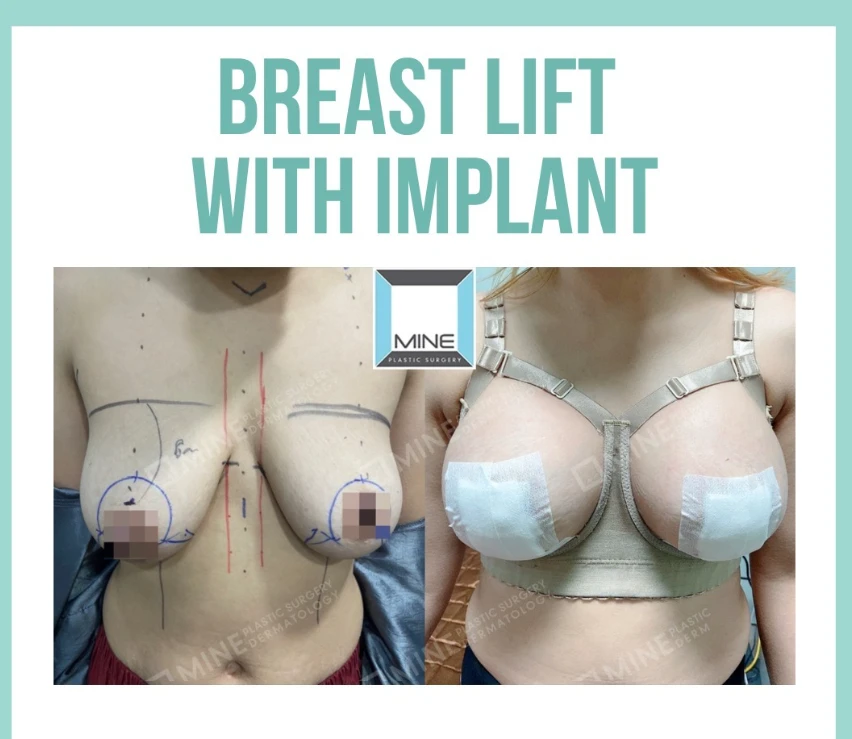
Initial Recovery Phase (Days 1-7)
The first week represents the most critical period of your breast lift recovery. During this time, swelling and discomfort peak before gradually subsiding. Proper rest and adherence to post-operative guidelines are essential.
Days 1-2: Most intense discomfort occurs during this period. You’ll experience moderate pain, tightness, and initial swelling. Complete rest is crucial, and you should have someone available to assist with basic needs.
Days 3-4: Pain typically begins to decrease, though you’ll still feel significant discomfort. Light walking around your home is encouraged to promote circulation and prevent blood clots.
Days 5-7: Most severe pain subsides, and you can gradually increase light activities. Your first follow-up appointment usually occurs around one week post-surgery for wound assessment and dressing changes.
Early Healing Phase (Weeks 1-4)
During this month-long period, your body makes significant progress toward healing. Swelling gradually decreases and breast shape begins to settle into its new position.
Weeks 1-2: Most patients return to light desk work and basic daily activities. You’ll continue wearing compression garments and may have sutures removed during this period.
Weeks 2-3: Significant improvement in comfort levels occurs. You can typically resume driving and most normal activities, though lifting restrictions remain in place.
Weeks 3-4: Many patients feel nearly back to normal. Compression garments continue to be important, but discomfort is minimal. Light cardio exercise may be approved by your surgeon.
Intermediate Recovery (Months 1-3)
The first three months post-surgery represent a time of continued improvement and gradual return to full activities. Most swelling resolves and results become increasingly apparent.
Month 1-2: Most patients return to all normal daily activities. You may begin to see your final breast shape emerging as swelling continues to subside.
Month 2-3: Exercise restrictions are typically lifted, allowing return to more strenuous activities. Sensation in the breast and nipple areas continues to normalize.
Long-term Healing (3+ Months)
Complete breast lift recovery typically occurs by three to six months post-surgery. However, final results may continue evolving for up to one year as tissues fully settle and scars mature.
3-6 Months: Most patients achieve their final results during this period. Scars continue to fade and soften, while breast sensation returns to normal for most individuals.
6-12 Months: Complete tissue stabilization occurs, and scars reach their final appearance. Most patients can participate in all activities without restrictions.
How to Manage Pain After Breast Lift Surgery?
Effective pain management is crucial for a comfortable breast lift recovery. While discomfort levels vary among patients, most experience moderate pain for the first 3-5 days following mastopexy surgery.
Understanding Post-Surgical Pain
Breast lift pain typically includes:
- Tightness and pulling sensations across the chest
- Soreness around incision sites
- Muscle aches from positioning during surgery
- Increased discomfort with sudden movements or coughing
Effective Pain Management Strategies
1. Follow Medication Guidelines Precisely
- Take prescribed pain medications as directed, not just when pain becomes severe
- Set alarms to maintain consistent medication timing
- Never exceed recommended dosages or combine with alcohol
2. Apply Cold Therapy Properly
- Use ice packs wrapped in cloth for 15-20 minute intervals during the first 48 hours
- Never apply ice directly to skin to prevent frostbite
- Focus on areas around the breasts rather than directly on incisions
3. Maintain Optimal Positioning
- Keep your upper body elevated at a 30-45 degree angle during rest
- Use multiple pillows or a wedge pillow for support
- Avoid sudden movements that can trigger pain spikes

4. Practice Gentle Breathing Exercises
- Deep breathing helps manage pain naturally and prevents complications
- Practice 5-10 minutes of focused breathing several times daily
- Consider guided meditation apps for relaxation support
When to Contact Your Surgeon
Seek immediate medical attention if you experience:
- Sudden, severe pain that medication cannot control
- One-sided severe pain suggesting complications
- Pain accompanied by fever, redness, or unusual drainage
- Worsening pain after the first week instead of gradual improvement
Compression Garments and Surgical Bra Guidelines
Proper compression garment usage is essential for optimal breast lift recovery. These specialized garments provide crucial support during healing while helping minimize swelling and promote proper tissue positioning. Swelling, or edema, is a normal part of the early inflammatory phase of healing; steady, gentle compression limits how much fluid pools in the tissue and supports the breast in its new position while the deeper layers knit back together.
Importance of Compression Garments
Compression garments serve multiple critical functions:
- Support healing breast tissue in proper position
- Reduce post-operative swelling and bruising
- Improve circulation and lymphatic drainage
- Minimize movement that could disrupt healing
- Provide comfort and security during recovery
Proper Wearing Guidelines
1. Continuous Wear Schedule
- Wear your surgical bra 24 hours daily for the first 2-3 weeks
- Remove only for showering (when permitted by your surgeon)
- Most patients continue wearing compression garments for 4-6 weeks total
2. Ensuring Proper Fit
- Your garment should feel snug but not restrictive
- You should be able to breathe comfortably without difficulty
- Contact your surgeon if you experience numbness or tingling in arms or hands
3. Garment Care and Maintenance
- Purchase at least two compression bras for rotation during washing
- Hand wash with gentle detergent and air dry
- Replace if garments lose elasticity or become stretched out

Transitioning to Regular Bras
Around 4-6 weeks post-surgery, you’ll typically transition from surgical compression garments to supportive sports bras, then gradually to regular bras. Your surgeon will guide this transition based on your individual healing progress.
Scar Care and Incision Management
Proper scar care is one of the most important parts of breast lift recovery and significantly impacts the final appearance of your results. While scars are inevitable with mastopexy surgery, diligent care can minimize their visibility and promote optimal healing.
Initial Wound Care (First 2-3 Weeks)
1. Keep Incisions Clean and Dry
- Follow your surgeon’s specific cleaning instructions
- Gently pat incisions dry after showering (when permitted)
- Never scrub or rub healing incisions
2. Proper Dressing Management
- Change dressings as instructed by your surgical team
- Use only surgeon-approved topical treatments
- Monitor for signs of infection including increased redness, warmth, or drainage
3. Protect from Trauma
- Avoid picking at scabs or healing tissue
- Wear loose-fitting clothing that won’t rub against incisions
- Be extra careful during daily activities to prevent accidental injury
Long-term Scar Minimization (3 Weeks – 6 Months)
1. Silicone Scar Treatments According to the American Society of Plastic Surgeons, silicone-based treatments are the gold standard for scar management:
- Begin using silicone sheets or gels once incisions are fully healed
- Apply consistently for 12-23 hours daily for 2-3 months minimum
- Continue use for 6-12 months for optimal results
2. Sun Protection
- Protect scars from UV exposure for at least one full year
- Use SPF 30+ sunscreen on exposed areas
- Cover scars with clothing when spending time outdoors
3. Gentle Massage Therapy
- Begin scar massage 4-6 weeks post-surgery (with surgeon approval)
- Use circular motions with light pressure for 5-10 minutes daily
- Apply natural oils like vitamin E or coconut oil during massage

Advanced Scar Treatments
Through these months your scars are still in the remodeling phase, the final stage of healing in which the body reorganizes and strengthens collagen. This is exactly why a scar that looks red and raised early on keeps fading, flattening, and softening well into the first year. For patients with concerns about scar appearance after 6-12 months, advanced treatments may include laser therapy, chemical peels, or professional scar revision procedures. For a step-by-step plan, see our detailed guide on how to manage breast lift surgery scars, and consult your plastic surgeon about the best options for your specific situation.
Proper Sleeping Positions After Breast Lift
Your sleeping position significantly impacts breast lift recovery success. Proper positioning reduces swelling, minimizes pain, and protects healing tissues from unnecessary pressure and movement.
Recommended Sleep Positions
1. Back Sleeping with Elevation
- Sleep on your back for at least 2-3 weeks post-surgery
- Elevate your upper body 30-45 degrees using pillows or a wedge
- This position optimizes circulation and minimizes breast swelling
2. Supported Side-Lying (After 3 Weeks)
- Once your surgeon approves, you may carefully sleep on your side
- Use body pillows or pregnancy pillows for breast support
- Switch sides periodically to prevent prolonged pressure on one area
Positions to Avoid
1. Stomach Sleeping
- Avoid sleeping on your stomach for at least 8-12 weeks
- This position places direct pressure on healing breast tissue
- Premature stomach sleeping can affect final results and healing
2. Unsupported Side Sleeping
- Don’t sleep on your side without proper pillow support
- Unsupported positioning can cause stretching of healing tissues
- Use adequate pillows to maintain breast position and comfort
Sleep Aids and Tools
1. Specialized Pillows
- Wedge pillows provide consistent upper body elevation
- U-shaped neck pillows prevent rolling during sleep
- Body pillows offer support when transitioning to side sleeping
2. Bed Positioning
- Consider sleeping in a recliner for the first few nights
- Adjust your mattress head elevation if possible
- Ensure easy access to water, medications, and essentials
Returning to Exercise and Daily Activities
Gradual activity progression is essential for safe breast lift recovery. Rushing back to normal activities too quickly can compromise results and increase complication risks.
Daily Activity Recovery Timeline
| Activity Type | Return Timeline | Important Considerations |
|---|---|---|
| Light walking | Immediately post-surgery | Start with 5-10 minutes, gradually increase |
| Desk work | 3-7 days | Avoid heavy lifting or reaching overhead |
| Driving | 1-2 weeks | Must be off pain medications and able to move freely |
| Household chores | 2-3 weeks | Limit lifting to less than 10 pounds |
| Work (physical labor) | 4-6 weeks | Gradually return to full duties |
Exercise Progression Guidelines
Weeks 1-2: Gentle Movement Only
- Short walks for circulation
- Light stretching (with surgeon approval)
- Basic self-care activities
Weeks 3-4: Low-Impact Cardio
- Stationary bike or treadmill walking
- Avoid bouncing or jarring movements
- Continue avoiding upper body exercises
Weeks 6-8: Moderate Exercise
- Swimming (once incisions fully healed)
- Light weights for lower body
- Yoga (avoiding inversions and arm balancing)
Weeks 8-12: Progressive Strengthening
- Gradual return to upper body exercises
- Start with very light weights (2-5 pounds)
- Monitor for any discomfort or swelling
3+ Months: Full Activity
- Return to all previous exercise routines
- High-impact activities and contact sports
- Heavy weightlifting and resistance training
Exercise Safety Guidelines
1. Listen to Your Body
- Stop immediately if you experience pain or discomfort
- Some muscle fatigue is normal, but sharp pain is not
- Consult your surgeon before progressing to new activity levels
2. Wear Proper Support
- Invest in high-quality sports bras with excellent support
- Avoid activities that cause excessive breast movement
- Consider additional compression during high-impact activities
3. Progress Gradually
- Increase intensity and duration slowly over time
- Never rush to return to pre-surgery activity levels
- Allow adequate rest between exercise sessions
For personalized activity guidelines and clearance for specific exercises, consult with the experienced team at mineclinic who can provide individualized recommendations based on your healing progress.
Common Recovery Issues and Solutions
Understanding potential complications helps you recognize normal healing versus concerning symptoms. While most breast lift recoveries proceed smoothly, being aware of common issues enables prompt treatment when necessary.
Normal Recovery Symptoms
Swelling and Bruising
- Normal: Gradual increase for 2-3 days, then steady decrease over 2-3 weeks
- Management: Cold therapy, compression garments, elevation during rest
- Concerning: Sudden one-sided swelling, increasing swelling after one week
Sensation Changes
- Normal: Temporary numbness, tingling, or hypersensitivity in breast and nipple areas
- Timeline: Most sensation returns within 3-6 months
- Management: Gentle massage (when approved), patience during nerve healing
Temporary Asymmetry
- Normal: One breast may heal faster than the other initially
- Timeline: Usually resolves by 3-6 months as final results emerge
- Management: Follow all post-operative instructions, maintain patience
When to Contact Your Surgeon Immediately
Seek urgent medical attention for:
- Fever above 101°F (38.3°C)
- Signs of infection: increased redness, warmth, pus, or foul odor
- Severe bleeding or wound separation
- Sudden severe pain on one side
- Shortness of breath or chest pain
- Signs of blood clots: leg pain, swelling, or warmth
Nutrition and Lifestyle for Faster Healing
Proper nutrition and healthy lifestyle choices significantly impact breast lift recovery speed and quality. Your body requires specific nutrients to rebuild tissue and achieve optimal healing.
Essential Nutrients for Recovery

1. Protein for Tissue Repair
- Daily Goal: 1.2-2 grams per kilogram of body weight
- Best Sources: Lean meats, fish, eggs, legumes, dairy products, nuts
- Benefits: Supports collagen synthesis and wound healing
2. Vitamin C for Collagen Production
- Daily Goal: 75-90mg minimum (may need higher doses during recovery)
- Best Sources: Citrus fruits, berries, bell peppers, broccoli, strawberries
- Benefits: Essential for proper scar formation and immune function
3. Zinc for Immune Function
- Daily Goal: 8-11mg for adults
- Best Sources: Shellfish, meat, seeds, nuts, whole grains
- Benefits: Crucial for wound healing and fighting infection
4. Omega-3 Fatty Acids for Inflammation Control
- Best Sources: Fatty fish, walnuts, flaxseeds, chia seeds
- Benefits: Natural anti-inflammatory properties support healing
Foods and Substances to Avoid
1. High Sodium Foods
- Why: Excess sodium increases swelling and fluid retention
- Limit: Processed foods, restaurant meals, packaged snacks
- Better Choices: Fresh fruits, vegetables, and home-cooked meals
2. Alcohol
- Timeline: Avoid completely for 2 weeks minimum post-surgery
- Why: Interferes with healing, increases bleeding risk, affects immune function
- Alternative: Herbal teas, flavored water, mocktails
3. Smoking and Nicotine
- Timeline: Stop 4 weeks before surgery, avoid 8+ weeks after
- Why: Severely impairs blood flow and oxygen delivery to healing tissues
- Resources: Consult your healthcare provider about cessation programs
Hydration and Recovery
Proper hydration is crucial for optimal healing:
- Goal: Minimum 8-10 glasses of water daily
- Benefits: Supports circulation, helps eliminate toxins, maintains tissue health
- Best Choices: Water, herbal teas, diluted fruit juices
Frequently Asked Questions
How painful is breast lift recovery?
Most patients experience moderate pain for 3-5 days following surgery, which is well-managed with prescribed pain medications. During breast lift recovery the discomfort is usually described as tightness and soreness rather than sharp pain, and levels vary from person to person. Most severe pain resolves within the first week, with gradual improvement continuing over the following weeks.
When can I return to work after breast lift surgery?
Most patients return to desk work within 1-2 weeks after breast lift surgery. The exact timeline depends on your job requirements and healing progress. Office workers typically resume light duties after one week, while those with physically demanding jobs may need 3-4 weeks off. Driving is usually permitted after 2 weeks once you’re off pain medications and can move comfortably.
How visible will my breast lift scars be?
Breast lift scars vary depending on the surgical technique used. Common scar patterns include periareolar (around the nipple), vertical (lollipop), and anchor-shaped incisions. Initially, scars appear red and raised but gradually fade over 6-12 months. With proper care including sun protection and scar treatments, most scars become thin, pale lines that are easily concealed by bras and swimwear.
When will sensation return to my breasts after surgery?
Most patients experience gradual sensation recovery over 3-6 months following breast lift surgery. Some areas may feel numb, overly sensitive, or tingly initially. Complete sensation recovery can take up to one year, and in rare cases, some permanent changes may occur. However, the majority of patients regain normal or near-normal sensation in their breasts and nipples.
How long do breast lift results last?
Breast lift results typically last 10-15 years, though individual results vary based on factors like skin elasticity, lifestyle habits, weight changes, pregnancy, and natural aging. Maintaining stable weight, wearing supportive bras, and following a healthy lifestyle help preserve results longer. While aging naturally continues, most patients remain satisfied with their breast position and shape for many years.
Can I breastfeed after a breast lift?
Many women can successfully breastfeed after breast lift surgery, though some may experience reduced milk production. The ability to breastfeed depends on the surgical technique used and whether milk ducts and nerves were affected. If future breastfeeding is important to you, discuss this with your surgeon during consultation to understand how your specific procedure might impact lactation.
Successful breast lift recovery requires patience, proper care, and realistic expectations about the healing process. By following your surgeon’s instructions, maintaining healthy lifestyle habits, and staying alert to potential complications, you can optimize your results and enjoy your enhanced breast appearance for years to come.
Remember that every patient’s recovery journey is unique, and individual healing times may vary. Regular follow-up appointments with your plastic surgeon are essential for monitoring progress and addressing any concerns promptly.
For personalized post-operative care and expert guidance throughout your breast lift recovery, the experienced team at mineclinic provides comprehensive support from initial consultation through long-term follow-up care, ensuring you achieve the best possible results from your mastopexy procedure.
Medical disclaimer: This article is for general educational purposes only and is not a substitute for professional medical advice, diagnosis, or treatment. Recovery timelines, risks, and results vary from person to person. Always follow the specific instructions of your own surgeon and seek qualified medical care for any concerns about your health.
※ This content is for informational purposes only and does not replace professional medical advice, diagnosis, or treatment. Individual results may vary, and side effects may occur. Please consult with a board-certified plastic surgeon for personalized advice.