EN
EN


Table of contents
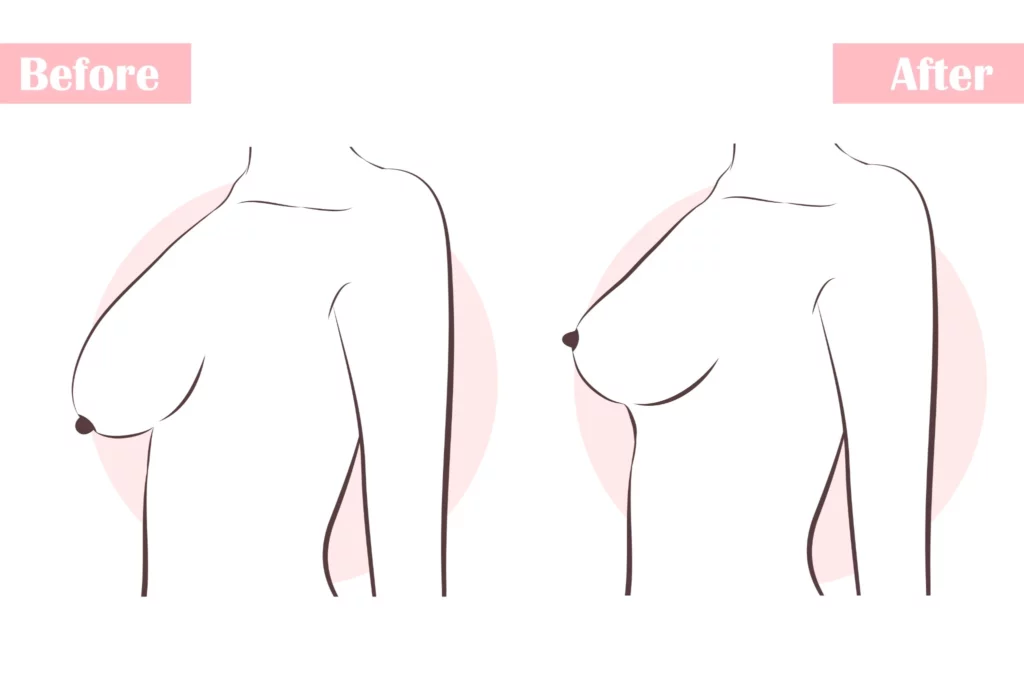
Breast reduction recovery is the healing process the body undergoes after reduction mammaplasty, typically spanning from the first week through 3-6 months. Breast reduction surgery offers effective relief from physical discomfort and emotional stress caused by overly large breasts. However, the breast reduction recovery process often raises many questions and concerns for patients. While recovery times vary between individuals, proper care and management can significantly improve your healing experience. This comprehensive guide covers every stage of the breast reduction recovery journey, including expert recommendations and essential care instructions.
Essential Facts About Breast Reduction Recovery
Breast reduction surgery (reduction mammoplasty) reduces breast size and improves shape, resulting in high satisfaction rates among patients. However, achieving optimal results requires understanding and properly managing the breast reduction recovery process.
Complete recovery typically takes 3-6 months, though this varies based on individual health status, age, and the extent of surgery. The recovery journey can be divided into early (first week), middle (1-4 weeks), and late (1-3 months) phases, each requiring different care approaches.
The cornerstone of successful breast reduction healing is adequate rest and strict adherence to your surgeon’s instructions. Overexertion can delay recovery and increase complication risks, so caution is essential during the healing process.
Immediate Post-Surgery to First Week Recovery
The first week following surgery is the most critical period of breast reduction recovery. Here’s what to expect and how to manage this initial phase:
Surgery Day and Hospital Stay
Most patients remain in the hospital for 1-2 days after surgery for observation. During this time, you may experience:
- Pain and discomfort at the surgical site after anesthesia wears off
- Swelling and bruising around the breasts
- Fluid drainage through surgical drains
- Fitting of a compression garment
During this period, it’s crucial to rest adequately and take prescribed pain medication exactly as directed. Antibiotic therapy is typically administered to prevent infection.
First Week After Discharge
After returning home, follow these care guidelines during the first week:
- Sufficient rest: Avoid strenuous activities and rest as much as possible
- Elevated upper body: Sleep with multiple pillows to keep your upper body slightly elevated
- Compression bra wear: Wear the recommended compression bra 24 hours a day
- Wound care: Keep incision sites clean according to your surgeon’s instructions
- Medication adherence: Take prescribed pain relievers and antibiotics regularly
- Dietary management: Consume easily digestible foods and stay well-hydrated
During this week, avoid raising your arms above your head, lifting heavy objects, or driving. Light walking is encouraged to prevent blood clot formation.
Weeks 1-4 of Breast Reduction Recovery
After the first week, severe pain and discomfort diminish, but continued care remains essential. Here’s what to expect and how to manage your breast reduction recovery during weeks 1-4:
Changes in Swelling and Bruising
Severe swelling and bruising begin to subside after 1-2 weeks post-surgery. However, individual variations exist, and some patients may experience swelling for up to 4 weeks. Cold compresses and prescribed medications can help reduce swelling.
Returning to Daily Activities
Most patients can return to light daily activities or desk jobs after approximately 2 weeks. However, these limitations still apply:
- No lifting objects weighing more than 5kg (11 pounds)
- Restricted vigorous exercise or extensive arm movements
- Continued compression bra wear
- Avoiding excessive breast movement
Wound Care and Healing
During this period, surgical wounds begin to heal. Wound care should include:
- Proper wound disinfection as directed by your surgeon
- Preventing friction around the incision sites
- Beginning scar management (after consulting with your surgeon)
- Avoiding sun exposure
You may also begin to experience sensation returning to your breasts, sometimes accompanied by tingling or pins-and-needles sensations. This is a normal part of nerve regeneration.
Months 1-3 of the Recovery Process
After the first month, most discomfort significantly decreases, and you can gradually return to normal activities. Here’s what to expect during months 1-3 of your breast reduction recovery:
Expanding Physical Activities
After 6 weeks post-surgery, most patients can resume:
- Light aerobic exercise (brisk walking, gentle jogging)
- Routine household chores
- More extensive work duties
However, heavy weight training or vigorous upper body exercises should be postponed until after 3 months. Always consult with your surgeon before resuming activities.
Final Result Formation
After 3 months, most swelling subsides and breast shape begins to stabilize. However, final results typically appear between 6 months to 1 year post-surgery. During this period, breast shape and position may undergo subtle changes.
Sensation Recovery
Sensation recovery varies significantly between individuals, but most patients experience substantial improvement in nipple and breast sensation between 3-6 months. Some patients may require over a year for complete sensation recovery.
How Should You Manage Pain After Breast Reduction Surgery?
Pain levels after breast reduction surgery vary between patients. Generally, the first 1-3 days post-surgery are the most painful, with gradual improvement thereafter. Here are effective pain management strategies:
Medication Management
Taking prescribed pain medication at the correct dosage and time is crucial. Regular consumption during the initial period is more effective than waiting until pain becomes severe. Never take additional pain relievers without consulting your surgeon.
Non-Pharmaceutical Pain Management
Beyond medication, these techniques can help alleviate pain:
- Cold compresses: Apply according to your surgeon’s instructions during the first 48 hours (always wrap in a towel, never place directly on skin)
- Proper positioning: Sleep with your upper body slightly elevated to reduce swelling and pain
- Compression bra: Proper compression reduces swelling and provides support, alleviating pain
- Breathing techniques and relaxation methods: Deep breathing, meditation, and gentle yoga can help reduce pain
Pain Monitoring
Contact your surgeon immediately if you experience:
- Sudden increases in pain intensity
- Significant pain difference between breasts
- Pain accompanied by fever
- Severe pain uncontrolled by prescribed medication
These symptoms could indicate infection or other complications requiring immediate attention.
Breast Reduction Scar Management Techniques
Breast reduction surgery inevitably leaves scars, but proper management can minimize their visibility. Here are effective scar management techniques:
Initial Wound Care (2-3 Weeks Post-Surgery)
- Keep wounds clean according to your surgeon’s instructions
- Avoid direct friction or pressure until wounds are completely healed
- Use recommended ointments to prevent wound dryness
Beginning Scar Management (3-4 Weeks Post-Surgery)
Once wounds have completely healed, you can begin these scar management techniques:
- Silicone gel sheets: After consulting with your surgeon, use silicone gel sheets to keep scars flat
- Scar massage: Gently massage scar tissue as directed by your surgeon
- Moisturizing: Keep scar tissue moisturized with surgeon-approved products
Long-Term Scar Management
- Sun protection: Scars are highly sensitive to sunlight, so avoid direct sun exposure for at least one year and use SPF 30+ sunscreen when going outside
- Medical treatments: Consider professional scar treatments like laser therapy or steroid injections if necessary. You can schedule a specialized consultation at mineclinic
Complete scar maturation and stabilization typically takes 1-2 years, with gradual improvement in color and thickness over time.
Recovery Precautions and Daily Life Tips
For faster recovery and complication prevention during your breast reduction recovery, consider these precautions and daily life tips:
Smoking Cessation
Smoking impairs blood circulation and delays wound healing, negatively impacting recovery. Smoking cessation is essential for at least 2 weeks before and 6 weeks after surgery.
Dietary Management
Nutritional recommendations to promote healing:
- Sufficient protein intake: Consume lean meats, fish, eggs, and legumes to support wound healing
- Vitamin C and zinc: Eat citrus fruits, nuts, and vegetables to obtain nutrients that aid healing
- Hydration: Drink at least 8 glasses of water daily to help eliminate toxins and support overall recovery
- Salt limitation: Restrict excessive salt intake as it can worsen swelling
Sleep and Rest
Proper sleep and rest are fundamental to recovery:
- Adequate sleep: Aim for 7-8 hours of quality sleep each night
- Proper sleeping position: Sleep with your upper body slightly elevated to reduce swelling
- Naps: Take short naps if needed for additional rest
Dressing Tips
Strategies to reduce dressing difficulties during recovery:
- Front-closure clothing: Choose front-opening garments rather than those pulled over your head
- Loose clothing: Wear loose-fitting clothes that don’t compress the surgical area
- Compression bra: Wear your surgeon-recommended compression bra for the prescribed period
Personal Hygiene
Personal hygiene practices to prevent wound infection:
- Showering: Only begin showering with your surgeon’s permission; partial bathing is initially recommended
- Keeping wounds dry: Thoroughly dry incision sites after showering
- Hand hygiene: Always wash hands thoroughly before touching the wound area
Compression Bras During Breast Reduction Recovery
Compression bras play a vital role in the breast reduction recovery process. Proper compression bra usage reduces swelling, promotes blood circulation, and helps maintain your new breast shape.

Importance of Compression Bras
Key benefits of compression bras include:
- Post-surgical swelling reduction
- Comfortable, reliable support
- Pain relief
- Hematoma and seroma prevention
- Maintaining and enhancing your surgical results
Compression Bra Wearing Period and Method
General compression bra guidelines:
- First 4-6 weeks: Wear specialist compression bras recommended by your surgeon 24 hours a day (except when showering)
- Following 2-3 months: Wear compression bras during daytime only
- Sleeping: Continue wearing gentle supportive bras at night as recommended
Selecting Appropriate Compression Bras
Characteristics of good compression bras:
- Front hook closures (minimizing arm movement)
- Wire-free design
- Soft, breathable materials
- Adjustable shoulder straps
- Appropriate compression (not excessively tight)
Many plastic surgery clinics provide or recommend suitable compression bras after surgery. You can also receive guidance on appropriate compression bras for breast reduction patients at mineclinic.
How to Shorten Your Breast Reduction Recovery Time
Strategic methods to reduce your breast reduction recovery time and ensure a more comfortable healing experience include: Staying well-hydrated and eating a balanced diet can significantly contribute to a smoother recovery. Additionally, implementing breast augmentation recovery tips, such as wearing a supportive surgical bra and avoiding strenuous activities, will further enhance your healing process. Above all, prioritize rest and listen to your body’s needs to support optimal recovery. Additionally, following breast reduction surgery preparation tips, such as arranging for assistance during the first week post-op and setting up a comfortable recovery space, can make a noticeable difference in your healing process. Prioritizing rest and adhering to your surgeon’s aftercare instructions will further enhance your comfort and recovery time.
Pre-Surgery Preparation
Recovery actually begins before surgery:
- Healthy eating habits: Maintain a nutrient-rich diet for several weeks before surgery
- Exercise: Building overall fitness pre-surgery helps with recovery
- Smoking and alcohol cessation: Stop smoking and drinking at least 2 weeks before surgery
- Medication adjustments: Discontinue certain medications (like blood thinners) as directed by your surgeon
- Recovery environment preparation: Prepare necessary items and create a comfortable recovery environment at home
Nutrition and Hydration
Recovery-accelerating nutrition:
- Protein: Fulfill daily requirements through lean meats, fish, legumes, and dairy products
- Vitamin C: Consume citrus fruits, strawberries, and broccoli to promote collagen production
- Zinc: Eat nuts, seeds, and meats to support immune function and wound healing
- Adequate hydration: Drink over 2 liters of water daily to promote detoxification and recovery
Balanced Activity and Rest
- Gradual activity increase: Incrementally increase activity range daily to promote circulation
- Light walking: Begin gentle walking within days after surgery to reduce blood clot risk
- Sufficient rest: Maintain proper balance between activity and rest
- Sleep quality improvement: Quality sleep accelerates recovery
Stress Management
Mental wellbeing significantly impacts physical recovery:
- Meditation and deep breathing: Reduce stress hormones and promote healing
- Positive mindset: A positive attitude toward recovery can genuinely influence how quickly you heal
- Support system: Seek emotional support from family, friends, or online communities
Professional Follow-Up Care
- Regular clinic visits: Strictly adhere to all recommended follow-up appointments
- Physical therapy: Consider physical therapy if recommended to accelerate recovery
- Accurate medication intake: Take prescribed medications exactly as directed
When Should You Return to the Clinic After Surgery?
Regular clinic visits during your breast reduction recovery are crucial for monitoring progress and identifying potential issues early. Here’s a typical follow-up schedule and situations requiring immediate medical attention.
Typical Follow-Up Schedule
Most surgeons recommend the following appointment schedule:
- 1 week post-surgery: First follow-up appointment, drain removal (if applicable)
- 2 weeks post-surgery: Suture removal and initial recovery assessment
- 1 month post-surgery: Recovery progress evaluation
- 3 months post-surgery: Mid-term result assessment
- 6 months post-surgery: Long-term result evaluation
- 1 year post-surgery: Final result confirmation and assessment
This is a general guideline; actual scheduling may vary based on your surgeon’s judgment and individual recovery progress.
When to Seek Immediate Medical Attention
Contact your surgeon immediately or visit the hospital if you experience:
- Abnormal bleeding: Bleeding that soaks through dressings or compression bra
- Severe pain: Sudden pain increase not controlled by pain medication
- Excessive swelling: Particularly significant swelling on one breast only
- Fever and chills: Temperature above 38°C (100.4°F) or chills
- Redness and warmth: Increasing redness, warmth, and pain at the surgical site
- Discharge: Foul-smelling or colored discharge from incision sites
- Breathing difficulties: Sudden shortness of breath or chest pain
- Wound separation: Incision opening or suture loosening
Never ignore these symptoms as they may indicate infection, hematoma, seroma, or other complications.
Frequently Asked Questions About Breast Reduction Recovery
How long until I can return to normal activities after breast reduction surgery?
Return timeframes vary between individuals, but generally, you can resume office work after 2 weeks, light household chores after 3-4 weeks, and complete regular activities after 6 weeks. However, heavy lifting and vigorous exercise should be postponed until at least 3 months post-surgery, and only after consulting with your surgeon.
How painful is breast reduction recovery?
Most patients experience moderate pain during the first 3-4 days, which gradually decreases thereafter. Prescribed pain medication effectively manages this pain for most people. After 1-2 weeks, discomfort persists but severe pain typically subsides.
Is sensation loss after breast reduction surgery permanent?
In most cases, sensation loss is temporary. Breast and nipple sensation typically begins returning between 3-6 months post-surgery, with complete recovery potentially taking over a year. Some patients may experience permanent minor sensation changes, but most see significant improvement over time.
How noticeable are breast reduction scars?
Breast reduction scars initially appear red and raised but gradually fade over time. Proper scar management (silicone gel sheets, sun protection, scar massage) can minimize visibility. Most scars continue to mature for 1-2 years, progressively improving in appearance.
Can I get pregnant and breastfeed after breast reduction surgery?
Pregnancy is possible after breast reduction surgery, but it’s advisable to wait at least 6 months for complete recovery. Breastfeeding possibility depends on the surgical technique used and individual factors. If you plan to breastfeed in the future, it’s important to discuss this with your surgeon before surgery. Mineclinic offers personalized consultations that consider such individual plans.
When can I drive after breast reduction surgery?
Most patients can resume driving approximately 2 weeks after surgery. However, this depends on pain medication usage, upper body movement limitations, and overall recovery progress. It’s generally recommended to resume driving after any risk of wound separation or bleeding from sudden movements has passed, and after discontinuing medications that affect alertness.
Holistic Approach to Recovery
Breast reduction recovery encompasses not just physical healing but also mental and emotional recovery. Adapting to your changed body image, selecting new clothing, and regaining confidence are all important aspects of the recovery journey.
For successful recovery, strictly follow your surgeon’s instructions, attend regular follow-up appointments, and maintain patience with physical changes. Recovery process and pace vary between individuals, so rather than comparing yourself to others, follow your personalized recovery plan through close communication with your medical team.
Professional medical support and proper self-care are key factors in achieving satisfactory results as you begin a new life free from the discomfort of overly large breasts. For more detailed information and personalized consultation, visit mineclinic to consult with a specialist.
This information is provided for general educational purposes and does not replace professional medical advice. Please consult with a specialist for accurate diagnosis and treatment plans tailored to your individual situation.
Was this guide helpful for those considering breast reduction surgery or currently in recovery? If you have any questions, please leave them in the comments below or seek professional consultation at mineclinic.
※ This content is for informational purposes only and does not replace professional medical advice, diagnosis, or treatment. Individual results may vary, and side effects may occur. Please consult with a board-certified plastic surgeon for personalized advice.