EN
EN

Table of contents
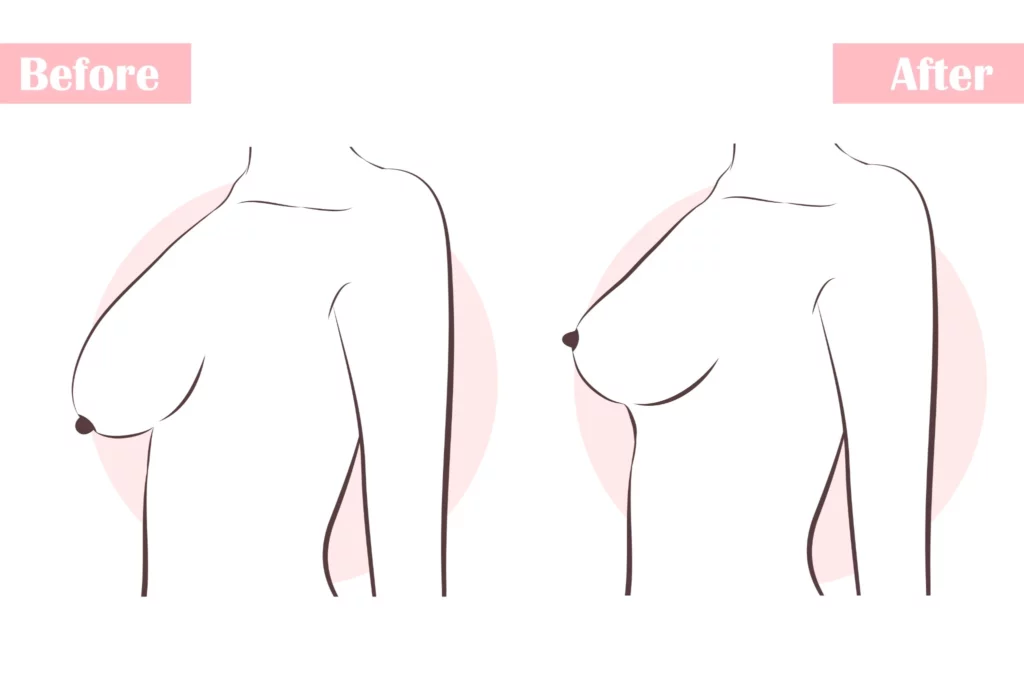
Many women who have undergone breast augmentation later consider breast implant exchange as their needs, preferences, or circumstances change over time. Breast implant exchange is a revision procedure in which a surgeon removes existing implants and replaces them with new ones, either for a medical reason such as rupture or capsular contracture or simply for a change in size. Whether you’re experiencing complications, seeking a different size, or simply want to update your implants with newer technology, understanding the complete process is essential for making informed decisions about your health and aesthetic goals.
How often does a replacement actually happen? In the manufacturer’s 10-year core study of fourth-generation smooth round Allergan Natrelle silicone implants, 36.1% of patients had undergone a reoperation of some kind within a decade of their original surgery. The study’s own category is reoperation for any reason, so it counts elective changes in size or shape as well as genuine complications (Spear SL, Murphy DK, Plastic and Reconstructive Surgery, 2014;133(6):1354–1361). Earlier long-term follow-up of 1,800 augmentation patients put the five-year reoperation rate at 12%, and published series place it closer to 35% for women who have already had one revision — the group most likely to be reading this page.
Those figures read very differently once you know the framing the FDA uses: breast implants are not considered lifetime devices, and the longer you have them, the greater the chance that something will eventually need attention. For many women a breast implant exchange is therefore a planned chapter of living with implants rather than evidence that anything went wrong. This comprehensive guide explores every aspect of the procedure, from identifying when replacement is necessary to understanding the complete recovery process.
When Is Breast Implant Exchange Necessary?
Size Dissatisfaction and Aesthetic Changes
Size dissatisfaction is one of the most common reasons women ask about replacing their implants. Many women gain weight, particularly in their breasts, and may find they no longer need as large an implant, while others may desire increased volume as their aesthetic preferences evolve.
Common scenarios requiring size adjustment:
- Initial implants feel smaller than expected after healing
- Lifestyle changes necessitating size reduction for comfort
- Body proportion changes due to weight fluctuation
- Post-pregnancy breast changes requiring readjustment
The popularity of certain sizes has shifted over time, with many patients now preferring more natural-looking results that complement their overall body proportions rather than simply maximizing volume.
Medical Complications Requiring Exchange
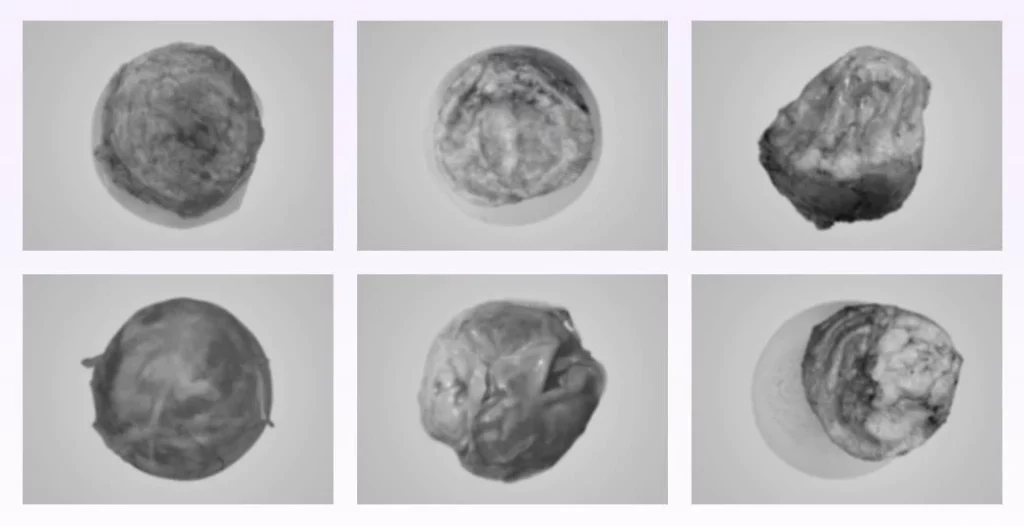
Implant leaks, capsular contracture (scar tissue formation around the implant), or a personal desire to change breast size are primary medical reasons necessitating breast implant revision surgery.
Medical indications for implant exchange:
- Implant rupture: Both silicone gel leakage and saline implant deflation
- Capsular contracture: Hardening and distortion caused by excessive scar tissue formation
- Implant malposition : Displacement or shifting of implants over time
- Infection: Rare but requires immediate removal and potential replacement
According to the textbook Augmentation Mastopexy, a systematic review found only 3 surgical steps that lowered the chance of capsular contracture returning: changing the implant pocket, exchanging the implant, and adding a dermal matrix. A dermal matrix is a thin sheet of processed tissue used to reinforce the pocket that holds the implant. The same review could not say whether removing the whole capsule works better than removing only part of it, so replacing the implant itself remains one of the few steps with clear evidence behind it when hard scar tissue keeps coming back.
According to a 2021 surgical reference on aesthetic breast surgery complications, a ruptured implant should be removed, and that operation can be combined with partial or complete capsule removal. Whether a new implant goes back in is your decision to make, and the implant type, the pocket it sits in, and the incision used are all worked out with your surgeon.
Silicone can also leak outside the capsule, and the medical literature describes a fairly consistent cluster of warning signs when that happens. None of them prove a rupture on their own, but together they are a reason to book an examination rather than wait and see.
Signs that should prompt an examination:
- Breast pain: New or persistent discomfort that was not there before
- Asymmetry: One breast changing shape, height, or volume relative to the other
- Palpable nodules: Small lumps you can feel in the breast or under the arm
- Swollen lymph nodes: Glands near the armpit that stay enlarged
- New hardening: Capsular contracture appearing alongside any of the signs above
Breast implant exchange is not the only answer to capsular contracture. Textbook guidance is that explantation, meaning removal of the implant without putting a new one in, can be the most sensible choice when contracture has already come back after earlier attempts to correct it. Talking through both paths before surgery keeps the decision in your hands rather than leaving it to be settled in the operating room.
Understanding these complications helps patients recognize when professional evaluation becomes necessary for their health and safety.
How Does Implant Exchange Surgery Work?
Comprehensive Pre-Surgical Evaluation
Before proceeding with breast implant exchange, thorough diagnostic evaluation ensures optimal surgical planning and patient safety. An ultrasound evaluation during your consultation is usually a reliable way to determine whether an implant has ruptured.
Essential diagnostic procedures:
- Breast ultrasound: Assessment of implant integrity and surrounding tissue health
- MRI imaging: Detailed evaluation for silent ruptures when clinically indicated
- Comprehensive blood work: Overall health status verification
- Mammography: Breast tissue health evaluation when appropriate
This evaluation phase allows surgeons to develop personalized treatment plans addressing each patient’s specific needs and anatomical considerations.
Surgical Procedure and Techniques
Most breast implant exchange surgeries are performed under general anesthesia. The complexity of revision surgery often exceeds that of initial augmentation procedures.
Step-by-step surgical process:
- Anesthesia administration: General anesthesia for patient comfort and safety
- Strategic incision placement: Utilizing existing scars when possible to minimize additional scarring
- Careful implant removal: Meticulous extraction preventing tissue damage
- Capsule evaluation: Assessment and potential removal of surrounding scar tissue
- New implant placement: Precise positioning of replacement implants
- Layered closure: Careful suturing to optimize healing and minimize scarring
If you are simply exchanging your current implant whether it’s for one that is the same size or one that’s bigger or smaller, we typically use your existing incision line to perform the exchange, which helps minimize additional scarring.
Spear’s Surgery of the Breast, a standard plastic surgery textbook, lists 4 complications that can follow any implant operation: hematoma, seroma, implant malposition, and capsular contracture. A hematoma is a collection of blood and a seroma is a collection of clear fluid, while malposition means the implant has settled in the wrong spot. That reference also notes that a malpositioned implant is first treated with external massage, and that another operation is required only when massage brings no improvement.
That same textbook reports that prevention works better than treatment for capsular contracture, and it describes a 14-point plan centered on careful bleeding control and a strict no-touch technique. A no-touch technique simply means the implant is handled as little as possible during surgery so that bacteria never reach it, which is why the operating room routine matters as much as the implant you choose.
Two words come up constantly in revision surgery and they are easy to mix up. A capsulotomy means the surgeon cuts the scar capsule open to release the pressure squeezing the implant, while a capsulectomy means the capsule itself is taken out, either partly or completely.
Once a capsular contracture is established, textbooks agree that one of those two steps is needed — massage alone will not release it. A good surgeon will tell you which one they expect to perform, and will also explain that the final call is sometimes made once the pocket is open and the tissue can be seen directly.
Three practical decisions are settled during the consultation rather than on the day of surgery: the implant type, the pocket plane, and the access incision. The pocket plane simply describes the layer the implant sits in, either above the chest muscle or partly underneath it, and moving the implant to a different layer is one of the steps linked to fewer contracture recurrences. If the two sides have become uneven over the years, procedures that correct the asymmetry can be built into the same operation instead of being left for a second visit.
Choosing Your New Implants: A Complete Guide
Factors Influencing Implant Selection
Revision surgery provides an opportunity to optimize your results based on experience and evolved preferences. Often the goal is to change or improve the appearance of the breasts while updating the implant material.
Critical selection considerations:
- Body proportions: Harmonious relationship with shoulder width, chest dimensions, and overall frame
- Existing tissue coverage: Adequate natural breast tissue for optimal implant concealment
- Lifestyle requirements: Professional, athletic, and daily activity considerations
- Long-term planning: Future pregnancy intentions and aging-related changes
Current Implant Technology Options
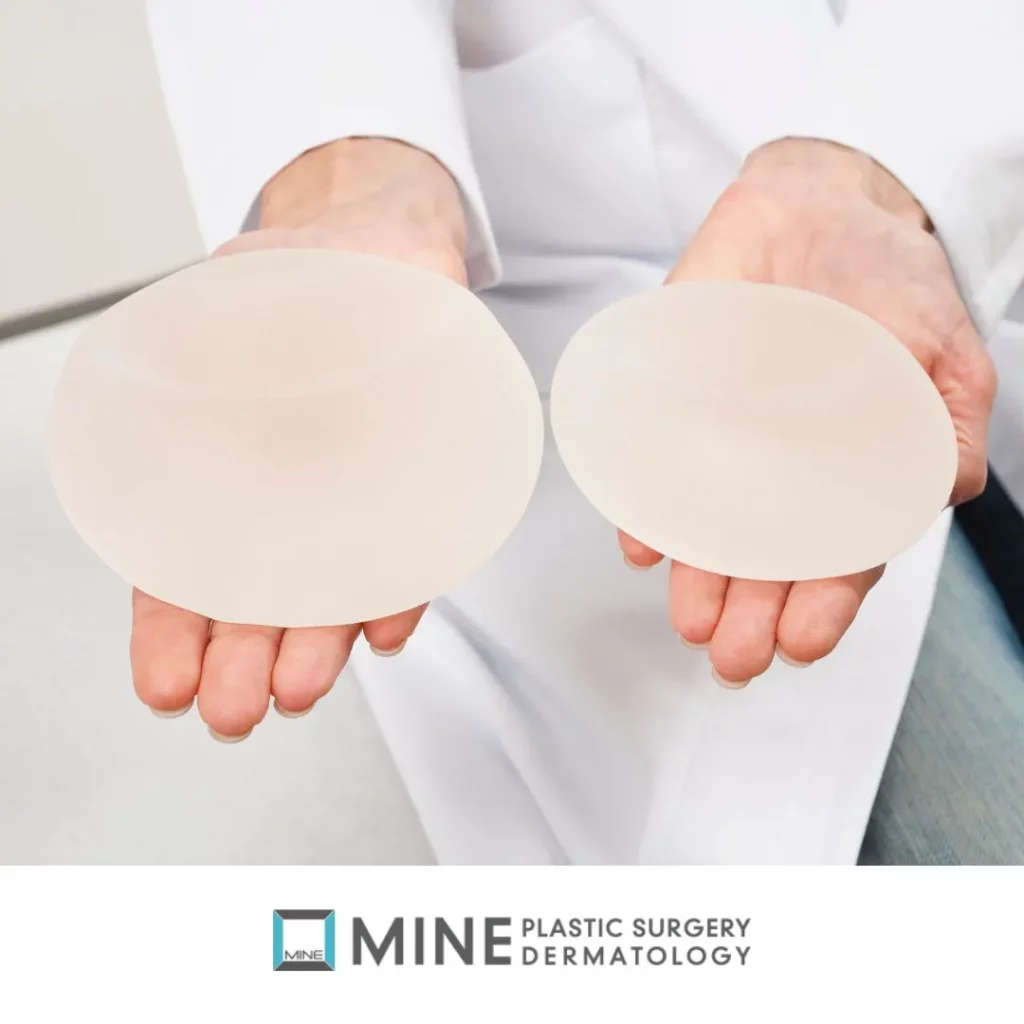
Modern breast implant technology offers superior safety profiles and aesthetic outcomes compared to earlier generations. Today’s silicone gel and saline breast implants are long-lasting devices. However, no breast implant is a lifetime device.
Available implant types:
- Cohesive gel implants: Enhanced safety with natural feel and movement
- Anatomical (teardrop) implants: Natural breast shape replication
- Round implants: Enhanced upper breast volume with various projection options
- Textured surfaces: Originally developed to lower capsular contracture rates and to stop anatomical (teardrop) implants from rotating in the pocket — but textured shells are also the ones linked to BIA-ALCL, and one textured line was recalled worldwide in 2019 (see below)
The surface and the shape of an implant are only half of the decision. Where the implant sits matters just as much, and a breast implant exchange is the natural moment to revisit that choice, because the pocket can be adjusted, reinforced, or moved to a different layer while the old implant is out. The dermal matrix described earlier is sometimes added at this stage to support a weak pocket.
If You Have Textured Implants
Textured shells were introduced for two practical reasons. A meta-analysis of 11 randomized trials found lower capsular contracture rates with textured implants than with smooth ones, and every teardrop-shaped implant is textured so that it cannot rotate out of position in the pocket. Both of those benefits are real, and both come with a second half of the story that deserves a plain explanation.
Textured surfaces are also the ones linked to BIA-ALCL, a rare T-cell lymphoma that grows in the scar capsule or fluid around an implant, not in breast tissue. It is not breast cancer. Two-thirds of reported cases appear as fluid collecting over a year after surgery, one-third as a capsular mass, and one in eight with swollen lymph nodes. No case is known with purely smooth implants, though cases follow every major texturing method in use. On July 24, 2019, Allergan issued a voluntary worldwide recall of its BIOCELL textured implants and tissue expanders; its NATRELLE smooth and MICROCELL lines were not affected. Even so, the FDA does not recommend screening or preventive removal in patients without symptoms.
What that means in practice is straightforward. Having a textured implant is not on its own a reason to schedule a breast implant exchange. What does justify an appointment without delay is a new change appearing more than a year after your surgery — one breast swelling, fluid collecting, or a lump you can feel — because those are the presentations a surgeon needs to rule out rather than watch. Bring your operative record if you still have it, so your surgeon can confirm which implant and which surface you actually received instead of estimating.
Understanding these options helps patients make informed decisions aligned with their aesthetic goals and safety priorities.
What Determines the Cost of a Breast Implant Exchange?
Almost every patient asks about price early, and the honest answer is that a breast implant exchange is not one procedure with one fee. It covers everything from a straightforward swap through the existing scar to a multi-step rebuild of the pocket, and the quote follows the work involved. Knowing which factors move the figure lets you compare two proposals meaningfully instead of choosing on the headline number alone.
What moves the price of a breast implant exchange up or down:
- The implant itself: cohesive silicone gel, saline, round and anatomical shells sit at different price points, and warranty terms differ between product lines
- How much capsule work is needed: releasing the capsule is quicker than removing it, and a complete capsulectomy adds substantial operating time
- Whether the pocket changes: moving the implant to a different layer is a larger operation than reusing the pocket that is already there
- Added materials: an acellular dermal matrix is a separate consumable cost, used only when a weak pocket needs reinforcement
- Procedures combined in one session: correcting asymmetry or adding a lift costs less done together than as a second operation, but it raises the single invoice
- Anesthesia and facility: general anesthesia, an accredited operating room, and the length of the case are billed on time
- How complex your revision history is: a first exchange is not priced like a third, and a ruptured or infected implant requires extra steps
- Diagnostics and aftercare: ultrasound or MRI before surgery, compression garments, and the follow-up schedule may or may not be bundled into the quoted figure
Two questions cut through most of the confusion when you are comparing breast implant exchange quotes. Ask exactly what the quote includes — implant, anesthesia, facility, garments, follow-up visits, imaging — because an apparently lower figure often leaves several of them out. Then ask what happens financially if a complication needs a second operation, since clinics and implant manufacturers handle warranty and revision coverage differently. A written breakdown is a normal thing to request and an easy thing for a clinic to provide, and it is the single best protection against a surprise on the day of surgery.
How Long Does Recovery Take After Implant Exchange Surgery?
Expected Recovery Timeline
Recovery after implant exchange surgery usually takes six to eight weeks, with many patients back at light desk work within about a week and cleared for full exercise by week 6. It tends to move faster than recovery from the initial augmentation, because the pocket and the tissue planes are already established, and most patients find the second operation much easier than the first.

Detailed recovery phases:
Days 1-3 Post-Surgery:
- Compression garment initiation for optimal healing
- Rest and controlled activity levels
- Pain management with prescribed medications
Week 1:
- Possible suture removal (technique-dependent)
- Return to light desk work for many patients
- Continued lifting restrictions (typically under 10 pounds)
Weeks 2-4:
- Gradual activity increase with continued precautions
- Introduction of light exercise as cleared by surgeon
- Ongoing compression garment use
Weeks 6-8:
- Return to most normal activities including exercise
- Final shape stabilization beginning
- Comprehensive follow-up evaluation
Optimizing Your Recovery Experience
Evidence-based recovery strategies:
- Consistent follow-up care: Regular surgeon consultations for monitoring
- Proper compression garment use: Adherence to wearing schedules
- Smoking cessation: Essential for optimal tissue healing
- Adequate sleep: Critical for tissue regeneration and recovery
Compression garments do more than hold everything in place. They limit swelling and help the new implant settle into the pocket in the position your surgeon chose, which is why the wearing schedule is worth following even on the days it feels unnecessary. Swelling that rises and falls for several weeks is normal after breast implant exchange, and the shape you see at week 2 is not the shape you will keep.
Professional guidance throughout recovery ensures optimal outcomes and early identification of any concerns requiring attention.
Pre-Surgery Preparation and Important Considerations
Selecting Your Surgical Team
Breast implant exchange requires specialized expertise due to the complexity of revision procedures. Selecting a skilled, experienced surgeon is essential for a successful revision.
Essential surgeon qualifications:
- Board certification in plastic surgery
- Extensive revision surgery experience and demonstrated expertise
- Comprehensive safety protocols and emergency preparedness
- Detailed follow-up care programs and patient support
Critical Consultation Questions
Essential topics for surgical consultation:
- Current implant condition assessment and diagnostic findings
- Recommended implant types and size justification
- Surgical approach rationale and incision planning
- Potential complications and management strategies
- Warranty policies and revision coverage options
Bring your original operative record if you still have it. Knowing which implant was used, how large it was, which layer it was placed in, and where the incision was made removes a lot of guesswork and lets your surgeon plan around what is already there. If the record is long gone, an ultrasound and a careful examination usually fill in most of the picture, but the paperwork makes the consultation faster and the surgical plan more precise.
The American Society of Plastic Surgeons provides valuable resources for patient education and surgeon verification to support informed decision-making.
Come to that conversation with your own list. The questions above are the ones that change a surgical plan, and writing them down beforehand keeps the consultation focused on your case rather than on general information you could have read at home.

Frequently Asked Questions
Can I choose larger implants during my exchange?
Yes, size increases are generally possible during breast implant exchange. However, your surgeon will evaluate existing tissue elasticity, skin quality, and anatomical limitations to determine safe size parameters. Implant malposition is particularly common in women who perhaps got a larger implant than their anatomy could support, emphasizing the importance of appropriate sizing.
Will my new implants look natural?
Exchange surgery often produces more natural results than initial augmentation because surgeons can refine the approach based on your previous experience. The ability to address any issues from the first surgery while optimizing size and placement typically leads to improved aesthetic outcomes.
Is exchange surgery recovery longer than my first surgery?
Usually not. A straightforward exchange is more demanding for the surgeon than a first-time augmentation, but it is usually easier on you: the pocket and the tissue planes already exist, so there is far less dissection and stretching than the first time around. Most patients are back at desk work within about a week and cleared for full exercise by around week six. The exception is a more involved revision — if the capsule is removed, the implant is moved to a different layer, a dermal matrix is added, or the size increases significantly, plan for a recovery closer to your original augmentation. Many patients also find the second recovery more predictable, because they already know what to expect.
Can I switch to a different implant brand during exchange?
Absolutely. Changing implant manufacturers during exchange is common and often recommended when addressing specific complications. Your surgeon will help select the most appropriate implant type and brand based on your individual needs and the latest technology available.
How do I know if my implants need replacement?
The FDA recommends monitoring gel breast implants starting at 5-6 years after surgery and every 2-3 years thereafter with ultrasound or MRI to detect silent leaks. Regular check-ups with your plastic surgeon help identify any issues requiring attention.
Making Informed Decisions About Your Breast Implant Exchange
Breast implant exchange represents a significant decision that impacts both your physical health and personal confidence. Success depends on thorough research, careful surgeon selection, and realistic expectation setting throughout the process.
The revision surgery process requires even more careful planning than initial augmentation due to the complex nature of working with previously operated tissues. Comprehensive pre-surgical evaluation, expert surgical technique, and dedicated post-operative care contribute to optimal outcomes and patient satisfaction.
For personalized consultation and expert evaluation of your specific situation, experienced plastic surgeons specializing in breast implant revision surgery can provide detailed assessment and customized treatment planning. The team at mineclinic offers comprehensive breast surgery services with extensive experience in complex revision procedures.
Medically reviewed by Dr. Lee Sung-wook, board-certified plastic surgeon (Korean Board of Plastic Surgery), Gangnam, Seoul, Korea. Last reviewed: September 2026.
※ This content is for informational purposes only and does not replace professional medical advice, diagnosis, or treatment. Individual results may vary, and side effects may occur. Please consult with a board-certified plastic surgeon for personalized advice.