EN
EN

Table of contents
Breast revision surgery is a crucial medical procedure performed when patients are dissatisfied with previous results, experience complications, or require implant replacement. The recovery process after breast revision surgery differs significantly from initial breast augmentation, requiring systematic care that directly impacts surgical outcomes and patient satisfaction. Following your surgeon’s instructions meticulously is essential for optimal results.
This comprehensive guide provides all the information you need for recovery after breast revision surgery, from healing stages to returning to daily activities, complete with expert advice. We’ll cover specific management techniques and precautions to minimize complications and achieve the best possible results.
Understanding the Breast Revision Surgery Recovery Process
Recovery after breast revision surgery is typically more complex and time-consuming than recovery from initial breast augmentation. This is due to tissue changes, scar formation, and blood flow alterations resulting from the previous surgery.
Typical Recovery Stages After Breast Revision Surgery
- Immediate Post-Surgery (1-3 days)
- Peak swelling and pain
- Hospital stay or intensive observation period
- Drain management and medication regimen begins
- Early Recovery (1-2 weeks)
- Swelling begins to decrease
- Basic daily activities become possible
- Compression garments are mandatory
- Regular clinic visits for check-ups and dressing changes
- Mid-Recovery (3-6 weeks)
- Most swelling subsides
- Significant pain reduction
- Light activities become possible
- Continued compression garment use
- Late Recovery (7 weeks-3 months)
- Resolution of most swelling
- Full return to daily activities
- Light exercise can begin
- Focus on scar management intensifies
- Complete Recovery (3 months-1 year)
- Final results begin to take shape
- All activities permitted
- Continued scar care
- Regular follow-up appointments to monitor results
Recovery Time Variations by Revision Type
Recovery timelines vary depending on the type of breast revision procedure performed:
- Implant Exchange: Basic recovery period of approximately 4-6 weeks
- Capsular Contracture Correction: About 6-8 weeks, with additional time needed for tissue healing
- Position Correction: Approximately 6-8 weeks, requiring stabilization of the new pocket
- Complex Revision: 8+ weeks, extended recovery due to correction of multiple issues
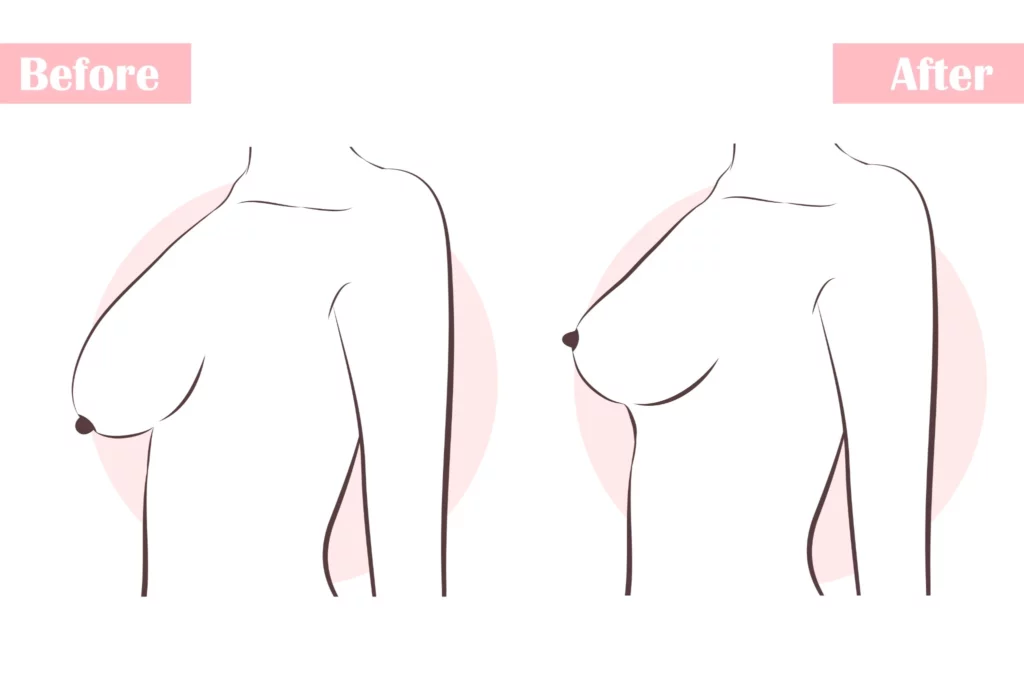
Breast revision recovery progression showing changes from initial swelling through to final results.
Initial Breast Revision Surgery Aftercare (1-2 Weeks)
The first two weeks following breast revision surgery are critical, as this period significantly impacts the entire recovery process.
First 48 Hours Management Points
- Bed Rest and Positioning: Maintain an elevated upper body position at approximately 30 degrees
- Cold Compresses: Apply according to surgeon’s instructions to reduce swelling
- Drain Management: Proper care of drainage tubes if present
- Medication: Take prescribed antibiotics and pain medications at precise times
- Diet: Maintain hydration and consume easily digestible foods
Daily Life Management for the First Two Weeks
- Showering and Hygiene: Keep the wound area dry as directed by your surgeon
- Sleep Position: Sleep exclusively on your back for the first two weeks (avoid side-sleeping or lying face-down)
- Activity Restrictions: No heavy lifting, reaching, or vigorous movements
- Compression Garments: Wear 24 hours a day (except when showering)
- Smoking and Alcohol: Completely prohibited for at least two weeks as they delay healing
Following the guidance of specialized medical staff at mineclinic is crucial during this period. Inadequate early care increases the risk of complications and extends recovery time.
How to Manage Pain After Breast Revision Surgery
Pain after breast revision surgery varies based on the procedure type, extent, and individual pain threshold. Effective pain management is key to faster recovery.
How Long Does Pain Last After Breast Revision Surgery?
Pain after breast revision typically follows this pattern:
- 1-3 days: Most intense pain (pain level 6-8/10)
- 4-7 days: Moderate pain (pain level 4-6/10)
- 1-2 weeks: Mild pain and discomfort (pain level 2-4/10)
- 2-4 weeks: Intermittent discomfort and tightness (pain level 1-2/10)
- 1-3 months: Occasional discomfort during activities
Effective Pain Management Strategies
- Medication-Based Pain Control
- Take prescribed pain medications at the exact dosage and timing
- Use anti-inflammatory medications to simultaneously manage swelling and pain
- Initially take medications regularly rather than waiting for severe pain
- Non-Medication Pain Management
- Cold Compresses: Apply for the first 48 hours at 20-minute intervals
- Posture Management: Maintain proper positioning to alleviate pain
- Deep Breathing and Meditation: Reduce tension and decrease pain perception
- Adequate Rest: Ensure sufficient sleep and rest for recovery
- Pain Journal Tracking
- Record pain levels, patterns, and aggravating/alleviating factors
- Use as reference during medical consultations
- Helps identify abnormal pain patterns early
Important Note: Always consult with your surgeon before taking any pain medications, herbal supplements, or health supplements other than those prescribed. Some ingredients may increase bleeding risk or delay healing.
Compression Garments: Importance and Proper Use
Compression garments are essential in the breast revision recovery process, providing benefits like reduced swelling, prevention of bleeding, implant stabilization, and promotion of skin contraction.
How Compression Garments Impact Recovery
- Reduced Swelling and Pain: Pressure promotes lymphatic fluid circulation
- Implant Position Stabilization: Particularly important for position correction surgeries
- Hematoma Prevention: Appropriate compression reduces bleeding risk
- Minimized Scar Formation: Proper pressure promotes skin and tissue healing
- Skin Contraction Promotion: Helps skin adjust to the new breast contour
Compression Garment Wearing Schedule
- Immediately Post-Surgery to 2 Weeks: 24-hour wear (except when showering)
- 2-4 Weeks: 20-22 hours per day as directed by your surgeon
- 4-6 Weeks: Daytime wear (approximately 12-16 hours)
- 6-8 Weeks: Only during activity periods (approximately 8-12 hours)
Proper Compression Garment Wearing Techniques
- Compression Intensity: If breathing becomes difficult or pain increases, compression may be too tight
- Position Check: Ensure even compression over the surgical area
- Wrinkles and Folds: Keep the garment free of wrinkles or folds
- Cleanliness: Keep spare compression garments for rotation during washing
- Skin Condition Monitoring: Check for skin discoloration or irritation while wearing
Expert Tip: Ideally, compression garments should be custom-made. mineclinic provides optimal compression garments tailored to patient body types and surgical procedures to maximize recovery benefits.
Proper compression garment wear after breast revision surgery. Even compression and comfortable fit are essential.
Breast Revision Surgery Scar Management Strategies
Scar management is a critical aspect of breast revision surgery recovery. Revision cases may require incisions over existing scars or additional incisions, necessitating even more careful management.
Understanding the Scar Formation Process
- Inflammatory Phase (0-5 days): Initial wound healing, redness and swelling
- Proliferative Phase (5 days-6 weeks): Collagen formation begins, scar tissue generation
- Remodeling Phase (6 weeks-1+ years): Scar tissue reorganization and maturation
Effective Scar Management Techniques
Early Care (0-2 weeks)
- Thorough wound disinfection and cleanliness
- Dressing changes as directed by your surgeon
- Careful movement to avoid strain on incision sites
- Complete protection from direct sunlight
Mid-Term Care (2-6 weeks)
- Silicone Sheets/Gel Application:
- Begin after complete wound closure, typically at the 2-week mark
- Use continuously for 12-23 hours daily
- Clean periodically and reuse as directed
- Taping Techniques:
- Apply medical tape to provide pressure on scar areas
- Ensure proper direction and appropriate tension
- Discontinue immediately if skin irritation occurs
Long-Term Care (6+ weeks)
- Sun Protection:
- Use SPF 50+ sunscreen on healed scars
- Limit direct sun exposure for at least 12 months
- Scar Massage:
- Begin at 6 weeks post-surgery as directed by your surgeon
- Use gentle circular movements around the scar
- Perform for 5-10 minutes, 2-3 times daily
- Professional Treatments:
- Laser therapy: Improves red scars or hypertrophic scars
- Steroid injections: Treats keloids or hypertrophic scars
- Microneedling: Promotes collagen production
According to the American Society of Plastic Surgeons, scar management should continue for at least 12 months. Revision cases have a higher risk of scar formation, requiring ongoing observation and management by a specialist.
Exercise and Daily Activity Guidelines After Breast Revision
Return to daily activities and exercise after breast revision surgery should be gradual. Resuming activities too quickly can increase complication risks and delay healing.
Daily Activity Return Timeline
| Timeline | Permitted Activities | Restricted Activities |
|---|---|---|
| 1-2 days | Bed rest, light walking | Most activities restricted |
| 3-7 days | Light daily activities, short-distance walking | Driving, household chores |
| 1-2 weeks | Light housework, brief computer work | Heavy lifting, arm stretching |
| 2-4 weeks | Return to office work, prolonged sitting activities | Physical labor, lifting children |
| 4-6 weeks | Most daily activities, light shopping | Vigorous activities, high-intensity exercise |
| 6-8 weeks | Almost all daily activities | Activities with direct pressure on breasts |
| 8+ weeks | Normal daily activities | As directed by surgeon |
Exercise Return Guidelines by Stage
Stage 1: Light Activity (1-2 Weeks Post-Surgery)
- Permitted Exercises: Light walking (5-10 minutes), ankle rotation exercises
- Intensity: Very low, minimal heart rate increase
- Precautions: Minimize arm movement, avoid sweating
Stage 2: Lower Body Focus (2-4 Weeks Post-Surgery)
- Permitted Exercises: Leg exercises, light stretching, 15-20 minute walks
- Intensity: Low, slight heart rate increase allowed
- Precautions: Continue limiting upper body movements
Stage 3: Moderate Intensity (4-6 Weeks Post-Surgery)
- Permitted Exercises: Brisk walking, light lower body strength training
- Intensity: Low-moderate, conversation should remain possible
- Precautions: Arm-raising movements still limited
Stage 4: Light Upper Body Activity (6-8 Weeks Post-Surgery)
- Permitted Exercises: Low-intensity upper body exercises, light swimming
- Intensity: Moderate, slightly breathless
- Precautions: Avoid exercises that directly stress chest muscles
Stage 5: Return to Normal Activity (8-12 Weeks Post-Surgery)
- Permitted Exercises: Most exercises, jogging, Pilates, swimming
- Intensity: Moderate-high, adjusted to personal fitness level
- Precautions: Avoid sudden intensity increases
Important: Always consult with your surgeon before resuming any exercise. Return timelines and permitted activities may vary based on individual recovery, surgical technique, and potential complications.
Warning Signs to Watch For After Breast Revision Surgery
During recovery from breast revision surgery, contact your medical team immediately if you notice any of the following symptoms.
Warning Signs Requiring Immediate Medical Attention
- Abnormal Pain: Severe pain uncontrolled by prescribed medications
- Excessive Swelling: Significant swelling on one side or sudden increase in swelling
- Bleeding: Excessive blood on dressings
- Fever: Temperature above 38°C (100.4°F)
- Redness and Warmth: Severe redness, warmth, or pain at the surgical site
- Breathing Difficulties: Shortness of breath or chest tightness
- Implant Position Changes: Noticeable asymmetry or position changes
Delayed Complication Warning Signs
- Capsular Contracture: Hardening of the breast or shape deformation
- Sensation Abnormalities: Severe numbness or pain persisting beyond 4-6 weeks
- Chronic Pain: Pain lasting more than 3 months
- Hypertrophic Scarring: Thick, red scar formation
- Delayed Infection: Infection signs appearing weeks after surgery
While these warning signs are rare, prompt action is necessary if they occur. mineclinic provides a 24-hour emergency contact system, prioritizing patient safety above all.
Frequently Asked Questions
How long is the recovery period after breast revision surgery?
Recovery time after breast revision surgery varies depending on the procedure type and individual factors, but generally follows this timeline:
- Basic Recovery (Return to Daily Activities): 2-4 weeks
- Intermediate Recovery (Most Activities Possible): 6-8 weeks
- Complete Recovery (All Activities Permitted): 3-6 months
- Final Results Visible: 6-12 months
Recovery may be longer than the initial surgery, particularly for complex corrections requiring additional healing time.
How does pain after breast revision surgery compare to the first surgery?
Most patients report that pain after breast revision surgery feels different or more intense than after their initial surgery. This is due to tissue changes and scar tissue from the previous procedure. Specifically:
- After capsular contracture correction: Potentially more intense pain
- After implant exchange only: Similar pain level to first surgery
- After complex reconstruction surgery: More extensive and longer-lasting pain
Personalized pain management plans are important; consult with your surgeon to determine appropriate pain medications and management techniques.
How will scars change after breast revision surgery?
Breast revision surgery typically utilizes existing scars, but new incisions may be necessary in some cases. Scar changes may include:
- Existing Scar Utilization: In most cases, existing scars become slightly wider
- New Approach: Additional scars may appear in new locations if needed
- Complex Corrections: Multiple scar sites may be added
Scar management is even more crucial than after the initial surgery, with recommended active management using silicone sheets, taping, and laser treatments.
How long should I wear compression garments?
Compression garment duration varies by surgical type and surgeon’s instructions, but general guidelines include:
- 24-Hour Wear Period: 2-4 weeks
- Partial Wear Period (Daytime Only): Additional 2-4 weeks
- Total Wear Period: 6-8 weeks
Longer wear periods may be recommended for capsular contracture correction or complex revisions. The compression garment type and pressure intensity may also be adjusted throughout recovery stages.
When can I resume exercise after breast revision surgery?
Exercise resumption after breast revision surgery should be gradual:
- Light Walking: From 1-2 weeks post-surgery
- Lower-Body Focused Light Exercise: From 4-6 weeks
- Moderate Exercise Including Upper Body: From 6-8 weeks
- High-Intensity Exercise, Weight Training: From 8-12 weeks
Exercise resumption timing should be determined in consultation with your surgeon based on surgical type and recovery progress. Premature exercise resumption can increase complication risks and negatively impact final results.
Final Advice for Breast Revision Surgery Recovery
For optimal results after breast revision surgery, strictly follow your specialist’s instructions and pay attention to your body’s healing signals. Recovery is a marathon, not a sprint, requiring patience and a gradual approach.
mineclinic provides personalized recovery management programs with specialized medical staff for breast revision patients. Our systematic recovery management minimizes complications and helps achieve optimal results.
If you have questions about your breast revision recovery process or need professional consultation, please contact mineclinic at any time. Our experienced specialists will develop a personalized recovery management plan through consultation.
mineclinic is committed to supporting your healthy recovery and satisfactory results.
This information is provided for general educational purposes and is not a substitute for professional medical advice. For accurate information and treatment appropriate to your individual condition, please consult with a specialist.
Was this information helpful? If you have any questions or would like to know more about breast revision surgery, please leave a comment below.