EN
EN

Breast augmentation medically known as augmentation mammoplasty, is a surgical procedure that increases the size and reshapes the breasts using implants or the patient’s own fat. It is one of the most frequently performed cosmetic procedures worldwide and boosting self-confidence. Many women consider this surgery to address insecurities about small breasts, restore volume lost after pregnancy, or simply achieve a more balanced figure. However, like any surgical procedure, making an informed decision requires accurate information and a thorough understanding of what’s involved.
In this comprehensive guide, we’ll walk you through everything you need to know about breast augmentation surgery—from the main breast augmentation techniques and implant options to the recovery process and long-term results. Our goal is to provide professional, evidence-based information to help you make the right decision and achieve satisfying results. We’ll also cover important factors such as potential risks and complications, as well as tips for ensuring a smooth recovery. Understanding the breast augmentation healing process is crucial for setting realistic expectations and achieving the best possible outcome. By arming yourself with knowledge, you can approach your surgery with confidence and anticipation for your results.
In short, the three main breast augmentation techniques are implant-based augmentation, fat transfer (fat grafting), and a breast lift combined with augmentation. Which one suits you depends on your body frame, how much natural breast tissue you have, the degree of sagging, and the result you want—so the technique is chosen during consultation rather than picked from a menu.
Table of contents
What is Breast Augmentation?
Breast augmentation, medically known as augmentation mammoplasty, is a surgical procedure that enhances the size and shape of the breasts using implants or fat transfer techniques. This procedure is among the most frequently performed cosmetic surgeries worldwide.
Breast augmentation is performed for several reasons:
- Enhancing small breasts: Increasing the size of naturally small breasts
- Correcting asymmetry: Improving differences in size or shape between the breasts
- Restoring volume: Addressing sagging or volume loss after pregnancy, breastfeeding, weight loss, or aging
- Breast reconstruction: Rebuilding breast tissue after mastectomy or injury
Types of Breast Augmentation Procedures
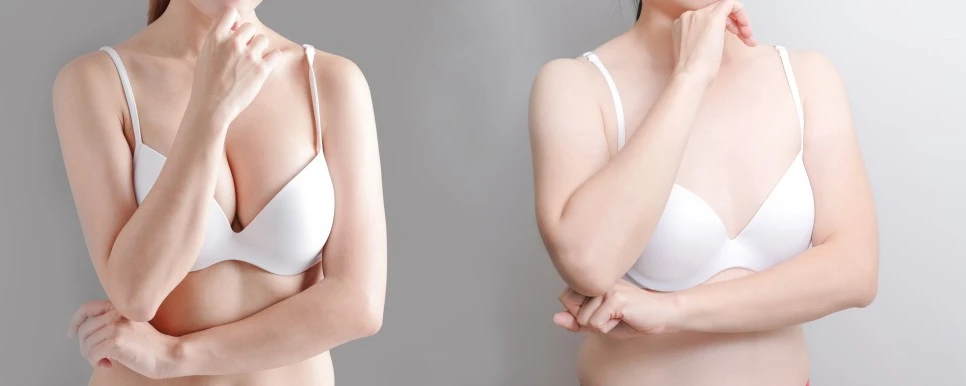
Breast augmentation is performed in three ways: implant-based augmentation, fat transfer (fat grafting), and a breast lift (mastopexy) combined with augmentation. Each has its own advantages. The most suitable approach depends on your body type, aesthetic goals, and existing breast tissue.
Implant-Based Augmentation
Implant-based augmentation is the most common method, involving the placement of silicone or saline implants to enhance breast size and shape.
Implant Placement Options:
- Subglandular (over the muscle): Implants are placed between the breast tissue and the chest muscle
- Submuscular (under the muscle): Implants are positioned beneath the chest muscle
- Dual-plane technique: A combination approach where the implant is partially under the muscle
Incision Locations:
- Periareolar: Around the edge of the areola
- Inframammary: Along the breast crease
- Transaxillary: Through the armpit
- TUBA (transumbilical): Through the navel (only suitable for saline implants)
Each incision type offers different advantages regarding scar visibility, surgical access, and recovery. Your surgeon will recommend the most appropriate option based on your anatomy and desired outcome.
Fat Transfer Breast Augmentation
Fat transfer breast augmentation uses your body’s own fat cells to enhance breast size and shape. This approach is ideal for:
- Those seeking a modest increase in breast size
- Patients who prefer to avoid implants
- Women desiring the most natural feel and appearance
- Those who would benefit from fat reduction in other areas
The fat transfer process involves:
- Liposuction to harvest fat from areas such as the thighs, abdomen, or hips
- Processing and purifying the extracted fat
- Strategic injection of the fat cells into the breast tissue
While this method avoids introducing foreign materials, some of the transferred fat may be reabsorbed by the body, potentially requiring multiple procedures for optimal results.
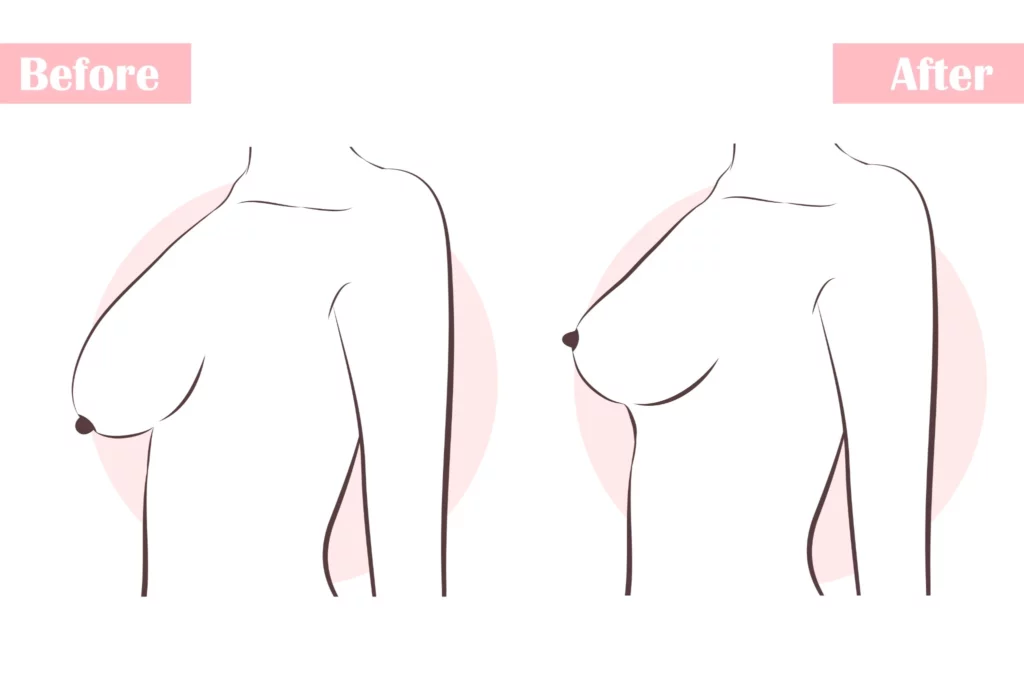
Breast Lifting (Mastopexy) with Augmentation
Breast lifting with augmentation combines implant placement with excess skin removal to create fuller, more youthful-looking breasts. This combination procedure is recommended for:
- Breasts that have lost volume and become saggy after pregnancy or breastfeeding
- Breasts that have changed shape after significant weight loss
- Age-related breast changes including loss of elasticity
This procedure typically results in more extensive scarring than augmentation alone but can dramatically improve severe sagging while adding volume.
Breast Implant Options
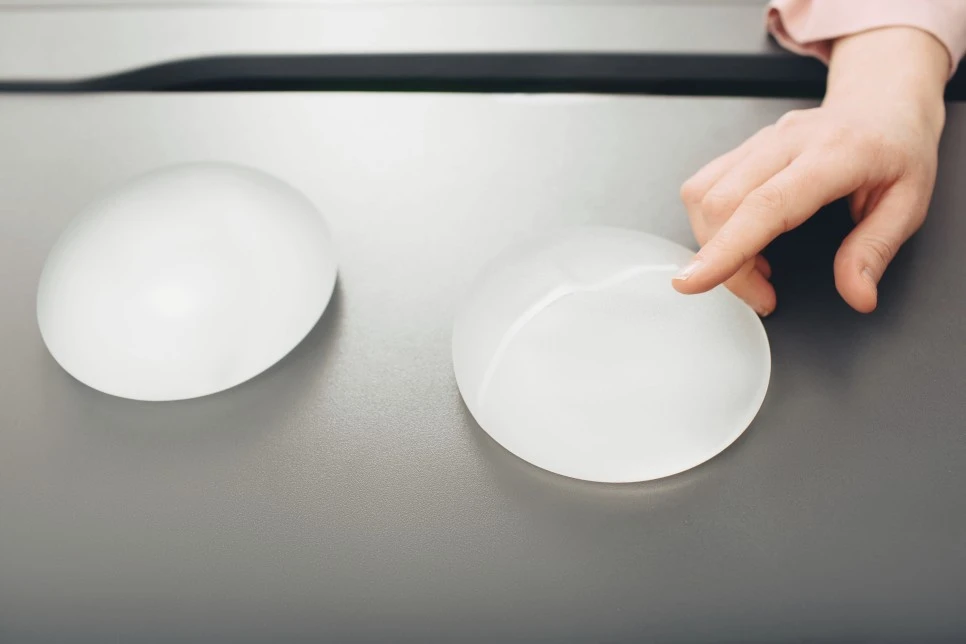
The choice of breast implant significantly impacts your surgical outcome. Modern implants come in various materials, shapes, textures, and sizes to achieve the most natural and aesthetic results for your body type.
Implant Shapes
1. Round Implants
- Symmetrical in all dimensions
- Create fuller upper breast volume
- Natural appearance with a more pronounced fullness
- Less concern about rotation
2. Anatomical (Teardrop) Implants
- More fullness in the lower portion, mimicking natural breast shape
- Create a more subtle, natural-looking contour
- May require precise placement to prevent rotation
Implant Materials
1. Silicone Gel Implants
- Feel similar to natural breast tissue
- Provide a soft, natural result
- Most commonly used implant type today
2. Saline Implants
- Silicone shell filled with sterile saltwater solution
- If ruptured, the saline is safely absorbed by the body
- May feel firmer and show more rippling than silicone
3. Structured Implants
- Combine aspects of both silicone and saline implants
- Offer the natural feel of silicone with some safety features of saline
- Some types allow for size adjustments
Implant Surfaces
1. Smooth Surface
- Soft feel and natural movement
- Relatively higher risk of capsular contracture
2. Textured Surface
- Rougher surface adheres to tissue, preventing movement
- Lower reported rates of capsular contracture, but textured surfaces have been linked to BIA-ALCL (breast implant-associated anaplastic large cell lymphoma), a rare cancer of the immune system, and some textured implants have been withdrawn from the market — discuss surface choice and its risks with your surgeon
- May feel slightly firmer
Latest Implant Technologies
Recent advancements include Motiva implants, which have gained popularity for their innovative features:
- A nano-textured surface that the manufacturer reports is associated with lower capsular contracture rates in its own registry data
- Various shape and firmness options
- Natural movement and feel
- Long-term stability and durability
Mentor Xtra implants, produced by a Johnson & Johnson subsidiary, are also highly sought after:
- Cohesive gel technology providing durability and shape stability
- Soft, natural feel
- Various profile (height) and size options
- SILTEX® microtexture surface reducing capsular contracture risk
- Approved by the U.S. FDA for use in the United States (approval status differs by country — ask which implants are licensed where you are treated)
- Customizable options for different body types
The Breast Augmentation Procedure
A successful breast augmentation requires thorough preparation and precise surgical planning. Here’s what to expect during the breast augmentation process.
Pre-Surgery Preparation
1. Consultation and Planning
- Detailed physical examination and measurements
- Discussion of your expectations and goals
- Selection of appropriate surgical technique and implants
- 3D simulation of expected results (available at some clinics)
2. Pre-Surgical Testing
- Blood tests, ECG, breast imaging as needed
- Review of existing medical conditions
- Assessment of medication and supplement use
- Evaluation of lifestyle factors such as smoking and alcohol consumption
3. Pre-Surgery Guidelines
- Discontinue smoking and alcohol consumption 2 weeks before surgery
- Ask your surgeon and your prescribing doctor which blood thinners, supplements, and herbal products to pause before surgery — never stop a prescribed medication on your own
- Fast as directed on the day of surgery
The Surgical Procedure
1. Anesthesia
- Most procedures are performed under general anesthesia
- In some cases, local anesthesia with sedation may be used
2. Incision and Pocket Creation
- Surgeon makes incisions at the predetermined location
- Creates a pocket for implant placement
3. Implant Insertion
- Careful placement of the selected implants
- Verification of symmetry and position
4. Closure and Finishing
- Layered suturing of the incisions
- Placement of drains if necessary
- Application of compression bandages or surgical bra
Post-Surgery Care
1. Immediate Recovery
- Observation in the recovery area for 1-2 hours
- Pain management and antibiotic administration
- Most patients can return home the same day (outpatient procedure)
2. Early Recovery Period (1-2 weeks)
- Taking prescribed medications (pain relievers, antibiotics)
- Wearing a supportive compression bra
- Limited activity with restricted movements
- Regular follow-up appointments for wound care
How is Breast Augmentation Surgery Performed?
Breast augmentation surgery typically follows these steps: consultation, surgical planning, anesthesia, incision, implant placement or fat transfer, and closure. The procedure takes approximately 1-2 hours and is usually performed under general anesthesia. Incision locations are chosen based on your body type and desired outcome, with options including around the areola, in the breast crease, or through the armpit. Implants are carefully positioned either above or below the chest muscle, with symmetry verified before closure. The surgeon then closes the incisions in layers, ensuring minimal scarring.
Breast Augmentation Recovery Process
Recovery after breast augmentation varies depending on the individual’s health, surgical technique, and implant type. Here’s a typical recovery timeline:
Recovery Timeline
1. Immediately After Surgery to 1 Week
- Peak swelling, discomfort, and tightness
- Pain managed with prescribed medication
- Continuous compression bra wear
- Limited activity with ample rest
- Sleeping with upper body elevated
2. 1-2 Weeks
- Gradual reduction in swelling and pain
- Return to light daily activities
- Most patients can return to work (non-physical jobs)
- Continued compression bra wear
- Suture removal (if non-dissolvable sutures were used)
3. 2-4 Weeks
- Significant reduction in swelling
- Implants begin to settle into position
- Light exercise can be resumed
- Gradual return to normal activities
4. 1-3 Months
- Most discomfort resolves
- Implants settle into their final position
- Scars begin to fade
- Light upper body stretching and exercises permitted
5. 6 Months to 1 Year
- Final results visible
- Maximum scar maturation
- Natural feel and movement established
Recovery Guidelines
1. Activity Restrictions
- Avoid lifting anything heavier than 5 pounds for at least 2 weeks
- No strenuous exercise, especially upper body workouts, for 4-6 weeks
- Avoid swimming pools and saunas for at least 4 weeks
2. Posture Management
- Avoid prolonged sitting or standing during the first 2 weeks
- Don’t sleep on your side initially
- Avoid direct pressure on the surgical area
3. Compression Bra Wear
- Wear the special compression bra as directed, typically for 4-6 weeks
- Avoid underwire bras for at least 3 months
4. Wound Care
- Clean and care for incisions as directed by your surgeon
- Use scar management products if recommended
- Avoid direct sun exposure to scars for at least 6 months to 1 year
How Long is the Recovery Period After Breast Augmentation?
The recovery after breast augmentation progresses in stages. Initial recovery takes about 1-2 weeks, during which you’ll experience the most pain and discomfort. Most patients can return to normal daily activities after 2 weeks, but complete recovery and final results take approximately 3-6 months. Recovery time varies based on the surgical technique, implant size, and your individual healing capacity. Following your surgeon’s post-operative instructions is essential for optimal healing and results.
Returning to Normal Activities After Surgery
Recovery should be approached gradually to prevent complications and ensure optimal results.
Returning to Work
- Office jobs: Usually possible after 1-2 weeks
- Physical labor: Recommended to wait at least 3-4 weeks
- Heavy lifting restrictions continue for 4-6 weeks after returning to work
Exercise and Physical Activity
- Light walking: Possible within 1-2 days after surgery
- Light cardio: Gradually begin after 2-3 weeks
- Upper body exercises: Slowly reintroduce after 4-6 weeks
- Swimming and vigorous activities: Wait at least 4 weeks, and get your surgeon’s approval first
Daily Life Management
- Showering: Usually permitted 2-3 days after surgery, as directed by your surgeon
- Sleeping position: Sleep on your back in a semi-upright position for the first 2 weeks
- Clothing: Choose front-closing garments with zippers or buttons
- Bras: Transition from special surgical bras to regular bras after 6-8 weeks, as advised
Long-Term Care
- Regular check-ups and progress monitoring
- Periodic imaging (ultrasound or MRI) to check implant condition on the schedule your surgeon sets — commonly every 2-3 years for silicone implants
- Use of scar management products
- Regular breast self-examinations
Tips for Natural-Looking Breast Augmentation
Achieving natural-looking breast augmentation results requires careful planning and consideration of multiple factors.
Pre-Surgery Planning
- Choose appropriate size: Implants proportional to your frame are key to natural results
- Consider anatomical implants: Teardrop-shaped implants can create a more natural slope
- Utilize 3D simulation: Preview potential results to set realistic expectations
- Review surgeon’s portfolio: Assess the aesthetic sensibility of your surgeon
Surgical Technique Selection
- Consider submuscular placement: Placing implants under the muscle can disguise implant edges
- Dual-plane technique: Combines the benefits of over and under muscle placement
- Choose appropriate incision sites: Strategic incision placement minimizes visible scarring
Implant Selection Tips
- Motiva implants: Nano-surface technology provides natural movement and feel
- Mentor Xtra implants: Cohesive gel technology offers natural feel with excellent durability
- Select appropriate profile: Choose an implant profile (height) that complements your breast width
Post-Surgery Care
- Massage and exercises: Follow surgeon instructions for implant settling exercises
- Gradual return to activities: Allows for natural movement recovery
- Regular maintenance: Ensures long-term natural results
Expert Advice
Achieving natural breast augmentation results requires a customized approach that considers your body type, breast tissue characteristics, and skin elasticity. The specialists at mineclinic provide personalized breast augmentation solutions that account for your unique physical characteristics and aesthetic goals.
Potential Risks and Complications
Like any surgical procedure, breast augmentation carries certain risks and complications. Understanding these potential issues is important for making an informed decision.
Common Side Effects
1. Pain and Discomfort
- Post-surgical pain lasting several days
- Feeling of tightness and pressure
2. Swelling and Bruising
- Swelling (may persist for 2-3 months)
- Bruising (typically resolves within 1-2 weeks)
3. Temporary Sensation Changes
- Decreased or increased nipple and breast skin sensitivity
- Usually normalizes over time
Possible Complications
- Hardening of the tissue (capsule) surrounding the implant
- Can cause breast firmness and pain
- May require surgical intervention in some cases
2. Implant Rupture
- Breakage of the implant due to trauma or aging
- Silicone gel implants: Rupture may be “silent” with no immediate symptoms
- Saline implants: Noticeable decrease in breast size upon rupture
3. BIA-ALCL (Breast Implant-Associated Anaplastic Large Cell Lymphoma)
- A rare cancer of the immune system — not a breast cancer — that has been associated with textured implant surfaces
- Most often appears years after surgery as persistent swelling, fluid collection, or a lump around the implant
- Usually treatable when found early, most often by removing the implant and the surrounding capsule
- Report any late-onset swelling or change around an implant to your surgeon rather than waiting for a routine check-up
4. Implant Malposition
- Movement or rotation of the implant
- Potential asymmetry
5. Infection
- Infection at the surgical site
- May require antibiotics or implant removal in severe cases
6. Bleeding and Hematoma
- Post-surgical bleeding
- Hematoma (collection of blood)
7. Scarring Issues
- Abnormal scar formation (keloid or hypertrophic scars)
- Visible scarring
Long-Term Considerations
1. Implant Longevity
- Implants are not lifetime devices
- Consider replacement every 10-15 years
- Regular check-ups required
2. Breastfeeding and Nipple Sensation
- Most women can breastfeed, but some may experience difficulties
- Potential for long-term sensation changes
3. Breast Cancer Screening
- Special mammography techniques required
- MRI screening recommended
What Are the Side Effects of Breast Augmentation Surgery?
The main side effects of breast augmentation surgery include capsular contracture (hardening of tissue around the implant), infection, bleeding, implant rupture, malposition, and changes in sensation. Capsular contracture is the most common complication, where the capsule around the implant contracts, potentially causing the breast to feel firm and distorted. Implant-related complications may include rupture, rippling, or wrinkling. Long-term considerations include that implants are not permanent and may need replacement after 10-15 years. To minimize risks, choose a qualified plastic surgeon and strictly follow pre- and post-operative instructions.
Frequently Asked Questions About Breast Augmentation
Here are answers to common questions from women considering breast augmentation.
When Can I Exercise After Breast Augmentation Surgery?
Returning to exercise after breast augmentation should be gradual. Light walking is usually permitted 1-2 days after surgery, but more strenuous activities should follow this timeline:
- 1-2 weeks: Gentle walking only
- 3-4 weeks: Lower body light cardio exercises
- 4-6 weeks: Gradually increasing exercise intensity, including careful reintroduction of upper body workouts once your surgeon has cleared you
- 6-8 weeks: Building back toward full-intensity training
- After 3 months: Most exercise routines can be resumed normally
Upper body exercises require sufficient recovery time and should only be started after your surgeon’s approval.
What Types of Breast Implants Are Available?
Breast implants are classified by material, shape, and surface texture:
Materials include silicone gel implants, saline implants, and structured implants. Shapes include round implants and anatomical (teardrop) implants. Surface textures vary between smooth and textured surfaces.
The latest advanced implants gaining popularity include Motiva and Mentor Xtra. Motiva implants feature nano-surface technology to reduce capsular contracture risk, while Mentor Xtra implants utilize cohesive gel technology for natural feel and excellent durability. Both offer various sizes and profile options to match your body type.
The most suitable implant for you depends on your body frame, breast tissue characteristics, and desired outcome. A consultation with a plastic surgeon is essential for making the right choice.
How Painful is Breast Augmentation Surgery?
Pain after breast augmentation varies between individuals, but most patients experience moderate discomfort. Submuscular implant placement typically causes more discomfort as the chest muscles stretch to accommodate the implants.
The most significant pain usually occurs during the first 2-3 days post-surgery and gradually diminishes. Most intense pain resolves within a week, with only mild discomfort remaining after two weeks.
Pain management includes prescribed pain medication, cold compresses, proper rest, and maintaining recommended sleeping positions. If you experience unexpected severe pain or sudden increases in pain, contact your surgeon immediately as this could indicate a complication.
How Should I Care for Myself After Breast Augmentation Surgery?
Proper post-operative care is crucial for optimal results after breast augmentation:
- Medication adherence: Take prescribed antibiotics and pain relievers exactly as directed
- Compression bra wear: Wear the special compression bra for the recommended period (typically 4-6 weeks)
- Wound care: Clean and care for incisions according to your surgeon’s instructions
- Activity restrictions:
- Avoid lifting anything over 5 pounds for 2 weeks
- No upper body exercises for 4-6 weeks
- Avoid swimming and saunas for at least 4 weeks
- Sleep position: Sleep on your back in a semi-upright position for the first 2 weeks
- Regular check-ups: Attend all scheduled follow-up appointments
- Scar management: Use recommended scar treatment products
- Implant massage: Perform recommended massage techniques if advised by your surgeon
- Gradual return: Incrementally return to daily activities and exercise
- Long-term maintenance: Consider a check-up every 1-2 years, plus imaging surveillance of silicone implants (ultrasound or MRI) on the schedule your surgeon sets — commonly every 2-3 years
How Long Do Breast Augmentation Results Last?
The longevity of breast augmentation results depends on several factors. Implants are not lifetime devices. The FDA’s position is that the longer implants are in place, the more likely you are to need revision or removal; in practice many surgeons and manufacturers start discussing replacement somewhere around the 10-to-15-year mark. However, if there are no issues with your implants, replacement isn’t mandatory.
Factors affecting implant longevity include:
- Implant type and quality
- Physical activity level
- External trauma
- Body changes from pregnancy or weight fluctuations
- Age-related skin elasticity changes
Modern implants like Motiva and Mentor Xtra offer improved durability compared to earlier generations. Mentor Xtra implants are particularly designed with cohesive gel technology to prevent gel migration even if rupture occurs, enhancing safety.
With fat transfer, roughly half to two-thirds of the transferred fat typically survives long term. Published retention rates vary widely with harvesting technique, injection volume, and the individual patient, which is why a second session is sometimes planned from the outset. However, the appearance may change with aging and weight fluctuations.
Regular check-ups, appropriate lifestyle maintenance, and avoiding trauma to the breasts help maintain long-term results.
Is Natural-Looking Breast Augmentation Possible?
A natural-looking result is a realistic goal for most patients. The key to natural results is selecting implants that proportionally match your body frame and existing breast tissues. Anatomical (teardrop) implants create a natural breast contour, while dual-plane techniques can create natural upper breast fullness with enhanced lower projection.
Both Motiva and Mentor Xtra implants offer excellent options for achieving natural results. Motiva implants use nano-surface technology, while Mentor Xtra employs cohesive gel technology to maximize natural feel and movement. Mentor Xtra’s various profile options allow surgeons to create natural volume that complements your physique.
Submuscular implant placement often results in a more natural appearance by disguising implant edges. Fat transfer techniques offer the most natural feel but with more limited enhancement capability. An experienced surgeon’s meticulous planning and technique are crucial factors in achieving natural-looking results.
Considering Breast Augmentation?
Breast augmentation is more than a cosmetic procedure—it’s an important decision that can enhance confidence and quality of life. As we’ve explored throughout this guide, breast augmentation offers various methods and options, requiring a personalized approach based on your body type and goals.
Successful breast augmentation requires thorough research, selecting a trustworthy medical team, setting realistic expectations, and committing to proper pre- and post-operative care. Particularly important is choosing appropriate implants and surgical techniques through consultation with a specialist.
Mineclinic offers personalized breast augmentation solutions backed by extensive clinical experience and expertise. Our surgical technique and our pre- and post-operative care programme are built around one aim: a recovery that is as predictable and as well-supported as possible.
For more detailed information and personalized consultation, visit MINE Clinic to speak with our specialists. We’ll help you find the breast augmentation approach best suited to your body type, skin characteristics, and aesthetic goals.
We hope this guide has provided valuable information for those considering breast augmentation. If you have further questions or would like a personalized consultation, please don’t hesitate to contact us.
※ This content is for informational purposes only and does not replace professional medical advice, diagnosis, or treatment. Individual results may vary, and side effects may occur. Please consult with a board-certified plastic surgeon for personalized advice.