EN
EN

Table of contents
Understanding Double Chin Surgery
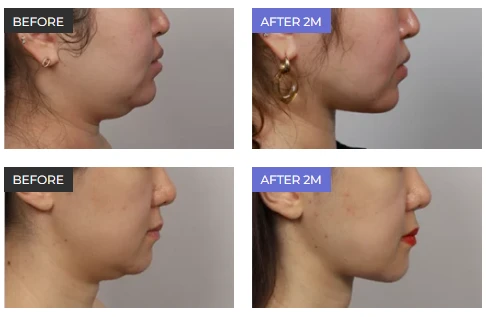
Double chin surgery preparation requires thorough planning and knowledge to ensure optimal results. The procedure, medically known as submental lipectomy or submentoplasty, targets excess fat beneath the chin that creates the appearance of a “double chin.” Before committing to this transformative procedure, understanding the available techniques is essential for setting realistic expectations.
Common double chin removal techniques include:
- Liposuction – The surgical removal of fat through small incisions using a cannula
- Neck lift – Addresses both excess fat and loose skin for comprehensive rejuvenation
- Direct excision – Surgically removing excess skin and fat through a small incision beneath the chin
- Combination approaches – Multiple techniques used together for enhanced results
The right approach depends on your facial anatomy, skin elasticity, and desired outcome. A board-certified plastic surgeon at mineclinic can determine which technique will best achieve your aesthetic goals during your consultation.
Key Pre-Surgery Preparation Steps
Proper double chin surgery preparation significantly impacts both immediate results and long-term satisfaction. Following these essential steps creates the foundation for successful outcomes:
1. Comprehensive Consultation
Your journey begins with an in-depth consultation with a qualified surgeon to discuss:
- Your complete medical history
- Previous surgical procedures
- Current medications and supplements
- Known allergies or sensitivities
- Realistic expectations and desired outcomes
- Potential risks and complications
During this consultation, don’t hesitate to ask about the surgeon’s experience with double chin procedures, view before-and-after photos of previous patients, and discuss any concerns about the recovery process.
2. Medical Evaluation Requirements
Before approving you for surgery, your doctor will conduct a thorough preoperative assessment, which typically includes:
- Blood tests to check for infection, anemia, or clotting issues
- Physical examination focusing on your neck and facial structure
- Medical imaging such as ultrasound to assess fat distribution
- Evaluation of skin elasticity to determine potential for skin retraction
Be completely transparent about any chronic conditions such as diabetes, hypertension, or cardiovascular issues, as these factors can influence surgical planning and recovery protocols.
How to Prepare Your Body for Surgery
Optimizing your physical condition in the weeks before double chin surgery can significantly enhance recovery and results. Follow these evidence-based recommendations:
- Stop smoking at least 4-6 weeks before surgery – Smoking restricts blood flow, impairs wound healing, and increases complication risks
- Avoid alcohol for 2 weeks pre-surgery – Alcohol thins blood and can increase bleeding risks
- Maintain optimal hydration – Drink 8-10 glasses of water daily to support metabolic processes
- Follow a nutritious, anti-inflammatory diet rich in:
- Lean proteins to support tissue repair
- Fruits and vegetables high in vitamins A, C, and E
- Omega-3 fatty acids to reduce inflammation
- Zinc-rich foods to enhance immune function
Research shows that patients who follow these preparatory guidelines experience faster healing, less swelling, and better overall satisfaction with their double chin surgery results.
What Medications Should You Avoid?
Certain medications and supplements can increase bleeding risk during and after surgery. According to the American Society of Plastic Surgeons, you should discontinue the following at least 2 weeks before your procedure:
- Blood thinners such as aspirin and warfarin
- Anti-inflammatory medications including ibuprofen and naproxen
- Vitamin E supplements which can inhibit blood clotting
- Herbal supplements like ginseng, garlic, ginkgo biloba, and St. John’s Wort
Always consult with both your surgeon and primary care physician before discontinuing any prescribed medications. Your medical team may provide specific instructions for managing chronic conditions during the perioperative period.

Creating Your Recovery Environment
Setting up a comfortable recovery space before your double chin surgery helps ensure a smooth healing process. Your recovery area should include:
- Elevated sleeping arrangements – Extra pillows to keep your head and neck elevated at a 30-45 degree angle
- Cold compress supplies – Ice packs or gel packs (wrapped in soft cloth) to reduce swelling
- Easy-to-reach essentials – Water, medications, tissues, and entertainment within arm’s reach
- Loose, button-front clothing – Shirts that don’t need to be pulled over your head
- Nutritious, soft foods – Pre-prepared meals that require minimal chewing
- Communication device – Phone, tablet, or call button to reach caregivers
Having a dedicated caregiver available for the first 24-48 hours after surgery provides both physical and emotional support during the initial recovery phase.
Day-Before Surgery Checklist
The day before your surgery, complete these final double chin surgery preparation steps:
- [ ] Confirm your surgery time and arrival instructions
- [ ] Follow fasting guidelines (typically no food or drink 8-12 hours before surgery)
- [ ] Take a thorough shower with antibacterial soap as directed
- [ ] Remove all makeup, jewelry, and nail polish
- [ ] Prepare comfortable, loose clothing for surgery day
- [ ] Arrange transportation to and from the surgical facility
- [ ] Fill all prescription medications in advance
- [ ] Set up your recovery area with all necessary supplies
- [ ] Charge your phone and download entertainment options

Following this methodical approach helps ensure you arrive at the surgical facility fully prepared, reducing stress and allowing you to focus on your recovery.
How Long Does Recovery Take After Double Chin Surgery?
The recovery timeline after double chin surgery varies based on the specific techniques used and individual healing factors. However, most patients can expect:
Initial recovery (1-2 weeks):
- Swelling and bruising peak around day 3-4
- Compression garment worn continuously except when bathing
- Limited physical activity with no bending or heavy lifting
- Time off work typically ranges from 3-7 days
Secondary recovery (2-6 weeks):
- Gradual return to normal activities
- Continued improvement in swelling and contour
- Compression garment may be worn at night only
- Light exercise can usually resume after 2 weeks
Final results (3-6 months):
- All residual swelling resolves
- Final contour becomes apparent
- Scar maturation continues for up to 12 months
Most patients report feeling socially presentable within 10-14 days after surgery, though subtle improvements continue for several months.
Potential Complications and Risk Management
While double chin surgery is generally safe, being aware of potential complications allows for early intervention if needed. Possible risks include:
- Infection – Prevented with proper wound care and antibiotics when prescribed
- Hematoma – Collection of blood that may require drainage
- Seroma – Fluid accumulation treated with aspiration if significant
- Nerve injury – Usually temporary but can cause numbness or weakness
- Asymmetry – May require revision surgery in rare cases
- Scarring – Typically minimal and hidden beneath the chin
Following your surgeon’s pre- and post-operative instructions diligently is the best strategy for minimizing these risks. At mineclinic, our comprehensive approach to patient education and support helps ensure complications are rare and quickly addressed when they occur.
Non-Surgical Alternatives
For those not ready for surgical intervention, several non-surgical double chin reduction options exist:
- Injectable fat dissolvers that break down submental fat
- Radiofrequency treatments that tighten skin and reduce fat
- Ultrasound therapies targeting fatty deposits
- Specialized facial exercises that may improve muscle tone
- Weight management strategies when double chin is related to body weight
These alternatives typically require multiple sessions and produce more subtle results than surgery. During your consultation at mineclinic, your provider can discuss whether these options might meet your aesthetic goals.
Conclusion
Thorough double chin surgery preparation has a direct bearing on both your safety and your satisfaction with the results. By following this comprehensive guide—from initial consultation through recovery planning—you position yourself for the best possible outcome. At mineclinic, our specialized team guides patients through every step of the process, ensuring you receive personalized care and outstanding results.
Ready to take the next step toward a more defined jawline? Contact mineclinic for a consultation with our experienced surgeons who specialize in facial contouring procedures. Our team can answer your questions about double chin surgery preparation and help you determine if this procedure aligns with your aesthetic goals.
This guide was developed with input from board-certified plastic surgeons specializing in facial procedures. While comprehensive, it is intended for informational purposes only and does not replace personalized medical advice from your healthcare provider.