EN
EN

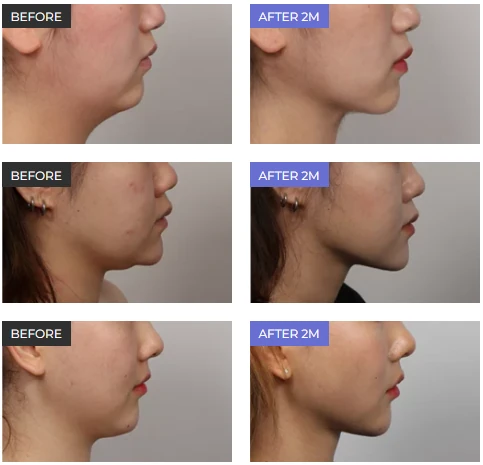
Double chin surgery recovery is the postoperative healing process following submental liposuction or chin contouring surgery — a procedure that removes excess fat beneath the chin to define the jawline. Recovery typically takes 2 to 3 months in total, with most patients returning to daily activities within 1 to 2 weeks. This comprehensive guide covers everything you need to know about your double chin surgery recovery: a week-by-week timeline, expert aftercare techniques, and essential tips to minimize complications while maximizing your facial contouring results.
Many patients also consider nonsurgical double chin treatments — understanding both options helps you choose the path that best fits your goals. Always consult a qualified practitioner to ensure a personalized double chin reduction plan tailored to your needs.
Table of contents
Recovery Timeline: What to Expect
Understanding the double chin surgery recovery timeline helps set realistic expectations and ensures you’re prepared for each healing stage. Recovery from submental fat removal procedures follows a predictable pattern, though individual experiences may vary.

Immediate Post-Surgery (Day 1-3)
The first three days post-surgery are critical as they lay the foundation for a smooth recovery. During this time, the body begins the healing process and adjusts to the surgical changes. Proper care is essential to minimize complications and support healing.
- Swelling and Bruising: Significant swelling and bruising in the chin and neck areas are normal. Applying cold compresses during the first 48 hours can help reduce swelling. Individual recovery times vary, but consistent care accelerates healing.
- Pain Management: Mild to moderate discomfort is common. Use over-the-counter pain relievers or prescribed medications as directed. Always consult your surgeon before combining medications.
- Restricted Movement: Avoid strenuous activities to prevent complications. Limit head and neck movements that could put pressure on the surgical area.
Week 1-2
- Reduced Swelling: Swelling starts to subside, and bruising diminishes. Mild itching and tightness are common as the area heals.
- Wound Care: Follow your surgeon’s instructions for cleaning the incision site and changing bandages. Use sterile materials to avoid infection. A follow-up appointment is typically recommended 2–3 days after surgery, when compression tape and dressings are reassessed — a key milestone in your double chin surgery recovery.
- Follow-Up Appointment: Attend your scheduled checkup to monitor progress. Surgeons may adjust care recommendations based on your recovery.
Weeks 3-4
- Improved Comfort: By weeks 3–4, most discomfort and swelling significantly decrease during double chin surgery recovery, allowing for light activities such as walking or desk work. Avoid exercises that strain the treated area. Reviewing double chin surgery precautions in advance helps you stay on track during this phase.
- Visible Results: The initial results of the double chin reduction begin to appear as the chin contour takes shape. Be patient, as final results depend on complete healing.
Month 2-3
- Full Recovery: By months 2–3, most patients completing double chin surgery recovery experience minimal swelling and pronounced jawline definition. According to plastic surgery references, any minor irregularities visible after swelling resolves will typically disappear as healing continues. Scars, if present, fade significantly. For patients who also underwent salivary gland reduction, see our guide on aftercare for salivary gland reduction and double chin surgery.
How Long Does Double Chin Surgery Recovery Take?
The complete double chin surgery recovery typically takes 2 to 3 months, though most patients can return to normal activities much sooner. In the first 1–2 weeks, bruising (ecchymosis) and swelling (edema) are expected and generally resolve within this window — a timeline supported by plastic surgery literature. Early results become visible around week 3, with final jawline definition appearing after 2–3 months when all residual swelling has cleared. For a broader overview, see our double chin surgery guide.
Your surgeon at mineclinic will provide personalized guidance based on your specific procedure and healing progress. Patients who undergo less invasive techniques like injectable treatments may experience shorter recovery periods compared to surgical approaches.
What Are the Best Care Methods for Optimal Recovery?
Managing Swelling Effectively
- Elevate Your Head: Keeping your head elevated, even while sleeping, promotes proper blood circulation and reduces swelling. Use a wedge pillow or extra cushions for the first week after your procedure.
- Lymphatic Massage: Gentle lymphatic massages, as recommended by your surgeon, can accelerate fluid drainage and reduce swelling. For example, massage outward from the chin along the jawline in slow, circular motions for 5-10 minutes daily. Learn more from guides like this one from American Society of Plastic Surgeons.
- Cold Therapy: Apply ice packs wrapped in a thin cloth for 15-20 minutes every hour during the first 48 hours. Never apply ice directly to the skin.
Maintaining a Healthy Diet
- Soft, Nutritious Foods: Eat soft foods like mashed potatoes, soups, and smoothies that are easy to chew and rich in nutrients during the first week of recovery.
- Stay Hydrated: Drink at least 8-10 glasses of water daily to keep tissues hydrated and support the body’s natural healing processes.
- Avoid Alcohol and Salt: Both can exacerbate swelling. Focus on anti-inflammatory foods like leafy greens, berries, and fatty fish to enhance your healing after facial contouring surgery.

Following Proper Wound Care
- Clean the Site: Use a mild antiseptic solution and ensure your hands are clean before touching the area. Follow the specific instructions provided by your mineclinic surgeon.
- Apply Ointments: Use prescribed ointments to prevent infection and minimize scarring. Apply as directed without excessive rubbing of the treated area.
- Protect from Sunlight: Avoid direct sunlight to reduce the risk of scarring. Use high-SPF sunscreen or protective clothing if exposure is unavoidable for at least 6 months after your procedure.
Adhering to Activity Restrictions
- Limit Physical Activity: Refrain from intense exercises such as running, weightlifting, or high-impact activities for 4-6 weeks after submental liposuction or other double chin procedures.
- Avoid Bending or Straining: Activities like mopping, gardening, or heavy lifting should be postponed to prevent increased pressure in the surgical area.
- Encourage Light Activity: Short walks promote blood circulation without straining the body. Build up activity levels gradually as recommended by your surgeon at mineclinic.
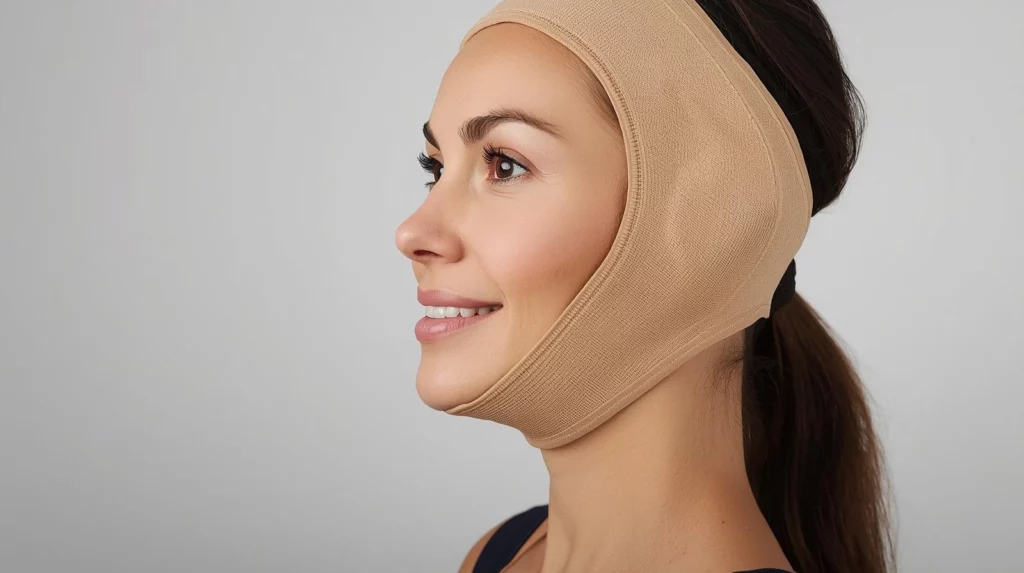
Wearing Compression Garments
- Support Healing: Use the provided compression garment to support tissues and maintain the new contour after double chin reduction surgery.
- Consistent Use: Wear the compression garment as instructed — typically for 1 to 2 weeks continuously, or longer if your surgeon advises. Medical literature on liposuction recovery emphasizes that patients who stop wearing compression garments too early may rapidly re-accumulate fluid, undermining double chin surgery recovery results. Compression foam layered under the garment during the first week also helps reduce bruising and edema.
- Proper Fit: Ensure the garment fits comfortably without being too tight. Report any issues with fit to your surgeon immediately.
When Should You Contact Your Surgeon After Double Chin Surgery?
While some discomfort during double chin surgery recovery is normal, certain symptoms require immediate attention. Contact your MINE Clinic surgeon if you experience:
- Excessive pain that isn’t controlled by prescribed medication
- Increased swelling or bruising after the first week
- Signs of infection including warmth, redness, pus, or fever
- Bleeding that soaks through bandages
- Difficulty breathing or swallowing
- Asymmetry or unusual contour changes
Regular follow-up appointments are essential to monitor your healing, but don’t hesitate to reach out between scheduled visits if you have concerns about your double chin surgery recovery. Beyond the warning signs above, less common complications from submental liposuction can include temporary numbness or tingling (paresthesia), fluid collections (seroma or hematoma), or contour irregularities — all manageable when identified early by your surgeon.
How Can You Ensure Long-Lasting Results After Recovery?
Maintaining your newly contoured jawline after recovery requires ongoing commitment:
- Maintain a stable weight through balanced nutrition and regular exercise once fully healed
- Practice good skincare with products recommended by your surgeon
- Consider complementary treatments for skin tightening if recommended
- Protect your skin from sun damage to preserve results
- Follow all long-term care instructions provided by your mineclinic specialist
Most patients who follow these guidelines enjoy their enhanced jawline definition for many years after their double chin surgery recovery is complete.
Additional Resources and Support
For additional recovery tips and professional guidelines, visit the American Society of Plastic Surgeons or consult with the experts at mineclinic.
If you’re considering double chin reduction surgery or are currently recovering, schedule a consultation at mineclinic to receive personalized advice and care from experienced specialists. Our team is dedicated to supporting you throughout your facial contouring journey, from initial consultation through complete recovery.
Have questions about double chin surgery recovery? Leave them in the comments below or contact our team directly through the mineclinic website. We’re here to help you achieve the best possible results from your double chin surgery recovery journey.
For those looking for specific advice, check out our double chin surgery recovery tips to help speed up healing and enhance your results. Remember, following post-operative instructions is crucial for achieving the best outcome. Being well-informed about the double chin surgery preparation steps can significantly ease your mind leading up to the procedure.
It’s also important to be aware of potential double chin removal side effects, which can include swelling, bruising, and temporary discomfort. Knowing what to expect can help you feel more prepared going into double chin surgery recovery. If you have any questions, please reach out to our team for personalized guidance and support. (double chin jawline lifting) (double chin laser treatment)
Medical Disclaimer: This article is provided for informational purposes by MINE Plastic Surgery & Dermatology in compliance with medical advertising regulations. All surgical and non-surgical procedures carry potential risks including inflammation, bleeding, infection, scarring, and nerve damage. Individual results may vary significantly. A thorough consultation with a board-certified specialist is required before undergoing any procedure. MINE Plastic Surgery | 813 Nonhyeon-ro, Gangnam-gu, Seoul, Korea | +82-2-516-1175
※ This content is for informational purposes only and does not replace professional medical advice, diagnosis, or treatment. Individual results may vary, and side effects may occur. Please consult with a board-certified plastic surgeon for personalized advice.