EN
EN


Table of Contents
What Is a Dorsal Hump?
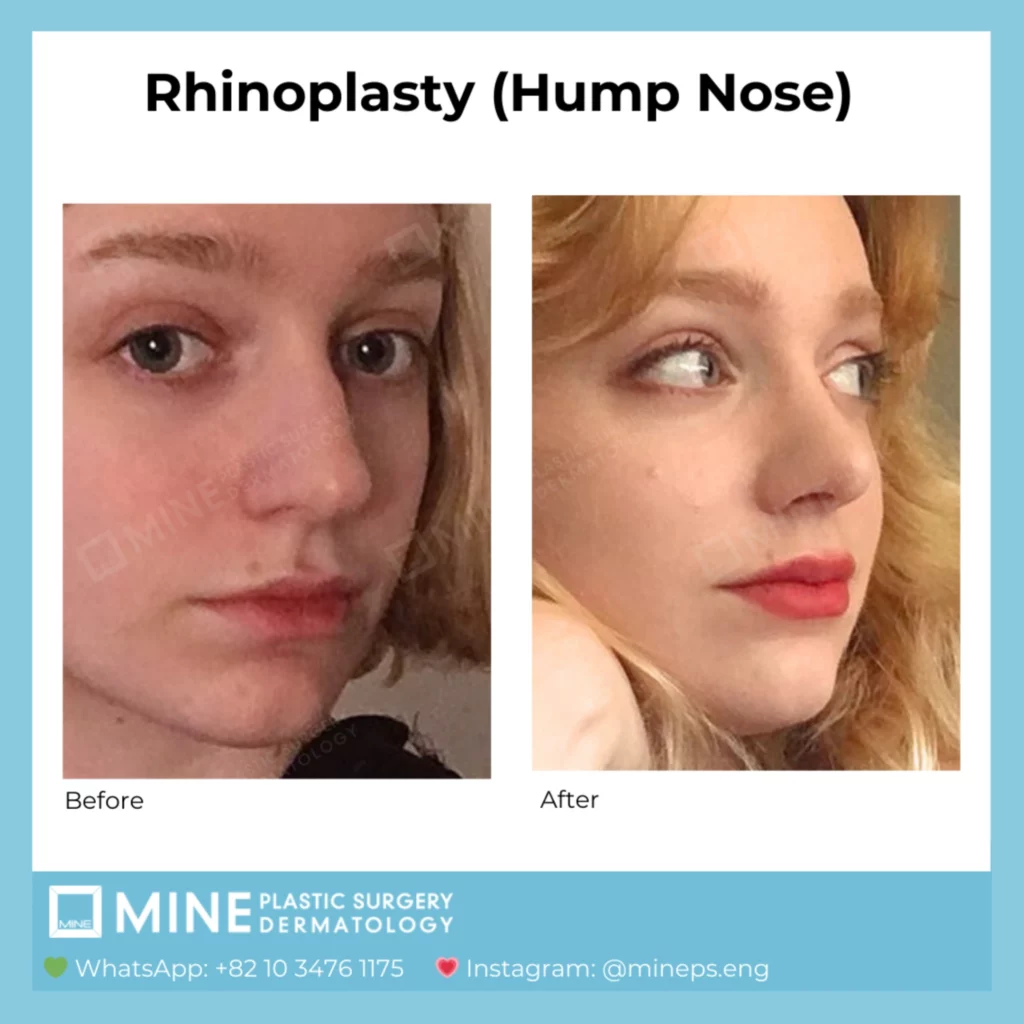
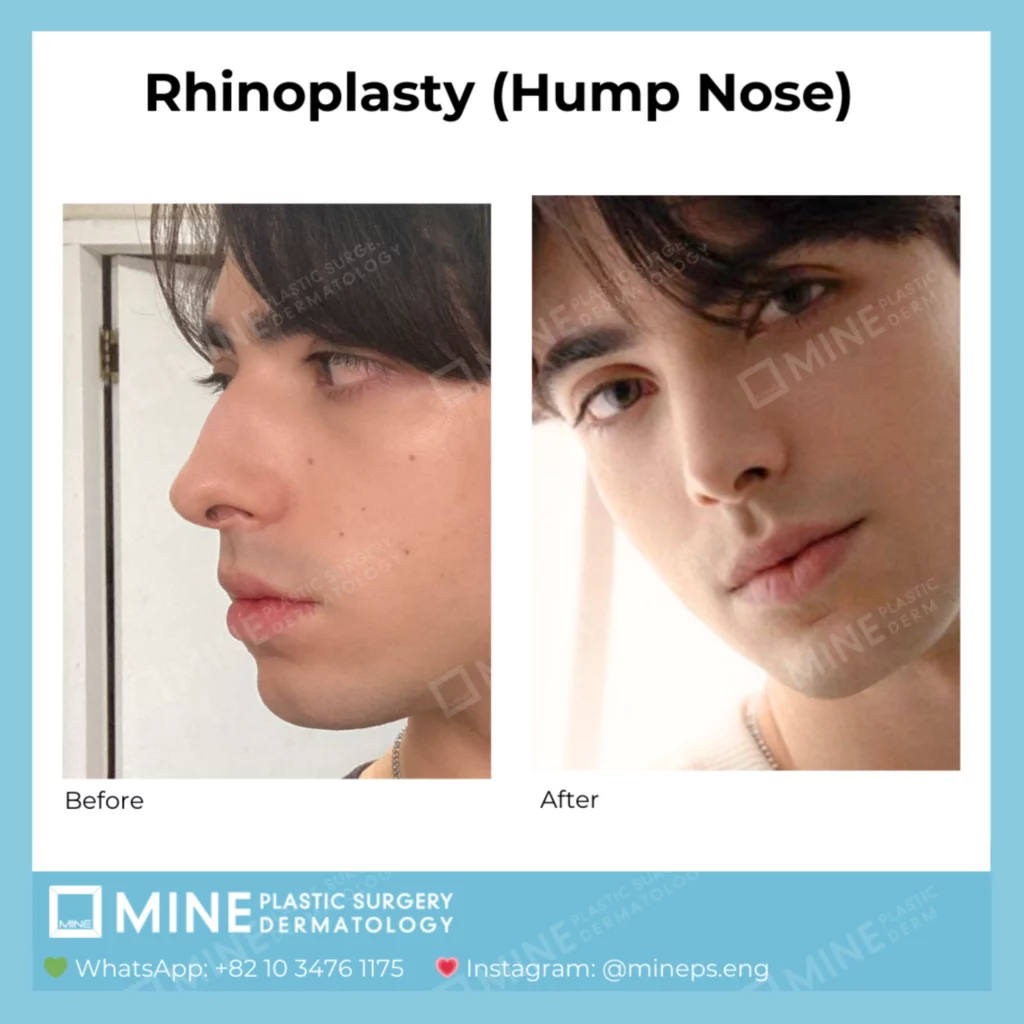
A dorsal hump refers to a prominent bump or ridge along the bridge of the nose that creates an uneven nasal profile when viewed from the side. This common nasal characteristic affects millions of people worldwide and is one of the primary reasons individuals seek rhinoplasty surgery. Understanding what causes a dorsal hump and how it impacts facial harmony is the first step toward making an informed decision about treatment.

Understanding the Anatomy of a Dorsal Hump
The dorsal hump consists of two distinct anatomical components: bone and cartilage. The upper portion of the nasal bridge is composed of the nasal bones, while the lower two-thirds comprises the septal cartilage and upper lateral cartilages. When excess tissue accumulates in either or both areas, it creates the characteristic bump that many patients wish to address. The size and composition of a dorsal hump vary significantly from person to person, which is why personalized surgical planning is essential for optimal results.
Why Do Dorsal Humps Develop?
Several factors contribute to the formation of a dorsal hump. Genetics play the most significant role, meaning that if your parents or siblings have a prominent nasal bump, you may be more likely to develop one as well. Beyond hereditary factors, traumatic injuries such as sports accidents or car collisions can cause bone or cartilage to heal unevenly, resulting in a bump on the bridge. Additionally, as we age, subtle shifts in cartilage and bone structure can make a previously minor hump more noticeable. Some individuals are born with a naturally prominent nasal bridge that becomes more defined during puberty as facial features mature.
How Does a Dorsal Hump Affect Appearance and Confidence?
The nose occupies a central position on the face and significantly influences overall facial harmony. A prominent dorsal hump can draw attention to the profile view, making individuals feel self-conscious in photographs or social situations. Many patients describe feeling that their nose appears too large or angular, which can affect their confidence in both personal and professional settings. The psychological impact of nasal appearance concerns should not be underestimated—addressing these concerns through dorsal hump rhinoplasty can provide meaningful improvements in self-image and quality of life.
Key Takeaway: A dorsal hump is a natural anatomical variation caused by excess bone and cartilage on the nasal bridge. While harmless, it can significantly impact facial aesthetics and personal confidence.
Who Is an Ideal Candidate for Dorsal Hump Removal?
Determining whether you are a suitable candidate for hump nose rhinoplasty involves evaluating several physical and psychological factors. Not every patient who dislikes their nasal profile requires surgery, and understanding candidacy criteria helps ensure realistic expectations and satisfactory outcomes.
Physical Considerations
Ideal candidates for dorsal hump removal are generally in good overall health with no underlying medical conditions that could complicate surgery or recovery. Your nasal structure should have completed its growth, which typically occurs by age 16 for females and 18 for males. Patients with breathing difficulties caused by structural issues such as a deviated septum may benefit from combining functional corrections with cosmetic improvements during the same procedure.
Skin thickness also plays a crucial role in surgical planning. Patients with thicker nasal skin may require a more conservative approach to ensure smooth draping over the reshaped nasal framework. Conversely, those with thin skin may be more prone to visible irregularities and may need additional refinement techniques. During your consultation at Mine Clinic, our surgeons carefully assess these factors to develop a customized treatment plan.
How Is Hump Nose Rhinoplasty Performed at Mine Clinic?
At Mine Clinic in Seoul, our board-certified plastic surgeons employ advanced Korean rhinoplasty techniques refined through extensive experience with diverse patient populations. Understanding the surgical process helps international patients feel prepared and confident about their procedure.
Pre-Operative Consultation and Planning
Every successful rhinoplasty begins with a comprehensive consultation. During your initial visit to Mine Clinic, either in person or through our online consultation service, our surgical team will examine your nasal structure, discuss your aesthetic goals, and explain what results are realistically achievable. We utilize advanced imaging technology to help you visualize potential outcomes and ensure clear communication about your expectations.
Your surgeon will evaluate several key factors: the size and composition of your dorsal hump, your skin thickness, any breathing concerns, and how changes to your nose will harmonize with your other facial features. This personalized approach ensures that your surgical plan addresses your unique anatomy and goals.
The Surgical Procedure
Dorsal hump rhinoplasty at Mine Clinic is performed under sedation anesthesia and typically takes 2-3 hours depending on the complexity of the case. Our surgeons typically use an open rhinoplasty approach.
Open Rhinoplasty: This technique involves a small incision across the columella (the tissue between your nostrils), providing the surgeon with comprehensive access to the nasal structures. The open approach is often preferred for more significant hump reductions or when tip refinement is also needed. While it leaves a small scar, proper care ensures it fades to become virtually invisible.
Technical Steps of Dorsal Hump Reduction
The component dorsal hump reduction technique employed by our surgeons follows a systematic approach to achieve natural-looking results:
- Separation of the Upper Lateral Cartilages: The surgeon carefully separates the upper lateral cartilages from the septum to preserve their integrity and function.
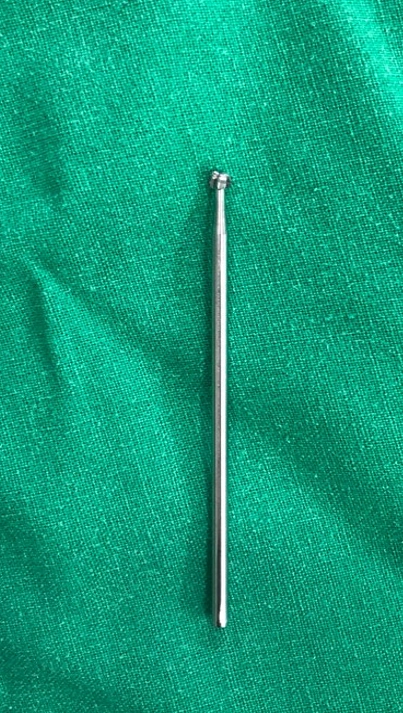
- Incremental Septal Reduction: The cartilaginous portion of the hump is precisely reduced using specialized instruments such as a burr.
- Bony Hump Reduction: The bony component is refined using surgical rasps or, in some cases, piezoelectric instruments that allow for precise bone contouring with minimal trauma to surrounding tissues.
- Osteotomies (When Necessary): Following significant hump removal, the nasal bones may need to be repositioned through controlled fractures called osteotomies. This closes the “open roof” that can result from hump reduction and narrows the bridge for a refined appearance.
- Spreader Grafts (When Indicated): To prevent future narrowing of the nasal valve and maintain optimal breathing function, cartilage grafts may be placed along the septum. This step is particularly important for larger hump reductions.
For detailed information about our rhinoplasty techniques, visit our MINE Rhinoplasty page.
Addressing Related Concerns
Many patients seeking dorsal hump removal have additional nasal concerns that can be addressed during the same procedure. Common combined treatments include:
- Tip refinement for a more defined nasal tip – Learn more about tip rhinoplasty
- Correction of a deviated nose for improved symmetry – Deviated nose surgery details
- Alarplasty to reduce nostril width – Alarplasty information
- Septal correction for breathing improvement
World-Class Surgical Expertise
Korean plastic surgeons perform an exceptionally high volume of rhinoplasty procedures, resulting in unparalleled experience and refined techniques. This extensive practice translates to consistently excellent outcomes and the ability to handle complex cases with confidence. According to data from the International Society of Aesthetic Plastic Surgeons (ISAPS), South Korea has one of the highest concentrations of plastic surgeons per capita worldwide, fostering a competitive environment that drives innovation and excellence.
At Mine Clinic, our surgeons are board-certified specialists who have dedicated their careers to facial plastic surgery. Their expertise spans patients from diverse ethnic backgrounds, ensuring they understand how to achieve results that harmonize with your unique facial features while respecting your cultural aesthetic preferences.
Advanced Technology and Techniques
Korean clinics consistently invest in cutting-edge technology and pioneering surgical techniques. Innovations such as piezoelectric rhinoplasty, which uses ultrasonic vibrations for precise bone work with minimal tissue damage, are widely available in Seoul. This commitment to technological advancement means international patients have access to the most sophisticated surgical options available anywhere in the world.
Mine Clinic’s state-of-the-art facilities feature advanced diagnostic imaging, sterile operating theaters, and comprehensive post-operative care units designed specifically for patient comfort and safety.
Exceptional Value Without Compromising Quality
Rhinoplasty costs in Korea are significantly more affordable than in Western countries, often representing savings of 30-50% even after accounting for travel expenses. This cost advantage does not reflect lower quality—rather, it results from the high volume of procedures performed and the efficiency of the Korean healthcare system. You receive world-class care at a fraction of the price you would pay in the United States, Europe, or Australia.
While pricing varies based on individual case complexity, contact us for a personalized consultation to discuss your specific needs and receive accurate pricing information.
Comprehensive International Patient Services
Mine Clinic understands the unique needs of international patients traveling for surgery. Our International Service team provides:
- Multilingual Coordination: Fluent consultation and communication in multiple languages including English
- Travel Assistance: Guidance on accommodation, transportation, and logistics during your stay in Seoul
- Cultural Sensitivity: Understanding of diverse beauty standards and aesthetic goals
- Seamless Care Continuity: Coordination of all appointments and post-operative follow-ups
The K-Beauty Aesthetic Philosophy
Korean cosmetic surgery emphasizes natural-looking results that enhance rather than dramatically alter your appearance. This philosophy aligns perfectly with dorsal hump reduction, where the goal is typically to create a smoother, more harmonious profile rather than a completely different nose. Korean surgeons excel at achieving this balance, producing results that appear natural from every angle.

Important: Risks, Side Effects, and Safety Considerations
Transparency about potential risks is essential for informed decision-making. While dorsal hump rhinoplasty is generally safe when performed by qualified surgeons, all surgical procedures carry some degree of risk. Understanding these possibilities allows you to prepare appropriately and recognize when to seek medical attention.
Common Side Effects (Expected and Temporary)
The following side effects are normal parts of the healing process:
- Swelling: Most prominent in the first 72 hours and gradually decreasing over weeks to months
- Bruising: Typically visible around the eyes and cheeks for 1-2 weeks
- Nasal Congestion: Difficulty breathing through the nose during initial healing
- Tenderness: The nose will be sensitive to touch for several weeks
- Numbness: Temporary loss of sensation in the nasal tip, usually resolving within months
- Minor Bleeding: Light oozing is common in the first few days
Potential Complications (Rare but Possible)
While uncommon at experienced centers like Mine Clinic, potential complications include:
- Infection: Preventable through proper surgical technique and post-operative care; antibiotics are typically prescribed
- Asymmetry: Minor differences between each side of the face is possible, as one’s face cannot be 100% symmetrical. However, if the asymmetry is very severe, correction surgery may be needed.
- Scarring: Typically minimal, especially with closed rhinoplasty; open rhinoplasty scars usually fade to near-invisibility
- Breathing Difficulties: Rarely, surgery can affect nasal function; proper technique including spreader grafts minimizes this risk
- Unsatisfactory Aesthetic Results: Revision surgery may be considered after full healing if outcomes do not meet expectations
- Nasal Septal Perforation: An extremely rare complication that may require additional treatment
Mine Clinic’s Safety Protocols
Patient safety is our highest priority. Mine Clinic’s comprehensive safety measures include:
- Thorough Pre-Operative Evaluation: Complete health screening to identify any risk factors
- Accredited Surgical Facilities: Operating rooms meeting international safety standards
- Board-Certified Anesthesiologists: Expert anesthesia management throughout your procedure
- 24-Hour Monitoring: Post-operative observation for immediate response to any concerns
- Detailed Post-Operative Instructions: Clear guidance for safe recovery
Minimizing Your Risk
You can contribute to a safe surgical experience by:
- Providing complete medical history during consultation
- Stopping smoking at least 4-6 weeks before and after surgery
- Avoiding blood-thinning medications and supplements as directed
- Following all pre-operative and post-operative instructions carefully
- Attending all scheduled follow-up appointments
For more information about our safety protocols and aftercare, visit our Post-Op Care page.
Recovery Timeline for International Patients in Korea
Planning your recovery in Korea requires understanding what to expect at each stage. International patients should plan their stay carefully to ensure adequate time for initial healing before flying home. Our team at Mine Clinic will guide you through every step of this journey.
Days 1-3: Immediate Post-Operative Period
The first few days require rest and careful monitoring. You will experience:
- Peak swelling and bruising, particularly around the eyes
- A nasal splint providing support and protection
- Possible nasal packing, typically removed within 24-48 hours
- Mild to moderate discomfort managed with prescribed medications
- Head elevation is essential to reduce swelling
Practical Tip: Arrange comfortable accommodation near the clinic for easy access to follow-up appointments. Many international patients stay in Gangnam, where Mine Clinic is conveniently located. View our directions.
Days 4-7: Splint Removal Week
This period marks significant progress:
- Swelling and bruising begin to plateau and then improve
- Your follow-up appointment (typically day 5-7) includes splint and stitch removal
- You will begin to see early indications of your new profile
- Light activities like short walks are encouraged to promote circulation
- Continue avoiding strenuous activity and nose contact
Important for International Patients: Plan to stay in Korea for at least 7 days to allow for splint removal and initial recovery assessment before flying.
Week 2: Visible Improvement
By the end of the second week:
- Most bruising has faded and can be concealed with makeup if desired
- Swelling continues to decrease, though the nose will still appear larger than final results
- You may feel comfortable returning to social activities
- Flying home is generally safe after stitch removal and surgeon clearance
- Avoid wearing glasses that rest on the nasal bridge
Question: When can I fly home after rhinoplasty in Korea?
Most patients can safely fly 7-10 days after surgery, following splint removal and clearance from their surgeon. However, some residual swelling may be noticeable during flight due to cabin pressure changes. Your surgeon will provide personalized guidance based on your healing progress.
Weeks 3-4: Returning to Normal
- Significant reduction in swelling, especially along the nasal bridge
- Most visible signs of surgery have resolved
- Light exercise may be gradually resumed with surgeon approval
- Continue protecting your nose from impact
- Attend any scheduled virtual follow-up consultations after returning home
Months 1-3: Ongoing Refinement
- Approximately 80-90% of swelling resolves by the three-month mark
- The new shape of your nose becomes increasingly defined
- Numbness and stiffness continue to improve
- More strenuous activities can typically resume
Months 6-12: Final Results
- Residual swelling, particularly at the tip, continues to resolve
- Final results are typically visible between 6-12 months post-surgery
- For patients with thick skin, complete settling may take up to 18 months
Recovery Tips for Optimal Healing
- Stay Hydrated: Proper hydration supports tissue healing
- Eat Nutritiously: Focus on protein, vitamins C and A, and anti-inflammatory foods
- Avoid Salt: Excessive sodium increases swelling
- Sleep Elevated: Continue sleeping with your head raised for several weeks
- Protect from Sun: UV exposure can cause discoloration of healing skin
- Be Patient: Final results take time—trust the process
To see real patient transformations, visit our Real Story gallery.
Frequently Asked Questions
How long does dorsal hump removal surgery take?
The procedure typically takes 2-4 hours depending on the complexity of your case and whether additional techniques such as tip refinement or septal correction are included. Simpler isolated hump reductions may be completed more quickly, while comprehensive rhinoplasty addressing multiple concerns requires additional time for precision work.
Will the dorsal hump grow back after surgery?
No, once surgically removed, the bone and cartilage composing the dorsal hump cannot regenerate. The results of dorsal hump rhinoplasty are permanent. However, some patients may notice a minor bump appearance during healing due to scar tissue or residual swelling, which typically resolves as the nose settles into its final shape.
Can rhinoplasty improve my breathing as well as my appearance?
Yes, many patients experience both cosmetic and functional benefits from rhinoplasty. If structural issues such as a deviated septum or nasal valve narrowing are contributing to breathing difficulties, these can be corrected during the same surgery. Our surgeons assess nasal function during your consultation to determine if functional corrections are appropriate for your case. Visit our Deviated Nose page for more information.
What is the difference between open and closed rhinoplasty for hump removal?
Both approaches can effectively address a dorsal hump. Closed rhinoplasty involves incisions entirely inside the nostrils, leaving no visible external scars and often resulting in faster initial recovery. Open rhinoplasty uses a small incision across the columella, providing greater visibility and access for complex cases. Your surgeon will recommend the approach best suited to your anatomy and goals.
How soon will I see my final rhinoplasty results?
While you will notice improvement as early as 2-3 weeks post-surgery, final results typically develop over 6-12 months as all swelling resolves. The nasal tip is usually the last area to settle. Patients with thicker skin may require up to 18 months for complete refinement. Throughout this process, your nose will continue to look better with each passing month.
Take the Next Step Toward Your Ideal Profile
If you have been considering dorsal hump removal rhinoplasty, Mine Clinic offers the expertise, technology, and personalized care that international patients deserve. Our team is committed to helping you achieve natural-looking results that enhance your confidence and harmonize with your unique facial features.
Interested in this procedure? Contact Mine Clinic today for a personalized online consultation. We are ready to assist you on WhatsApp and guide you through your K-Beauty journey in Seoul.
Book Your Online Consultation | Request a Reservation
References and Further Reading
For additional information about rhinoplasty procedures and safety, the American Society of Plastic Surgeons provides educational resources from board-certified plastic surgeons.
Medical Disclaimer: This content is for informational purposes only and does not substitute professional medical advice. Every patient is unique, and outcomes vary based on individual anatomy, health status, and adherence to post-operative care. Always consult with a qualified medical professional for personalized recommendations regarding your specific situation.
Reviewed by Dr. Lee Sung-wook, Board Certified Plastic Surgeon at Mine Clinic.