EN
EN

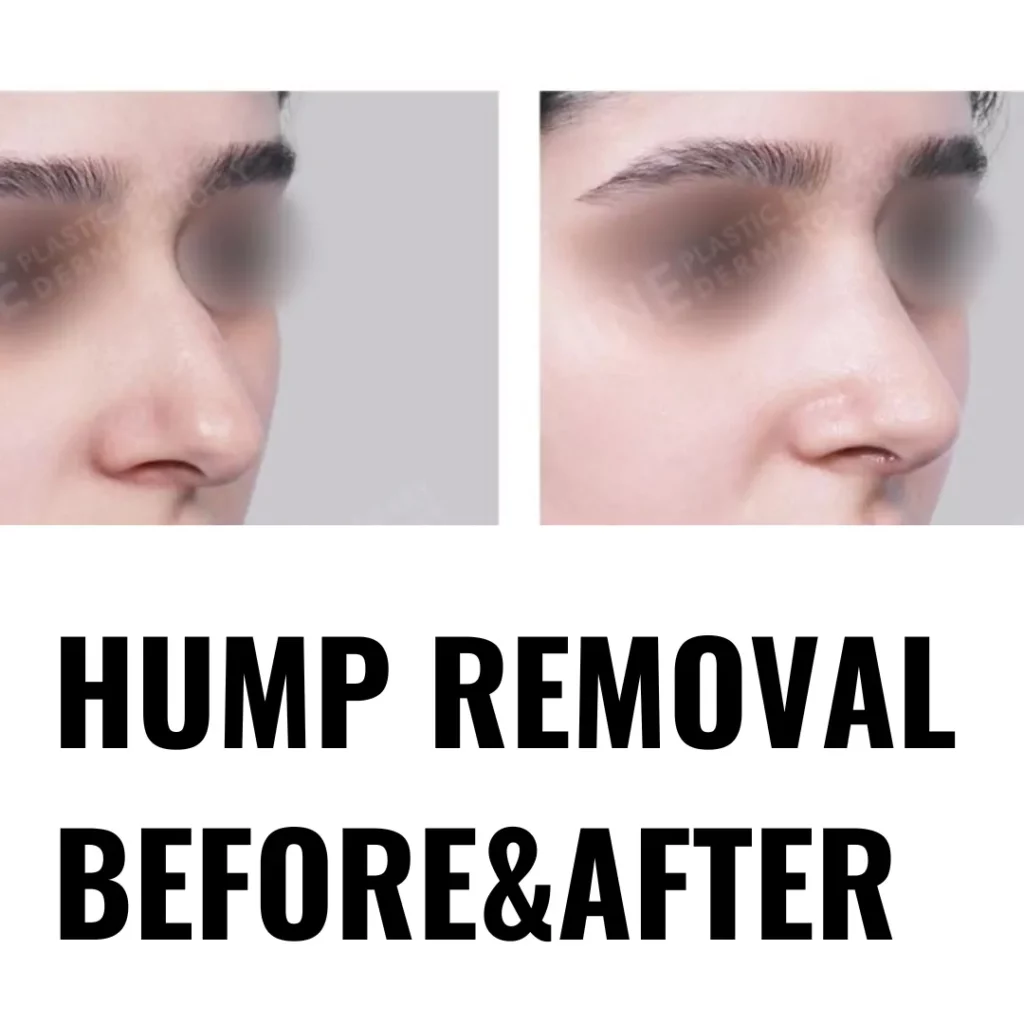
Table of Contents
What Is a Hump Nose?
A hump nose, sometimes called a dorsal hump, refers to a visible bump or raised ridge along the bridge of the nose. This bony and cartilaginous prominence can vary in size from a subtle elevation to a pronounced curve that significantly alters the nose’s profile. While a dorsal hump is entirely natural and poses no health risk, many individuals feel self-conscious about the way it affects the balance and harmony of their facial features.
Dorsal humps can develop due to genetic factors, meaning the shape is inherited from family, or they can result from a previous nasal injury or trauma. Sometimes a combination of both bone and cartilage contributes to the hump, making careful diagnosis essential before any corrective procedure.
Understanding the anatomy behind your dorsal hump is the first step toward achieving a smoother, more refined nasal profile. At Mine Clinic in Seoul, our board-certified surgeons use advanced 3D imaging to precisely map the nasal structure before recommending a personalized surgical plan.

Key Takeaway: A dorsal hump is a natural nasal feature caused by genetics or injury. Hump nose rhinoplasty is the gold-standard procedure for smoothing this bump and creating a balanced profile.
Why Do People Seek Hump Nose Rhinoplasty?
People choose hump nose rhinoplasty for a variety of reasons that go beyond simple aesthetics. Understanding the motivations can help you determine whether this procedure is the right choice for you.
Aesthetic concerns are the most common reason. A dorsal hump can make the nose appear larger or more prominent than desired, disrupting facial symmetry. Many patients report feeling self-conscious about their side profile in photographs or during social interactions.
Functional improvement is another motivating factor. In some cases, the structural irregularity that causes a hump also contributes to a slightly deviated septum, which can affect breathing. When hump reduction is combined with deviated nose correction, patients can achieve both aesthetic harmony and improved nasal airflow.
Post-trauma correction is also common. Individuals who have experienced a broken nose or nasal injury may develop a dorsal hump as part of the healing process. Rhinoplasty can restore the nose to its pre-injury appearance or improve upon it.
How Do I Know if I Have a Dorsal Hump?
The simplest way to identify a dorsal hump is by looking at your nose from the side. If you see a visible bump or curve along the bridge, you likely have a dorsal hump. During an online consultation at Mine Clinic, our surgeons can evaluate your photos and provide a professional assessment of your nasal anatomy, including the composition of bone versus cartilage in the hump.
How Hump Nose Rhinoplasty Is Performed at Mine Clinic
Hump nose rhinoplasty is a precise surgical procedure that requires a deep understanding of nasal anatomy, structural balance, and aesthetic proportion. At Mine Clinic, the approach to dorsal hump reduction goes far beyond simply “shaving down the bump.” The goal is to create a natural, harmonious profile that complements your unique facial features.
Step 1: Personalized Consultation and Planning
Every hump nose rhinoplasty at Mine Clinic begins with a thorough in-person consultation with our medical staff. Using high-resolution 3D imaging and CT scans, the surgeon analyzes the composition of the dorsal hump — determining exactly how much is bone and how much is cartilage. This is critical because the surgical technique varies depending on the hump’s composition.
The surgeon also considers the overall nasal structure: tip projection, bridge width, nostril shape, and the relationship between the nose and other facial features such as the chin and forehead. This holistic approach ensures the final result is not just a flatter bridge, but a nose that looks naturally balanced from every angle.
Step 2: The Surgical Procedure
Hump nose rhinoplasty is typically performed under general anesthesia and takes approximately 1.5 to 2.5 hours, depending on complexity.
The surgeon may use either a closed rhinoplasty approach (incisions inside the nostrils, leaving no visible scarring) or an open rhinoplasty approach (a small incision across the columella) for more complex cases. At Mine Clinic, the closed technique is often preferred when the primary concern is dorsal hump reduction, as it results in faster healing and no external scarring.
The dorsal hump is carefully reduced using specialized instruments. For bony humps, a controlled osteotomy may be performed. For cartilaginous humps, precise trimming is done. In many cases, after the hump is removed, the surgeon performs lateral osteotomies — carefully repositioning the nasal bones to close the “open roof” that can result from hump removal. This step is essential for preventing a flat, unnatural-looking bridge.
If additional refinement is needed, the surgeon may use the patient’s own cartilage (often harvested from the septum) to build up the nasal tip or smooth transitional areas. This technique, a hallmark of Korean rhinoplasty, ensures results that are both structurally sound and aesthetically elegant.
Step 3: Closing and Splinting
Once the reshaping is complete, the incisions are closed with fine sutures and a protective nasal splint is applied. Internal silicone splints may also be placed to support the septum during early healing.
Hump Nose Rhinoplasty Before and After: What to Expect
Seeing real hump nose rhinoplasty before and after results is one of the most helpful steps in your decision-making process. At Mine Clinic, we believe in transparency and encourage prospective patients to review real patient stories to set realistic expectations.
What Changes Are Visible?
In before and after comparisons, the most noticeable change is the profile view. The once-prominent bump along the bridge of the nose is smoothed into a straight or gently curved line, depending on the patient’s preference and facial harmony. From the front, the nose often appears more refined and balanced, as the structural corrections also subtly improve the overall width and symmetry.

Timeline of Visible Results
It is important to understand that hump nose rhinoplasty results evolve over time. Here is a general timeline of what international patients can expect:
Week 1 to 2: The splint is removed around day 7. There will be visible swelling and some bruising, particularly around the eyes. While you can see an immediate improvement in the profile, the nose will still look swollen.
Month 1 to 3: The majority of swelling subsides. Approximately 70 to 80 percent of the final shape becomes visible. Most patients feel comfortable appearing in public without any signs of surgery by week 3 to 4.
Month 3 to 6: Subtle swelling, particularly at the nasal tip, continues to resolve. The nose starts to look more defined and natural as the skin contracts around the new framework.
Month 6 to 12: The final result is typically visible between 6 and 12 months post-surgery. The nasal tip reaches its final shape, and the skin fully adapts to the underlying structure.
Risks, Side Effects & Safety
Transparency about risks and side effects is essential for making an informed decision. As with any surgical procedure, hump nose rhinoplasty carries certain risks that patients should understand before proceeding. The American Society of Plastic Surgeons publishes the same core risk categories for rhinoplasty worldwide, and the list below follows that framework.
Common Side Effects
These are expected and temporary effects that occur in virtually all rhinoplasty patients:
Swelling is the most common side effect. It is most pronounced during the first two weeks and gradually resolves over 6 to 12 months. The nasal tip is typically the last area to fully de-swell.
Bruising around the eyes and cheeks is normal and usually fades within 10 to 14 days. The extent of bruising varies from person to person.
Nasal congestion may occur due to internal swelling and splints. Breathing through the nose typically improves significantly after the internal splints are removed, usually within 5 to 7 days.
Temporary numbness of the nasal tip skin is common and resolves on its own over several weeks to months.
Less Common Risks
Infection is rare but possible. Mine Clinic follows strict sterilization protocols and provides patients with a prescribed antibiotic regimen to minimize this risk.
Asymmetry can occur in some cases, as the healing process is not perfectly uniform. Minor asymmetries are often only noticeable to the patient and may resolve as swelling decreases.
Over-reduction or under-reduction of the dorsal hump can occur if the surgical plan is not precise. This is why Mine Clinic’s thorough pre-operative planning with 3D imaging is so critical — it minimizes the risk of an unsatisfactory result.
Need for revision surgery exists with any rhinoplasty. According to published data, the revision rate for rhinoplasty ranges from approximately 5 to 15 percent globally. At Mine Clinic, the meticulous surgical approach and emphasis on structural integrity aim to keep this rate as low as possible. Should revision be needed, Mine Clinic also offers specialized nose revision surgery.

Safety Standards at Mine Clinic
Patient safety is the top priority. Mine Clinic operates with fully accredited surgical facilities, board-certified anesthesiologists, and real-time monitoring systems throughout every procedure. Korea’s medical safety standards are among the highest in the world, and Mine Clinic exceeds these standards with additional protocols specifically designed for international patients.
Key Takeaway: Side effects like swelling and bruising are normal and temporary. Serious complications are rare, and Mine Clinic’s rigorous safety protocols are designed to protect every patient.
Recovery in Korea: Your Post-Surgery Timeline
Planning your recovery is one of the most important aspects of traveling to Korea for hump nose rhinoplasty. Here is a detailed timeline to help international patients plan their stay.
Day 1 (Surgery Day)
After the procedure, you will rest at the clinic or your nearby hotel. The nasal splint and any internal splints will be in place. Mild to moderate discomfort is managed with prescribed pain medication. You will be asked to keep your head elevated and apply cold compresses to reduce swelling.
Days 2 to 5
Swelling and bruising peak around days 2 to 3, then gradually begin to improve. Most patients can take gentle walks and visit nearby cafés or shops in Gangnam. Avoid bending forward, lifting heavy objects, or any strenuous activity. Mine Clinic schedules follow-up visits during this period to monitor your healing.
Day 5 to 7 (Stitch and Splint Removal)
This is a key milestone. Stitches and the external nasal splint are typically removed between days 5 and 7. Internal splints, if placed, are also removed at this appointment. Many patients report a significant improvement in comfort and appearance once the splint comes off.
Day 7 to 10
Most patients feel comfortable enough to be seen in public. Some residual swelling and mild bruising may still be present but can usually be covered with light makeup if desired. This is the point at which many international patients are given the go-ahead to fly home.
When Can I Fly Home?
Most international patients are cleared to fly 7 to 10 days after surgery. Your surgeon will confirm this based on your individual healing progress during your final follow-up appointment. It is recommended to book your return flight with some flexibility to account for your recovery.
Recommended Stay in Seoul
We recommend international patients plan to stay in Seoul for a minimum of 7 to 10 days after surgery. This allows for stitch removal, at least one post-splint follow-up, and enough recovery time to fly comfortably. Many patients enjoy extending their stay to explore Seoul, visit the nearby Mine Clinic facilities for additional deswelling treatments, or combine their rhinoplasty with other procedures such as dermatological skin treatments.
Long-Term Recovery (After Returning Home)
Once you return home, you should continue to avoid contact sports, wearing heavy glasses directly on the bridge of your nose, and excessive sun exposure for at least 4 to 6 weeks. Mine Clinic’s international team remains available via WhatsApp and email for ongoing questions and virtual follow-up consultations.
Frequently Asked Questions
How much does hump nose rhinoplasty cost in Korea?
The cost of hump nose rhinoplasty varies depending on the complexity of the case, the techniques required, and whether additional procedures are combined. At Mine Clinic, we provide personalized pricing following an individual assessment. Please contact us for an online consultation to receive a customized quote based on your specific needs.
Is hump nose rhinoplasty painful?
The procedure itself is performed under general anesthesia, so you will not feel any pain during surgery. After the anesthesia wears off, most patients describe the discomfort as mild to moderate, similar to pressure or a dull ache. Prescribed pain medication effectively manages this, and most patients report minimal discomfort by day 3 to 4.
Can a dorsal hump come back after rhinoplasty?
When performed correctly, dorsal hump reduction is permanent. The bone and cartilage that form the hump are physically removed during surgery. However, if significant scar tissue develops during healing (which is uncommon), it may create a minor irregularity. This is why choosing an experienced surgeon with expertise in structural rhinoplasty — like those at Mine Clinic — is so important.
Can I combine hump nose rhinoplasty with other nose procedures?
Yes, hump nose rhinoplasty is frequently combined with other nasal procedures for a comprehensive result. Common combinations include tip rhinoplasty for additional tip refinement, alarplasty for nostril reduction, and deviated septum correction for improved breathing. Your surgeon will discuss all options during your consultation.
How do I get started as an international patient?
Getting started is simple. You can submit photos and your concerns through Mine Clinic’s online reservation form or contact us directly via WhatsApp. Our international coordinator will guide you through the consultation process, help you plan your trip to Seoul, and answer any questions about travel, accommodation, and the procedure itself. Learn more about our full support services on our international service page.
Interested in this procedure? Contact Mine Clinic today for a personalized online consultation. We are ready to assist you on WhatsApp and guide you through your K-Beauty journey in Seoul.
Book Your Online Consultation | View Real Patient Stories | Get Directions to Mine Clinic
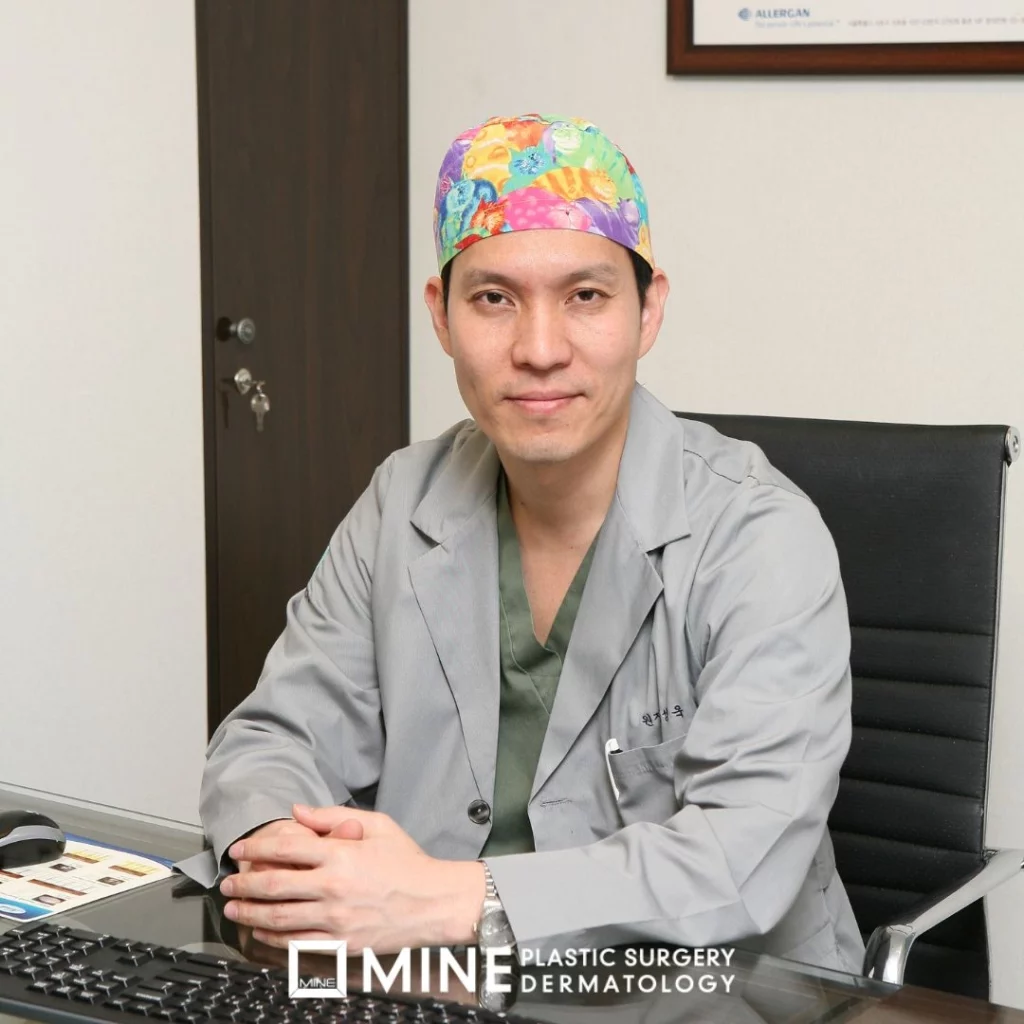
Reviewed by Dr. Lee Sung-wook, Board Certified Plastic Surgeon at Mine Clinic.
※ This content is for informational purposes only and does not replace professional medical advice, diagnosis, or treatment. Individual results may vary, and side effects may occur. Please consult with a board-certified plastic surgeon for personalized advice.