EN


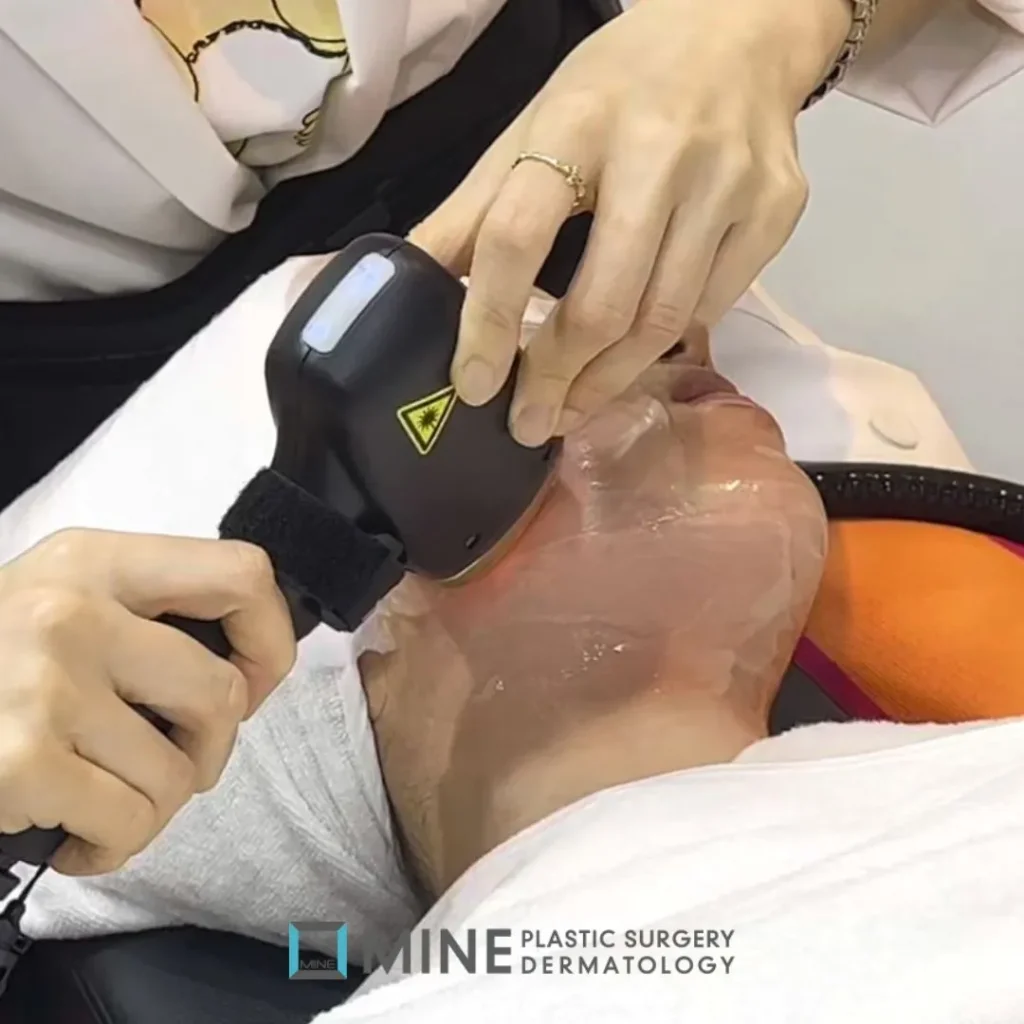
Table of contents
What is Titanium Lifting?
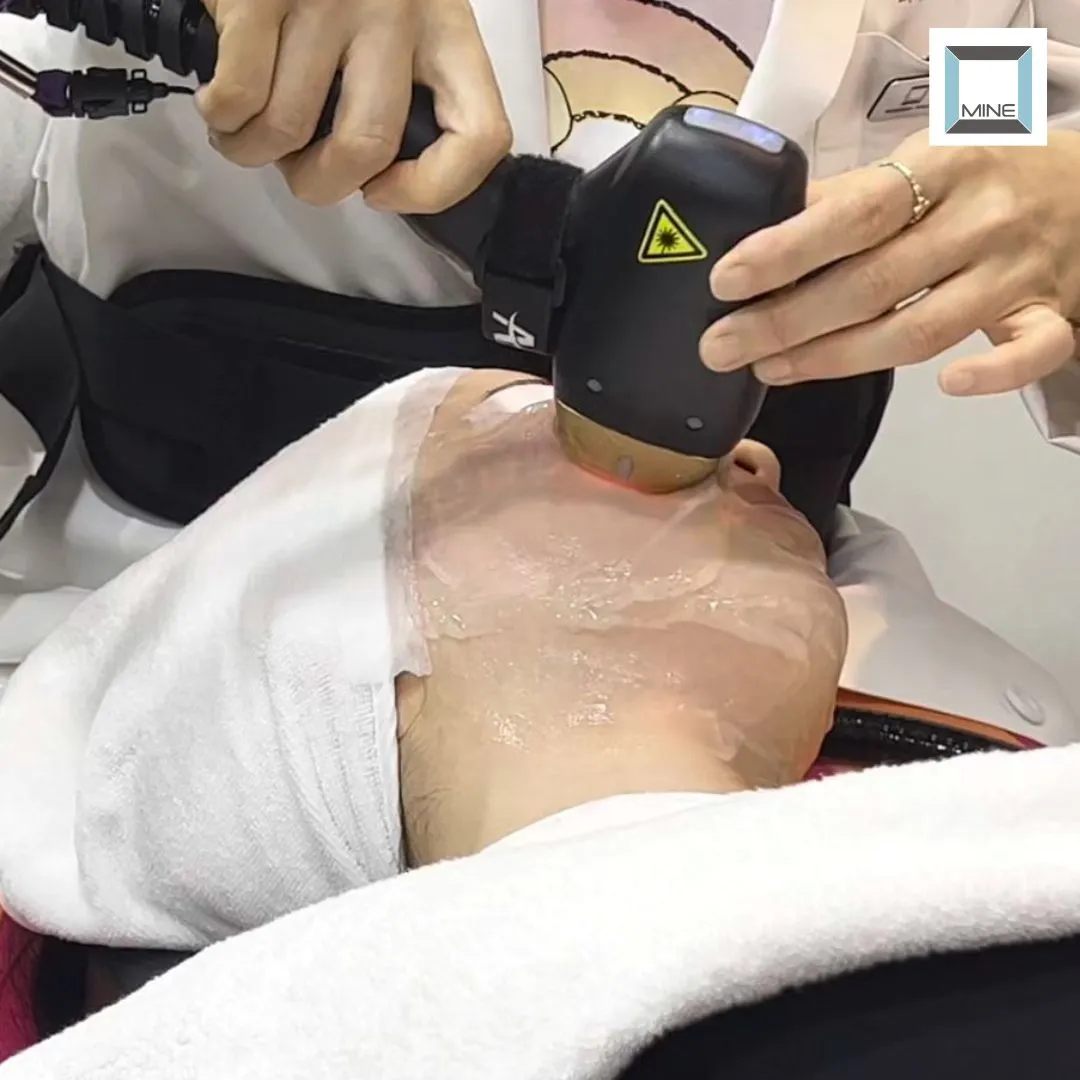
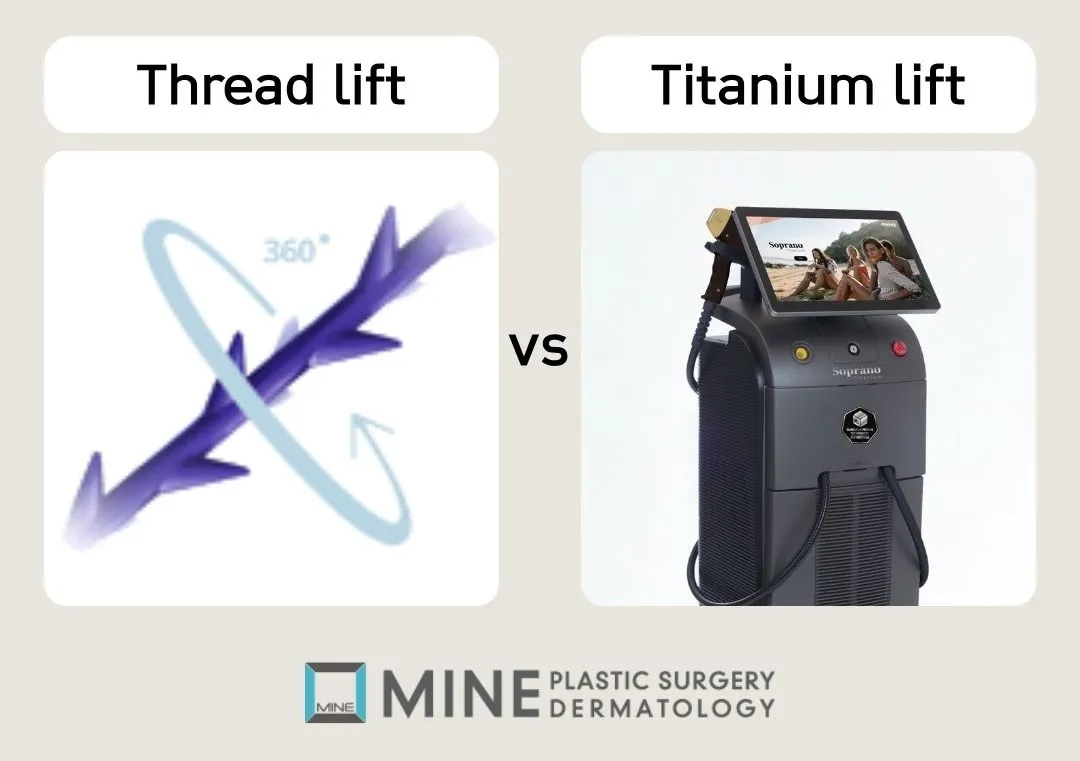
Titanium Lifting is a non-surgical laser lifting treatment that delivers three diode laser wavelengths (755 nm, 810 nm and 1064 nm) at the same time, warming several layers of skin in one pass to tighten it and stimulate new collagen. The name comes from the laser platform (Soprano Titanium), not from any titanium material placed on or in the skin, and it is not a radiofrequency (RF) device.
Because each wavelength reaches a different depth, one session can address laxity, fine lines and skin tone together. This article explains the science behind that: how the three wavelengths work, what happens in each skin layer, how long results last, who is a good candidate, and how to care for your skin before and after treatment.
Prepared by the MINE Plastic Surgery content team in Gangnam, Seoul (medical director: Dr. Lee Sung-wook, board-certified plastic surgeon), based on the clinic’s Titanium Lifting treatment information and dermatology textbook references. Last updated: October 2026.
Titanium Lifting at a glance (based on MINE Dermatology treatment information):
| Item | Details |
|---|---|
| Energy source | Diode laser with three wavelengths: 755 nm, 810 nm and 1064 nm |
| Treatment modes | STACK mode (deeper heating for lifting) and SHR mode (even dermal heating for tightening and tone) |
| Skin protection | Sapphire contact cooling built into the handpiece |
| Session time | About 20–40 minutes |
| Anesthesia | Numbing cream; sedation can be arranged if needed |
| Downtime | None for most people |
| Typical course | 2–3 initial sessions about four weeks apart |
| How long results last | Typically 6 months to 1 year |
Scientific Principles of Titanium Lifting
The core principle of Titanium Lifting is controlled laser heating: light energy is absorbed by specific targets in the skin and turned into heat, and that heat triggers collagen tightening and repair. Let’s examine the scientific mechanism behind this procedure step by step.
Three-Wavelength Laser Energy Delivery
Titanium Lifting delivers three near-infrared diode laser wavelengths through a single handpiece. Each wavelength is absorbed differently, so each one works at a different depth:
- 755 nm (superficial layer): Strongly absorbed by melanin, so it acts mainly near the surface and helps with uneven tone and brightness
- 810 nm (mid-dermis): Penetrates further and warms the middle of the dermis, where most collagen sits, supporting tightening
- 1064 nm (deep dermis): Penetrates deepest and is absorbed much less by melanin, which is why the Textbook of Cosmetic Dermatology describes this wavelength as suitable for more darkly pigmented skin
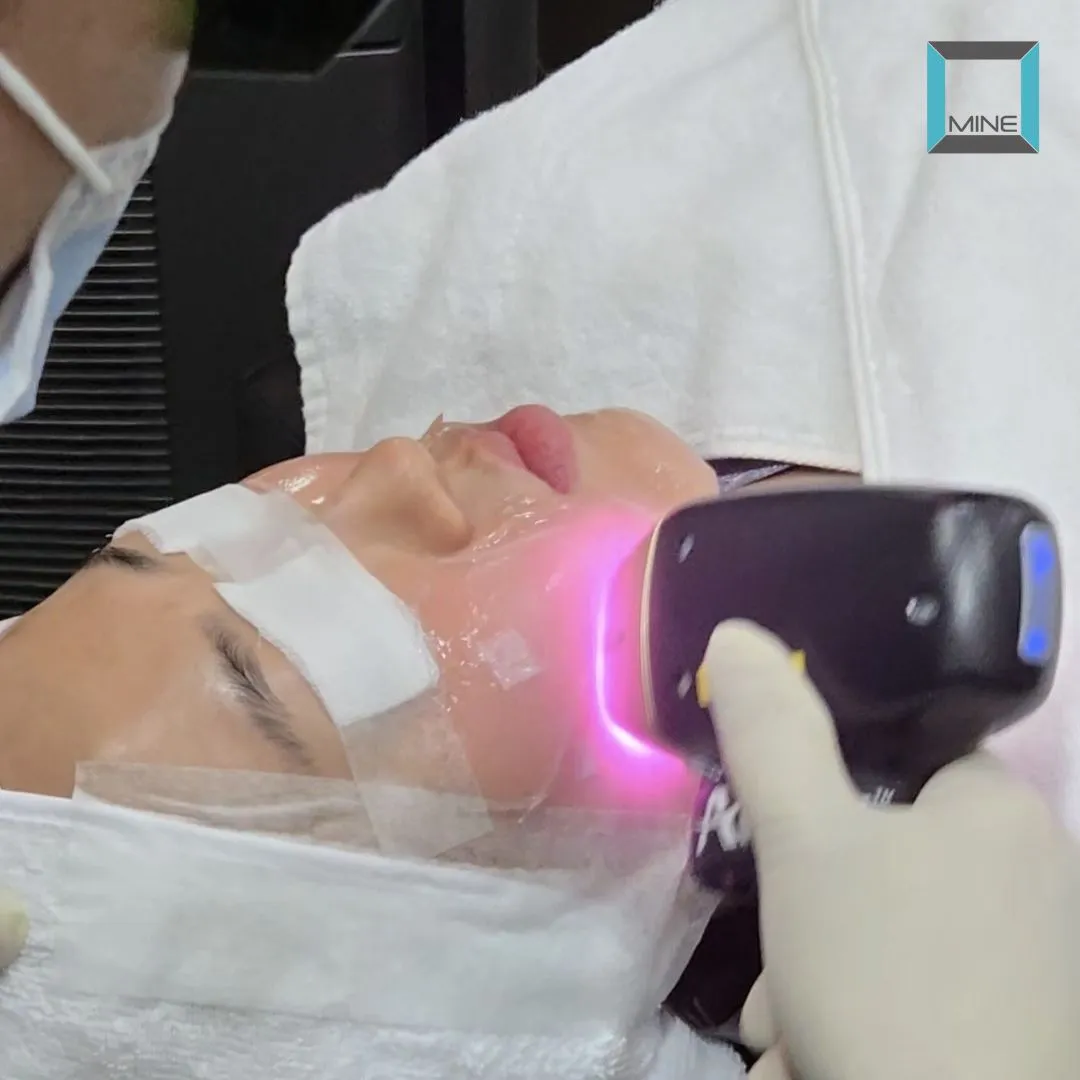
- Sapphire contact cooling: The handpiece cools the skin surface while energy is delivered, protecting the epidermis and reducing discomfort
The device also has two treatment modes. STACK mode builds up energy in one area for deeper heating aimed at facial lines and contour, while SHR mode glides continuously over the skin to heat the dermis evenly for tightening, pores and tone.
Collagen Remodeling Process
The most significant effect of Titanium Lifting is promoting collagen remodeling. When laser energy is converted into heat in the dermis, the following processes occur:
- Immediate collagen contraction: Heat energy contracts existing collagen fibers, providing an immediate lifting effect
- Stimulation of new collagen production: Controlled, non-damaging heat prompts skin cells to produce heat shock proteins (HSPs), which signal fibroblasts to make new collagen
- Cellular metabolism activation: A micro-inflammatory response activates fibroblasts and promotes cell regeneration
- Long-term tissue restructuring: Over time, new collagen and elastin form, strengthening the skin structure
Dermatology references such as Essentials for Aesthetic Dermatology in Ethnic Skin (2023) describe the same pattern for non-ablative lasers: the beam passes through an intact epidermis and heats dermal collagen, causing immediate contraction followed by gradual remodeling. New collagen keeps maturing for roughly 3–6 months, which is why Titanium Lifting results build over time rather than appearing all at once.
Tissue-Selective Thermal Effect Principle
Another important principle of Titanium Lifting is the “tissue-selective thermal effect,” known in laser medicine as selective photothermolysis (Anderson and Parrish, Science, 1983). Each wavelength is absorbed by a particular target in the skin (melanin, hemoglobin or water) and turns into heat there, while surrounding tissue is largely spared.
- Dermis targeting: The 810 nm and 1064 nm wavelengths pass through the surface and release most of their heat in the dermis, where collagen is concentrated
- Epidermis protection: Sapphire contact cooling keeps the skin surface cool while the deeper layers are heated
- Depth control: The doctor adjusts the wavelength mix, energy level and mode to the patient’s skin type and treatment goal
These scientific principles combine to let Titanium Lifting improve elasticity while minimizing skin damage. Because it works mainly in the dermis, it is also often paired with deeper ultrasound treatment; see combining Titanium Lifting with Ulthera.
How Does Titanium Lifting Affect Skin Tissue?
Titanium Lifting affects not just the skin surface but has complex effects on various layers of skin tissue. Let’s examine the effects on each skin layer.
Effects on the Epidermis (Outer Skin Layer)
The epidermis is the outermost skin layer, and Titanium Lifting affects it in the following ways:
- Promotion of cell turnover: The regeneration cycle of epidermal cells is activated
- Melanin equalization: In some cases, melanin distribution improves, resulting in more even skin tone
- Strengthening of skin barrier function: Over time, the skin barrier function improves, enhancing moisture retention
Effects on the Dermis (Middle Skin Layer)
The dermis, rich in collagen and elastin, is the main target area for Titanium Lifting:
- Collagen fiber realignment: Disorganized, aged collagen is restructured into a more organized network
- New collagen synthesis: Production of Type I and Type III collagen increases
- Promotion of elastin production: Generation of elastin fibers, responsible for skin elasticity, is stimulated
- Increased hyaluronic acid: Production of hyaluronic acid, crucial for skin hydration, increases
Effects on the SMAS (Superficial Muscular Aponeurotic System) Layer
The SMAS is the fibrous layer beneath the skin and fat that supports facial contours. MINE’s STACK mode is designed to drive heat deeper, toward this layer, but it helps to be realistic about what that means:
- Deeper heat for contour support: STACK mode adds heat below the dermis and is used for jawline definition, the cheek area and nasolabial folds
- Mainly a dermal treatment: Laser heat is strongest in the dermis. When lifting needs to target the SMAS precisely, focused ultrasound such as Ulthera is the tool designed for that depth, and the two are often combined (see our Ulthera vs Titanium Lifting comparison)
Blood Flow Improvement Effects
Titanium Lifting also positively affects microvascular circulation:
- Capillary dilation: Temporary heat effects cause capillary dilation
- Increased blood flow: Blood flow in the treated area increases, improving nutrient and oxygen supply
- Enhanced waste removal: Lymphatic circulation is activated, promoting waste removal
These combined effects work synergistically to contribute to overall improvement in skin texture, elasticity, and youthfulness.
How Does Titanium Lifting Compare to Other Lifting Procedures?
Let’s compare Titanium Lifting with other lifting procedures. This comparison covers various aspects including treatment method, effects, and recovery period.
Surgical Lifting vs. Titanium Lifting
Surgical Lifting (Face Lift)
- Immediate effects through incision and skin excision
- Performed under general anesthesia or IV sedation
- 1-2 week recovery period
- Potential side effects including swelling, bruising, and scarring
- Effects last 5-10 years
Titanium Lifting
- Gradual improvement through non-invasive methods
- Numbing cream only; sedation is optional
- Minimal downtime (immediate return to daily activities)
- Minimized risk of side effects
- Effects typically last 6 months to 1 year and can be extended with maintenance sessions
Comparison with Other Non-Surgical Lifting Methods
The following table compares Titanium Lifting with other non-surgical lifting methods:
| Treatment Type | Operating Principle | Effect Depth | Recovery Period | Duration of Effects | Characteristics |
|---|---|---|---|---|---|
| Titanium Lifting | 3-wavelength diode laser (755/810/1064 nm) with sapphire cooling | Mainly dermis (STACK mode heats deeper) | None | 6 months-1 year | Several depths in one session, comfortable, promotes collagen production |
| Ultherapy | High-intensity focused ultrasound | Dermis~SMAS | 0-3 days | 9-18 months | Deep layer targeting, somewhat painful |
| Thermage | Radiofrequency | Dermis | 0-2 days | 6 months-1 year | Surface lifting, texture improvement |
| Thread Lifting | Absorbable thread insertion | Subcutaneous tissue | 3-7 days | 6 months-1 year | Immediate lifting, effects decrease after thread absorption |
| Fillers | Hyaluronic acid injection | Subcutaneous tissue | 0-2 days | 6 months-1 year | Volume improvement, limited lifting effect |
Unique Strengths of Titanium Lifting
The most significant differentiating factors of Titanium Lifting include:
- Three wavelengths in one pass: Surface tone, mid-dermis tightening and deeper heating are handled in a single session
- Comfort-focused cooling: Sapphire contact cooling keeps the skin surface cool, so most people manage with numbing cream alone
- Customizable treatment options: Two modes (STACK and SHR) and adjustable energy settings allow personalized treatment
- Multiple symptom improvement: Simultaneously improves various aging symptoms including skin laxity, wrinkles, pores, and elasticity
MINE Plastic Surgery offers personalized Titanium Lifting plans based on each patient’s skin type and goals.
How Long Do Titanium Lifting Results Last?
Titanium Lifting results typically last 6 months to 1 year. They build gradually over 3–6 months as new collagen matures, and maintenance sessions every 4–6 months help keep them.
Progressive Results Timeline
Titanium Lifting effects appear progressively over time:
- Immediate effects (right after treatment): Mild lifting effect due to heat-induced collagen contraction
- Mid-term effects (2-4 weeks): Elasticity improvement due to initial collagen production and tissue restructuring
- Maximum effects (3-6 months): Most pronounced results when collagen remodeling is complete
- Maintenance period (6 months-1 year): How long results last varies from person to person, but for most people they hold for this period
Factors Affecting Duration of Results
Several factors influence how long Titanium Lifting effects last:
- Age: Generally, younger skin has superior collagen production capability, so effects tend to last longer
- Skin condition: The more severe the initial skin aging, the more noticeable the effects, though duration varies from person to person
- Lifestyle habits: Smoking, excessive alcohol consumption, and UV exposure can shorten the duration of effects
- Number of treatments: 2-3 initial sessions about four weeks apart usually give longer-lasting results than a single session
- Aftercare: Proper skin care and regular maintenance treatments help prolong results
Recommendations for Maintaining Results
Expert recommendations for maximizing the longevity of Titanium Lifting effects:
- Regular maintenance treatments: Consider maintenance sessions every 4-6 months
- Daily sun protection: Use sunscreen with SPF 30 or higher
- Antioxidant skincare: Use products containing antioxidants such as vitamins C and E
- Healthy lifestyle habits: Adequate hydration, smoking cessation, moderate alcohol consumption, regular sleep
- Collagen-boosting food consumption: Eat foods rich in protein and vitamin C
With consistent sun protection and regular maintenance sessions, many patients find that their results last toward the longer end of the typical 6-month to 1-year range. For a step-by-step routine, see our Titanium Lifting aftercare guide.
Who is an Ideal Candidate for Titanium Lifting?
Let’s explore who would benefit most from Titanium Lifting and who should approach with caution.
Ideal Candidates
Titanium Lifting is particularly effective for:
- Mild to moderate skin laxity: Adults in their 30s to 50s with early to moderate skin laxity and decreased elasticity
- Those seeking facial contour improvement: Individuals with blurred jawline, cheeks, or neck contours
- Non-invasive method preference: Those who wish to avoid the downtime and risks of surgical lifting
- Preventative anti-aging: Early intervention when aging signs first appear
- Maintenance after previous lifting: Those looking to maintain or extend results after surgery
Cases Requiring Caution
Titanium Lifting may not be suitable in the following cases:
- Severe skin laxity: Surgical methods may be more effective for significant skin sagging
- Pregnancy or breastfeeding: Should be avoided due to hormonal changes and safety concerns
- Active skin infections: Conditions like acne or herpes should be completely healed before treatment
- Certain skin conditions: Chronic skin conditions such as psoriasis or eczema require careful consideration
- Recent tanning or sunburn: Tanned skin absorbs more laser energy, which raises the risk of burns or pigment changes
- Recent fillers, threads or implants in the area: Tell your doctor so the energy settings and treatment areas can be adjusted
- Keloid tendency: Prior consultation is necessary for those with a tendency to form excessive scarring
Importance of Personalized Approach
Titanium Lifting does not show identical effects for everyone, and a personalized approach considering the following factors is important:
- Skin thickness and type: Energy intensity adjustment is necessary for thin or sensitive skin
- Degree and pattern of aging: Different approaches are needed based on individual aging patterns (fat loss, skin laxity, etc.)
- Expectations and goals: Setting realistic expectations within the limitations of non-surgical methods is crucial
At MINE Plastic Surgery, one-on-one consultations with specialists help determine the most suitable Titanium Lifting solution based on individual skin condition and goals.
Pre and Post-Treatment Care for Titanium Lifting
Let’s explore pre and post-treatment care methods to maximize effectiveness and minimize side effects of Titanium Lifting.
Pre-Treatment Preparation
Preparation steps to maximize treatment effectiveness:
- Limit sun exposure: Avoid direct sun exposure 1-2 weeks before treatment and use sunscreen with SPF 30 or higher
- Discontinue certain skincare ingredients: Stop using retinol, AHA/BHA, vitamin C, and other potentially irritating ingredients 3-5 days before treatment
- Stay well-hydrated: Well-moisturized, calm skin on the day of treatment tolerates heat better
- Avoid alcohol and anticoagulants: Avoid alcohol, aspirin, NSAIDs, and other blood-thinning substances 48 hours before treatment
- Consult with a specialist: Inform medical staff about medications, existing health issues, and previous treatment experiences
Immediate Post-Treatment Care
Care methods from immediately after treatment through the first 48 hours:
- Cold compress: Apply a cold compress to the treated area if needed to reduce discomfort
- Use gentle cleansers: Cleanse gently with mild cleansers
- Increase moisturization: Use ceramide-containing moisturizers to strengthen the skin barrier
- Sun protection: Use sunscreen with SPF 50 or higher when going outside, combined with physical barriers (hats, sunglasses)
- Avoid: Saunas, hot showers, excessive exercise, and alcohol consumption
Long-Term Care Methods
Long-term care methods to maximize and maintain treatment effects:
- Regular skincare routine: Adhere to the basics of cleansing, toning, and moisturizing
- Utilize antioxidant ingredients: Use products rich in antioxidants such as vitamins C, E, and polyphenols
- Collagen-promoting ingredients: Utilize ingredients that promote collagen production such as retinol, peptides, and growth factors
- Regular monitoring: Check skin condition with a specialist every 3-6 months
- Lifestyle improvements: Maintain healthy lifestyle habits including sufficient sleep, balanced diet, stress management, and smoking cessation
Managing Side Effects and Precautions
Management of rare potential side effects:
- Temporary redness/swelling: Usually resolves naturally within 24-48 hours. Can be alleviated with cold compresses
- Hyperpigmentation: May occur primarily in darker skin tones; manage with sun protection and brightening ingredients
- Burn symptoms: Very rare, but if a burning sensation persists for more than 48 hours, notify your medical provider
- Abnormal reactions: Severe pain, blistering, persistent erythema, or other abnormal symptoms should be reported to medical staff immediately
Choose a board-certified physician for energy-based skin treatments such as Titanium Lifting, and if anything feels unusual after treatment, contact the clinic rather than waiting it out.
Frequently Asked Questions About Titanium Lifting
Is Titanium Lifting a radiofrequency (RF) treatment?
No. Titanium Lifting is a diode laser treatment that uses 755 nm, 810 nm and 1064 nm wavelengths. RF devices such as Thermage heat the skin with electrical current instead of light.
Does Titanium Lifting hurt?
Most people feel warmth rather than pain. Sapphire contact cooling and numbing cream keep the treatment comfortable, and sedation can be arranged if needed.
How long does a Titanium Lifting session take?
About 20–40 minutes, depending on the areas treated. Most people return to normal activities the same day.
Is Titanium Lifting safe for darker skin?
The 1064 nm wavelength is absorbed less by melanin, so settings can be adapted for darker skin types. Avoid tanning before treatment and protect your skin from the sun afterwards to lower the risk of pigment changes.
How long do Titanium Lifting results last?
Typically 6 months to 1 year. Results build over 3–6 months as new collagen matures, and maintenance sessions every 4–6 months help keep them.
Conclusion: Titanium Lifting and Managing Skin Aging
We’ve explored in depth the scientific principles and effects of Titanium Lifting. For a practical overview of what it can do for the face and neck, see the benefits of Titanium Lifting for the face and neck. While skin aging is an inevitable natural phenomenon, modern treatments allow us to delay and manage it.
Titanium Lifting uses three diode laser wavelengths and sapphire cooling to heat the skin at several depths in one session, offering a non-invasive way to tighten skin. It works by stimulating your skin’s own collagen production to restore elasticity from within.
Comprehensive Approach to Skin Aging Management
While Titanium Lifting is an important component of skin aging management, a comprehensive approach is necessary for the most effective results:
- Appropriate procedure selection: Personalized treatment selection based on individual age, skin condition, and degree of aging
- Daily skincare: Consistent daily management focusing on cleansing, moisturizing, and sun protection
- Healthy lifestyle habits: Balanced diet, adequate sleep, stress management, and smoking cessation
- Regular maintenance: Regular skin condition monitoring and maintenance treatments with professionals
Importance of Personalized Anti-Aging Strategy
Every skin is unique, and aging patterns differ. Therefore, a personalized approach is essential for effective anti-aging. MINE Plastic Surgery offers customized Titanium Lifting programs that comprehensively consider individual skin condition, lifestyle patterns, and genetic factors.
Consulting with a specialist to establish the most suitable anti-aging strategy is the first step in effectively addressing skin aging. Understanding the scientific principles of Titanium Lifting and combining it with proper care will help maintain healthy and elastic skin for longer.
For more detailed information or personalized consultation, we recommend consulting with the specialists at MINE Plastic Surgery to find the optimal Titanium Lifting solution for your needs.
※ This content is for informational purposes only and does not replace professional medical advice, diagnosis, or treatment. Individual results may vary, and side effects may occur. Please consult with a board-certified plastic surgeon for personalized advice.