EN
EN


Table of contents
What is Breast Fat Transfer Surgery?
Breast fat transfer is a natural breast augmentation procedure in which a surgeon removes fat from donor areas of your own body—typically the abdomen, thighs, or flanks—and carefully injects it into the breasts to add volume and improve shape. Unlike implants, this autologous fat transfer approach uses living tissue from your own body, producing a softer, more natural feel while simultaneously contouring the donor site.
According to the Coleman technique—the clinical gold standard in plastic surgery (Neligan, Plastic Surgery: Breast, 5th ed., p.118)—atraumatic fat harvesting and multi-layer injection are critical to achieving high fat-cell survival in breast fat transfer. You can explore breast fat transfer at MINE Clinic in more detail, and if you are weighing your options, see our comparison of breast fat grafting vs implants.
The breast fat grafting procedure involves a sophisticated 5-step process designed to maximize fat cell survival and achieve safe, effective results. This natural breast augmentation typically takes 2-3 hours and is performed under sedation or general anesthesia, depending on the complexity and volume requirements.
Recent advances in fat grafting techniques have significantly improved survival rates, with most patients achieving 70-80% fat retention. This makes the technique an increasingly popular alternative to traditional implant-based augmentation, especially for patients seeking subtle, natural enhancement.
The procedure not only enhances breast size but also provides the added benefit of body contouring through targeted fat removal from areas like the abdomen, thighs, or flanks. This dual benefit makes it an attractive option for patients looking to achieve overall body proportionality.
Step 1: Fat Harvesting (Liposuction Process)
Optimal Donor Site Selection
Successful natural breast augmentation depends heavily on selecting appropriate fat donor sites. The most effective areas for fat harvesting include:
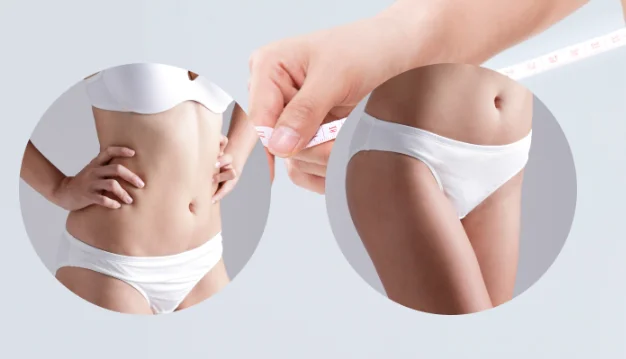
Abdominal Fat
- Provides the largest volume of harvestable fat
- Contains high-quality adipocytes with excellent survival rates
- Offers simultaneous abdominal contouring benefits
- Requires compression garment during recovery
Thigh Fat
- Available from both inner and outer thigh areas
- Provides good quality fat with favorable characteristics
- Enables leg contouring and improved body proportions
- Generally well-tolerated with faster recovery
Flank Fat
- Excellent for waistline improvement
- Moderate volume availability
- Strategic location for body contouring
- Minimal impact on daily activities during recovery
Advanced Liposuction Technique
The fat grafting procedure employs specialized liposuction methods to preserve fat cell integrity:
- Tumescent solution infiltration: A carefully balanced mixture of saline, lidocaine, and epinephrine is injected to minimize bleeding and cell damage
- Gentle aspiration: Small 3-4mm cannulas are used with low suction pressure to prevent fat cell trauma (Harvest-jet method)
- Multi-layered harvesting: Fat is collected from various tissue depths to maintain natural body contours
- Temperature control: Harvested fat is kept at optimal temperature to preserve cell viability
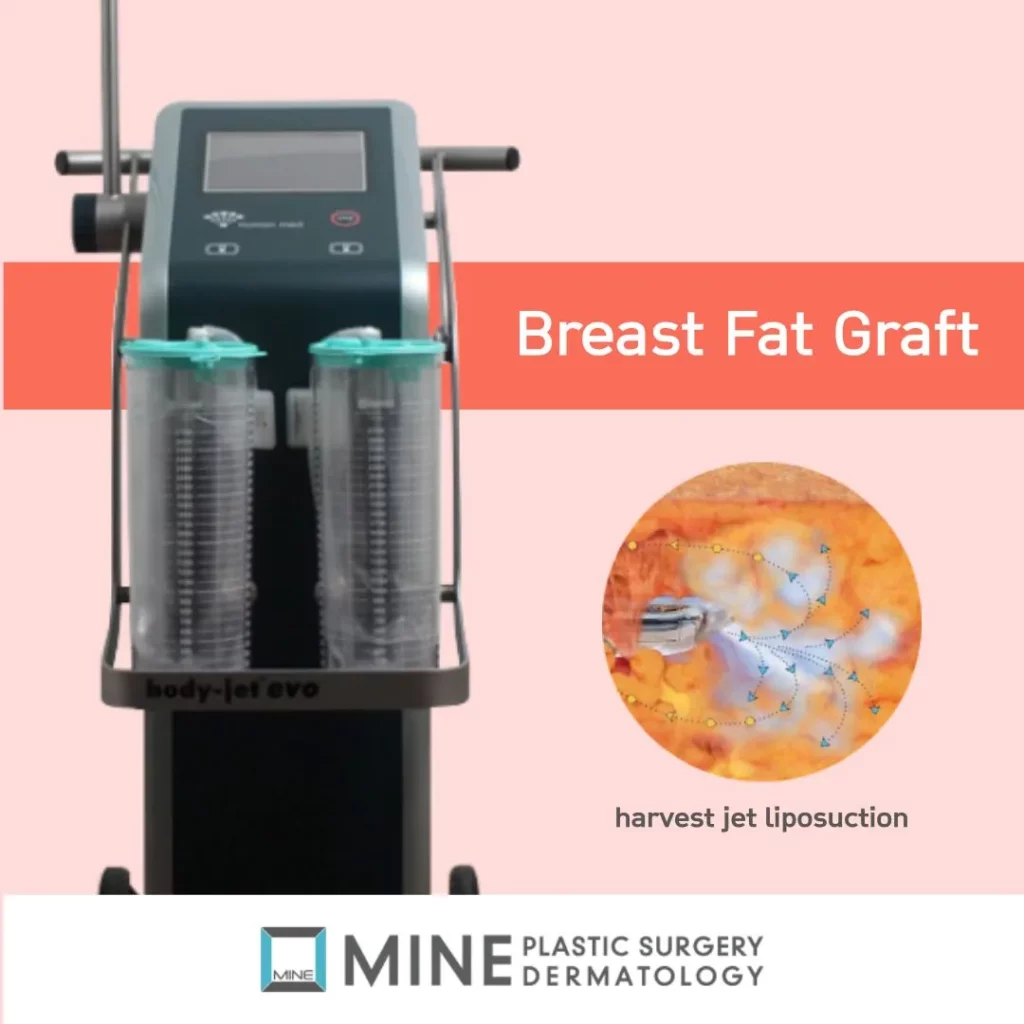
Step 2: Fat Purification and Processing
Critical Fat Processing Steps
The quality of your breast fat transfer results depends significantly on proper fat preparation. During centrifugation, harvested fat separates into three distinct layers—only the middle layer of purified fat cells is kept for injection, while the oily top layer and the watery bottom fluid are discarded (Coleman technique, Plastic Surgery: Breast, 5th ed., p.127). This careful purification is what concentrates the healthiest fat cells before they are transferred. This crucial step involves:
Centrifugation Method
- High-speed spinning at 3,000 rpm for 3 minutes
- Separates pure fat cells from blood, oil, and infiltration fluid
- Removes damaged cells and impurities
- Concentrates viable adipocytes for injection
Advanced Washing Techniques
- Water-jet purification for enhanced fat quality
- Removal of inflammatory debris and damaged tissue
- Preservation of fat cell integrity during processing
- Improved fat survival rate through gentle handling
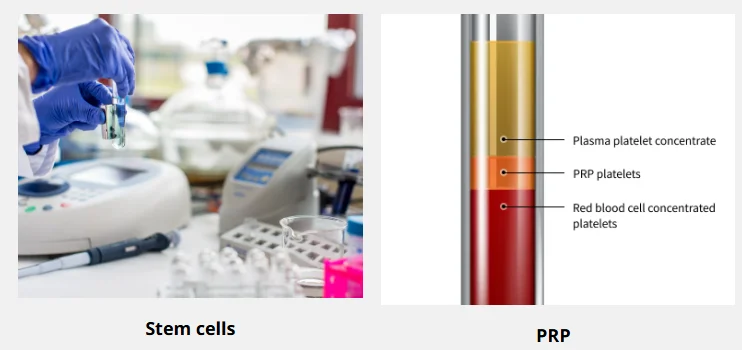
Stem Cell / PRP Enhancement (Optional)
Some advanced autologous fat transfer procedures incorporate stem cell or PRP enrichment:
- Stem cell isolation: Extraction of adipose-derived stem cells from harvested fat
- Concentration process: Specialized equipment increases stem cell density
- Fat-stem cell mixing: Optimal ratios for enhanced survival
- Angiogenesis promotion: Improved blood vessel formation for fat nourishment
Step 3: Breast Fat Injection
Precise Injection Methodology
The breast fat grafting injection phase requires exceptional surgical skill and anatomical knowledge:
Multi-Layer Injection Technique
- Fat is distributed across multiple tissue planes
- Small volumes injected per pass to ensure adequate blood supply
- Subcutaneous, mammary, and retromammary placement
- Minimizes risk of fat necrosis through careful distribution
Fan-Pattern Distribution
- Single entry point with multiple directional passes
- Creates natural breast contours and shape
- Ensures even fat distribution
- Maximizes fat survival rate through optimal spacing
Volume Considerations and Safety
Determining appropriate injection volumes is critical for graft success:
- Typical volumes: 100-200cc per breast for optimal results
- Patient-specific factors: Existing breast size, tissue quality, and goals
- Safety limits: Conservative approach prevents complications
- Staged procedures: Multiple sessions may be recommended for larger augmentations
Anatomical Precision
Safe breast fat grafting requires detailed understanding of breast anatomy:
- Mammary gland protection: Careful placement to avoid ductal system damage
- Vascular preservation: Protection of critical blood vessels
- Symmetry maintenance: Precise measurements for balanced results
- Natural contour creation: Artistic placement for aesthetic outcomes
Step 4: Surgery Completion and Recovery Room Transfer
Surgical Closure and Dressing
The final phase of the breast fat grafting procedure involves:
- Incision closure: Small donor site incisions are carefully sutured
- Sterile dressing application: Protection of all surgical sites
- Compression garment placement: Support for liposuction areas
- Supportive bra placement: Gentle support for newly augmented breasts
Post-Operative Monitoring
Immediate post-surgical care focuses on patient safety and comfort:
- Vital sign monitoring: Continuous assessment of blood pressure, pulse, and respiration
- Pain management: Appropriate analgesic medication administration
- Bleeding assessment: Regular evaluation of surgical sites
- Recovery supervision: Professional monitoring during anesthesia recovery
Post-Surgery Recovery Process and Care
Immediate Recovery Phase (Days 1-3)
The initial breast fat transfer recovery period is crucial for optimal results:
Pain Management
- Prescribed pain medication taken as directed
- Liposuction sites typically more uncomfortable than breasts
- Ice therapy for swelling and discomfort reduction
- Gradual improvement in comfort levels
Activity Restrictions
- No lifting over 5 pounds
- Avoid strenuous activities and exercise
- Adequate rest and sleep essential
- Gentle walking encouraged for circulation
Mid-Recovery Phase (Weeks 1-4)
This critical period determines fat survival rate and final outcomes:
Compression Garment Care
- Liposuction areas require compression for 4-6 weeks
- Gentle, non-compressive bras for breast support
- Regular garment cleaning and replacement
- Proper fitting to ensure effectiveness
Lifestyle Modifications
- Smoking cessation mandatory (impairs blood circulation and fat survival)
- Balanced nutrition to support healing
- Adequate hydration for optimal recovery
- Light walking exercise as tolerated
Late Recovery Phase (Months 1-3)
Final results become apparent during this breast fat grafting maturation period:
Result Assessment
- Swelling completely resolves
- Final breast size and shape established
- Fat survival rate evaluation complete
- Consideration of additional procedures if needed
Key Factors for Maximizing Fat Survival Rate
How Breast Fat Transfer Technique Affects Survival Rates
Every stage of a breast fat transfer—from gentle harvesting to careful injection—affects how many fat cells ultimately survive. Plastic surgery literature emphasizes that each processing step, from removing the fat to placing it in the breast, can damage delicate fat cells if handled roughly, so minimizing trauma throughout is essential for a lasting result (Plastic Surgery: Breast, 5th ed., p.570). Two factors matter most: surgical technique and individual patient characteristics.
Surgical Technique Excellence
Achieving optimal breast fat transfer results depends on several critical factors:
Gentle Fat Handling
- Minimal trauma during harvesting and processing
- Appropriate temperature maintenance throughout procedure
- Rapid transfer from harvest to injection
- Sterile technique to prevent contamination
Optimal Injection Method
- Small volume, multi-layer placement
- Appropriate needle pressure and technique
- Even distribution for adequate blood supply
- Avoidance of excessive pressure during injection
Patient Factors
Individual characteristics significantly impact autologous fat transfer success:
Pre-Operative Preparation
- Smoking cessation at least 2 weeks before surgery
- Maintenance of stable, healthy weight
- Adequate fat donor sites available
- Overall good health status
Post-Operative Care
- Avoid dieting and intense exercise for 3 months
- Follow a carbohydrate-rich diet for 3 months
- Avoid tight bras that place pressure on the breasts
- Sleep on your back, as sleeping on your side or stomach puts pressure on the breasts
Frequently Asked Questions (FAQ)
How long does breast fat transfer surgery take?
The complete breast fat transfer process typically requires 2-3 hours, depending on the volume of fat harvested and injected. More complex cases involving multiple donor sites or larger volume transfers may take longer. The procedure includes time for anesthesia, fat harvesting, processing, and careful injection.
When can I return to normal activities after surgery?
Most patients can resume light activities within one week of breast fat grafting. Office work is typically possible after 7-10 days, while heavy lifting and strenuous exercise should be avoided for 4-6 weeks. Full recovery and final results are apparent after 3-6 months.
What is the typical fat survival rate?
Modern autologous fat transfer techniques achieve survival rates of 70-80% in most patients. Individual results may vary based on surgical technique, patient factors, and post-operative care. Studies show that properly performed fat grafting can provide long-lasting, permanent results.
When might a second procedure be necessary?
Additional breast fat transfer sessions may be considered if desired volume wasn’t achieved or if asymmetry develops. Second procedures are typically performed 6-12 months after the initial surgery, allowing complete healing and final result assessment. Some patients choose staged approaches to achieve larger volume increases safely.
Is breast fat transfer safe for cancer screening?
Breast fat grafting is considered safe and does not increase breast cancer risk. A comprehensive meta-analysis demonstrated that autologous fat transfer does not result in increased locoregional recurrence rates in breast cancer patients. However, fat transfer may create imaging changes that require interpretation by experienced radiologists. The American Society of Plastic Surgeons provides detailed guidelines for post-fat grafting breast imaging.
Breast fat transfer surgery represents a sophisticated approach to natural breast enhancement that requires exceptional surgical skill and comprehensive patient care. The 5-step process—from careful fat harvesting through precise injection—must be performed with meticulous attention to detail to achieve optimal results.
Success in natural breast augmentation depends on selecting an experienced surgeon with extensive training in fat grafting techniques. Each step of the procedure, from donor site selection to final injection, influences the ultimate outcome and fat survival rate.
For those considering breast fat grafting, thorough consultation with qualified professionals is essential to determine candidacy and develop appropriate treatment plans. The procedure offers the unique advantage of simultaneous body contouring while achieving natural, long-lasting breast enhancement.
If you’re interested in learning more about autologous fat transfer options, mineclinic offers comprehensive consultations with experienced plastic surgeons specializing in advanced fat grafting techniques. Our team provides personalized treatment plans designed to achieve your aesthetic goals safely and effectively.
Related Articles:
- Stages of Breast Sagging and Solutions
- Learn about body contouring procedures that complement fat transfer
- Explore breast enhancement options available at mineclinic
Contact mineclinic today to schedule your consultation and discover how this procedure can help you achieve your aesthetic goals naturally and safely.
※ This content is for informational purposes only and does not replace professional medical advice, diagnosis, or treatment. Individual results may vary, and side effects may occur. Please consult with a board-certified plastic surgeon for personalized advice.