EN
EN

Table of contents
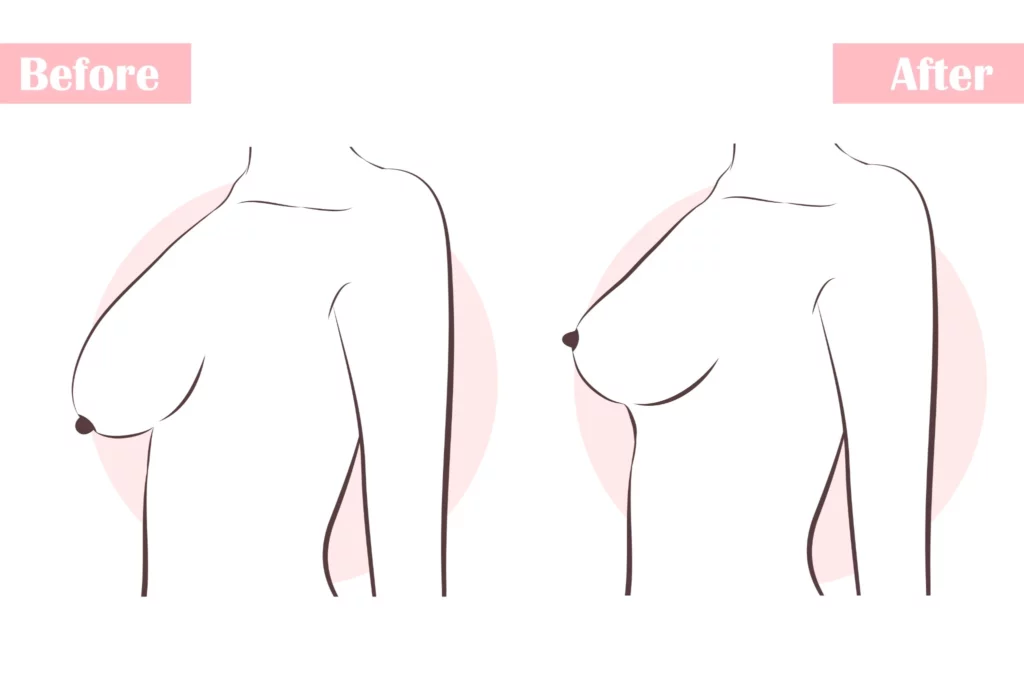
Breast reduction surgery (reduction mammoplasty) is a procedure that removes excess glandular tissue, fat, and skin to make overly large breasts smaller, lighter, and better proportioned to your body. Because part of every breast is fat, your body weight before and after the operation has a real, measurable effect on the result. Knowing how weight gain or loss interacts with breast reduction surgery helps you choose the right timing and protect your outcome for years to come.
Whether you are planning breast reduction surgery or already recovering from it, a few simple weight habits can make your surgery safer, your healing smoother, and your new shape last longer. This guide explains that connection in plain language, grounded in plastic-surgery textbook evidence on how breast tissue, skin, and support ligaments respond when the scale moves.
The Relationship Between Breast Reduction Surgery and Weight
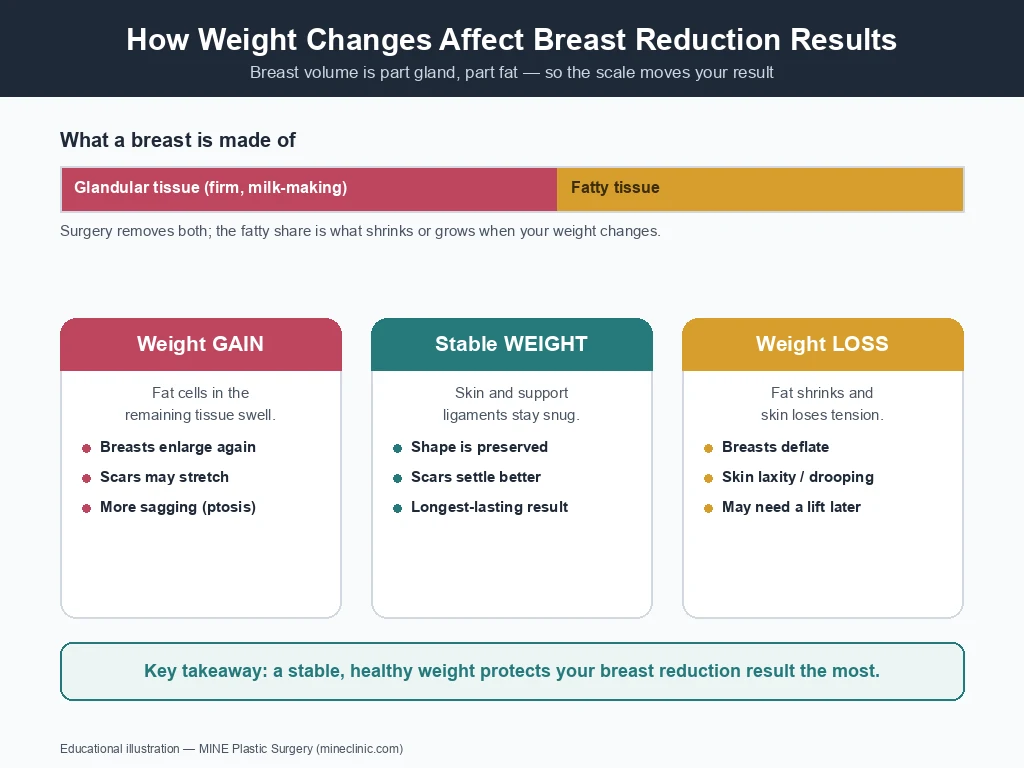
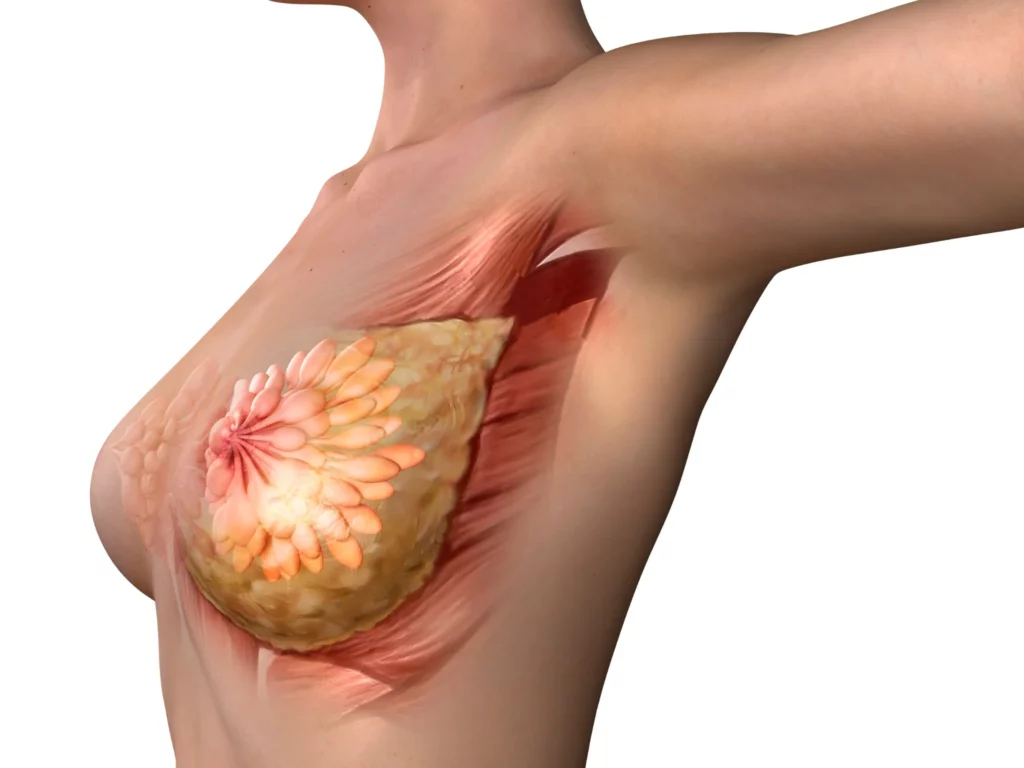
Breast tissue composition directly influences how weight changes affect your chest. The breasts are made of two main parts: firm glandular tissue (the milk-making structures) and softer fatty tissue. The ratio of gland to fat varies a lot from person to person. When your body weight goes up or down, it is mainly the fatty part that responds — which is why the same scale change can noticeably alter breast size and shape.
How Does Breast Size Correlate with Body Weight?
Weight gain typically increases breast size as extra fat collects in the breast tissue. Conversely, weight loss often shrinks breast volume, though the amount varies based on individual factors including:
- Genetic predisposition – Some women keep large breasts regardless of weight
- Hormonal influences – Estrogen levels affect breast tissue development
- Age factors – Breast composition shifts toward more fat over time
- Previous pregnancies – Can change breast tissue and skin support permanently
This relationship is not absolute, though. Many women with smaller frames still have disproportionately large breasts, while others have smaller breasts despite a higher body weight. Plastic-surgery research notes that the discomfort of large breasts comes not just from size but from how the tissue sits and pulls — which is why even modest reductions of under 400 grams per breast often relieve neck, shoulder, and back pain.
Does Being Overweight Affect Breast Reduction Surgery?
A higher body mass index (BMI) can raise the risk of certain surgical complications. Large multi-center reviews of thousands of reduction mammoplasty patients link higher BMI with a somewhat greater chance of wound-healing problems — although weight is only one of several factors a surgeon weighs, and not every study finds the same effect. Practical considerations include:
- Surgical and anesthesia risk: A higher likelihood of slower wound healing and anesthesia-related issues
- Longer recovery: Patients carrying extra weight often heal more slowly
- Result predictability: Excess body fat can make the final shape harder to predict
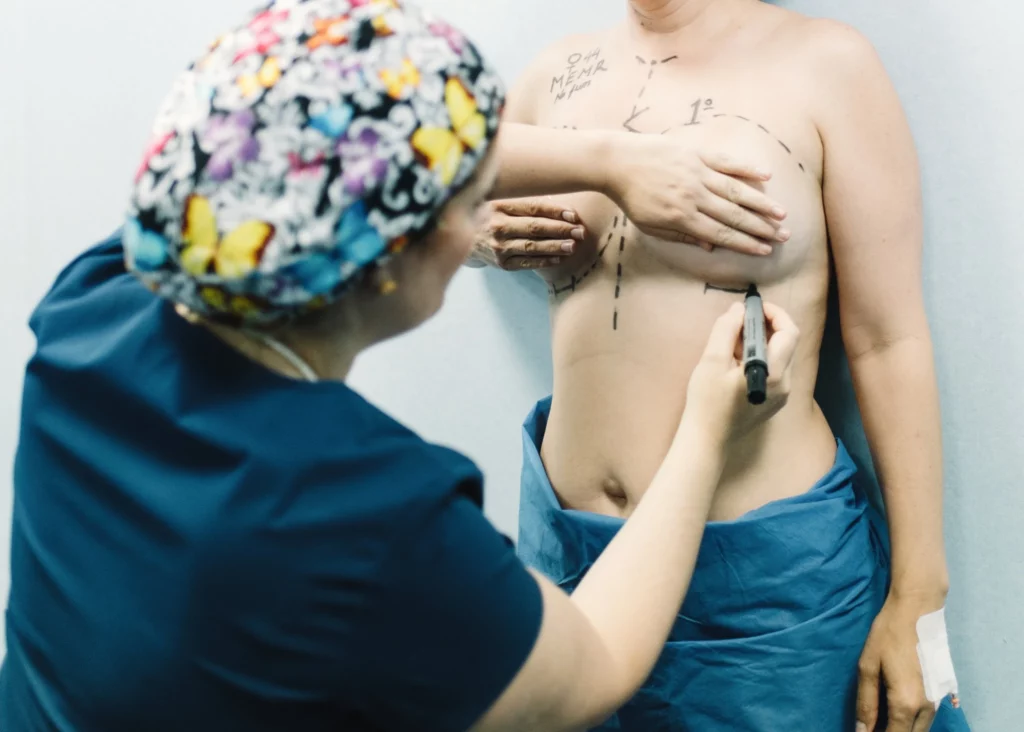
Working with board-certified plastic surgeons who are members of the American Society of Plastic Surgeons ensures you receive a proper evaluation and clear guidance about weight before surgery.
Why Pre-Surgery Weight Management Matters
Reaching a stable weight before breast reduction surgery improves both safety and results. Many plastic surgeons ask patients to reach their target weight and hold it steady for several months before scheduling the procedure, so the surgeon can plan around the breast size you will actually keep.
Benefits of Pre-Surgery Weight Optimization
Stable weight before surgery offers several advantages:
- Enhanced safety: Lowers surgical and anesthesia risk
- Improved recovery: Patients at a healthy weight typically heal faster
- Better aesthetic results: Stable weight allows more precise surgical planning
- Long-term satisfaction: Results stay more consistent over time
What’s the Ideal BMI for Breast Reduction Surgery?
Most surgeons prefer patients with a BMI between 18.5 and 30 for the most predictable outcomes, though this is a guideline rather than a strict rule. Some patients with a BMI over 30 are advised to lose weight first, yet research is mixed — certain studies find a high BMI does not always increase complications. Your overall health and weight stability often matter more than a single number.
Key BMI considerations:
- BMI over 30: Many surgeons recommend some weight loss before surgery
- BMI under 18.5: May call for nutritional support before surgery
- Individual assessment: Overall health matters more than numbers alone
- Stable weight: Consistency counts more than hitting a specific figure
At MINE Plastic Surgery, experienced surgeons provide personalized consultations to evaluate your situation and build the most appropriate plan. For a fuller picture of how each method works, see our comparison of breast reduction techniques.
How Much Weight Do You Lose from Breast Reduction Surgery?
The amount of tissue removed during breast reduction surgery varies widely based on your needs and goals. Setting realistic expectations helps you prepare both mentally and physically for the procedure.
Typical Tissue Removal Amounts
Breast reduction surgery removes varying amounts of tissue per breast:
- Moderate reduction: 200–500 grams per breast (about 1–2 pounds total)
- Significant reduction: 500 g–1 kg per breast (2–4 pounds total)
- Large-volume reduction: Over 1 kg per breast (4+ pounds total)
Even very large breasts weigh only a few pounds each. While that is a small share of total body weight, the relief for comfort, posture, and daily activity can be transformative.
What Happens to Your Weight After Surgery?
Post-surgical weight change is more than simple tissue removal. Several factors shape your weight in the weeks and months after breast reduction surgery:
- Immediate loss: From the removed tissue and reduced fluid retention
- Temporary gain: Due to post-surgical swelling and lower activity early on
- More physical activity: Many patients become far more active once heavy breasts no longer limit movement, and some lose 10–20 pounds over the first six months simply because exercise is finally comfortable
- Improved body image: Greater confidence often leads to healthier lifestyle choices
Many patients feel noticeably lighter and more balanced right after surgery, even before the scale shows much change.
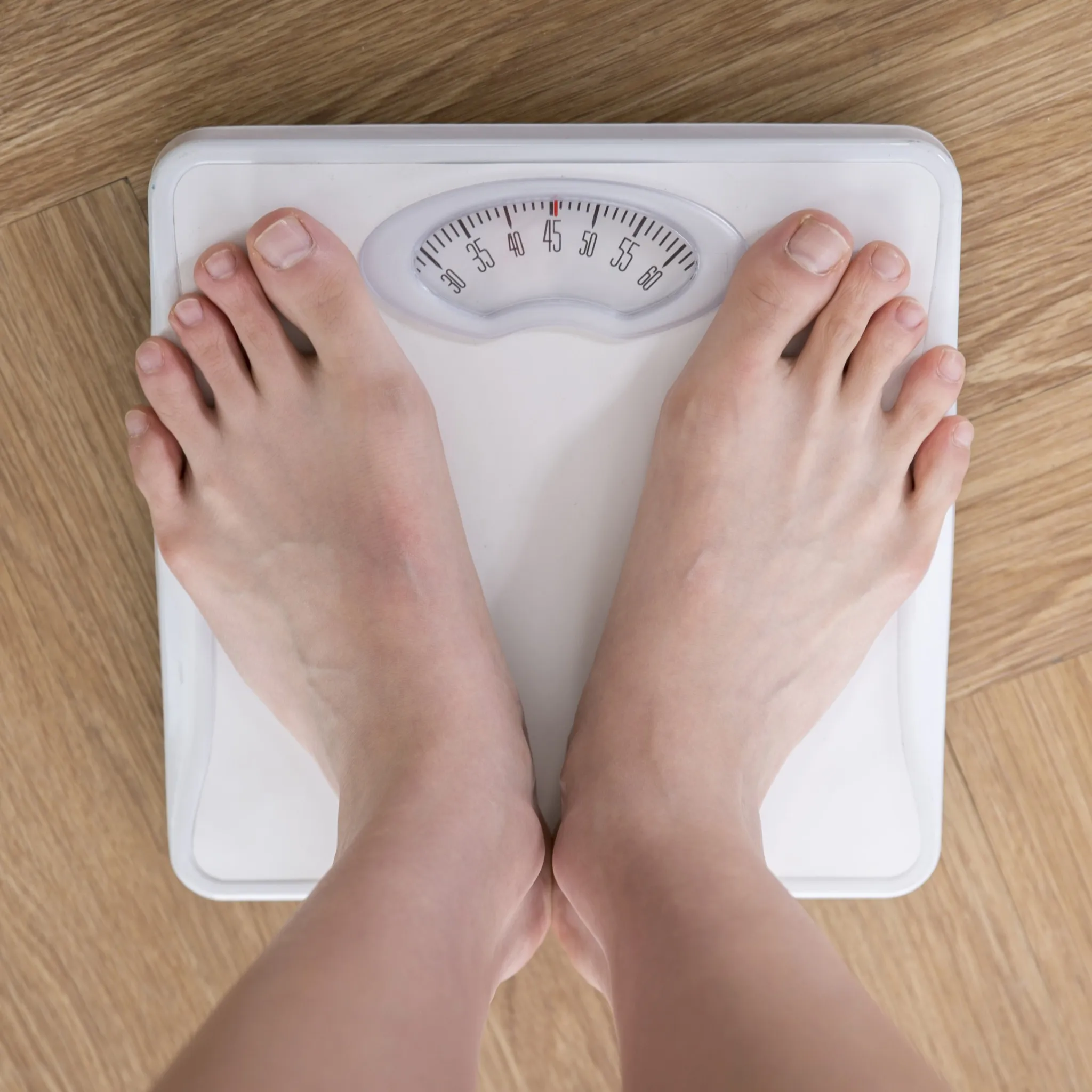
Regular, gentle weight monitoring after breast reduction surgery helps you catch large swings early and keep your new shape stable.
Impact of Post-Surgery Weight Changes on Results
Big weight swings after breast reduction surgery can noticeably change your results. Understanding these effects helps you make informed choices about lifestyle after the procedure.
How Weight Gain Affects Your Results
Weight gain after surgery can compromise your outcome:
- Breast size increase: Fat cells in the remaining tissue expand, so breasts can grow again
- Scar stretching: Skin expansion can make surgical scars more visible
- Accelerated sagging: Added weight increases the downward pull of gravity
- Asymmetry: Uneven fat distribution can create imbalances
How Weight Loss Affects Your Results
Major weight loss after surgery brings a different set of challenges:
- Extra size reduction: Breasts may become smaller than originally planned
- Skin laxity: Losing 20 pounds or more can cause deflation and sagging that works against the lifted shape
- Shape changes: May require a revision to restore contour
- Volume loss: Can affect the overall proportions achieved through surgery
The key to lasting results is weight stability rather than dramatic change in either direction. If significant weight loss does leave you with sagging or lost fullness, procedures such as a breast reduction revision — including a lift or fat grafting — can restore shape.
Weight Management Methods After Breast Reduction Surgery
Good nutrition and a gradual return to activity are essential for protecting your breast reduction results. A structured approach supports healing while preserving the shape you invested in.
Nutritional Guidelines for Recovery
Focus on healing-supportive nutrition during recovery:
- Increase protein: Essential for tissue repair and wound healing
- Lean meats, fish, eggs, legumes, and nuts
- Aim for roughly 1.2–1.6 grams per kilogram of body weight daily
- Stay hydrated: Drink plenty of water throughout recovery to deliver nutrients to healing tissue and keep your body working well
- Balanced micronutrients: Support immune function and healing
- Vitamin C for collagen synthesis
- Zinc for wound healing
- Vitamin E for scar care
- Limit inflammatory foods: Cut back on sugar, processed foods, and excess sodium
Exercise Guidelines by Recovery Stage
A gradual return to activity prevents complications while supporting weight control:
Weeks 1–2:
- Light walking only (10–15 minutes)
- No upper-body movement or lifting
Weeks 3–4:
- Extended walking (up to 30 minutes)
- Light lower-body exercise
- Continued upper-body restrictions
Weeks 6–8:
- Moderate cardio with your surgeon’s approval
- Light upper-body movement
- Keep up regular follow-ups; aim for a stable, healthy weight through balanced eating and steady exercise
Week 12 and beyond:
- Resume most activities with final medical clearance
- Increase intensity gradually
- Focus on sustainable, long-term habits
MINE Plastic Surgery provides comprehensive post-surgical support and recovery guidance to help patients heal well and keep their results.
Maintaining Breast Shape Through Weight Changes
Preserving your breast reduction results calls for a steady approach to weight and breast care. Even when some weight change is unavoidable, specific habits can limit its impact on your shape.
Why Weight Stability Matters for Results
Inside every breast, thin bands of connective tissue called Cooper’s ligaments work together with the overlying skin like a built-in support hammock. Plastic-surgery textbooks note that when breast size repeatedly rises and falls — from pregnancy or weight swings — this skin-and-ligament support stretches and weakens. Over time that lets the breasts droop again, a change surgeons call ptosis. Steady weight, not just a one-time number on the scale, is what protects the lifted shape your surgeon created. Stable weight supports:
- Shape preservation: Maintains the surgical contour
- Skin elasticity: Prevents the stretching that follows weight swings
- Scar appearance: Minimizes scar visibility and supports better healing
- Long-term satisfaction: Consistent results keep patients happy
Strategies for Minimizing Weight Change Impact
When weight change is unavoidable, these approaches help protect your results:
- Gradual changes: Aim for slow, steady weight change with a balanced diet and regular exercise rather than crash diets
- Proper support: Wear high-quality, well-fitted bras during any weight transition
- Targeted exercise: Strengthen the chest muscles that support breast position
- Chest presses and flies (after full recovery)
- Core work for better posture
- Skin care: Support skin elasticity through:
- Good hydration
- Vitamin C and E in your diet
- Daily moisturizing
- Sun protection
- Regular monitoring: Schedule a follow-up if significant weight change occurs, and ask about a scar-care plan if scars start to stretch
Professional guidance is especially valuable during major life changes — such as pregnancy, menopause, or significant health events — that can affect weight stability.
Frequently Asked Questions
Will my breasts grow back if I gain weight after breast reduction surgery?
Yes, weight gain can increase breast size again, but usually not back to the original proportions. The remaining breast tissue still responds to weight changes, so significant gain can enlarge the breasts and alter the result. Because a large share of tissue was removed during surgery, however, the increase is generally far less dramatic than your pre-surgery size.
Should I lose weight before breast reduction surgery?
It depends on your individual circumstances and BMI. Patients with a BMI over 30 are often encouraged to lose some weight first to reduce complications and refine the result, but this is not universal. If you do plan to lose weight, doing so before surgery lets your surgeon remove excess skin and shape the breasts in proportion to your stable body size.
How much weight will I lose from breast reduction surgery?
Tissue removal itself usually means about 1–4 pounds of immediate weight loss, depending on how much is taken. Many patients then lose more in the following months because exercise finally feels comfortable — it is common to lose another 10–20 pounds as activity increases.
Can I diet after breast reduction surgery?
Extreme dieting right after surgery is not recommended because your body needs proper nutrition to heal. Focus on balanced, nourishing meals rather than calorie restriction during early recovery. After about 6–8 weeks, and with your surgeon’s approval, you can begin gradual, healthy weight management.
When can I start exercising after breast reduction surgery?
Light walking can usually begin within the first week. Take short, slow walks, rest, eat well, and stay hydrated — but avoid anything strenuous. Moderate exercise typically resumes at 4–6 weeks, while full activity, including heavy lifting, usually requires 8–12 weeks of healing and your surgeon’s clearance.
What happens if I need to lose significant weight after breast reduction?
Major weight loss after surgery can affect breast shape and may call for a revision. When significant deflation or sagging occurs, revision options such as a lift (mastopexy) or fat grafting can restore contour and fullness. Discuss any major weight-loss plans with your surgeon so you understand the likely impact and your options.
Conclusion
Breast reduction surgery and weight management are closely connected, shaping everything from surgical safety to long-term satisfaction. Success rests on thoughtful pre-surgery planning, careful post-operative care, and an ongoing commitment to a stable, healthy weight.
The relationship goes well beyond the tissue removed in the operating room. While the procedure lifts physical weight off your chest and eases symptoms like back and neck pain, it also opens the door to more activity and greater confidence — benefits that support your overall health for years.
Key takeaways for the best results:
- Reach a stable weight before surgery when possible
- Follow post-surgical nutrition and exercise guidance carefully
- Keep your weight consistent for lasting results
- Seek professional guidance for any significant weight change
- Focus on overall health, not just the number on the scale
For a personalized consultation and expert care in breast reduction surgery, visit MINE Plastic Surgery. Our experienced team supports you through every step, from your first consultation to long-term follow-up. Have questions about breast reduction surgery and weight management? Schedule a consultation to discuss your specific situation with qualified professionals.
※ This content is for informational purposes only and does not replace professional medical advice, diagnosis, or treatment. Individual results may vary, and side effects may occur. Please consult with a board-certified plastic surgeon for personalized advice.