EN


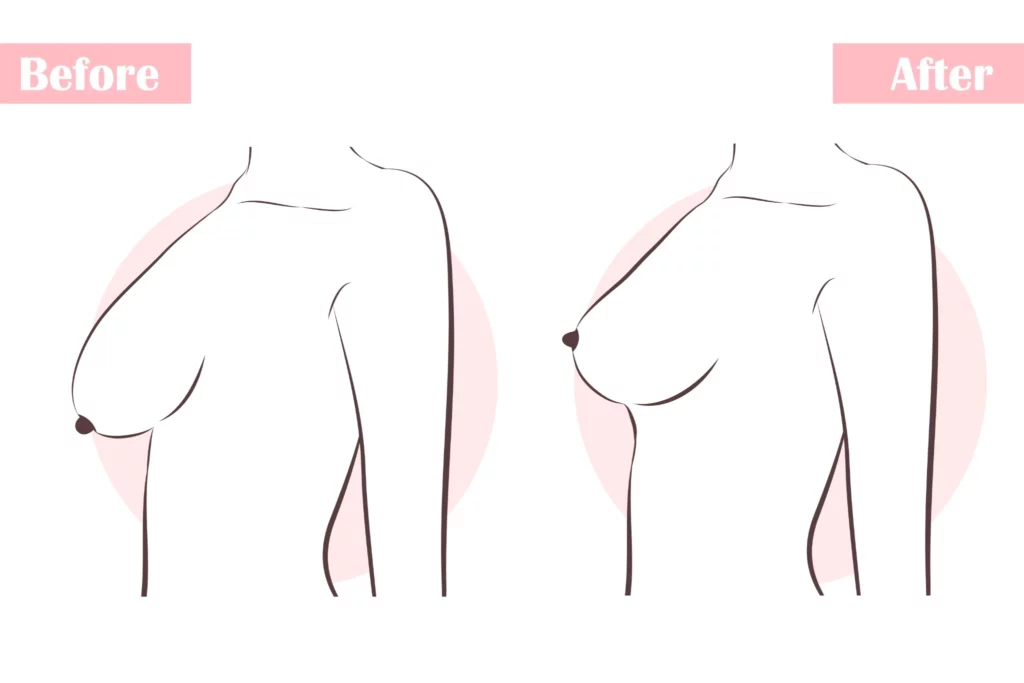
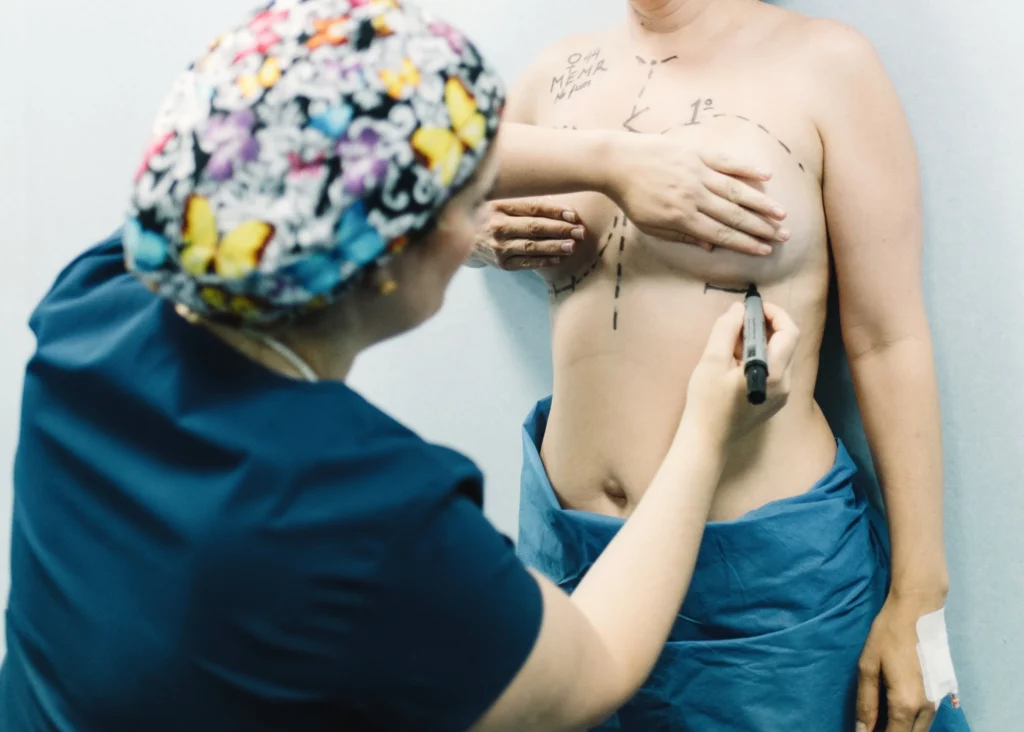
“When can I have it redone?” is one of the questions I hear most often in clinic. How soon can you have breast revision surgery? Breast revision timing is the rule for deciding when to operate again after a first breast surgery, and it depends mainly on the type of problem. Hematoma, infection or an exposed implant should be treated right away, while concerns about shape or size are usually judged 6–12 months later, once the tissues have settled.
If you are unhappy with your first result, wanting to fix it as soon as possible is completely natural. Many other patients feel the opposite worry: “What if this is something I need to deal with today?” In my clinical experience, both reactions make sense. The answer, though, depends less on how many months have passed and more on what kind of problem you actually have.
So in this article I have organized the decision by time after your first surgery, in four stages: days to weeks, weeks to 3 months, 6–12 months, and after 1 year. For each stage you will see which problems belong there and what to do next.
How Soon Can You Have Breast Revision Surgery? It Depends on the Problem
People need revision surgery for very different reasons. Blood may have pooled around the implant, the implant may have shifted out of place, or the size may simply not be what you expected. Because the reasons differ, the urgency differs too.
Early vs Late Breast Revision
Plastic surgery textbooks treat surgery within 12 months of the first cosmetic breast operation as a separate category called “early revision.” At this stage, the most common cause is implant malposition, meaning the implant has settled in the wrong place soon after surgery.
“Late revision,” done after the first year, is a different situation. Typical reasons include sagging, implant rupture, wanting a different size, and late capsular contracture (when the capsule, the thin layer of scar tissue your body forms around the implant, thickens and tightens so the breast feels firm). These changes are linked more to the passage of time than to how the first operation was performed.
Why a Second Surgery Is More Demanding Than the First
A breast that has already been operated on contains scar tissue, the tissue may be thinner, and its blood supply has changed. For these reasons, revision is technically harder than a first surgery and carries a higher risk of complications and dissatisfaction. That is why finding the exact cause comes before rushing back into the operating room.
Revision is also not as rare as many people think. In a follow-up study cited in a plastic surgery textbook, 12% of 1,800 breast augmentation patients had a reoperation within 5 years. A manufacturer’s 10-year follow-up of smooth, round silicone implants reported a reoperation rate of 36.1%. And in a study of 197 revision patients, the most common reasons were capsular contracture (61.8%) and implant malposition (31.2%). These figures describe general trends in the literature, not what will happen to any one person.
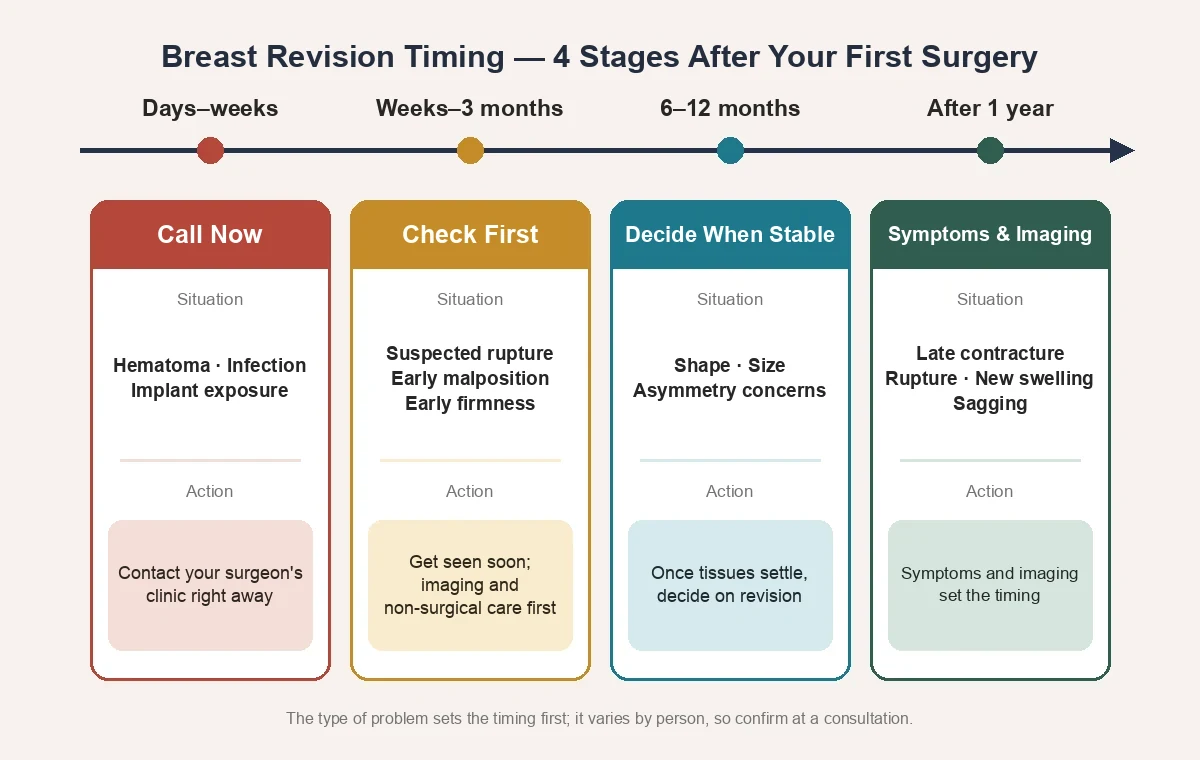
Breast Revision Timing at a Glance: The 4-Stage Chart
Here is the whole timeline in one place. Find the row that matches your situation, then read the section below for details.
| Time after first surgery | Situation | What to do |
|---|---|---|
| Days to weeks | Hematoma, infection, implant exposure | Contact the clinic that performed your surgery right away |
| Weeks to 3 months | Saline implant rupture, silicone rupture with symptoms, early malposition, early firmness | Get seen soon; confirm the cause first or try non-surgical care |
| 6–12 months | Concerns about shape, size or asymmetry | Decide once the tissues have settled |
| After 1 year | Late capsular contracture, rupture without symptoms, new one-sided swelling, sagging | Plan based on symptoms, after imaging |
Dr. Lee’s Key Point: The type of problem sets the timing first — not the number of months since surgery.
Days to Weeks After Surgery: 3 Problems That Can’t Wait
Problems at this stage are not a question of “when should I have revision?” With the three below, the chance of saving the implant can shrink as time passes. If you suspect any of them, contact your operating surgeon today.
Hematoma: Sudden One-Sided Swelling and Firmness
A hematoma (blood pooling inside the surgical pocket) usually appears within the first few days. Typically one breast becomes noticeably larger and firmer, often with bruising and pain.
There is a good reason to drain it promptly. Medical literature links blood collecting around an implant with capsular contracture later on. So this is not only about your discomfort now — it can also affect how the breast looks months from now.
Infection: Fever, Redness or Pus
Fever, an incision that looks red and feels hot, or any pus are warning signs of infection. If antibiotics do not bring it under control, the implant may have to be removed, and the risk of capsular contracture later can also rise. I do not recommend waiting it out to “see how it goes.”
Implant Exposure: When the Incision Opens
If the incision opens and you can see inside, or the skin has become so thin that the implant shows through, you need an assessment right away. Exposure often comes together with skin damage or infection, and whether infection is present largely decides whether the implant can be kept.
In all three cases, please do not treat yourself at home or try to judge it alone — call the clinic that did your surgery first. To learn more about red flags such as high fever or sudden swelling on one side, see our guide to emergency warning signs for implant replacement or removal.
Dr. Lee’s Key Point: Hematoma, infection and exposure are not “timing” questions. They are “call today” problems.
Weeks to 3 Months: Get Checked First, Try Non-Surgical Care
Most problems that appear in this window are not emergencies. Still, simply waiting and waiting after a proper check are two very different things. At this stage, the priority is to be examined soon so the cause is confirmed.
Saline Implant Rupture: Not an Emergency, But Soon
When a saline implant breaks, the salt water inside is absorbed by the body and that side shrinks visibly, so most patients notice it themselves. The saline itself is harmless, but the change in shape remains, so it is best to see your surgeon soon.
Silicone Rupture With Symptoms
A ruptured silicone implant often shows few outward signs. However, the following changes raise the possibility that silicone has leaked beyond the capsule:
- Pain in the breast or toward the armpit
- A new difference in shape between the two sides
- A new lump you can feel in the breast
- Swollen lymph nodes in the armpit
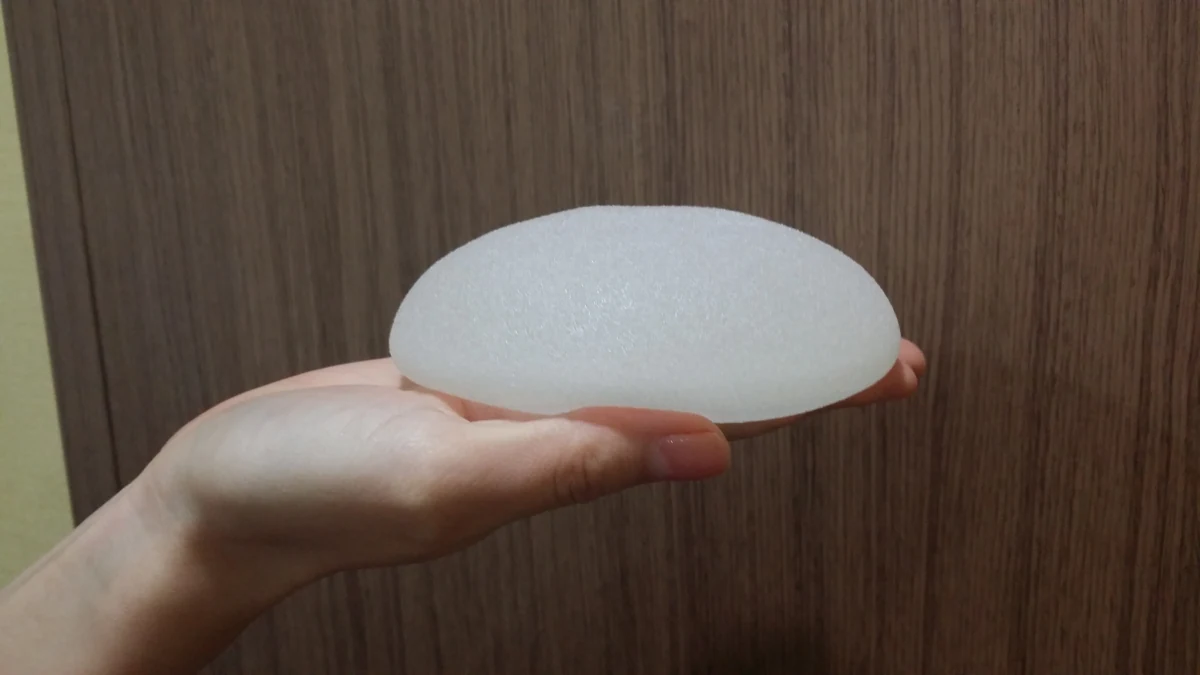
In these cases, surgery to remove the implant is usually recommended, and we decide at the same time whether to remove the capsule as well and whether to place a new implant. Imaging comes first to confirm the extent of the rupture, and then the surgery is scheduled. Rupture types and testing options are covered separately in breast implant rupture symptoms and testing.
Early Malposition or Firmness: Non-Surgical Options First
When an implant drifts to one side or looks out of position, textbooks advise trying external massage first and considering revision only if it does not improve. Malposition often has more than one cause, and sometimes more than one type of displacement at once, so the right order is to sort out the cause precisely before anything else. You can read more about causes and fixes for implant malposition.
If the breast only feels slightly firm in the early stage, non-surgical treatment such as massage or medication may be tried first. Some medications have been studied for reducing firmness, but they have side effects and need to be used with care, so this is always a decision to make with a specialist.
Dr. Lee’s Key Point: At this stage the goal is not “operate early” but “get checked early.”
Unhappy With Shape or Size? Why Surgeons Wait 6–12 Months
This is the part of revision consultations that comes up most. If the issue is not an emergency but you simply do not like the shape or size, I ask patients to wait. Here is why, in three parts.
Swelling and the Capsule Need Time to Settle
Right after surgery, the breast is still swollen and the capsule around the implant is still forming. Plastic surgery textbooks describe revision discussions typically starting from around 3 months, once the breast shape has become relatively stable. Breast procedures that are done in stages are also generally spaced at least 3 months apart.
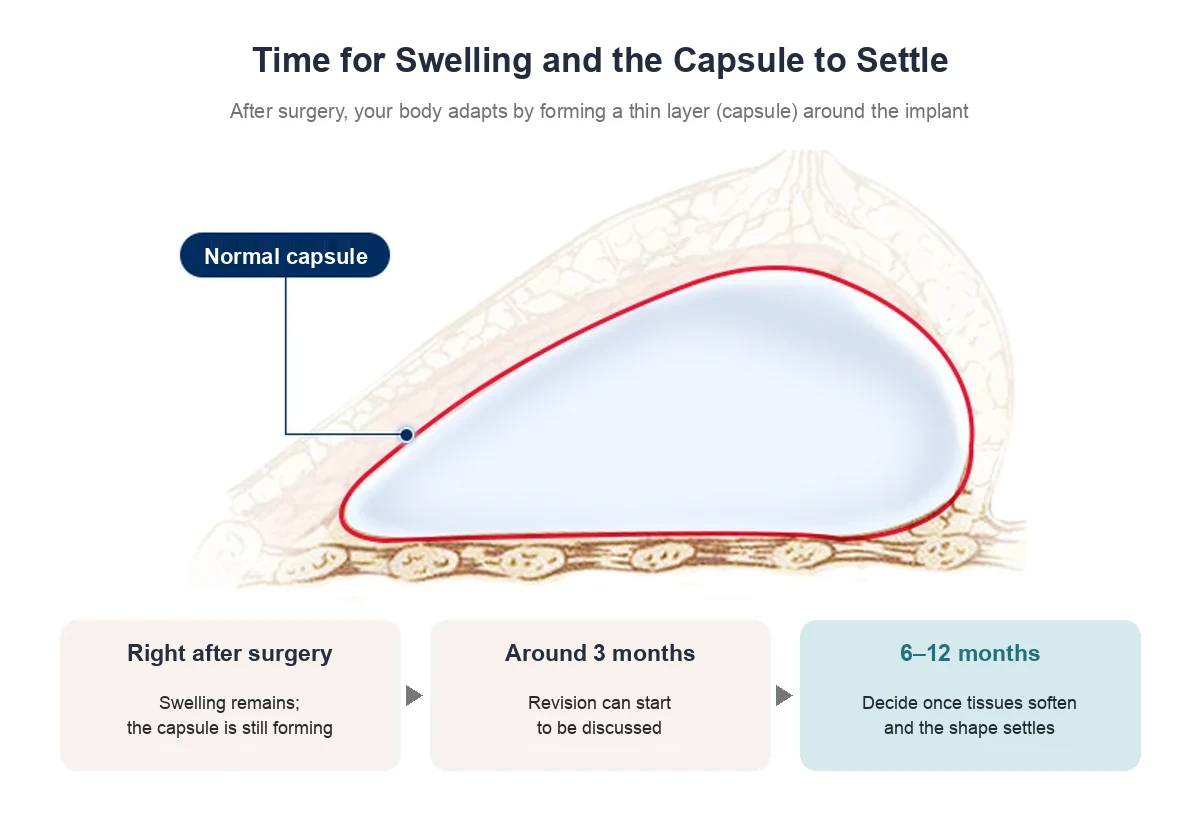
In everyday practice, we allow a little more time than that. For cosmetic breast revision, the usual clinical convention is to judge the result 6–12 months after the first surgery, once the tissues have softened and the shape has settled. Six months is a guide rather than a strict deadline — it can shift earlier or later depending on how quickly your tissues stabilize. The literature on implants placed under the chest muscle also reports that breast volume and shape tend to stabilize at around 6 months.
Implants Drop Into Place Over Months
Implants often sit high right after surgery and then slowly descend, filling out the lower part of the breast over time. Much like new clothes gradually stretching to fit, the tissues adjust to the implant at their own pace. That is why areas that looked “too high” or “too narrow” early on sometimes improve naturally within a few months.
Your Own View Often Changes While You Wait
The waiting period helps your mind as much as your body. As an unfamiliar shape becomes familiar, it becomes much clearer what you truly dislike. Quite a few patients find that something they were unhappy with at first no longer bothers them later. Textbooks make the same point: waiting gives patients time to decide what they like and what they want changed.
Keep a Monthly Photo Log
There is something useful you can do while you wait. About once a month, take photos in the same lighting and the same pose, and jot down a short note about what concerns you. When you bring these to your follow-up visits, it becomes much easier to see objectively whether things are improving or staying the same. If revision does turn out to be necessary, this record also helps decide exactly what should change.
If your concern is size, the condition of your tissue matters too. An implant that is too large can stretch and thin the surrounding tissue, which narrows the options for the next operation. In the end, both “when” and “how” to change are decided by how much healthy tissue you have left.
Dr. Lee’s Key Point: 6–12 months is not a period of “putting up with it.” It is the time when an accurate judgment becomes possible.
After 1 Year: Symptoms and Imaging Set the Timing, Not Implant Age
Once a year has passed since your first surgery, what matters is not how many years the implant has been in place, but what has changed in your body. Revision at this stage rarely needs to be rushed — but that does not mean it can be put off indefinitely.
Late Capsular Contracture: No Rush, but Rule Out Rupture
Capsular contracture that develops late is thought to be related more to the implant’s long stay in the body than to contamination or inflammation at the time of surgery. So we can usually take a somewhat more measured approach than with contracture that appears soon after surgery.
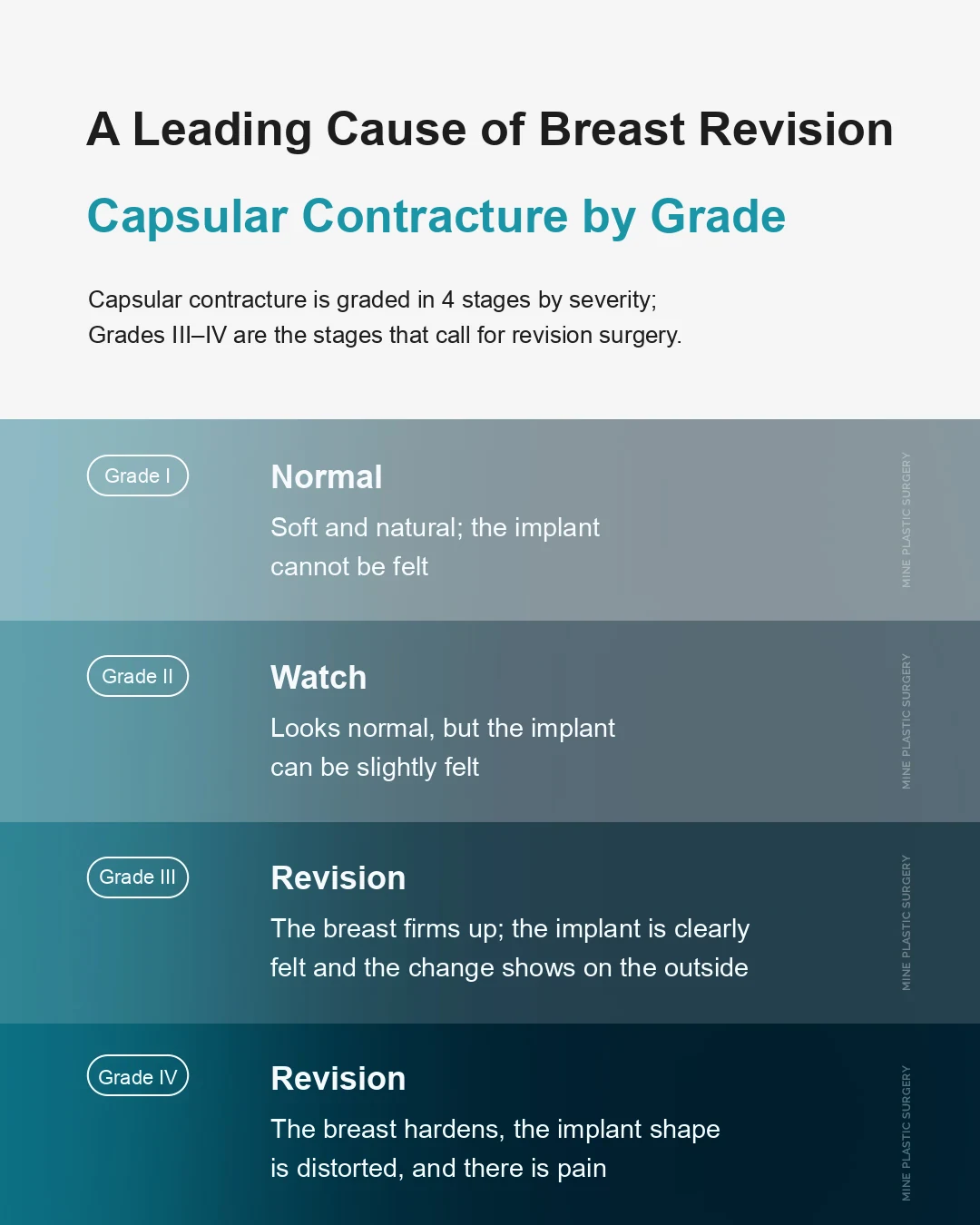
However, when the firmness is visible, the breast looks distorted, or there is pain (Baker grade III–IV), revision is recommended. Textbooks also advise that in any late contracture, implant rupture should be suspected as well — so even if you are managing it without surgery, imaging to rule out rupture is a good idea. The grading criteria are explained in detail in capsular contracture symptoms and Baker grades.
Silent Silicone Rupture: Not Urgent, but Don’t Put It Off
Sometimes a silicone rupture is found by chance on a routine scan. If you have no symptoms, emergency surgery is rarely needed. Because removal of a ruptured implant is still recommended, though, the sensible next step is to book a consultation, confirm the extent on imaging, and then make a plan.
New One-Sided Swelling After a Year: Test First
When clear fluid collects and one breast swells more than a year after surgery, it is called a late seroma. A late seroma is rare, is mostly associated with implants that have a textured (rough) surface, and is almost always benign. Even so, textbooks note it is the most common first sign of BIA-ALCL, a rare type of lymphoma linked to breast implants. For that reason, this kind of swelling calls for testing — usually an ultrasound and a sample of the fluid — before any revision is planned. For general information on implant-related risks, see the FDA overview of breast implant risks and complications.
Do Implants Need Replacing Every 10 Years?
Many patients have heard that implants must be swapped every 10 years. There is no evidence for changing implants on a fixed schedule based on age alone; the decision is made on symptoms and imaging. If sagging has developed as well, whether to add a lift is decided after an examination.
Dr. Lee’s Key Point: After the first year, the calendar does not decide the timing — changes in your body and your imaging results do.
What Your Surgeon Weighs Before Scheduling a Revision
When a patient comes in wanting revision quickly, the first thing I ask is, “Since when, and what has changed?” The answer determines whether we operate now, wait a little longer, or start with tests. For any individual patient, the honest answer to “How soon can you have breast revision surgery?” comes from the checks below rather than from a fixed date.
What to Bring to Your Consultation
- First surgery details: the date and the clinic
- Implant information: your implant card or operative record (to confirm type and size)
- Notes on changes: when each change started, ideally with dates and photos
- Previous imaging: any ultrasound or MRI reports
Using this information, your surgeon looks at the cause of the problem (often several causes overlap), how thick the remaining tissue is, the condition of your skin, and your imaging results together. If you are planning a pregnancy in the near future, I generally suggest postponing cosmetic revision until after childbirth where possible.
What Happens on Consultation Day
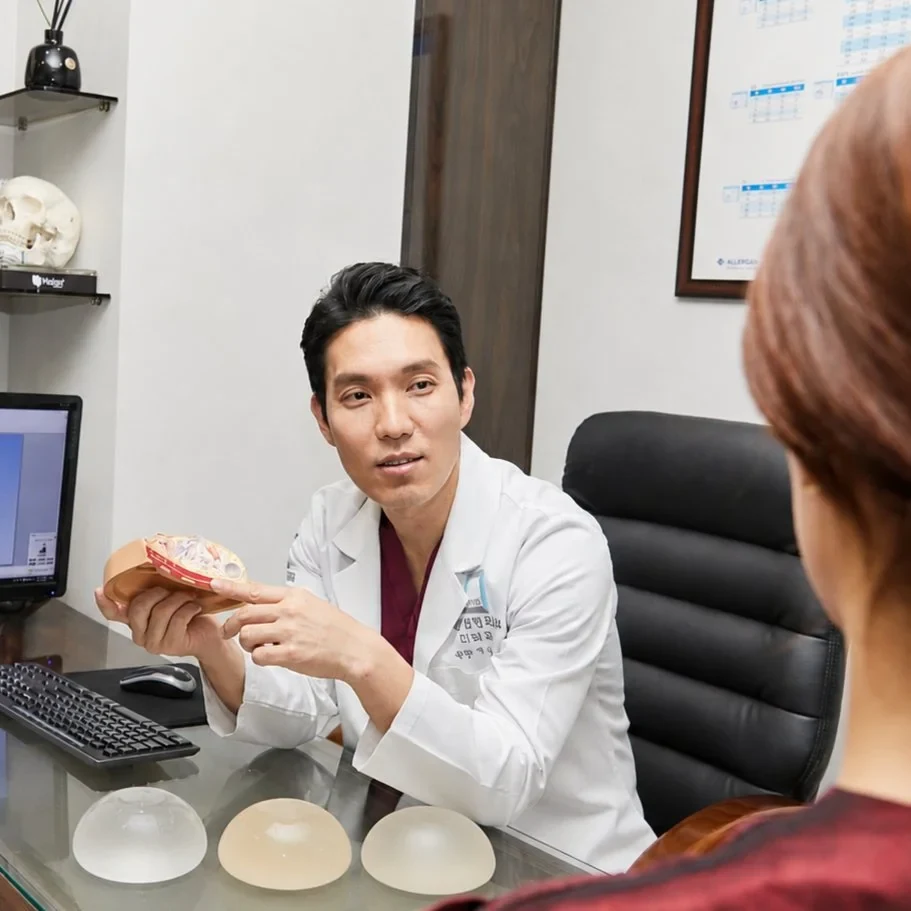
On the day, you will have an examination and, if needed, an ultrasound to check the implants. Based on the findings, your surgeon will explain whether to operate now, keep monitoring, or run further tests, and you can decide after hearing the reasons. You do not have to make a decision in a single visit.

Revision Recovery Can Take Longer Than the First Time
A revision that includes removing the capsule can mean a longer recovery and more discomfort than your first surgery, and the final shape typically settles over 3–6 months. Side effects such as bleeding, infection, recurrent capsular contracture and asymmetry can still occur after revision, so you should hear a full explanation before deciding. You can find our approach and consultation process on the page for breast revision at MINE Plastic Surgery.
Dr. Lee’s Key Point: The right time for revision is when the cause is known and the tissue is ready.
Breast Revision Timing FAQ: How Soon, How Long to Wait
How soon can you have breast revision surgery after your first surgery?
It depends on the problem. Emergencies such as hematoma, infection or implant exposure are treated right away, while shape or size concerns are usually judged 6–12 months later, once the tissues have settled. The medical literature also holds that at least a few months should pass so the breast shape can stabilize.
Why should I wait 6 months or more if I don’t like the shape?
Swelling, the capsule and the implant’s position all take months to settle, and early concerns often improve during that time. Because tissue conditions in a revision are less favorable than in a first surgery, it is important to judge the result once things are stable.
What should I do if one breast suddenly swells after surgery?
If it happens within days or weeks of surgery, it may be a hematoma, so contact your surgeon right away. If new swelling appears more than a year later, testing comes first. Most cases are benign, and implant-associated lymphoma is rare.
How urgent is a silicone implant rupture with no symptoms?
Emergency surgery is rarely needed when there are no symptoms. Removal of a ruptured implant is still recommended, so do not put it off: have a consultation, confirm the extent on imaging, and then plan the surgery.
Do breast implants need to be replaced every 10 years?
There is no evidence for replacing implants on a fixed schedule; the decision is based on symptoms and test results. Even without any problems, regular check-ups are still a good idea.
To sum up: how soon can you have breast revision surgery? Call right away for hematoma, infection or exposure; get checked early for rupture or early malposition; decide at 6–12 months for shape or size concerns; and after the first year, let symptoms and imaging guide you. At every stage, understanding the cause matters more than speed — it is the first step in preparing for the next operation.
Plan Your Breast Revision Timing With Dr. Lee
The condition of your remaining tissue and the cause of the problem differ from person to person, so the right timing and method for revision differ too. To have your situation assessed accurately, I recommend an in-person consultation at MINE Plastic Surgery in Seoul. You can request a one-on-one consultation through our online consultation form or by phone at +82-2-516-1175.
Written and reviewed by Dr. Lee Sung-wook, Board-Certified Plastic Surgeon, MINE Plastic Surgery | 813 Nonhyeon-ro, Gangnam-gu, Seoul | +82-2-516-1175
Sources: Plastic surgery and aesthetic breast surgery textbooks (revision timing, complications and late seroma chapters); U.S. FDA breast implant risk information.
※ This content is for informational purposes only and does not replace professional medical advice, diagnosis, or treatment. Individual results may vary, and side effects may occur. Please consult with a board-certified plastic surgeon for personalized advice.