EN
EN


Table of contents
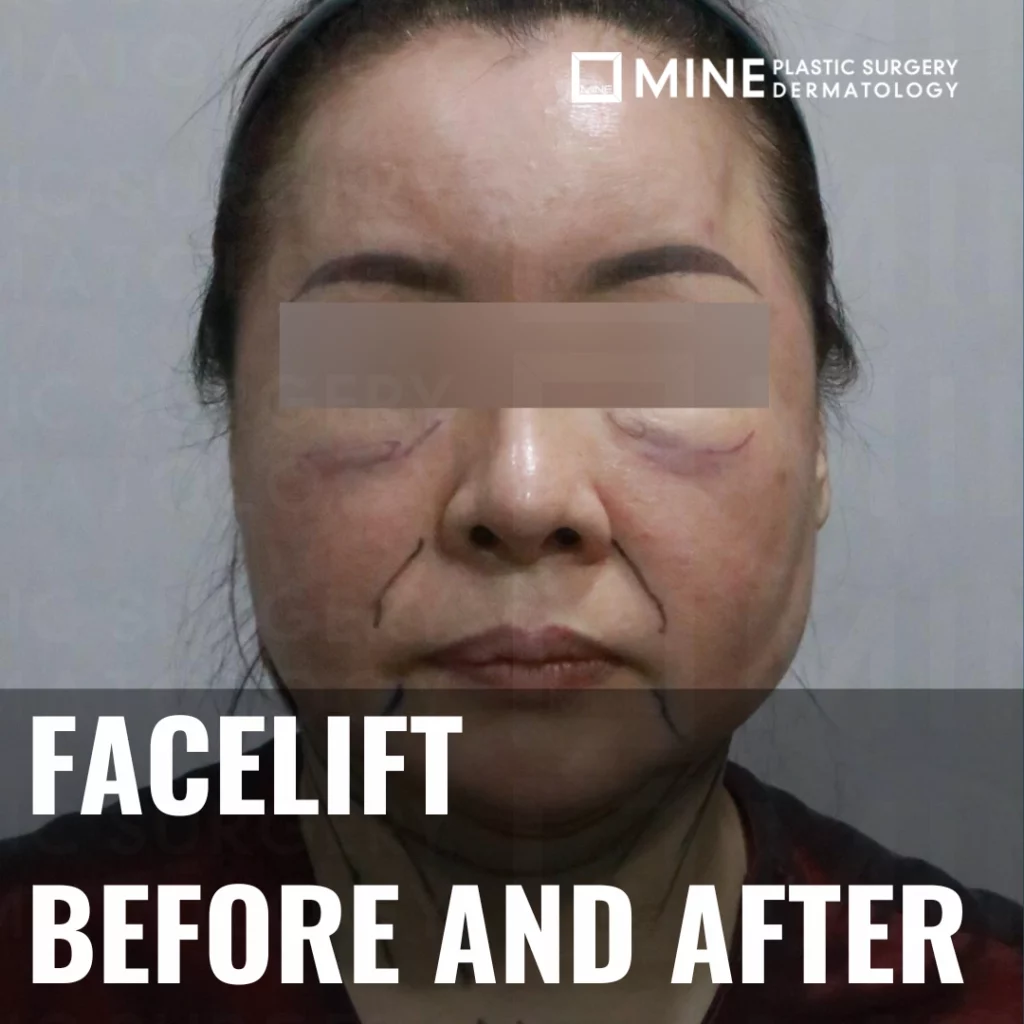
As aging progresses, the facial and neck regions experience interconnected changes that require a unified approach for optimal rejuvenation. Combined facelift and neck lift procedures create synergistic effects that go far beyond the sum of individual treatments, delivering naturally harmonious results that address the anatomically connected structures of the face and neck as one cohesive unit.
The reason why combined procedures produce superior outcomes lies in the fact that facial and neck aging are intrinsically linked through the SMAS layer (Superficial Musculoaponeurotic System) and platysma muscle, which form continuous anatomical structures requiring integrated treatment for comprehensive rejuvenation.
Understanding Interconnected Facial and Neck Aging

Facial and neck aging don’t occur in isolation, which is a key reason a facelift and neck lift are so often planned as one operation. The anatomical connections between these regions mean that changes in one area directly impact the other, creating a cascade of aging effects that require comprehensive treatment.
The Integrated Aging Process
The aging process affects multiple interconnected layers:
- Gravitational Impact: As facial fat pads descend, they increase the burden on neck structures, accelerating neck aging
- Collagen Degradation: Simultaneous collagen breakdown occurs throughout both facial and neck tissues
- Muscle Relaxation: Both facial expression muscles and the platysma muscle lose elasticity concurrently
- Skin Elasticity Loss: Connected skin structures experience comprehensive sagging
The anatomical reason is straightforward: the SMAS (the support layer of the face) and the platysma (the broad sheet-like muscle of the neck) are not two separate things but one continuous layer that runs from the cheek down into the neck. Because facelift and neck lift procedures work within these overlapping tissue planes, treating them as a single connected unit is more logical than addressing each in isolation — surgical literature describes facial aging as being driven mainly by the loosening of this SMAS layer and its supporting (retaining) ligaments.
The anatomical continuity between facial and neck structures means that treating only one area often leads to an unnatural transition and incomplete rejuvenation.
Individual Effects of Facelift vs Neck Lift Surgery
Facelift Surgery: Mid to Lower Facial Rejuvenation
A comprehensive facelift targets the mid to lower facial regions through advanced SMAS layer manipulation:
- Nasolabial Fold Reduction: Significant improvement in deepened smile lines
- Jowl Correction: Repositioning of descended cheek fat pads
- Jawline Definition: Restoration of crisp, youthful jaw contours
- Volume Restoration: Recovery of natural cheek height and fullness
Surgeons choose from several approaches — such as the deep plane, extended SMAS, and high SMAS techniques — depending on each patient’s anatomy and goals. If you want to see how these methods differ, our facelift techniques comparison breaks them down in plain language.
Neck Lift Surgery: Comprehensive Neck Rejuvenation
Neck lift procedures address multiple aging concerns simultaneously:
- Platysma Band Elimination: Correction of vertical muscle banding
- Double Chin Improvement: Removal of accumulated submental fat
- Skin Tightening: Effective firming of loose neck skin
- Cervicomental Angle Enhancement: Restoration of defined neck-to-chin transition
One point worth understanding is the cervicomental angle — the angle where the underside of the chin meets the front of the neck. Turning a soft, obtuse angle into a crisp, well-defined neckline actually requires more skin, not less (think of it like the longer diagonal side of a triangle). This is one more reason a neck lift surgery is often planned together with a facelift, so the surgeon can redistribute skin across the whole face-and-neck unit rather than leaving a mismatch.

Synergistic Benefits of a Combined Facelift and Neck Lift
1. Natural Seamless Transitions
Research from the American Society of Plastic Surgeons indicates that combining facelift and neck lift procedures produces the most comprehensive and natural-looking results, as treating only one area can highlight the incompleteness of untreated regions.
Key advantages include:
- Smooth Contour Lines: Natural progression from face to neck without visible demarcation
- Balanced Proportions: Harmonious facial-to-neck ratios that appear naturally youthful
- Reset Aging Baseline: Comprehensive rejuvenation establishing new youthful reference points
2. Enhanced Anatomical Synergy
Dual-layer dissection benefits:
- Simultaneous access to subcutaneous and SMAS layers for integrated lifting
- Comprehensive muscle structure repositioning
- Connected tissue support for enhanced longevity
3. Superior Lifting Effectiveness
When a facelift and neck lift are combined into one operation, patients experience:
- Mutual Support Effects: Each area reinforces the other for stronger overall lifting
- Long-term Stability: Connected structure treatment prevents compensatory aging
- Recurrence Prevention: Elimination of cross-area aging acceleration
How Does Combined Surgery Work and What Recovery Looks Like?
Integrated Surgical Approach
Strategic incision design:
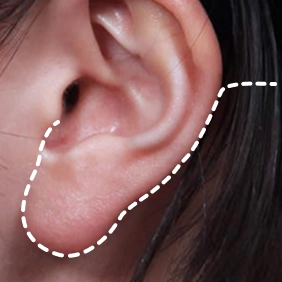
- Continuous incision from pre-auricular to post-auricular areas
- Small submental incision for platysma muscle access
- Minimal scarring strategy for maximum effectiveness
Surgery duration: Because a single anesthesia session and one surgical exposure cover both areas, the combined facelift and neck lift approach generally shortens the total operating and anesthesia time compared with scheduling the two procedures on separate days. The exact duration varies with each patient’s anatomy and the specific techniques used.
Recovery Advantages of Combined Treatment
Single recovery period benefits:
- Unified healing process: One recovery achieves dual procedure benefits
- Total recovery time: 2-3 weeks (compared to 4-6 weeks for separate surgeries)
- Faster social return: A single recovery cycle can shorten the overall time away from daily activities compared with recovering from two separate surgeries, though this differs from person to person
Synergistic recovery effects:
- Integrated swelling management: Connected tissue healing for optimal results
- Uniform healing process: Simultaneous recovery promotes natural-looking outcomes
- Enhanced patient satisfaction: Complete transformation in single treatment cycle
What Long-Term Results Can You Expect from Combined Procedures?
Surgical literature has documented that facelift techniques which reposition the platysma and SMAS together (platysma-SMAS plication) can maintain natural-looking results over the long term, with some case series followed for ten years or more. Treating the connected face-and-neck structures as one system helps keep the improvement stable, though the durability of any result ultimately depends on the individual, the technique used, and the natural pace of aging.
Duration comparison:
- How long results last: The duration of results varies with each person, the surgical technique, and the individual’s rate of aging — there is no single fixed number
- Why the combined approach can hold up better: By addressing the connected face and neck structures together, it reduces the mismatch at the transition zone that tends to appear when only one area is treated — a benefit reported in the surgical literature
- Patient satisfaction: Comprehensive, harmonious rejuvenation is a key reason many patients report high satisfaction with a combined approach, though individual outcomes differ
The enhanced durability results from treating the anatomically connected structures as a unified system, preventing the accelerated aging that occurs when only partial rejuvenation is performed.
Cost-Effectiveness and Economic Advantages
Financial Benefits Analysis
Primary cost savings:
- Anesthesia consolidation: Single anesthesia session for both procedures
- Operating room efficiency: Shared facility usage reduces total costs
- Recovery streamlining: Unified healing period reduces indirect expenses
- Professional fee optimization: Coordinated surgical planning improves efficiency
Overall cost effectiveness: Because a combined facelift and neck lift shares a single anesthesia session, one operating room booking, and a single recovery cycle, the total cost tends to be lower than paying for two separate surgeries — although the exact difference varies from case to case.
Time and Convenience Benefits
- Reduced surgical time: Combining the procedures into one session generally reduces the total operating time compared with two separate surgeries, with the exact saving depending on the individual case
- Minimal time off work: Recovery time is cut roughly in half
- Streamlined care: Integrated follow-up and monitoring
Longevity Comparison: Individual vs Combined Procedures
Limitations of Partial Treatment
Face-only treatment drawbacks:
- Rejuvenated face contrasting with aged neck creates unnatural appearance
- Untreated neck area ages more rapidly over time
- Overall harmony disruption reduces satisfaction
Neck-only treatment limitations:
- Improved neckline contrasts with sagging facial features
- Persistent jowls and cheek descent limit comprehensive improvement
- Partial results create incomplete transformation
Combined Procedure Superiority

Comprehensive aging prevention:
- Connected structure strengthening provides mutual support
- Balanced lifting creates natural aging progression
- Total facial harmony ensures sustained satisfaction
What Should You Consider Before Combined Surgery?
Ideal Candidate Profile
Age range: Primarily 40-65 years Optimal conditions:
- Moderate to significant sagging in both face and neck regions
- Desire for comprehensive facial contour improvement
- Preference for single surgery with maximum results
Medical Considerations
Health assessment requirements:
- General anesthesia candidacy evaluation
- Existing medical conditions and medication review
- Smoking cessation (mandatory 4 weeks before and after surgery)
Realistic expectation setting:
- Natural rejuvenation goals rather than dramatic transformation
- Focus on improvement over perfection
- Comprehensive understanding of recovery process
What Are the Key Safety Considerations for Combined Procedures?
Enhanced safety profile:
Performing a neck lift at the same time as a facelift allows the surgeon to access the retaining ligaments through small, well-placed incisions while working around the face’s most delicate structures. The two facial-nerve branches most at risk during this kind of surgery are the temporal branch (which controls the forehead and eyebrow) and the marginal mandibular branch (which controls the lower lip). Handling the face and neck in one continuous plan lets the surgeon keep a clear map of where these nerves run and protect them, rather than re-entering an already-operated area later. A single anesthesia exposure also reduces anesthesia-related complications.
Recovery timeline:
- Week 1: Basic office work possible
- Week 2: Most daily activities resumed
- Week 4: All activity restrictions lifted
- Month 3: Final results visible
Frequently Asked Questions
Can Combined Procedures Be Performed with Other Treatments?
Compatible additional procedures:
- Eyelid surgery: Upper and lower blepharoplasty can be included
- Fat grafting: Natural volume restoration through autologous fat transfer
- Brow lifting: Complete upper facial rejuvenation integration
However, additional procedures increase surgery time and recovery duration, requiring careful consultation and planning.
Is Age a Limiting Factor for Combined Surgery?
Patients over 60 can safely undergo combined procedures provided they maintain good overall health. In fact, a single combined facelift and neck lift often creates less overall burden than multiple separate procedures over time. Individual health assessment remains the primary determining factor.
How Do Results Compare to Non-Surgical Alternatives?
While non-surgical treatments like thread lifting or radiofrequency can provide temporary improvement, surgical procedures remain the gold standard for:
- Permanent structural changes: Long-lasting tissue repositioning
- Comprehensive correction: Address multiple aging factors simultaneously
- Longer-lasting results: Because surgery physically repositions the underlying tissue, its results generally last considerably longer than those of non-surgical treatments, which typically need periodic maintenance — though the exact duration depends on the individual
Combined facelift and neck lift procedures represent the pinnacle of facial rejuvenation surgery, offering integrated solutions that address the interconnected nature of facial aging. Through comprehensive treatment of anatomically connected structures, patients achieve naturally harmonious results with enhanced longevity, improved cost-effectiveness, and streamlined recovery.
The success of combined procedures depends on selecting an experienced plastic surgeon with expertise in both facial and neck rejuvenation techniques. At mineclinic, our integrated approach to facelift and neck lift surgery ensures natural, satisfying results through comprehensive facial harmony restoration.
For patients considering facial rejuvenation, the synergistic benefits of combined procedures provide an optimal path to achieving comprehensive, long-lasting, and naturally beautiful results that enhance both appearance and confidence.
※ This content is for informational purposes only and does not replace professional medical advice, diagnosis, or treatment. Individual results may vary, and side effects may occur. Please consult with a board-certified plastic surgeon for personalized advice.
※ This content is for informational purposes only and does not replace professional medical advice, diagnosis, or treatment. Individual results may vary, and side effects may occur. Please consult with a board-certified plastic surgeon for personalized advice.