EN
EN

Table of Contents
Facelift lifting techniques are the surgical methods surgeons use to reposition the deeper support layers of the face — not just the skin — to reverse sagging and restore youthful contours. Facelift surgery has evolved significantly over the years, offering patients a variety of these techniques to achieve their desired results. In this comprehensive guide, we’ll compare different facelift lifting techniques and help you understand which method might be best suited for your needs. As we explore the details of each approach, you’ll gain a clearer understanding of how facial rejuvenation works.
Because the various facelift lifting techniques differ mainly in how deeply they work beneath the surface, understanding that “depth” is the key to reading any comparison. Some methods gently tighten the layer just under the skin, while others reposition the deep support structures of the face. Knowing where each approach sits on that spectrum makes it far easier to have a productive conversation with your surgeon.
What is Facelift Surgery?
Facelift surgery, also known as rhytidectomy, is a surgical procedure designed to counteract the effects of facial aging. This comprehensive surgical technique aims to correct soft tissue ptosis by removing excess facial skin, tightening underlying muscles, and sometimes incorporating adjunctive procedures like cervicoplasty or skin resurfacing. The primary goal of facelift surgery is to restore a more youthful and refreshed appearance, enhancing the overall shape and contours of the face.
By addressing sagging skin and deep wrinkles, this procedure can significantly improve the visible signs of aging, providing a rejuvenated look that aligns with the patient’s aesthetic goals. Understanding facelift lifting techniques begins with understanding what actually causes the face to age. Beyond volume loss, the ligaments that anchor facial tissue to the underlying bone gradually weaken, allowing the deeper support structures to descend. The different facelift lifting techniques are essentially different answers to one question: how deeply should the surgeon work to reverse that descent?
Benefits of a Facelift
A facelift offers numerous benefits that extend beyond mere aesthetic improvements. Firstly, it can dramatically enhance facial appearance by reducing sagging skin, smoothing deep folds, and restoring youthful contours. This transformation often leads to a significant boost in self-confidence and self-esteem, as patients feel more comfortable and satisfied with their appearance.
Additionally, the results of a facelift are long-lasting, especially when performed by an experienced plastic surgeon, providing enduring rejuvenation that can last for many years. The exact benefits you can expect vary somewhat depending on which of the facelift lifting techniques is chosen — deeper methods tend to hold their shape longer, while lighter methods offer quicker recovery. Another advantage is the procedure’s customizability; a facelift can be tailored to address specific concerns and individual needs, making it a highly personalized approach to facial rejuvenation.
Superficial Musculoaponeurotic System (SMAS) Lift Techniques
Among the various facelift lifting techniques, the SMAS lift is the foundational approach that most others build upon. The Superficial Musculoaponeurotic System (SMAS) lift is one of the most commonly used facelift techniques. It focuses on tightening the underlying muscle layer to create a more youthful appearance. The SMAS is a layer of tissue that lies beneath the skin and above the deeper structures of the face, playing a crucial role in facial expressions and contours.
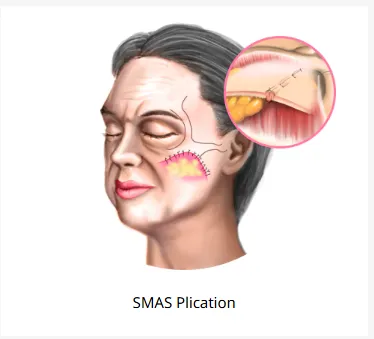
Plication Technique This method involves folding the SMAS and using sutures to suspend it without making any incisions in the SMAS layer itself. It’s a less invasive option that can provide good results for patients with mild to moderate skin laxity. The plication technique is often preferred for its shorter recovery time and reduced risk of complications, and it sits at the gentler end of the SMAS-based spectrum.
Imbrication Technique In this approach, surgeons make an incision in the SMAS, removing or repositioning a portion of it. This technique may involve limited sub-SMAS dissection and can be effective for addressing aging changes in the lower face and neck. As one of the more involved SMAS methods, the imbrication technique allows for more significant repositioning of facial tissues, potentially leading to more dramatic results. Understanding the anatomical pathways of the facial nerve is crucial to minimize the risk of complications during the procedure.
Extended Facelift Techniques
Extended facelift lifting techniques aim to provide more comprehensive rejuvenation by addressing the midface area in addition to the lower face and neck. These approaches have gained popularity due to their ability to create a more harmonious and balanced facial appearance. In recent years, Korean face lift techniques have also emerged as a significant trend, incorporating advanced methods that focus on meticulous contouring and natural results. These techniques often emphasize skin tightening and volume restoration, further enhancing the overall aesthetic outcome. By combining traditional approaches with innovative practices, surgeons can offer patients a tailored experience that addresses their unique facial characteristics.
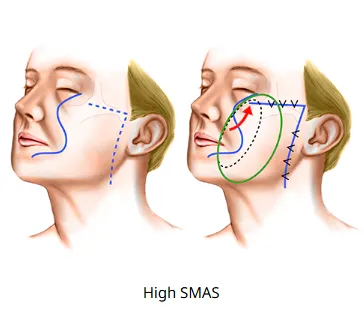
Extended SMAS Technique This method involves creating a long skin flap and a separate SMAS flap, which are dissected and pulled independently. It allows for more significant improvements in the midface region. The extended SMAS technique can be particularly effective for patients with significant jowling and neck laxity. Surgical texts note that as the flap is secured, the movable part of the SMAS is drawn up and anchored to the firmer, fixed portion near the cheekbone — in effect, tying the loose supporting layer to a stable anchor point. This is what gives such facelift lifting techniques their durability, holding both the deeper fascia and the overlying skin in a more youthful position over time.
High SMAS Technique Similar to the extended SMAS technique, the high SMAS approach involves a higher SMAS flap along the superior border of the zygomatic arch. This can provide enhanced lifting of the cheek area. Among the methods aimed at the midface, the high SMAS approach is often favored for its ability to address midface descent and create a more youthful cheek contour. It is crucial to select a surgeon with extensive experience in facial cosmetic surgery to ensure optimal results.
Deep Plane Facelift
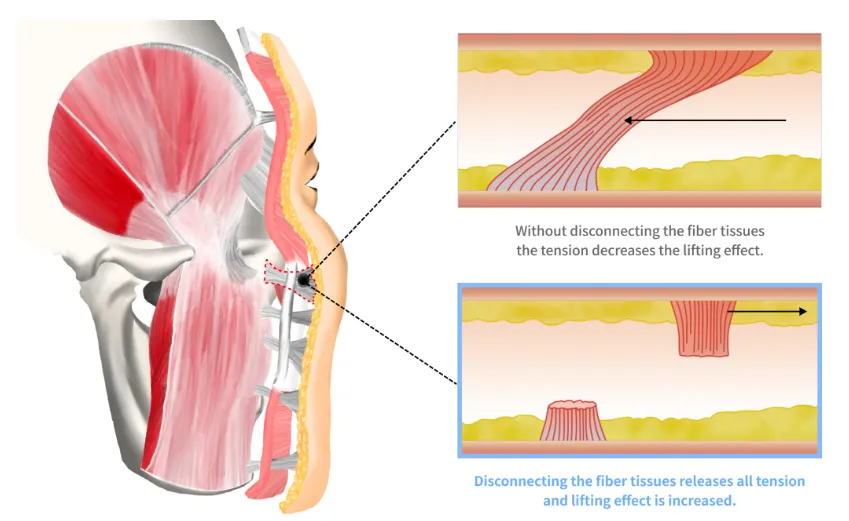
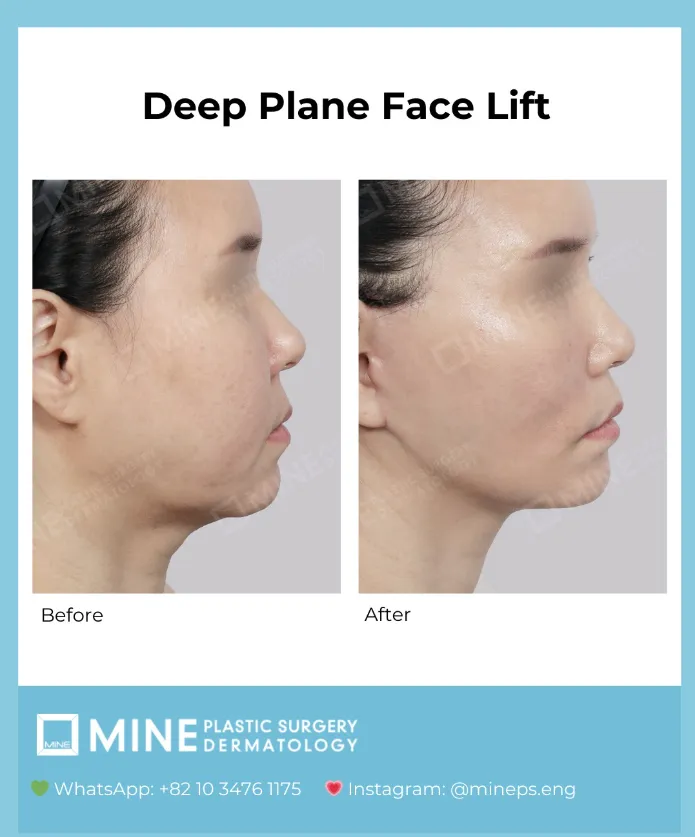
Of all the facelift lifting techniques, the deep plane facelift is considered one of the most advanced. Deep plane facelifts involve repositioning deeper facial tissues and muscles, releasing the retaining ligaments (small, fibrous “tethers” that anchor the skin and soft tissues to the underlying bone). Think of these ligaments as the buttons that hold a mattress cover in place: unless they are released, pulling on the surface only creates tension rather than genuine repositioning. How thoroughly a surgeon releases these tethers largely determines how natural the result looks and how long the lift lasts. You can read more in our dedicated guide to the deep plane facelift in Korea. This technique allows for:
More natural-looking results
Improved midface rejuvenation
Long-lasting effects
Reduced tension on the skin, potentially leading to less visible scarring
The deep plane facelift is particularly effective for addressing nasolabial folds and marionette lines, which are often challenging to treat with other techniques. This is a key reason it stands apart from more superficial facelift lifting techniques that mainly tension the skin.
Choosing Among Facelift Lifting Techniques
One useful way to understand the differences among facelift lifting techniques is how deeply they work. Methods that lift only the shallow layer just under the skin (a “no-release” approach) tend to relax sooner, while methods that release the deeper retaining ligaments (an “extensive-release” approach such as the deep plane) reposition the support structures more completely and tend to hold their shape longer and look more natural. Neither is universally superior — the right depth depends on your anatomy and goals.
When comparing facelift lifting techniques, your surgeon weighs several practical factors before recommending one. Selecting the best facelift technique depends on various considerations, including:
Your age and skin quality
The extent of facial aging
Your desired outcomes
Your surgeon’s expertise and recommendation
Your medical history and overall health
It’s crucial to consult with a board-certified plastic surgeon who can assess your individual needs and recommend the most appropriate technique. During your consultation, be prepared to discuss your goals, expectations, and any concerns you may have about the procedure. A good surgeon will explain why a particular one of the facelift lifting techniques suits your face rather than applying the same method to every patient.
What to Expect During Facelift Surgery
Regardless of which of the facelift lifting techniques is used, the surgical day tends to follow a similar pattern. During facelift surgery, patients are usually placed under general anesthesia or IV sedation to ensure comfort throughout the procedure. The surgeon will make incisions in strategic locations, such as along the hairline, temples, or behind the ears, depending on the specific type of facelift being performed.
These incisions allow the surgeon to access and reposition underlying facial tissues, remove or redistribute fat, and tighten facial muscles. The skin is then redraped over the newly contoured face, and any excess skin is trimmed away. The incisions are meticulously closed with sutures, staples, or adhesive strips, and in some cases, small drainage tubes may be inserted to remove excess fluid and promote healing. The entire process is designed to enhance facial contours and provide a more youthful appearance.
Considerations for Optimal Results
No matter which of the facelift lifting techniques you and your surgeon choose, several factors contribute to achieving the best possible outcomes:
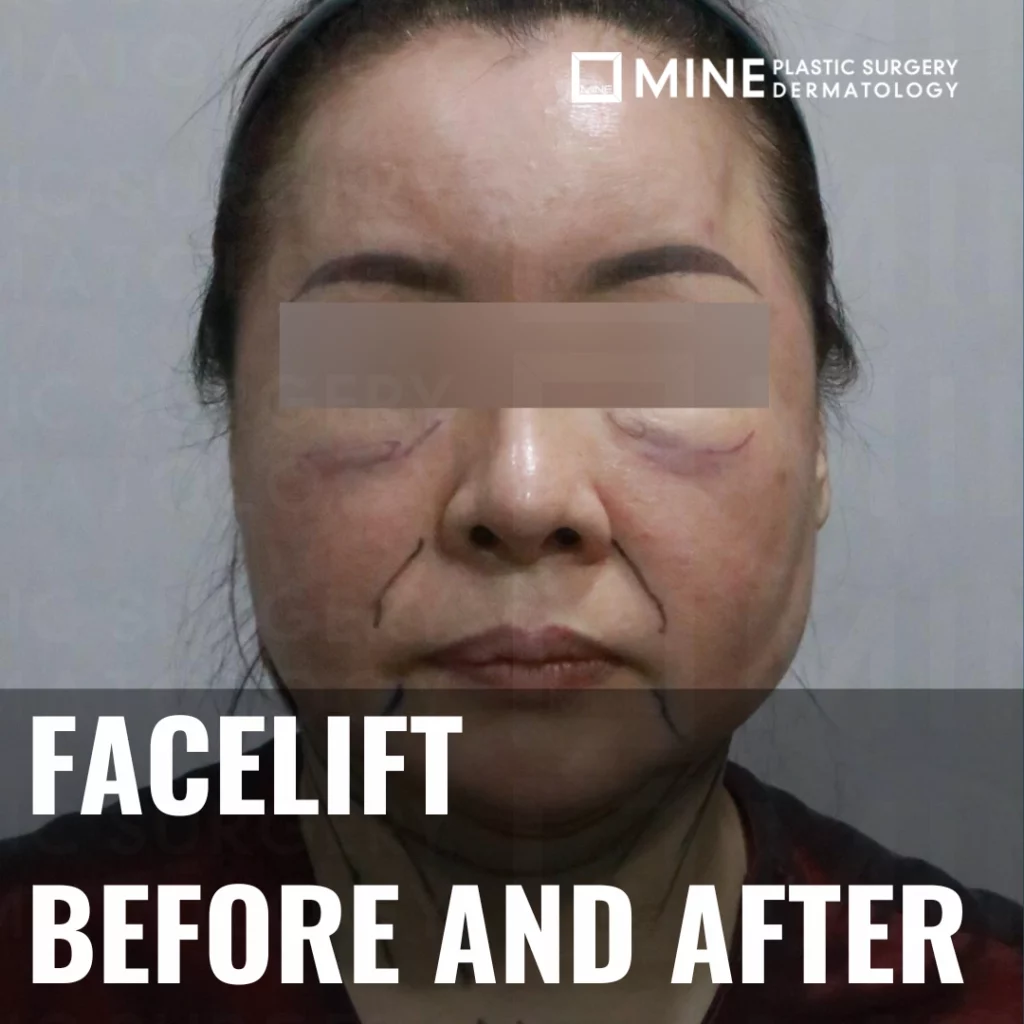
Surgeon’s Skill: Choose an experienced surgeon who specializes in facial plastic surgery. Look for before-and-after photos of their previous work and ask about their specific experience with different facelift techniques. Experienced plastic surgeons play a crucial role in achieving the best possible outcomes, especially for patients aged 50 to 70 who seek to address concerns about their appearance and the effects of aging.
Customized Approach: The technique should be tailored to your unique facial anatomy and aging patterns. A one-size-fits-all approach rarely yields the best results in facial rejuvenation, which is precisely why the chosen technique is matched to the individual rather than the other way around.
Combination Treatments: Sometimes, combining facelift surgery with other procedures like eyelid surgery or brow lift can provide more comprehensive rejuvenation. Discuss these options with your surgeon to create a holistic treatment plan.
Realistic Expectations: Understand the limitations of each technique and have realistic goals for your results. While a facelift can significantly improve your appearance, it cannot stop the aging process entirely.
Proper Aftercare: Following your surgeon’s post-operative instructions is crucial for optimal healing and results. This may include specific skincare routines, avoiding certain activities, and attending follow-up appointments.
Post-Operative Care and Recovery
Recovery timelines are broadly comparable across the main facelift lifting techniques, though deeper methods may involve slightly more initial swelling. Following facelift surgery, patients can expect some swelling, bruising, and discomfort, which are normal parts of the healing process. To minimize these effects and ensure optimal recovery, it is crucial to follow the surgeon’s post-operative care instructions.
Aftercare may include specific wound care routines, medication management, and wearing a bandage to reduce swelling and bruising. Small drainage tubes might be used to remove excess fluid. Patients should avoid strenuous activities, such as heavy lifting or bending, for several weeks to allow proper healing. Regular follow-up appointments will be scheduled to monitor progress and remove any sutures or staples. With diligent care and adherence to recovery guidelines, most patients can return to their normal activities within 2-4 weeks, enjoying the rejuvenated results of their facelift surgery.
Emerging Trends in Facelift Surgery
Modern facelift lifting techniques continue to evolve, and as facial plastic surgery advances, new technologies are emerging to enhance results and improve patient experiences:
Endoscopic Facelifts This minimally invasive technique uses small incisions and a camera-guided approach to lift and reposition facial tissues. While it may not be suitable for all patients, endoscopic facelifts can offer reduced scarring and faster recovery times for some individuals.
Fat Grafting Many surgeons now incorporate fat grafting into facelift procedures to restore volume loss in the face. This technique can enhance the overall rejuvenation effect and create more natural-looking results, and it is increasingly combined with surgical methods to address both sagging and lost volume at once. Recent studies in the Archives of Facial Plastic Surgery report advances in surgical techniques and underscore the role of fat grafting in achieving optimal outcomes.
Non-Surgical Adjuncts Complementary non-surgical treatments like dermal fillers or laser therapies can be used in conjunction with facelift surgery to address fine lines, skin texture, and other concerns that surgery alone may not fully resolve.
FAQ
Q1. Which facelift technique produces the most natural-looking results? A. The Deep Plane Facelift is widely regarded as the technique that delivers the most natural outcomes. By releasing the retaining ligaments and repositioning deeper facial tissues rather than simply pulling the skin, it reduces surface tension and minimizes visible scarring. It is also particularly effective at addressing nasolabial folds and marionette lines that other techniques struggle to treat.
Q2. How long does recovery take after facelift surgery? A. Most patients can return to their normal daily activities within 2–4 weeks, provided they follow their surgeon’s post-operative instructions carefully. Swelling, bruising, and mild discomfort are a normal part of the healing process. Strenuous activities such as heavy lifting should be avoided for several weeks, and regular follow-up appointments are essential to monitor progress and ensure optimal healing.
Q3. How do I know which facelift technique is right for me? A. There is no single technique that works best for everyone. The right approach depends on several individual factors, including your age, skin quality, the degree of facial aging, and your aesthetic goals. A consultation with a board-certified plastic surgeon is the most important step — they will assess your unique facial anatomy and recommend the technique best suited to your needs and expectations.
Q4. What is the difference between SMAS and deep plane facelift lifting techniques? A. The main difference is depth. SMAS facelift lifting techniques tighten and reposition the muscle-fascia layer beneath the skin, which works well for mild to moderate sagging. The deep plane method goes further, releasing the retaining ligaments so the skin and deeper tissues move together as one unit. This deeper release generally produces longer-lasting, more natural results but requires greater surgical expertise.
Q5. Are less invasive facelift lifting techniques as durable as deeper ones? A. Generally, no. Lighter methods that mainly tension the shallow layer under the skin offer faster recovery but tend to relax sooner, while techniques that release the deeper support structures hold their shape longer. That said, “durable” does not automatically mean “right for you” — a lighter approach can be the better choice for younger patients or those with limited sagging. Your surgeon will help you balance longevity against recovery time and the degree of correction you need.
Conclusion
While there isn’t a one-size-fits-all “best” facelift technique, advancements in surgical methods have provided a range of options to suit different patient needs. The extended facelift techniques and deep plane facelift offer significant improvements in addressing midface aging and achieving more natural-looking results. However, traditional SMAS techniques can still be effective for many patients, especially those with less severe aging changes.
Ultimately, the best choice among these facelift lifting techniques will depend on your individual circumstances and goals. Consult with a qualified plastic surgeon to discuss your options and determine the most suitable approach for your facial rejuvenation journey. Remember that the key to a successful facelift lies not only in the technique chosen but also in the skill of your surgeon and your commitment to proper aftercare.
By staying informed about the various facelift lifting techniques available and working closely with a board-certified plastic surgeon, you can make an educated decision about your facial rejuvenation journey and achieve the youthful, natural-looking results you desire.
※ This content is for informational purposes only and does not replace professional medical advice, diagnosis, or treatment. Individual results may vary, and side effects may occur. Please consult with a board-certified plastic surgeon for personalized advice.