EN
EN

Table of contents
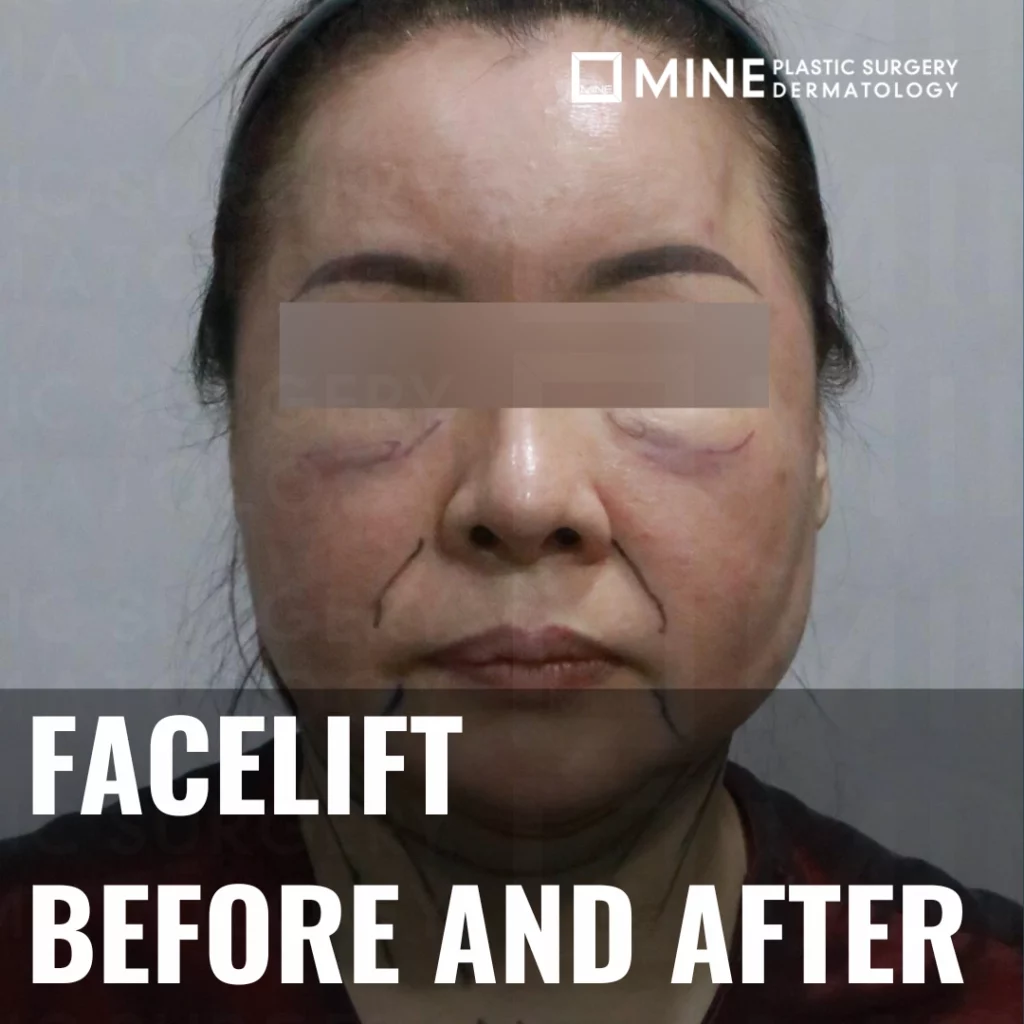
The facelift recovery period is the span of healing that follows facelift surgery, during which swelling, bruising, and tightness gradually subside and your final, rejuvenated appearance slowly emerges. Understanding what happens during the facelift recovery period, and when, helps you plan your time off, manage discomfort, and protect your results. This complete week-by-week guide walks you through each stage of the facelift recovery period, explains why your body reacts the way it does, and offers practical tips drawn from established surgical practice to help you heal smoothly and confidently.
Every person heals at their own pace, so think of this timeline as a realistic map rather than a strict schedule. Your age, skin quality, overall health, and the exact technique your surgeon uses all influence how your own recovery unfolds. For a fuller picture of the procedure itself, see our comprehensive guide to facelift surgery.
Understanding the Recovery Timeline
The facelift recovery period typically spans several weeks, with most patients returning to everyday, non-strenuous activities within two to three weeks. Complete healing, however, unfolds over several months as deeper tissues settle and scars mature. Knowing the broad arc of the facelift recovery period in advance makes each stage feel predictable instead of alarming.
To understand why the timeline looks the way it does, it helps to know what happens beneath the skin. A facelift lifts and repositions the skin and the deeper support layer of the face, often called the SMAS (the sheet of muscle and connective tissue that holds facial structures in place). Because the surgeon gently separates the skin from these deeper layers, the body responds with temporary swelling (edema) and bruising (ecchymosis) as it heals and reconnects the tissues. This natural response shapes the entire healing timeline.
Surgical literature emphasizes that careful, meticulous control of bleeding during surgery, paired with precise repositioning of the skin, supports both smoother facelift recovery and less noticeable scarring. In other words, much of how comfortably you heal is set in motion in the operating room, and the rest depends on how well you care for yourself afterward.
The technique used also shapes your facelift recovery period. Skin-focused lifts tend to involve a shorter operation and a quicker bounce-back, while deeper SMAS-based lifts may ask a little more from the early recovery in exchange for longer-lasting, more durable results. Your surgeon chooses the approach that best fits your anatomy and goals, and that choice helps explain why no two recovery timelines look exactly alike.

Week 1: Immediate Post-Surgery Care
The first week is the most intensive stretch of the facelift recovery period. Swelling and bruising usually peak around days two and three, then begin to ease. You may feel tightness, mild discomfort, and numbness across your cheeks and neck. All of this is expected as your tissues begin to knit back together.
The first 48 hours deserve special attention. This window carries the highest risk of bleeding beneath the skin, so keeping your blood pressure calm and steady matters. Avoid bending over, heavy lifting, and anything that makes your face flush or throb. Rest quietly, keep your head raised, and let your body settle.
- Rest and Elevation: Keep your head elevated, even while sleeping, to limit swelling during this early stage.
- Cold Compresses: In the first 48 hours, gentle cold packs help reduce bruising and swelling. Never press hard on the surgical areas.
- Medication Management: Take prescribed pain medication and any antibiotics exactly as directed by your surgeon.
- Wound Care: Follow your surgeon’s instructions for cleaning incision sites and changing dressings, and keep the area dry as advised.
Many patients keep a drain in place for a day or two to remove excess fluid. Do not be alarmed by this; it is a routine part of early facelift recovery and helps your tissues settle evenly.
Why is the first 48 hours so important? When the skin is lifted away from the deeper layers, tiny blood vessels are temporarily disturbed. If blood pressure rises sharply, those vessels are more likely to leak and form a hematoma (a pocket of blood under the skin). For this reason, surgical guidance stresses calm, steady blood pressure in the first two days. Practically, that means avoiding strenuous effort, staying away from alcohol and certain pain relievers like aspirin unless your surgeon approves them, and managing stress so your body can rest. These simple steps protect the most fragile window of the whole recovery.
Weeks 2-3: Gradual Return to Activities
By the second and third weeks, the most dramatic changes are behind you. The bulk of visible swelling and bruising tends to settle within roughly two weeks, though some residual puffiness can linger longer. Stitches are commonly removed around 7 to 10 days after surgery, which often brings a welcome sense of progress.
- Light Activities: Begin gentle walks and light household tasks. Movement supports circulation without straining healing tissues.
- Suture Removal: Most sutures are removed about 7 to 10 days after surgery, an important milestone in your recovery.
- Swelling Management: Continue elevating your head, and switch to warm compresses only if your surgeon advises it.
Many people feel comfortable returning to non-strenuous, desk-based work around the two- to three-week mark, often using light makeup to cover any remaining bruising. Listen to your body and resist the urge to rush. For day-by-day behavioral guidance, our companion article on the dos and don’ts during facelift recovery is a helpful pairing with this timeline.
Weeks 4-6: Increased Normalcy
Weeks four through six mark a turning point in the facelift recovery period. Most residual swelling continues to fade, your face starts to look and feel more natural, and your energy returns. This is when many patients first glimpse the contour their surgery was designed to create.
It is also normal to ride an emotional wave during these weeks. Early in the facelift recovery period, swelling and bruising can make some people feel discouraged, and then relief and excitement arrive as the face settles. Knowing this ahead of time helps you stay patient and kind to yourself. If you have an important event on the calendar, plan it well beyond this stage so you are not rushing the natural pace of healing.
- Work Return: Most patients are comfortable with non-strenuous work and a normal daily routine by this point.
- Exercise: Gradually reintroduce light exercise, avoiding high-impact or straining activities until your surgeon clears them.
- Makeup Use: You may be cleared to use makeup to conceal any lingering bruising during this phase.
Even as you feel more like yourself, remember that healing continues quietly beneath the surface. Numbness or a tight, slightly firm feeling can persist for weeks and is a normal part of healing.
That firmness has a reassuring explanation. As the repositioned support layer of the face heals, the tissues briefly feel tighter and denser than usual before softening again. Most people notice this firmness gradually relax over the following weeks. It is simply your face settling into its new, lifted position, and it is one of the most common questions patients ask at follow-up visits.
Essential Recovery Tips
Beyond the timeline, a handful of everyday habits can make the facelift recovery period smoother and more comfortable. These small choices add up to better healing and a more pleasant experience overall.
1. Follow Post-Operative Instructions Meticulously
Following your surgeon’s post-operative instructions is one of the most important things you can do while you heal. These guidelines are tailored to your specific procedure and health needs, and they exist to protect both your safety and your final result.
2. Prioritize Proper Nutrition
A balanced diet rich in protein, vitamins, and minerals supports tissue repair throughout facelift recovery. Foods high in vitamin C and zinc are especially helpful for healing and for calming inflammation, so build your meals around lean proteins, vegetables, and fruit.
3. Stay Hydrated
Good hydration supports healing and can help your body manage swelling as you recover. Aim for roughly eight glasses of water a day unless your surgeon advises otherwise, and limit salt, which can make puffiness worse.
4. Avoid Sun Exposure
Protect your incisions and facial skin from direct sunlight for at least three months. Sun exposure can darken healing scars and slow your progress. When you are outdoors, use a broad-spectrum sunscreen with SPF 30 or higher and wear a wide-brimmed hat.
5. Manage Swelling and Bruising
Swelling and bruising are the most visible features of the early facelift recovery period. Beyond cold compresses in the first 48 hours, your surgeon may suggest gentle lymphatic massage later on to help fluid drain and improve circulation. Keeping your head elevated and avoiding salty foods also helps puffiness fade faster.
6. Be Patient with Results
Patience is essential. Final results take several months to fully emerge as swelling resolves and tissues settle. Try not to judge your outcome too early; the face you see at two weeks is not the face you will see at six months.
Potential Complications and How to Address Them
Serious problems are uncommon when you follow proper post-operative care, but being informed helps you act quickly if something feels off. Awareness is part of a safe facelift recovery period.
- Hematoma: A collection of blood under the skin is the most common early complication, and it most often appears within the first 48 hours. Sudden, often one-sided swelling, tightness, or worsening bruising can signal a hematoma. Contact your surgeon immediately, as prompt attention usually resolves it well.
- Infection: Watch for increasing redness, warmth, fever, or unusual discharge from incision sites, and report these promptly.
- Nerve-Related Numbness or Weakness: Because nerves are gently stretched during surgery, temporary numbness or mild weakness is common and usually fades on its own. Persistent or worsening changes should be reported to your surgeon.
Keeping your blood pressure steady, especially in the first two days, lowers the risk of bleeding. For a fuller overview of risks and how to reduce them, see our guide on the side effects and precautions of facelift surgery. The American Society of Plastic Surgeons also offers helpful, plain-language information on facelift safety and recovery.
The Role of Scar Management
Thoughtful scar care is part of getting the best aesthetic outcome from your facelift. Facelift incisions are usually placed in discreet spots, such as along the hairline and the natural creases around the ears, so well-healed scars tend to be hard to notice.
Scars also need time. They typically continue to soften and fade for up to a year as they mature, which is why any scar revision, if ever needed, is usually considered only after about a year of healing. Rushing to judge a scar too soon can be misleading, because a line that looks pink and firm at three months often turns pale and flat by the one-year mark. Patience here is genuinely part of the treatment.
Your surgeon may recommend:
- Silicone-based scar gels or sheets once incisions have closed
- Gentle massage of healed incision sites, when advised
- Consistent sun protection over scars to prevent darkening
For detailed strategies, our article on scar management techniques after a facelift walks through each option in depth.
Lifestyle Adjustments for Optimal Recovery
Small adjustments to your daily routine can ease discomfort and protect your incisions throughout the facelift recovery period.
Sleep Position
Sleep on your back with your head elevated for at least the first two weeks. This position reduces swelling and keeps pressure off your healing incisions, which matters most in the early days.
Clothing Choices
Choose button-down shirts or loose, front-opening tops so you avoid pulling clothing over your head, which can tug on healing incisions and cause discomfort.
Hair Care
Follow your surgeon’s guidance on when and how to wash and style your hair. You may need to avoid hair dye and harsh styling products for several weeks while incisions near the hairline heal.
Long-Term Care and Maintenance
Once the active facelift recovery period is behind you, your role shifts from healing to maintaining. A facelift turns back the clock, but it does not stop it, so the habits you keep afterward have a real influence on how long your results last. A little ongoing care helps you protect and prolong what your surgery achieved:
- Adopt a consistent skincare routine suited to your skin
- Protect your skin from sun damage every day
- Maintain a healthy lifestyle with a balanced diet, good sleep, and regular movement
- Stay in touch with your surgical team for follow-up visits and questions
By following this timeline and working closely with a qualified surgeon, you can move through the facelift recovery period with confidence and give yourself the best chance at a natural, lasting result. If you are still choosing where to have your procedure, our guide on how to choose the right specialist can help you decide with care.
When to Call Your Surgeon
Most of the facelift recovery period passes without any drama, but a few warning signs warrant a prompt call to your surgical team. Trust your instincts; it is always better to ask than to wait.
- Sudden, one-sided swelling or rapidly worsening bruising, especially in the first 48 hours
- Increasing pain that is not eased by your prescribed medication
- Fever, spreading redness, warmth, or unusual discharge from an incision
- Numbness or weakness that worsens rather than gradually improving
None of these should cause panic, but each deserves a quick conversation with your surgeon so you can stay safe and on track during your facelift recovery period.
Frequently Asked Questions
How long is the facelift recovery period?
The facelift recovery period spans several weeks. Most people return to non-strenuous activities and desk work within about two to three weeks, while complete healing and final results unfold gradually over several months.
When does the swelling and bruising go away?
The bulk of visible swelling and bruising tends to settle within roughly two weeks, though some mild puffiness and a tight or firm feeling can linger longer. Keeping your head elevated and limiting salt helps it fade.
When are the stitches removed?
Sutures are commonly removed about 7 to 10 days after surgery. This is an encouraging milestone in the facelift recovery period, after which your face often starts to feel more comfortable.
When will I see my final result?
Final results take several months to fully appear as deeper tissues settle and scars mature. Scars typically continue to soften for up to a year, so patience is an important part of the facelift recovery period.
When can I return to work after a facelift?
Many patients return to non-strenuous, desk-based work around two to three weeks into the facelift recovery period, often using light makeup to cover any remaining bruising. Always follow your own surgeon’s advice.
Healing is personal, and your surgeon knows your situation best. Use this guide as a companion, not a substitute for the individualized advice your surgical team provides throughout your facelift recovery period.
※ This content is for informational purposes only and does not replace professional medical advice, diagnosis, or treatment. Individual results may vary, and side effects may occur. Please consult with a board-certified plastic surgeon for personalized advice.