EN
EN


Table of contents
Neck lift surgery has become increasingly popular as an effective solution for addressing neck wrinkles and sagging caused by aging. However, like all medical procedures, neck lift surgery carries potential side effects and complications that should be carefully considered. A thorough understanding of neck lift side effects is essential for anyone contemplating this procedure to make an informed decision. In this article, we’ll examine various neck lift side effects and complications that can occur after neck lift surgery, as well as methods to minimize them from a professional perspective.
Understanding Neck Lift Surgery
Neck lift surgery (platysmaplasty) is a procedure designed to improve aesthetic issues in the neck area caused by aging, including sagging skin, fat accumulation, and muscle relaxation. Depending on the incision technique, this procedure comes in several varieties, including traditional neck lift, mini neck lift, and non-invasive neck lift.
A neck lift procedure typically provides the following improvements:
- Reduction of sagging neck skin
- Elimination of double chin
- Diminished neck wrinkles
- Enhanced neck contour
- Restoration of harmonious proportions between the face and neck
Despite these positive effects, it’s crucial to understand the potential risks and neck lift side effects before deciding to undergo surgery.
Common Side Effects After Neck Lift Surgery
Temporary Side Effects
Most patients experience temporary side effects following neck lift surgery. These are natural consequences of the surgical process and typically resolve over time.
- Swelling and Bruising These are the most common neck lift side effects, appearing immediately after surgery. Swelling usually peaks 2-3 days post-surgery and significantly decreases within 2 weeks. Bruising varies between individuals but generally subsides within 7-14 days.
- Pain and Discomfort Mild pain and sensations of tightness or pulling are most pronounced during the first week and can be managed with prescribed pain medication. Most discomfort significantly diminishes within 2 weeks.
- Sensory Abnormalities Temporary numbness or hypersensitivity in the skin around the neck and ears can occur when nerves are damaged or compressed. In most cases, normal sensation returns within 3-6 months.
- Hematoma (Subcutaneous Bleeding) A collection of blood beneath the skin that, when detected early, can be resolved with simple intervention by your surgeon. This typically occurs within the first 24-48 hours after surgery.
Long-Term Side Effects
Some side effects may persist longer or, in some cases, be permanent.
- Scar Formation Neck lift surgery typically requires incisions behind the ears or under the chin. These incisions leave scars, but they’re usually strategically placed to be inconspicuous. However, hypertrophic scars or keloids might develop in some cases.
- Asymmetry Perfect symmetry doesn’t naturally exist in the human body, and slight asymmetry may remain after surgery. Severe asymmetry might require revision surgery.
- Recurrence of Skin Sagging Neck lifting doesn’t halt the aging process. Results typically last 5-10 years, but some sagging may recur due to natural aging.
- Skin Texture Changes The skin in the surgical area may develop a different texture, and sometimes a sensation of tightness or constriction can persist.
What Are the Rare Complications of Neck Lift Surgery?
Though uncommon, the following 5 serious complications can occur during or after surgery, requiring prompt medical intervention.
- Hematoma and Seroma A hematoma involves a large collection of blood beneath the skin, while a seroma is similar but contains bodily fluid. Both may require additional drainage procedures.
- Infection There’s an infection risk with any surgery, manifesting as fever, redness, increased pain, and pus discharge. Treatment involves antibiotics, with severe cases potentially requiring additional procedures.
- Permanent Nerve Damage The neck contains numerous nerves that risk damage during surgery. This can result in persistent sensory abnormalities or, in severe cases, motor function impairment (such as facial asymmetry).
- Skin Necrosis Severely restricted blood supply to the surgical site can cause tissue death. This risk is particularly elevated for smokers or patients with certain health conditions.
- Anesthesia Complications Risks associated with general anesthesia include respiratory problems, allergic reactions, and cardiac complications. However, these are extremely rare in modern anesthesia.
Three points from the surgical literature are worth keeping in mind alongside a list like the one above. First, a hematoma is not some rare oddity — it is the most common significant complication of facelift and neck lift surgery. A standard plastic surgery textbook devotes part of its complications chapter to preventing it, citing two large studies: a review of 1,078 consecutive facelifts published in the British Journal of Plastic Surgery in 2001, and a separate 910-patient series published in Plastic and Reconstructive Surgery in 2004.
The 2004 study looked at how dressings, drains, soft-tissue adhesives, and epinephrine influence whether a hematoma forms. The same textbook is blunt about where prevention starts: control of bleeding in the operating room should be meticulous, and that is where reducing serious neck lift side effects begins.
Second, it helps to know how surgeons themselves sort these problems. Elsewhere, the same textbook separates neck complications into early ones — hematoma, seroma, sialoma (a pocket of saliva trapped under the skin), and injury to the marginal mandibular or frontal branches of the facial nerve — and 4 late ones: contour irregularities, asymmetric fat removal, inadequate reduction, and overcorrection. Most neck lift side effects you will actually notice come from that early group. The late ones are usually about shape, which is why revision is discussed months later rather than in the first week.
Third, nerve-related changes are more nuanced than “the marginal mandibular nerve was injured.” Another plastic surgery textbook notes that after a platysma facelift, reduced movement at the corner of the mouth may come from injury to the cervical branch of the facial nerve rather than the marginal mandibular branch. Telling the two apart changes what your surgeon expects and watches for. If your smile feels different after surgery, ask your surgeon exactly which nerve is involved — that is a far more useful question than a general one about neck lift side effects.
General patient information from organizations such as the American Society of Plastic Surgeons is a reasonable starting point for background reading, though it is no substitute for a consultation about your own risk profile.
How Can Neck Lift Side Effects Be Minimized?
Pre-Surgery Preparation
Preparation to minimize neck lift side effects should begin several weeks before surgery:
- Thorough Medical Consultation Share all medical conditions, medications, allergies, and previous surgical experiences with your surgeon. Certain medications (aspirin, anti-inflammatories, blood thinners) may need to be discontinued before surgery.
- Smoking Cessation Smoking reduces blood circulation and delays healing. Quitting smoking at least 4 weeks before surgery is recommended. This significantly reduces the risk of complications.
- Dietary Management Balanced nutrition is essential for recovery. Foods rich in vitamin C, protein, and zinc are particularly beneficial for skin regeneration and immune system strengthening.
- Adequate Information Understanding the surgical process, recovery period, and expected results is important for maintaining realistic expectations.
Post-Surgery Care
Appropriate post-operative care is essential for minimizing side effects and achieving optimal results:
- Strictly Follow Medical Instructions Adhere to all guidelines regarding compression bandage use, medication, and activity restrictions.
- Proper Wound Care Keep wounds clean and dry as directed by your surgeon, and monitor for any signs of infection.
- Avoid Physical Stress Avoid strenuous activity, heavy lifting, and excessive neck movement for at least 2 weeks after surgery.
- Posture Management Keep your head elevated above your heart and use multiple pillows during sleep to reduce swelling.
- Regular Follow-Up Monitoring Attend all scheduled follow-up appointments to monitor recovery progress and identify any issues early.
The Impact of Surgeon Selection on Results

The success of neck lift surgery and the likelihood of neck lift side effects largely depend on the surgeon’s experience and skill. Choosing the right surgeon is one of the most crucial factors determining outcome quality.
Verifying Expertise
- Credentials and Specialization Ensure the surgeon holds certification as a plastic surgeon and has specialized training and experience in facial and neck plastic surgery.
- Surgical Experience Find out how many neck lift procedures the surgeon has performed and how much experience they have with various techniques.
- Previous Patient Results Review before and after photos, and if possible, find testimonials or reviews from previous patients.
Communication with the Surgeon
- Openness to Questions A good surgeon answers all questions transparently and dedicates sufficient time to ensure patient comfort.
- Managing Expectations An honest discussion of realistic results and a clear explanation of potential neck lift side effects and limitations.
- Personalized Planning Proposing individualized approaches based on each patient’s facial structure, skin condition, and aging patterns.
mineclinic provides personalized approaches to neck lift procedures, considering each patient’s unique anatomical characteristics and aging patterns. Their medical team specializes in neck lift procedures and focuses on minimizing side effects with careful attention at every stage, from the initial consultation through post-surgical care.
Essential Safety Checklist Before Neck Lift Surgery

If you’re considering neck lift surgery, use this checklist to prepare for a safe and successful procedure:
Health Status Assessment
- Have you had a recent comprehensive health examination?
- Are underlying conditions like hypertension, diabetes, or heart disease properly managed?
- Have you completed necessary preliminary tests like blood work and electrocardiograms?
- Have you informed your surgeon about all medications (prescription, over-the-counter, and supplements)?
Lifestyle Adjustments
- Have you stopped smoking at least 4 weeks before surgery?
- Have you limited alcohol consumption for 2 weeks prior to surgery?
- Have you discontinued medications with blood-thinning effects, such as aspirin and ibuprofen, 2 weeks before surgery?
- Have you optimized your physical condition with adequate sleep and nutrition?
Recovery Preparation
- Is a caregiver available to assist you for at least 1-2 weeks after surgery?
- Have you prepared a comfortable environment for recovery?
- Have you acquired necessary medications, compression bandages, pillows, etc.?
- Have you adjusted your schedule to accommodate activity restrictions during recovery?
Surgeon Selection and Consultation
- Have you consulted with multiple surgeons and compared their approaches?
- Have you verified the surgeon’s credentials, experience, and expertise?
- Have you thoroughly reviewed before and after photos?
- Have you discussed all questions and concerns with your surgeon?
- Do you clearly understand the costs and insurance coverage?
- Do you fully comprehend all risks and potential neck lift side effects of the procedure?
Completing this checklist indicates adequate preparation for neck lift surgery. If you have any uncertainties, it’s advisable to consult with a specialist at mineclinic.
Frequently Asked Questions (FAQ)
When can I return to daily activities after neck lift surgery?
Most patients can resume light daily activities within 1-2 weeks after surgery. However, complete recovery and resumption of all activities typically take 4-6 weeks. Individual variations exist, so following your surgeon’s specific instructions is important.
How long do neck lift side effects last?
Temporary neck lift side effects (swelling, bruising, discomfort) substantially diminish within 2-3 weeks. Sensory abnormalities may persist for months, and scars fade over time but remain permanent. Serious complications require immediate medical intervention, and resolution timelines vary by situation.
How do I manage scarring after neck lift surgery?
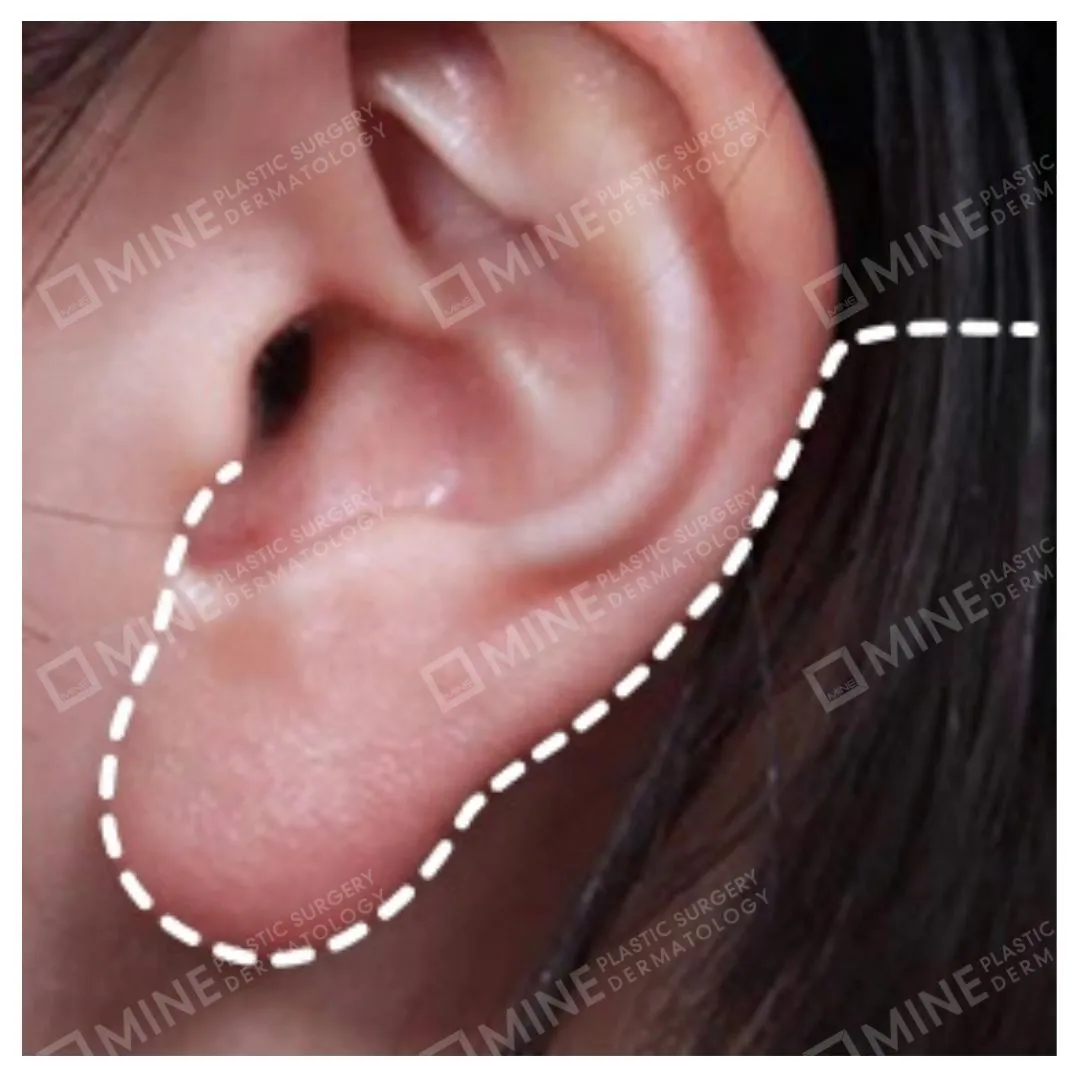
Scar management begins immediately after surgery:
- Strictly follow your surgeon’s wound care instructions.
- Use sunscreen to protect scars from direct sunlight.
- Apply silicone sheets or gel to promote scar healing.
- Consider professional scar treatments like laser therapy or steroid injections if needed.
What are the most serious complications of neck lift surgery?
The most serious complications include permanent nerve damage (causing facial asymmetry or movement limitations), skin necrosis (tissue death due to insufficient blood supply), serious infection, and rare anesthesia-related complications. These serious complications can be minimized through qualified surgeon selection and appropriate patient screening.
How can I distinguish between normal post-surgical discomfort and abnormal side effects?
Normal post-surgical symptoms generally improve progressively and resolve within days to weeks. The following symptoms may indicate abnormal neck lift side effects requiring immediate contact with your surgeon:
- Sudden increase in severe pain
- Abnormal swelling or redness
- Fever exceeding 38°C (100.4°F)
- Severe bleeding or pus discharge from the incision site
- Sudden changes in facial movement or asymmetry
Neck Lift: Careful Decision-Making Leads to Optimal Results
Neck lift surgery can effectively improve changes in the neck area caused by aging, but like all medical procedures, it carries potential neck lift side effects and risks. Successful surgery and satisfactory results depend on making well-informed decisions.
Thorough preliminary research, selecting a trusted experienced surgeon, and strictly following pre and post-surgical instructions are key to minimizing neck lift side effects and achieving optimal results. A personalized approach considering individual health status, anatomical structure, and expectations is also essential.
mineclinic offers personalized approaches to neck lift procedures, considering each patient’s unique characteristics. Professional consultation is recommended to determine the most suitable procedure method, expected results, and potential risks before making a decision.
Neck lifting is not merely a cosmetic procedure but a medical intervention requiring careful consideration through consultation with specialists to determine its suitability. With accurate information and appropriate expectations, neck lifting can significantly contribute to improving appearance and self-confidence. (types of neck lifting procedures)
For more detailed information or a personalized consultation, contact the specialists at MINE Plastic Surgery & Dermatology in Seoul, Korea, to find the approach most appropriate for your situation.
※ This content is for informational purposes only and does not replace professional medical advice, diagnosis, or treatment. Individual results may vary, and side effects may occur. Please consult with a board-certified plastic surgeon for personalized advice.