EN
EN

Table of Contents
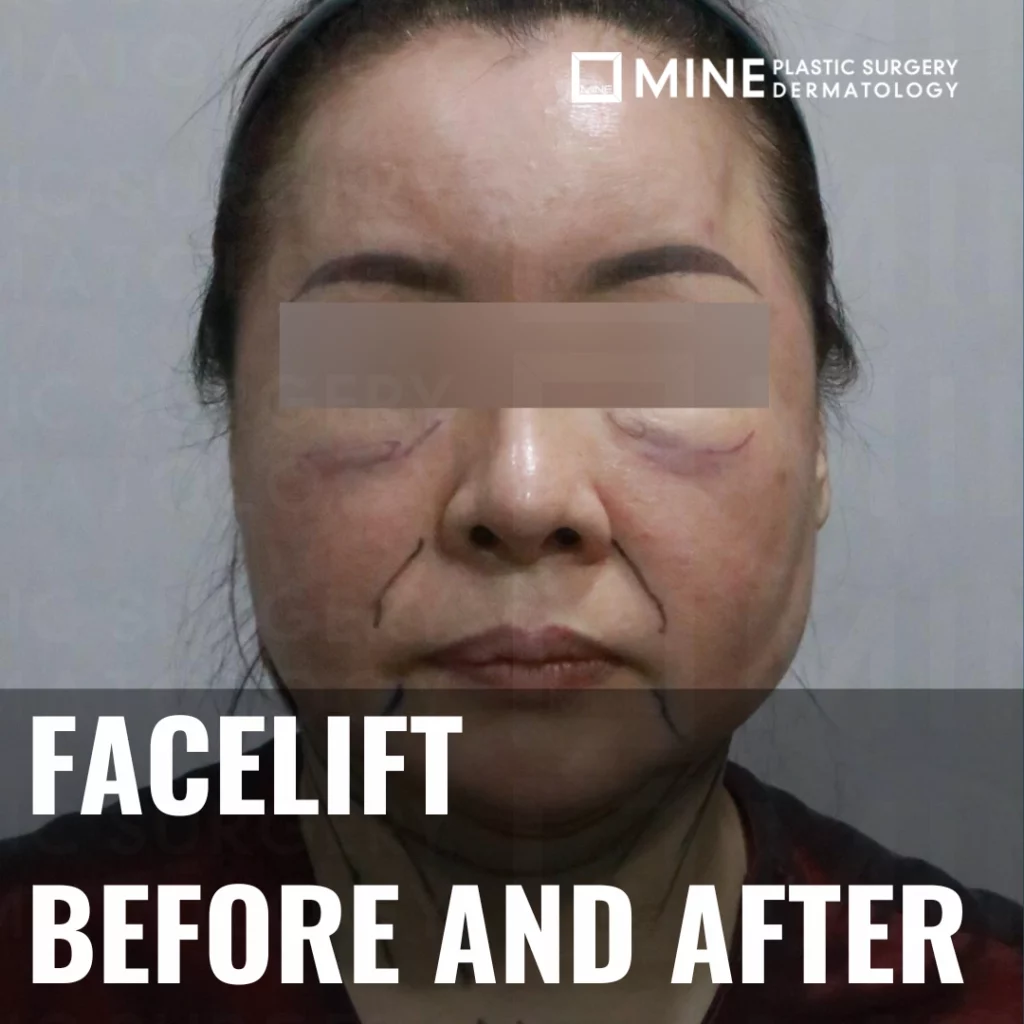
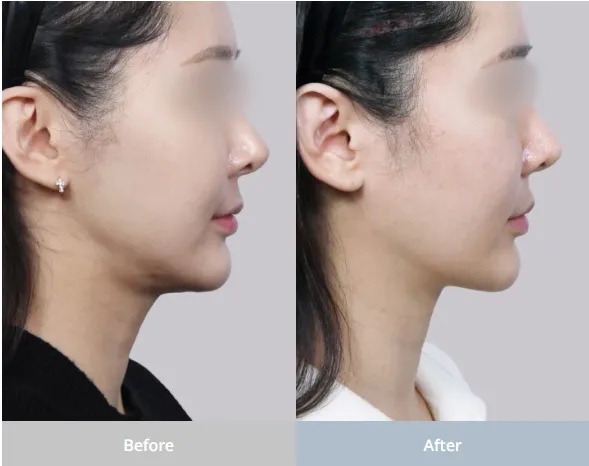
The dramatic difference between patients with and without surgical salivary gland reduction Korea procedures is remarkable, particularly when examining the refined jawline and enhanced neck contours achieved through advanced submandibular gland excision techniques. Unlike non-surgical approaches, surgical reduction offers permanent results with a discrete 2.5-3cm incision beneath the chin crease, often combined with double chin surgery or mini neck lift procedures for comprehensive facial rejuvenation.
Korean plastic surgeons have pioneered sophisticated techniques for submandibular salivary gland reduction, achieving exceptional aesthetic outcomes while maintaining optimal functionality. This surgical approach addresses prominent salivary glands that create unwanted fullness in the lower face and neck area, delivering transformative results that enhance facial harmony and definition.
Understanding Surgical Salivary Gland Reduction
Surgical submandibular salivary gland reduction involves the careful excision of a portion of the submandibular glands through a strategically placed incision. The submandibular glands, located beneath the jaw, can become enlarged or displaced with aging, creating unwanted fullness that affects facial aesthetics and jawline definition.
Key Benefits of Surgical Approach:
Permanent Results: Unlike temporary treatments, surgical reduction provides lasting improvements that don’t require repeated procedures or maintenance treatments.
Comprehensive Contouring: The procedure allows for precise removal of glandular tissue, creating dramatic improvements in neck and jawline definition that cannot be achieved through non-surgical methods.
Enhanced Facial Harmony: By reducing glandular prominence, the natural bone structure becomes more apparent, resulting in improved facial proportions and a more youthful appearance.
Minimal Scarring: The 2.5-3cm incision is carefully placed in the natural chin crease, ensuring that any scarring remains virtually invisible once healed.
The surgical technique targets the superficial lobe of the submandibular gland while preserving essential function. Submandibular gland reduction was performed in 112 of 736 consecutive face lifts between 2002 and 2013 — an incidence of 13 percent in primary face lifts and 25 percent in secondary face lifts. This reflects the growing recognition of the procedure’s importance in aesthetic surgery.
Dramatic Before and After Transformations
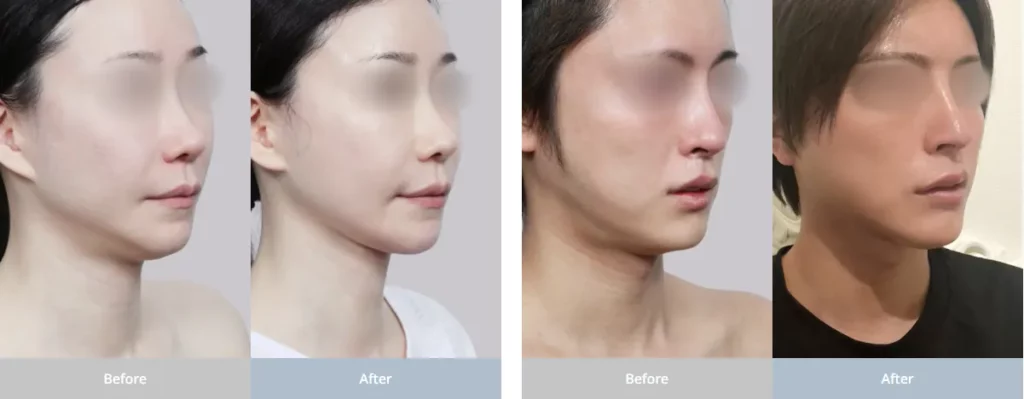
The visual transformation achieved through surgical submandibular gland reduction is often striking, with patients experiencing significant improvements in facial definition and overall aesthetic appeal.
Immediate Structural Changes:
- Refined Jawline Definition: Removal of glandular bulk reveals the natural mandibular line, creating a more sculpted and youthful appearance
- Enhanced Neck Contours: The procedure eliminates the characteristic fullness under the chin, creating smoother transitions from face to neck
- Improved Facial Proportions: Reduction of lower face fullness enhances the balance between facial features
- More Photogenic Profile: Patients frequently report improved confidence in photographs and social situations
Long-term Aesthetic Benefits: The improvements from gland reduction are generally long-lasting, although you will continue to see changes in your neck as you age. The permanent nature of surgical reduction means patients enjoy lasting improvements without the need for repeated treatments.
Functional Preservation: Despite removing a portion of the gland, this rarely causes dry mouth, as it is not the major contributor to saliva, ensuring normal oral function is maintained.
Who Benefits from Surgical Gland Reduction?
Surgical submandibular gland reduction is particularly beneficial for specific patient populations seeking permanent aesthetic enhancement:
Candidates with Prominent Glandular Bulging: Individuals whose submandibular glands create visible fullness or asymmetry in the lower face and neck area, particularly noticeable when the head is tilted down or in profile views.
Patients Seeking Permanent Solutions: Those who prefer a one-time surgical solution rather than ongoing maintenance treatments, appreciating the long-lasting nature of surgical intervention.
Comprehensive Rejuvenation Seekers: Patients planning facelift, neck lift, or double chin surgery who want to address all contributing factors to achieve optimal results in a single procedure.
Revision Surgery Candidates: An incidence of 13 percent in primary face lifts versus 25 percent in secondary face lifts indicates that gland reduction is often more necessary in revision procedures, where previous surgery has made glandular prominence more apparent.
Age-Related Concerns: Adults experiencing increased glandular visibility due to volume loss in surrounding tissues, making the glands appear more prominent with aging.
The Surgical Procedure Explained
The surgical technique for submandibular gland reduction requires precise anatomical knowledge and advanced surgical skills to achieve optimal results while preserving function and minimizing complications.
Pre-Surgical Planning: Comprehensive evaluation includes detailed imaging and assessment of facial anatomy to determine the optimal surgical approach and extent of reduction needed for each individual patient.
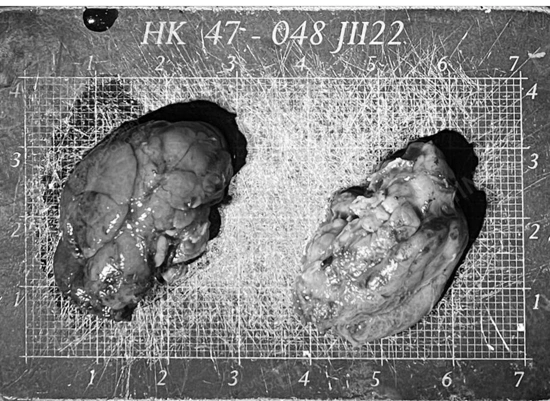
Surgical Technique: Submandibular gland removal serves as a valuable complement to neck lift surgery, comprehensively rejuvenating the neck and jawline. We make an incision about 2-3 cm long in the crease below the jaw, then locate the salivary gland.
Step-by-Step Process:
- Strategic Incision Placement: The 2.5-3cm incision is carefully placed in the natural chin crease to minimize visible scarring
- Anatomical Exposure: Careful dissection through tissue layers to access the submandibular gland while protecting surrounding structures.
Submuscular fat removal is needed to access the salivary gland. - Precise Gland Reduction: Removal of the appropriate amount of glandular tissue to achieve desired contouring while preserving function
- Meticulous Closure: Layer-by-layer closure ensures optimal healing and minimal scarring
Advanced Safety Measures: Real-time nerve monitoring during surgery can reduce the risk of complications, demonstrating the sophisticated approach Korean surgeons take to ensure patient safety.
Combining with Double Chin and Neck Lift Surgery
One of the key advantages of submandibular gland reduction is its seamless integration with other facial rejuvenation procedures, particularly double chin surgery and mini neck lift techniques.
Synergistic Approach: In some patients, especially after deep fat is removed, the submandibular glands become more prominent. When necessary, we surgically reduce a portion of the gland for a smoother contour. This demonstrates why combined procedures often achieve superior results.
Comprehensive Neck Rejuvenation:
- Fat Removal: Elimination of excess submental and subplatysmal fat
- Muscle Tightening: Platysma muscle repair and tightening for improved neck definition
- Gland Reduction: Submandibular gland reduction for complete lower face contouring
- Skin Adjustment: Minimal skin tightening when necessary for optimal results
Enhanced Surgical Efficiency: Combining procedures allows patients to achieve comprehensive rejuvenation in a single surgery, reducing overall recovery time and costs while maximizing aesthetic improvement.
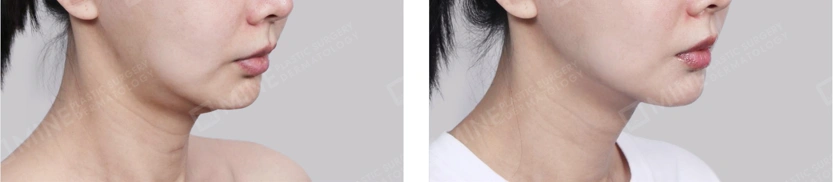
Optimal Results: Tightening the muscles and removing salivary glands together create a sleek, youthful jawline, demonstrating the superior outcomes achieved through combined approaches.
Recovery and Post-Operative Care
Recovery from surgical submandibular gland reduction requires careful attention to post-operative instructions to ensure optimal healing and results.
Immediate Post-Operative Period:
- Day of Surgery: Most patients are discharged the same day with comprehensive post-operative instructions
- Drain Management: Temporary drainage tube may be placed to prevent fluid accumulation
- Pain Management: Minimal discomfort is typical, with prescribed medications for comfort
First Week Recovery:
- Activity Restrictions: We caution patients against vigorous activity or heavy lifting for 5 days to reduce the risk of hematoma formation
- Dietary Considerations: Avoid spicy or irritating foods for at least 2 weeks if gland reduction was performed
- Compression Garment: Wearing a chin compression strap (sometimes called a “compression mask”) around the clock for the first 2 weeks is mandatory
Healing Timeline:
- 1-2 Weeks: Initial swelling reduction and suture removal
- 2-4 Weeks: Significant improvement in appearance and comfort
- 4-6 Weeks: It can take roughly four to six weeks to see a fuller recovery, especially if your job or lifestyle demands more strenuous activity
Long-term Care: Regular follow-up appointments ensure proper healing and optimal aesthetic outcomes.
Long-term Results and Satisfaction
Surgical submandibular gland reduction provides exceptional long-term satisfaction due to its permanent nature and dramatic aesthetic improvements.
Permanent Enhancement: Unlike temporary treatments, surgical reduction provides lasting results that don’t diminish over time, making it an excellent investment in long-term aesthetic goals.
High Satisfaction Rates: Clinical studies demonstrate high patient satisfaction rates, with most patients reporting significant improvement in their appearance and confidence levels.
Functional Preservation: Significantly, no patient reported a permanent dry mouth in comprehensive studies, confirming that the procedure maintains normal salivary function while achieving aesthetic goals.
Minimal Complications: Minor complications, occurring in 10.8 percent of cases, were managed nonoperatively. Submandibular sialocele (4.5 percent) and marginal mandibular branch neurapraxia (4.5 percent) were the most frequent, and all resolved fully by 3 months, demonstrating the safety profile of the procedure.
Natural Aging Process: While the surgical results are permanent, patients continue to age naturally, and the enhanced contours remain stable over time.
Frequently Asked Questions
How long does the surgical procedure take?
The surgery itself takes about an hour and a half, but the entire process, including pre-op preparations and recovery after the procedure, takes about six hours.
Will I have visible scarring?
The incision may be 2 centimeters to 3 centimeters long, and is under your jaw, where it is not likely to be obvious. The scar is strategically placed in the natural chin crease for minimal visibility.
Can this be combined with other procedures?
Yes, submandibular gland reduction is frequently combined with neck lifts, double chin surgery, and facelifts for comprehensive facial rejuvenation with enhanced results.
How rare is this procedure?
Globally, only a few surgeons perform submandibular gland removal for cosmetic reasons due to its complexity. However, its necessity is gaining recognition in medical literature.
The remarkable transformation achieved through surgical submandibular salivary gland reduction in Korea represents the pinnacle of aesthetic facial surgery. The permanent nature of the results, combined with the sophisticated techniques employed by Korean surgeons, makes this procedure an exceptional choice for patients seeking comprehensive facial enhancement.
Through careful surgical planning, precise technique, and comprehensive post-operative care, patients achieve dramatic improvements in jawline definition and neck contours that enhance their natural beauty for years to come. According to the American Society of Plastic Surgeons, when performed by qualified specialists, submandibular gland procedures represent safe and effective approaches to aesthetic enhancement.
For those considering comprehensive facial rejuvenation, surgical submandibular gland reduction combined with complementary procedures offers transformative results that significantly exceed what can be achieved through non-surgical methods alone. MINE Plastic Surgery provides expert consultation and advanced surgical techniques to help patients achieve their aesthetic goals with exceptional safety and precision. (side effects of salivary gland removal)