EN
EN

Table of contents
Submandibular gland reduction surgery offers transformative results for individuals seeking refined neck contours and enhanced jawline definition. However, achieving optimal aesthetic outcomes depends significantly on proper post-operative care and adherence to detailed recovery instructions. This comprehensive guide provides evidence-based strategies to ensure smooth healing and minimize complications during your submandibular gland surgery recovery.

Understanding the Recovery Process
Recovery from submandibular gland reduction surgery typically takes 1 to 2 weeks for initial healing, with the surgical area being sore and potentially swollen during this period. The submandibular glands, located beneath the lower jaw, play a crucial role in facial aesthetics and neck contour. When surgically reduced for cosmetic purposes, proper recovery protocols are essential for achieving the desired refined jawline and avoiding complications.
What happens during recovery? Your body initiates a complex healing response involving tissue repair, inflammation reduction, and gradual return to normal function. Understanding this process helps set realistic expectations and ensures you follow appropriate care guidelines.
First 48 Hours: Critical Post-Operative Care
The initial 48 hours following submandibular gland reduction surgery are crucial for establishing proper healing patterns and preventing complications.
Immediate Post-Surgical Care
- Follow surgeon’s medication protocols precisely, including prescribed pain relievers and antibiotics
- Monitor the surgical site for signs of excessive bleeding or unusual discharge
- Maintain head elevation while sleeping to minimize swelling and promote drainage
- Apply cold compresses for 10-15 minutes every hour during waking hours
Pain Management Strategies
Mild to moderate pain around the surgical site is typical and can be managed effectively with prescribed medications, with pain often decreasing significantly after the first few days. Most patients experience manageable discomfort that gradually subsides with proper pain management protocols.
How Long Does Recovery Take After Submandibular Gland Surgery?
Recovery timelines vary based on individual factors, but here’s what most patients can expect:
Week 1: Initial Healing Phase
- Days 1-3: Most significant swelling and discomfort
- Days 4-7: Gradual reduction in pain and inflammation
- Activity level: Rest and limited movement recommended
Week 2: Progressive Recovery
- Days 8-14: Substantial improvement in comfort levels
- Return to work: Most patients can resume desk work
- Dietary progression: Gradual transition to normal foods
Weeks 3-6: Complete Healing
- Swelling resolution: Final traces of swelling typically disappear
- Activity return: Full exercise and normal activities usually permitted
- Final results: Optimal aesthetic outcomes become apparent
Recovery generally takes about 1-2 weeks, with follow-up appointments typically scheduled 1-2 weeks after surgery to monitor healing progress.
Managing Swelling and Discomfort
Effective swelling management is crucial for comfortable recovery and optimal aesthetic results. Minor complications such as sialoceles occurred in 4.5% of patients in clinical studies, typically resolving within 4 weeks with conservative management.
Evidence-Based Swelling Reduction Techniques
Cold Therapy Protocol
- Apply ice packs wrapped in thin cloth for 10-15 minutes hourly during the first 48 hours
- Avoid direct ice contact with skin to prevent tissue damage
- Continue intermittent cold therapy for 3-5 days as needed
Sleep Position Optimization
- Elevate your head 30-45 degrees using multiple pillows or a wedge pillow
- Sleep on your back when possible to prevent pressure on the surgical site
- Avoid sleeping on the operated side for the first two weeks
Hydration and Circulation Support
- Drink 8-10 glasses of water daily to support lymphatic drainage
- Perform gentle neck stretches as approved by your surgeon
- Take short walks to promote overall circulation
Essential Dietary Guidelines
Proper nutrition during submandibular gland surgery recovery supports healing while preventing complications related to the proximity of surgical sites to swallowing mechanisms.
Recommended Foods for Recovery
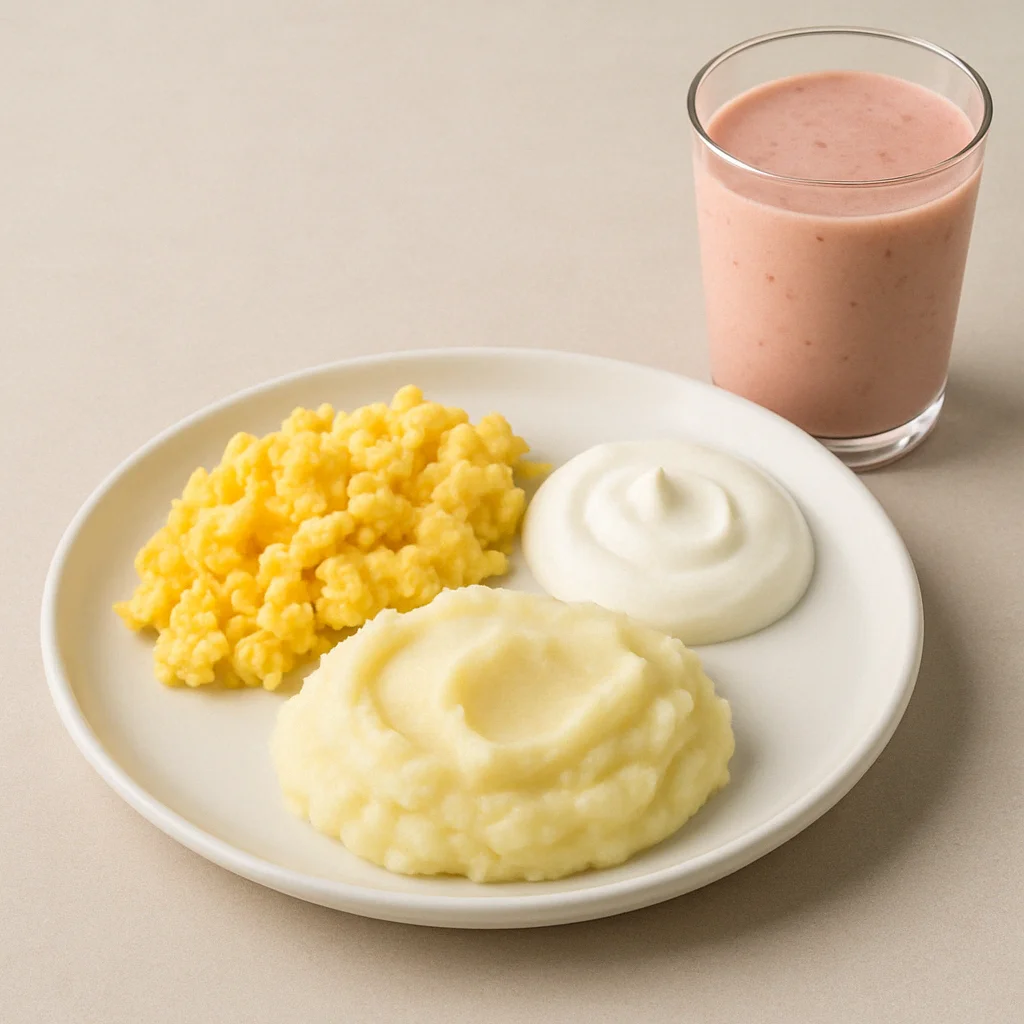
Week 1: Soft Diet Protocol
- Liquid nutrition: Protein smoothies, bone broth, nutritional shakes
- Soft textures: Yogurt, pudding, mashed potatoes, scrambled eggs
- Anti-inflammatory foods: Turmeric-spiced soups, leafy green smoothies
- Hydrating options: Coconut water, herbal teas, diluted fruit juices
Week 2: Progressive Diet Expansion
- Tender proteins: Soft fish, ground chicken, tofu
- Cooked vegetables: Steamed carrots, soft squash, well-cooked pasta
- Nutrient-dense choices: Avocado, nut butters, soft fruits
Foods to Avoid During Recovery
- Spicy or acidic foods that may irritate the surgical area
- Hard, crunchy textures requiring excessive chewing
- Very hot beverages that could increase swelling
- Alcohol and tobacco which impair healing processes
Patients can typically follow a regular diet immediately after surgery, though avoiding strenuous activity is recommended for about a week.
Activity Restrictions and Exercise
Proper activity modification prevents complications while supporting optimal healing during submandibular gland surgery recovery.
Phase 1: Initial Recovery (Days 1-7)
Prohibited Activities
- Heavy lifting over 10 pounds
- Strenuous exercise or cardio workouts
- Bending over or activities that can exacerbate swelling by increasing blood pressure in the surgical area
- Contact sports or activities with injury risk
Permitted Activities
- Gentle walking for circulation
- Light household tasks
- Reading and computer work
- Relaxation and stress management activities
Phase 2: Progressive Activity (Days 8-14)
Gradual Exercise Introduction
- Low-impact activities like stationary cycling
- Light stretching and yoga (avoiding neck strain)
- Swimming (once incision is fully healed)
- Progressive walking distances
Phase 3: Full Activity Return (Weeks 3-6)
Most patients can gradually return to normal exercise routines, though individual variations exist based on healing progress and surgeon recommendations.

What Complications Should You Watch For?
While submandibular gland reduction surgery is generally safe, understanding potential complications ensures prompt intervention when necessary.
Warning Signs Requiring Immediate Medical Attention
- Sudden severe swelling that impairs breathing or swallowing
- Excessive bleeding that doesn’t respond to gentle pressure
- Signs of infection: fever over 101°F, increasing redness, purulent discharge
- Neurological symptoms: sudden numbness, weakness, or facial asymmetry
Minor Complications Requiring Monitoring
- Temporary nerve weakness (neurapraxia) occurred in 4.5% of patients, typically resolving completely within 3 months
- Persistent swelling beyond expected timeframes
- Unusual drainage or fluid collection
- Increasing pain after initial improvement
Prevention Strategies
- Strict adherence to post-operative instructions
- Regular follow-up appointments as scheduled
- Prompt communication with your surgical team about concerns
- Lifestyle modifications supporting optimal healing
Incision Care and Scar Management
Proper wound care minimizes infection risk and optimizes aesthetic outcomes from your submandibular gland reduction surgery.
Daily Wound Care Protocol
First Week Care
- Keep incision dry and clean as directed
- Gently cleanse around (not directly on) the incision with mild soap
- Apply prescribed topical medications as instructed
- Monitor for signs of healing progression
Ongoing Scar Management Once your surgeon confirms the incision has healed (typically 7-10 days), implement these scar optimization strategies:
- Silicone gel application twice daily for 3-6 months
- Gentle massage with approved creams to improve flexibility
- Sun protection using SPF 30+ sunscreen to prevent pigmentation changes
- Consistent moisturizing to maintain skin elasticity
Expected Healing Timeline
- Week 1: Initial wound closure and scab formation
- Weeks 2-4: Tissue remodeling and strength building
- Months 3-12: Scar maturation and final appearance development
Long-term Recovery Strategies
Optimizing long-term outcomes from submandibular gland reduction surgery requires sustained commitment to healthy practices and proper follow-up care.
Nutritional Support for Healing
Essential Nutrients for Recovery
- Protein: 1.2-1.6 grams per kilogram body weight daily for tissue repair
- Vitamin C: 500-1000mg daily for collagen synthesis
- Zinc: 8-11mg daily for immune function and wound healing
- Omega-3 fatty acids: Anti-inflammatory support for optimal healing
Lifestyle Modifications
Smoking and Alcohol Cessation Complete avoidance of tobacco and alcohol for at least 2-4 weeks post-surgery significantly improves healing outcomes and reduces complication risks.
Stress Management
- Practice meditation or deep breathing exercises
- Maintain adequate sleep (7-9 hours nightly)
- Consider gentle activities like tai chi or restorative yoga
- Engage in relaxing hobbies during recovery time
Follow-up Care Importance
Regular post-operative appointments allow your surgeon to:
- Monitor healing progress and address concerns early
- Adjust treatment protocols based on individual response
- Provide personalized recommendations for optimal outcomes
- Identify and manage any emerging complications promptly
Advanced Recovery Optimization Tips
Lymphatic Drainage Support
- Manual lymphatic massage (when approved by surgeon)
- Compression garments if recommended
- Elevation techniques during rest periods
- Gentle movement to promote natural drainage
Psychological Well-being During Recovery
Recovery from facial plastic surgery can involve emotional adjustments. Consider:
- Realistic expectations about healing timelines
- Support system engagement from family and friends
- Professional counseling if experiencing anxiety about results
- Patience with the process as final results take time to appear
When to Contact MINE Clinic
Contact mineclinic immediately if you experience:
- Sudden difficulty breathing or swallowing
- Severe, worsening pain uncontrolled by medication
- Signs of infection (fever, increasing redness, pus)
- New neurological symptoms or facial weakness
- Concerns about healing progress or aesthetic outcomes
For routine questions about your submandibular gland reduction surgery recovery, mineclinic provides comprehensive support throughout your healing journey.
Conclusion
Successful submandibular gland reduction surgery recovery requires diligent attention to post-operative care instructions, proper nutrition, activity modification, and regular medical follow-up. By following these evidence-based guidelines and maintaining open communication with your surgical team at mineclinic, you can optimize healing outcomes and achieve the refined neck contour and enhanced jawline definition you desire.
Remember that recovery is a gradual process, and individual healing timelines may vary. Patience, consistency with care protocols, and professional guidance ensure the best possible results from your submandibular gland reduction surgery.
Have questions about your recovery process? Contact mineclinic for personalized guidance and support throughout your healing journey. Our experienced team is dedicated to helping you achieve optimal outcomes from your submandibular gland reduction surgery. (submandibular gland removal)
External References: